
In this article, we will explore the importance of prevention and treatment for bacterial vaginosis. Bacterial vaginosis is a common vaginal infection that occurs when there is an imbalance in the bacteria found in the vagina. It can cause uncomfortable symptoms such as vaginal discharge, itching, and a fishy odor. By understanding the causes and risk factors of bacterial vaginosis, as well as effective prevention and treatment methods, you can take control of your vaginal health and maintain a happy, healthy lifestyle. So let’s get started and learn how to prevent and treat bacterial vaginosis effectively!
Prevention and Treatment of Bacterial Vaginosis
Understanding Bacterial Vaginosis
Bacterial Vaginosis (BV) is a common vaginal infection that occurs when there is an overgrowth of harmful bacteria in the vagina. It is important to understand the symptoms and causes of BV in order to effectively prevent and treat it.
Risk Factors for Bacterial Vaginosis
Certain factors increase the risk of developing BV. These include engaging in sexual activity, having multiple or new partners, douching, using intrauterine devices (IUDs), smoking, and hormonal changes.

Preventive Measures for Bacterial Vaginosis
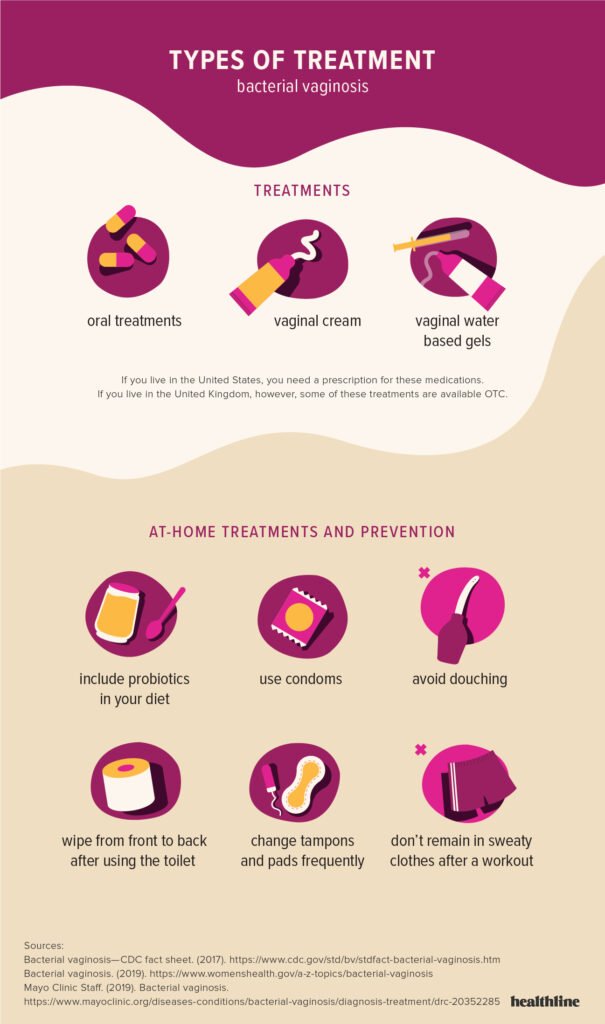
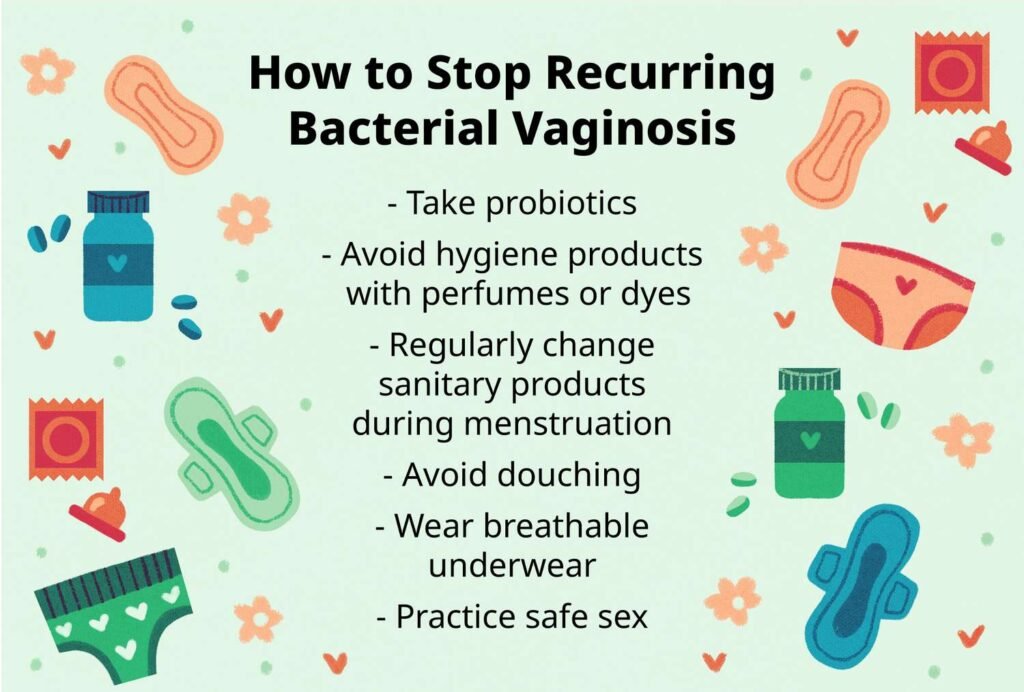
To reduce the risk of developing BV, practicing good hygiene is crucial. This includes washing the genital area with mild soap and water, avoiding excessive cleansing, and wiping from front to back after using the toilet. Additionally, safe sexual practices, such as using condoms and limiting the number of sexual partners, can help prevent BV. It is also important to avoid unnecessary antibiotic use, as this can disrupt the balance of bacteria in the vagina.
Maintaining Good Vaginal Hygiene
Maintaining good vaginal hygiene is essential for preventing BV. Choosing the right cleansing products, such as mild, unscented soaps, can help avoid irritating the delicate vaginal tissues. It is important to avoid over-cleansing, as excessive washing can disrupt the natural pH balance of the vagina. Proper wiping technique, using clean and dry underwear, and avoiding clothing materials that can cause irritation, such as synthetic fabrics, can also contribute to maintaining good vaginal hygiene.

Avoiding Irritants and Allergens
Certain irritants and allergens can increase the risk of developing BV. Fragrances and perfumes found in scented feminine hygiene products, harsh soaps and detergents, and vaginal irritants such as spermicides and lubricants should be avoided. Additionally, individual sensitivities and allergens should be identified and avoided to reduce the risk of developing BV.
Promoting a Healthy Vaginal Microbiome
The vaginal microbiome refers to the collection of bacteria that naturally reside in the vagina. Maintaining a healthy vaginal microbiome is crucial for preventing BV. Balancing pH levels by avoiding aggressive soaps and preserving the natural acidity of the vagina can help promote a healthy microbiome. Additionally, incorporating good bacteria into the vagina, such as through the use of probiotics, can help maintain a healthy balance and prevent the overgrowth of harmful bacteria. It is important to avoid factors that can disrupt the vaginal microbiome, such as excessive cleansing or antibiotic use.
Treatment Options for Bacterial Vaginosis
If BV does develop, there are various treatment options available. Antibiotic therapy is commonly used to treat BV, with prescription medications prescribed for a specific duration. Topical treatments, such as creams or gels, can also be used to alleviate symptoms. In addition, supplements and probiotics can help restore the balance of bacteria in the vagina.
Antibiotic Therapy
Antibiotics are often prescribed to treat BV. Common antibiotics used for BV include metronidazole, clindamycin, and tinidazole. These medications are typically taken orally or used as a topical gel or cream. The duration of antibiotic treatment can vary, but it is important to complete the full course as prescribed to ensure eradication of the infection. While antibiotics are generally effective in treating BV, they may have side effects such as upset stomach, nausea, or vaginal yeast infections.

Probiotics
Probiotics are beneficial bacteria that can be used to promote a healthy vaginal microbiome. They can be taken orally as capsules or inserted directly into the vagina in the form of suppositories or creams. Probiotics help restore the balance of bacteria in the vagina and can be used as a preventive measure or as part of treatment for BV. Lactobacillus species are often recommended as they naturally inhabit the vagina and help maintain a healthy environment.
Alternative and Complementary Therapies
In addition to traditional treatment options, some alternative and complementary therapies may be used to manage or prevent BV. Tea tree oil has antimicrobial properties and can be used as a topical treatment for BV. Boric acid suppositories can also be used to restore the balance of bacteria in the vagina. Garlic, known for its antimicrobial properties, can be used orally or applied topically to alleviate BV symptoms. Acidophilus, a probiotic, can be taken orally to help restore the balance of bacteria in the vagina. Some homeopathic remedies, such as Calendula officinalis, may also be used to manage BV, although more research is needed to support their effectiveness.
In conclusion, understanding and implementing preventive measures for BV can significantly reduce the risk of developing this common vaginal infection. Proper hygiene practices, safe sexual practices, and maintaining a healthy vaginal microbiome are key elements in preventing BV. In the event that BV does occur, treatment options such as antibiotic therapy and probiotics can effectively manage the infection. Alternative and complementary therapies may also be considered as part of a comprehensive approach to BV prevention and treatment. Remember to consult with a healthcare professional for diagnosis and appropriate treatment. Take care of your vaginal health and enjoy a happy, healthy life.