
Information on Prevention of Bacillus Cereus
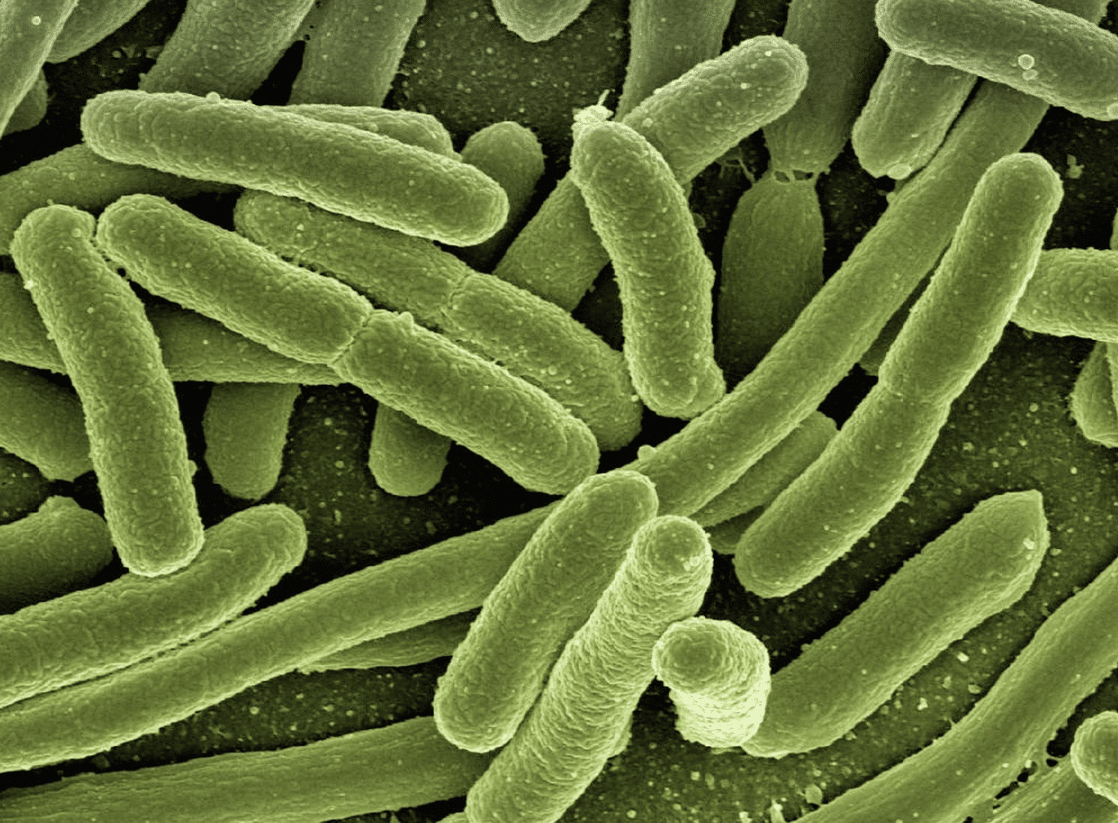
Bacillus Cereus is a food-borne disease that affects anyone across ages and sexes. It is from the gram-positive Bacillus species. It is ubiquitous bacteria, aerobic heterotrophs which are very much known for their capability to form a defense mechanism of spore coats as resistance against treatment. These species are also the mesophilic type of bacteria that is able to produce a heat-resistant endospore that can have a growth range from 10°C up to 48°C. Their growth is optimal at 28°C up to 35°C. They can also grow in pH ranges between and 4.9 9.3. One of the diseases associated with Bacillus Cereus is anthrax in both humans and animals. It is highly contagious through direct contact and inhalation of their endospores. Severe cases can lead to death so there is a real need for prevention of bacillus cereus.
The NIH or National Institutes of Health, NIAID or National Institute of Allergy and Infectious Diseases, and the NFPA or National Food Processors Association suggested a few ways on how prevention of bacillus cereus can be done.
Examples of these prevention techniques are listed below.
- Cook food
All food should be steamed, fried, grilled, and roasted before being eaten to ensure that the vegetative cells and/or spores of the bacillus cereus are completely destroyed. - Treat suspected infested food to 133 °F
An effective means of deactivating infested bacillus cereus foods is through subjection to high temperature. Hence, heating the food at 133 °F for about 5 minutes will help kill the bacteria and thus the disease. - Emetic toxin-infested food requires 259°F heating
All emetic toxin-suspected foods will need more than reheating to destroy the toxin. They will need at least 90 minutes of heating at 259°F steam. - Appropriate Manufacturing Practices
In slaughterhouses, the requirement is cGMP or current Good Manufacturing Practices 21 CFR 110 to ensure that all meats are free of deadly bacteria as well as all foodborne diseases. - Treat carcasses
There are certain and approved treatments to be used on carcasses so as to prevent people as well as animals from inhaling the bacteria. People should be wise and aware of this hence making use of one when there is a need to. - Disinfect food
The Food authorities of every country have awareness campaigns on cleaning and disinfection procedures on FCS or food contact surfaces. Among these things is the use of hypochlorite, while there are currently more approved sanitizers that can be used in FCS. - Use of proper temperature on foods
Foods that are supposed to be hot should be at 60°C to prevent any spores formation, while all foods that are supposed to be cold should be kept lower than 4°C. - Keep hands clean all the time
There is nothing better than to keep the hands clean and free from any possible cause of germs and bacteria. Whether after touching raw meat, fish, or/and poultry or using the comfort room, it is best to wash your hands with soap and water. This should especially done before touching any food for preparation or eating purposes.
Related Topics About Prevention of Bacillus Cereus
bacillus cereus disease,
bacillus cereus found in what foods,
disease caused by Bacillus cereus,
how to prevent bacillus cereus bacteria,
prevention of bacillus cereus gastroenteritis,
symptoms of bacillus cereus,
what causes bacillus cereus