
Attention Deficit Hyperactivity Disorder (ADHD) is a condition that affects both children and adults, impacting their daily lives and overall well-being. In order to better understand this complex disorder, it is important to be aware of the risk factors that contribute to its development and the precautions that can be taken to mitigate its effects. This article aims to provide an insightful overview of the risk factors associated with ADHD and offer practical guidelines to help individuals and their loved ones navigate the challenges that come with this condition. From genetic predispositions to environmental influences, understanding the factors that contribute to ADHD can empower individuals to make informed decisions and seek appropriate support.
Risk Factors
ADHD, or Attention Deficit Hyperactivity Disorder, is a neurodevelopmental disorder that affects both children and adults. While the exact cause of ADHD is still not fully understood, research has identified several risk factors that can contribute to its development. These risk factors can be broadly categorized into genetic, brain structure and function, environmental, prenatal, and early life experiences.
Genetics
One of the significant risk factors for ADHD is a family history of the disorder. If you have a close relative, such as a parent or sibling, who has been diagnosed with ADHD, you may have an increased likelihood of developing it as well. Studies have also identified specific genes associated with ADHD, further supporting the idea that genetics plays a role in its development. However, it is important to note that having a genetic predisposition does not guarantee the onset of the disorder.

Brain Structure and Function
The structure and function of the brain can also contribute to the risk of developing ADHD. Abnormalities in brain development, such as differences in the size or activity of specific brain regions, have been observed in individuals with ADHD. Neurotransmitter imbalances, particularly involving dopamine and norepinephrine, are also commonly associated with the disorder. These imbalances can affect communication between different regions of the brain and contribute to the symptoms of ADHD.
Environmental Factors
Environmental factors can also influence the risk of developing ADHD. Exposure to environmental toxins, such as lead, has been linked to an increased likelihood of developing the disorder. Lead exposure, either through contaminated water or paint, can negatively impact brain development and affect cognitive functioning. Maternal smoking during pregnancy has also been identified as a risk factor for ADHD. Studies have shown that exposure to nicotine and other chemicals in tobacco can disrupt fetal brain development and increase the risk of developing ADHD.
Additionally, premature birth and low birth weight have been associated with an increased likelihood of ADHD. Babies born prematurely or with low birth weight are more vulnerable to certain developmental issues, including ADHD. Excessive screen time, particularly in early childhood, has also been linked to an increased risk. Excessive use of smartphones, tablets, or computers can affect attention and contribute to the development of ADHD symptoms.

Prenatal Factors
Certain prenatal factors can contribute to the risk of developing ADHD. Maternal substance abuse, including alcohol, tobacco, or illicit drugs, during pregnancy can have detrimental effects on fetal brain development. These substances can cross the placenta and affect the developing brain, potentially increasing the risk of ADHD. Maternal mental health, particularly during pregnancy, can also impact the risk. Maternal depression, anxiety, or high levels of stress have been associated with an increased likelihood of the child developing ADHD.
Infections during pregnancy can also play a role in the risk of ADHD. Certain infections, such as rubella, toxoplasmosis, or cytomegalovirus, can affect fetal brain development and potentially increase the risk of ADHD. Additionally, complications during pregnancy or birth, such as a difficult delivery or lack of oxygen, can contribute to the risk.
Early Life Experiences
Early life experiences can shape the development of ADHD. Childhood trauma, such as physical, emotional, or sexual abuse, can increase the risk of developing the disorder. The chronic stress and disruptions caused by traumatic experiences can affect brain development and contribute to ADHD symptoms. Neglect or abuse by parents or caregivers is also associated with an increased risk.
Furthermore, parental substance abuse can have a significant impact on a child’s risk of developing ADHD. Exposure to substances such as alcohol, drugs, or medications can affect fetal brain development and increase the likelihood of ADHD. A chaotic or disrupted home environment, characterized by instability, inconsistent routines, and lack of structure, can contribute to the risk as well.

Precautions
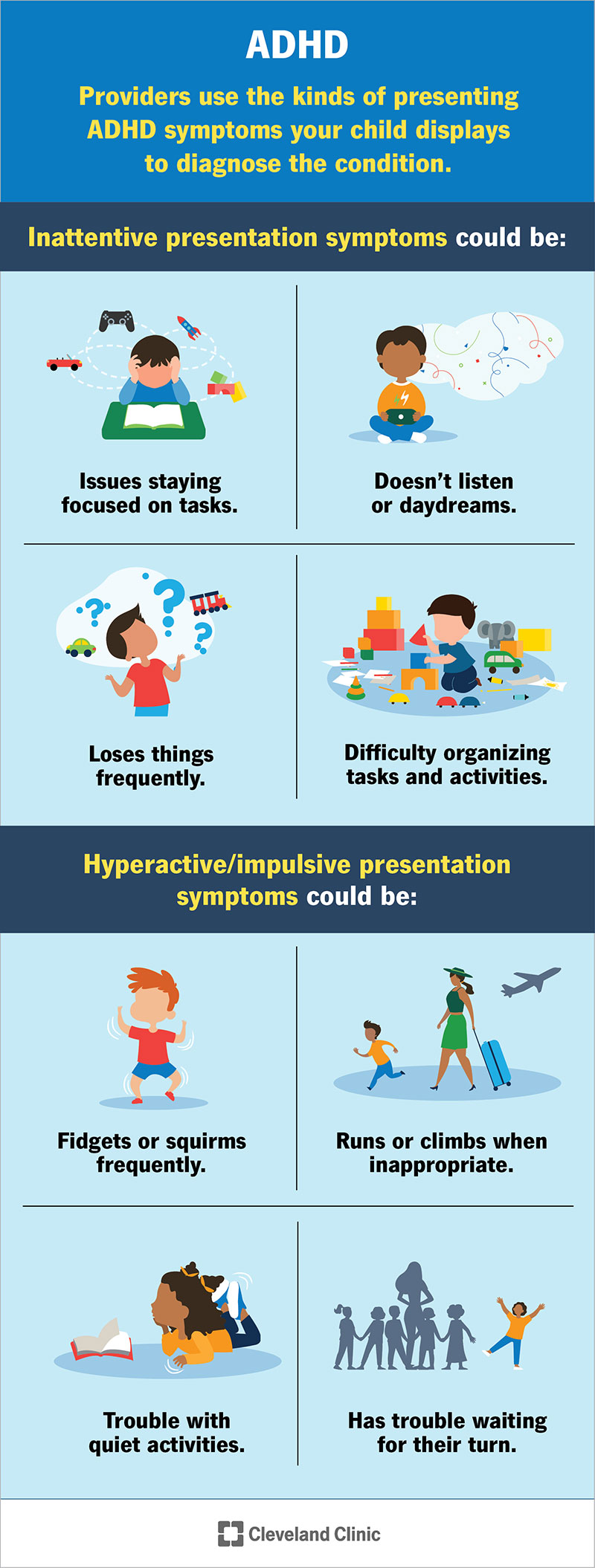
While ADHD cannot be completely prevented, there are several precautions that can be taken to minimize its impact and manage its symptoms effectively. Early identification and diagnosis are crucial, as they allow for timely intervention and support. If you notice signs and symptoms of ADHD in yourself or a loved one, it is important to consult with healthcare professionals, such as pediatricians or psychiatrists, for a comprehensive evaluation.
A supportive and structured home environment is essential for individuals with ADHD. Establishing routines and schedules can help provide a sense of predictability and stability. Clear rules and expectations should be communicated consistently, and minimizing distractions can aid in maintaining focus. Creating quiet and organized spaces can also help individuals with ADHD concentrate on tasks. Open communication within the family is encouraged, allowing for the expression of emotions and the development of emotional regulation skills.
Behavioral therapy, often in the form of cognitive-behavioral therapy (CBT), can be highly beneficial for individuals with ADHD. CBT helps individuals identify and modify negative patterns of thinking and behavior, leading to improved self-control and coping strategies. Educational interventions, such as specialized tutoring or accommodations in school settings, can provide necessary support for academic success.
In some cases, medication may be recommended as part of the treatment plan. Medications for ADHD, such as stimulants or non-stimulants, can help manage symptoms by improving attention and reducing impulsivity. Regular exercise and a healthy lifestyle, including a balanced diet and adequate sleep, are important for overall well-being and can also positively impact ADHD symptoms.
Avoidance of environmental triggers, such as excessive screen time or exposure to toxins, is important to reduce the risk of exacerbating symptoms. Building positive peer relationships and fostering a sense of belonging can contribute to the emotional well-being of individuals with ADHD. Community support and resources, such as parent support groups, therapeutic programs, counseling services, and educational advocacy, play a crucial role in providing ongoing support and guidance.
In conclusion, while the exact cause of ADHD remains unclear, a combination of genetic, brain structure and function, environmental, prenatal, and early life factors contributes to its development. By understanding these risk factors and implementing the appropriate precautions, individuals with ADHD can lead fulfilling and successful lives. Remember, early identification, a supportive home environment, and access to community support are key in managing ADHD effectively.