
Allergies are a common occurrence, but understanding their risk factors and taking necessary precautions can help prevent discomfort and keep you feeling your best. In this article, we will explore the various factors that increase your susceptibility to allergies and provide valuable insights on how to protect yourself from potential triggers. By taking these precautions, you can confidently navigate the world of allergies and safeguard your well-being.

Risk Factors for Allergies
Allergies can be triggered by various factors, and understanding these risk factors can help you take necessary precautions to manage and prevent allergic reactions. Here are some common risk factors for allergies:
Family History
Your genetic background plays a significant role in determining your susceptibility to allergies. If you have a family history of allergies, such as hay fever, asthma, or food allergies, your risk of developing allergies increases. However, note that having a family history does not guarantee that you will develop allergies, but it does make you more prone to them.
Personal History of Allergies
If you have previously experienced allergic reactions, your chances of developing allergies in the future are higher. Allergic reactions can range from mild symptoms like sneezing and itching to severe anaphylactic reactions. It’s important to be aware of any allergic episodes you’ve had in the past to better manage your risk of future allergies.
Environmental Exposures
Exposure to certain substances in the environment can trigger allergies. Common allergens include pollen, dust mites, pet dander, mold spores, and certain chemicals. If you live in an area with high levels of allergens or have frequent exposure to these substances, you are more likely to develop allergies.
Age
Age plays a significant role in the development of allergies. While allergies can occur at any age, they are more common in children. In some cases, allergies may disappear as you grow older, but it’s essential to remain cautious as allergies can manifest at any stage of life.
Gender
Gender can also influence your risk of allergies. Studies have shown that males are more prone to allergies during childhood, while females tend to develop allergies more frequently during adulthood. The reasons behind this gender disparity in allergy prevalence are still not fully understood.
Ethnicity
Certain ethnic groups may have a higher predisposition to specific allergies. For example, individuals of Asian descent have an increased risk of soy, shellfish, and peanut allergies. Similarly, people of African or Caribbean descent may have a heightened risk of allergies related to certain medications, such as aspirin.
Occupational Hazards
Certain occupations are associated with a higher risk of developing allergies. Jobs that involve constant exposure to allergens, such as laboratory work, farming, or working with animals, can increase your chances of developing allergies. Taking necessary precautions and using protective gear is crucial in such work environments to minimize exposure.
Exposure to Tobacco Smoke
Exposure to secondhand smoke, as well as smoking oneself, can worsen existing allergies or trigger new ones. Both active smoking and passive exposure to tobacco smoke can irritate the airways and make them more susceptible to allergens. Quitting smoking and avoiding exposure to smoke is essential for managing allergies effectively.
Dietary Factors
Your diet can influence your immune system’s response and, consequently, your susceptibility to allergies. Certain foods, such as milk, eggs, peanuts, tree nuts, soy, wheat, fish, and shellfish, are known to be common allergens. Avoiding these allergenic foods if you have specific allergies can help prevent allergic reactions.
Obesity
Research suggests that obesity may contribute to the development or worsening of allergies. Excess weight can cause chronic low-grade inflammation in the body, which can affect the immune system’s response to allergens. Maintaining a healthy weight through regular exercise and a balanced diet may help reduce the risk of allergies.
Precautions for Allergies
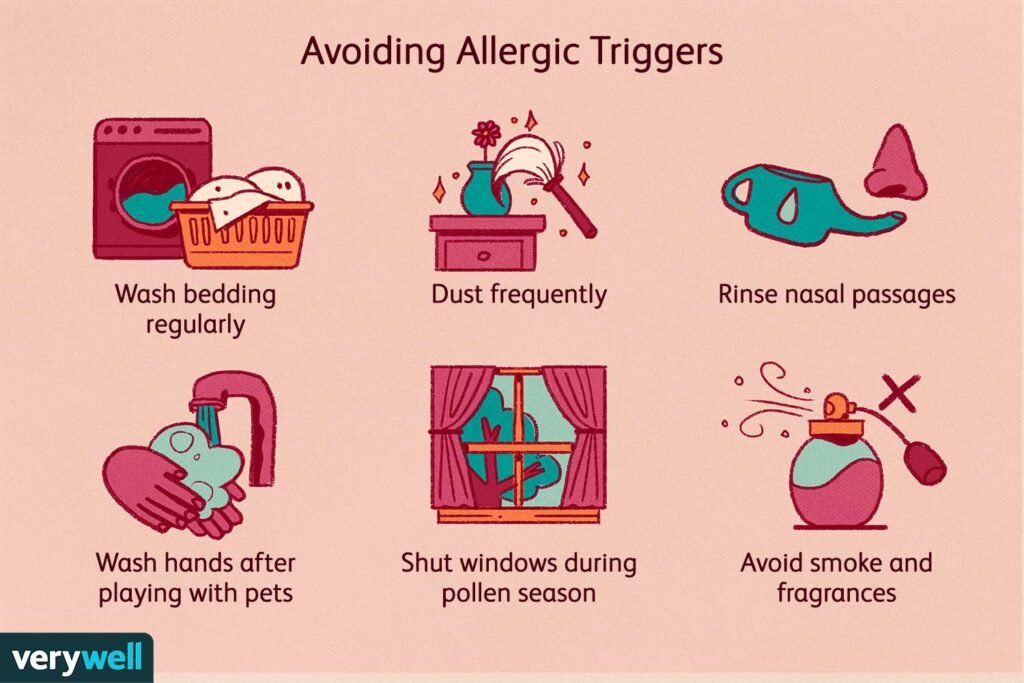
Taking precautions to prevent allergic reactions is essential to manage allergies and minimize their impact on your daily life. Here are some precautions you can adopt:
Avoidance of Allergens
Identify the allergens that trigger your allergies and make a conscious effort to avoid them. This may involve staying away from pollen-heavy areas, keeping pets out of certain rooms, using dust mite-proof covers on pillows and mattresses, and avoiding specific foods if you have known food allergies.
Maintaining a Clean Environment
Keeping your living space clean can help reduce allergens. Regularly dusting surfaces, vacuuming carpets, and washing bedding at high temperatures can help eliminate dust mites and pet dander. Consider using a high-efficiency particulate air (HEPA) filter in your vacuum cleaner or air purifier to trap allergens effectively.
Proper Hygiene Practices
Practicing good hygiene can prevent allergens from coming into contact with your skin or entering your body. Wash your hands frequently, especially before meals, to remove potential allergens. If you are allergic to certain substances, such as latex or certain metals, avoid contact with them as much as possible.
Regular Exercise
Engaging in regular physical activity can help improve your overall health and strengthen your immune system. Exercise has been shown to reduce the risk of allergies and alleviate symptoms in individuals already affected by allergies. Incorporate activities like walking, running, cycling, or swimming into your routine to support your immune system’s ability to fight allergens.
Balanced Diet
A well-balanced diet rich in fruits, vegetables, whole grains, and lean proteins can boost your immune system and help manage allergies. Certain foods, such as those high in antioxidants and omega-3 fatty acids, have anti-inflammatory properties that may reduce allergy symptoms. Consult with a healthcare professional or a dietitian for personalized dietary recommendations.
Hydration
Staying hydrated is essential for maintaining optimal immune function. Drinking an adequate amount of water throughout the day can help keep nasal passages moisturized and reduce nasal congestion caused by allergies. Avoid excessive consumption of caffeinated or sugary beverages, as they can dehydrate the body.
Using Air Filtration Systems
Consider using air filtration systems, such as HEPA filters, in your home or workplace to remove allergens from the air. These filters can help trap pollen, dust mites, pet dander, and other airborne allergens, improving indoor air quality and reducing allergen exposure.
Wearing Protective Gear
If your occupation or hobbies involve exposure to allergens, wearing appropriate protective gear can help minimize contact. For example, wearing gloves, masks, or goggles can prevent direct contact with allergenic substances and reduce the risk of developing allergies.
Avoiding Smoking and Secondhand Smoke
As mentioned earlier, exposure to tobacco smoke can worsen existing allergies and trigger new ones. Avoid smoking and minimize exposure to secondhand smoke. Supportive measures such as smoking cessation programs, nicotine replacement therapy, or counseling can help in quitting smoking.
Regular Medical Check-ups
Regular check-ups with a healthcare professional can aid in the early detection and management of allergies. Discuss your allergy symptoms, triggers, and any concerns you may have with your healthcare provider who can provide appropriate advice, treatment options, and preventive measures.
By being aware of the risk factors for allergies and taking necessary precautions, you can effectively manage and reduce the impact of allergies on your daily life. Remember to consult with a healthcare professional for personalized guidance and treatment options. Stay proactive in your approach towards managing allergies, and enjoy a healthier, more comfortable life.
