Age-related macular degeneration (AMD) is a common eye condition that affects millions of people worldwide. In this article, we will explore the various risk factors associated with AMD and discuss some precautions that can be taken to help prevent or slow down its progression. By understanding these factors and taking the necessary steps, you can better protect your vision and reduce your risk of developing this degenerative eye disease. So, let’s dive in and explore the important information regarding AMD and how to safeguard your eye health.

Risk Factors for Age-Related Macular Degeneration
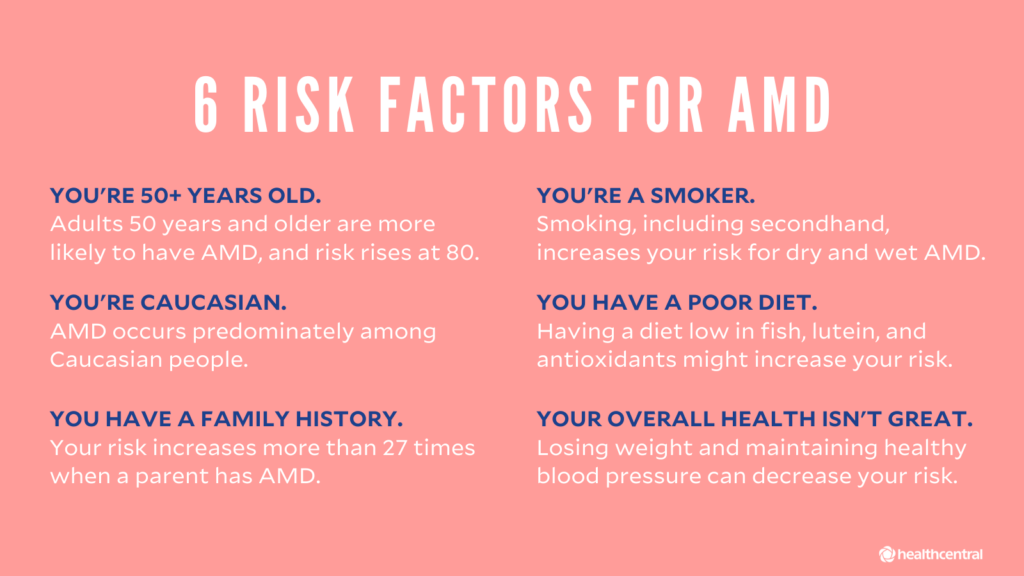
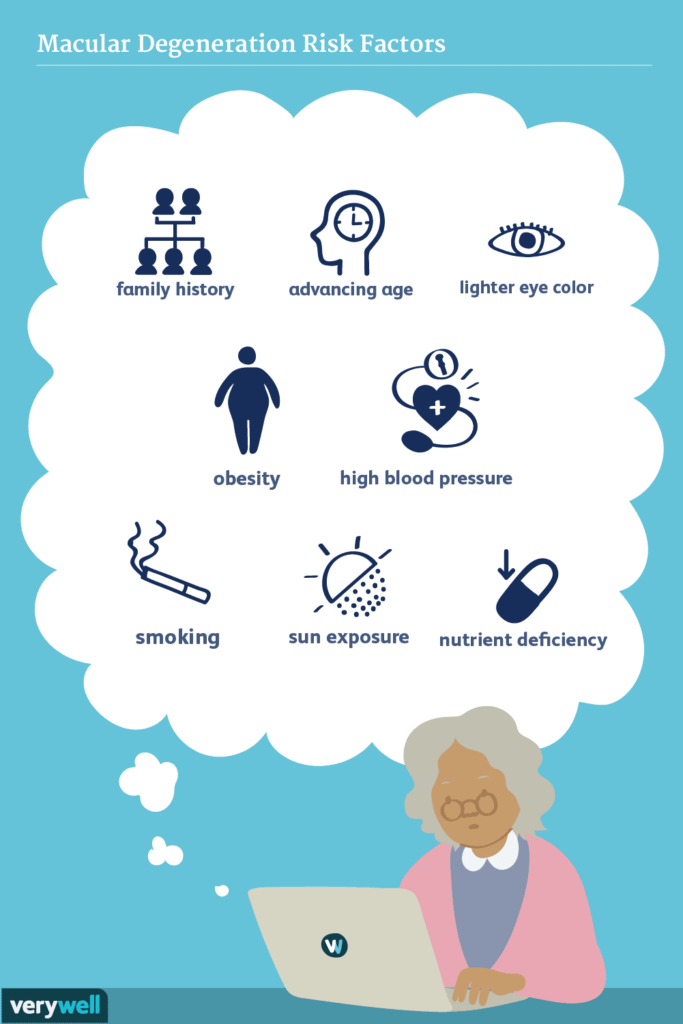
Age, genetics, smoking, obesity, race and ethnicity, family history, gender, cardiovascular disease, hypertension, and high cholesterol are all risk factors that can contribute to the development and progression of age-related macular degeneration (AMD). It is important to be aware of these factors and take necessary precautions to minimize the risk of developing this vision-threatening condition.
Age
One of the most significant risk factors for AMD is age. As you get older, your risk of developing this condition increases. While AMD can occur in people in their 50s or 60s, the risk rises significantly after the age of 65. Individuals in their 80s and 90s are particularly vulnerable to developing AMD.
Genetics
Your genetic makeup can also play a role in determining your risk of developing AMD. Family history and inheritance patterns can influence the likelihood of developing the condition. If you have a close relative, such as a parent or a sibling, who has been diagnosed with AMD, your risk of developing the condition yourself is higher.
Smoking
It is well-established that smoking is a risk factor for various health problems, including AMD. The link between smoking and AMD is significant, with smokers being two to three times more likely to develop the condition compared to non-smokers. Smoking can have detrimental effects on the macula, the central part of the retina responsible for sharp vision, and can accelerate the progression of AMD.
Obesity
Obesity is not only a risk factor for cardiovascular diseases and diabetes but also for AMD. Research has shown that individuals who are overweight or obese have an increased risk of developing AMD. Obesity can contribute to the progression of the disease, as it promotes inflammation and can negatively impact the blood vessels in the retina.
Race and Ethnicity
Certain races and ethnicities have a higher risk of developing AMD. Studies have found that individuals of Caucasian descent are more susceptible to AMD compared to those of African, Asian, or Hispanic descent. The reasons behind these racial and ethnic disparities are not yet fully understood and require further research.
Family History
Family history, as mentioned earlier, can play a role in the development of AMD. If you have a parent or sibling who has been diagnosed with AMD, you are at a higher risk of developing the condition. This suggests that shared genetic and environmental factors within families can predispose individuals to AMD.
Gender
Gender differences have also been observed in the risk of AMD. Women have a slightly higher risk of developing AMD compared to men. Some studies suggest that hormonal factors, such as the decline in estrogen levels after menopause, may contribute to this increased risk in women. However, more research is needed to further understand the underlying mechanisms.
Cardiovascular Disease
There is a notable association between AMD and cardiovascular disease. Individuals with conditions like high blood pressure, heart disease, and stroke have an increased risk of developing AMD. Shared risk factors and pathways, such as inflammation and oxidative stress, may contribute to this association. It is crucial to manage cardiovascular health to reduce the risk of developing AMD.
Hypertension
High blood pressure, or hypertension, is a risk factor for AMD. Uncontrolled hypertension can lead to damage to the blood vessels in the retina, potentially contributing to the development and progression of the condition. Regular blood pressure monitoring and appropriate management are important for maintaining retinal health and minimizing the risk of AMD.
High Cholesterol
Elevated levels of cholesterol, specifically high levels of LDL cholesterol (commonly referred to as “bad” cholesterol), are associated with an increased risk of AMD. High cholesterol can contribute to the formation of cholesterol deposits in the blood vessels of the retina, impairing blood flow and potentially leading to AMD. Managing cholesterol levels through a healthy diet, regular exercise, and medication if necessary can help reduce the risk.
Protective Eyewear
In addition to understanding the risk factors for AMD, it is essential to take precautions to protect your eyes and maintain good eye health.
UV Protection
Exposure to ultraviolet (UV) radiation from the sun can increase the risk of developing AMD. Wearing sunglasses with 100% UV protection when outdoors can help shield your eyes from harmful UV rays. Additionally, broad-brimmed hats and staying in the shade can provide further protection.
Blue Light Filtering
Increasingly, people are spending more time in front of digital screens, such as those of computers, smartphones, and tablets. The blue light emitted by these devices can potentially contribute to eye strain and impact retinal health. Using blue light-filtering glasses or applying screen protectors with blue light-filtering capabilities can help minimize the potential negative effects.
Preventing Eye Strain
Prolonged periods of reading, writing, or using digital screens can strain your eyes, especially if you are not using proper lighting or taking regular breaks. To prevent eye strain, ensure adequate lighting when reading or working, take frequent breaks to rest your eyes, and practice the 20-20-20 rule – every 20 minutes, look at something 20 feet away for 20 seconds.
By understanding the risk factors associated with AMD and taking appropriate precautions, you can empower yourself to protect your vision and reduce the likelihood of developing age-related macular degeneration. Remember to consult with an eye care professional for personalized guidance and regular eye examinations to detect any early signs of AMD.