
In this article, you will find valuable information about the risk factors associated with AIDS and the precautions that can help protect you and those around you. Understanding the factors that contribute to the spread of the virus is crucial in preventing its transmission. By taking the necessary precautions and being aware of the risks, you can play a part in maintaining a healthier and safer community for everyone. Let’s explore the key aspects of risk factors and precautions for AIDS.
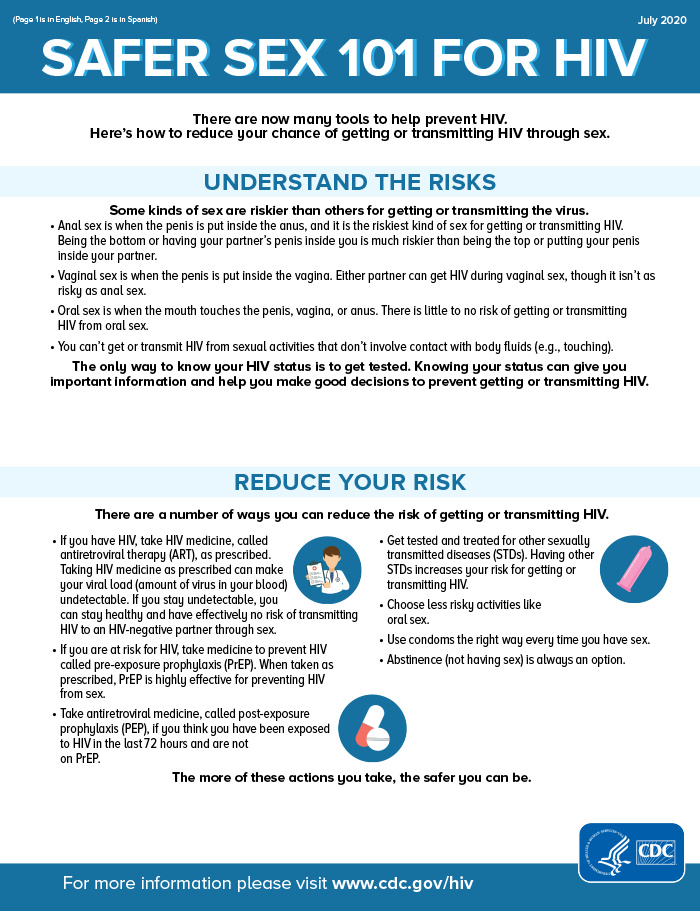
Risk Factors for AIDS
Unprotected Sexual Intercourse
Engaging in unprotected sexual intercourse is one of the primary risk factors for contracting AIDS. When you have sex without using condoms or other barrier methods, you are putting yourself at a higher risk of coming into contact with HIV, the virus that causes AIDS. It is essential to remember that HIV can be transmitted through vaginal, anal, or oral sex, so practicing safe sex is crucial in preventing the spread of the virus.
Multiple Sexual Partners
Having multiple sexual partners increases your chances of coming into contact with someone who is infected with HIV. The more sexual partners you have, the higher the risk of exposure to the virus becomes. Engaging in sexual activity with different individuals can make it more difficult to know their HIV status, as some people may not be aware that they are infected. By limiting your sexual partners, you can reduce the risk of contracting AIDS.
Sexually Transmitted Infections (STIs)
Having another sexually transmitted infection, such as syphilis, gonorrhea, or chlamydia, can increase your vulnerability to HIV infection. These infections can cause sores or ulcers, which provide an entry point for the HIV virus. Additionally, some STIs can lead to inflammation and weaken the immune system, making it easier for HIV to take hold in your body. Therefore, it is crucial to get tested and treated for STIs to reduce your risk of contracting AIDS.
Sharing Needles or Syringes
Sharing needles or syringes with others who inject drugs is an extremely high-risk behavior for contracting HIV. When needles or syringes are shared, blood can be passed from one person to another, potentially containing the virus. It is essential to use clean needles each time you inject drugs and ensure that you do not share your equipment with others. Access to sterile needles and harm reduction programs can significantly reduce the risk of HIV transmission.
Mother-to-Child Transmission
Pregnant women living with HIV can pass the virus to their babies during childbirth, breastfeeding, or through prenatal transmission. Without preventive measures, the chances of mother-to-child transmission range from 15 to 45 percent. However, with appropriate medical care and interventions, this rate can be significantly reduced. Early prenatal care, HIV testing, and antiretroviral therapy can greatly diminish the risk of mother-to-child transmission.
Blood Transfusions and Organ Transplants
Although the risk of transmitting HIV through blood transfusions and organ transplants is extremely low in countries with well-established screening procedures, there is still a risk if proper precautions are not followed. It is essential to ensure that blood and organ donors are screened for HIV and other infectious diseases to minimize the risk of transmission. Moreover, strict adherence to universal precautions, such as using sterile equipment, is essential during procedures involving blood or organ transplantation.
Lack of Access to Healthcare
Lack of access to healthcare services is a significant risk factor for AIDS. Without proper medical resources, individuals may not have the necessary information, testing, or treatment options available to them. Inadequate access to healthcare can hinder HIV prevention efforts, delay diagnosis, and limit treatment accessibility, leading to increased risks of transmission and poorer health outcomes. Increasing access to healthcare is vital in preventing and managing AIDS.
Substance Abuse
Substance abuse, particularly injection drug use, significantly increases the risk of contracting HIV. Drug users often engage in risky behaviors, such as sharing needles or having unprotected sex, which puts them at high risk of HIV infection. Substance abuse treatment programs and harm reduction strategies, such as needle exchange programs, are essential in reducing drug-related HIV transmission. Offering support, education, and rehabilitation services can help individuals overcome substance abuse and lower the risk of AIDS transmission within this population.
Sexual Violence
Sexual violence, including rape and sexual assault, can increase the risk of acquiring HIV. Victims of sexual violence may experience injuries or tears in the genital area, making it easier for HIV to enter the bloodstream. It is essential to address sexual violence by promoting comprehensive sex education, advocating for consent and respect, and providing support systems for survivors. By addressing this underlying risk factor, we can reduce the risk of HIV transmission resulting from sexual violence.
Geographical Location
The prevalence of HIV/AIDS can vary significantly based on geographical location. Certain regions, such as sub-Saharan Africa and the Caribbean, have higher rates of HIV infection due to a combination of social, economic, and cultural factors. Factors such as poverty, lack of education, gender inequality, limited access to healthcare, and cultural norms can all contribute to the higher prevalence rates in these areas. Increasing awareness, promoting prevention strategies, and providing targeted interventions in high-risk geographical locations are crucial in combating the spread of AIDS.
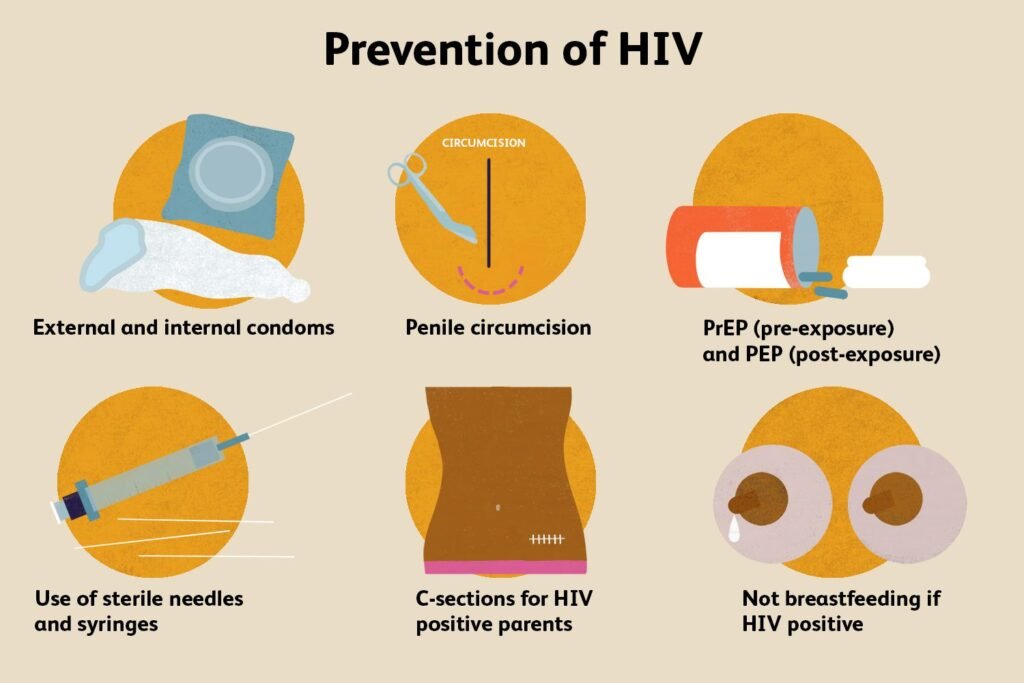
Precautions for AIDS
Practice Safe Sex
One of the most effective ways to prevent the transmission of HIV is by practicing safe sex. Using condoms consistently and correctly can significantly reduce the risk of HIV infection during sexual intercourse. It is important to educate yourself and your partner on proper condom use and make it a regular part of your sexual routine. Additionally, consider using dental dams or other barrier methods for oral sex to further reduce the risk of transmission.
Limit Sexual Partners
Reducing the number of sexual partners you have can help reduce the risk of contracting HIV. By limiting your sexual partners, you decrease your chances of coming into contact with someone who may be infected with HIV. Building a committed and monogamous relationship with a partner who has been tested and is HIV-negative can significantly reduce your risk of infection, provided both partners remain faithful and practice safe sex consistently.
Use Barrier Methods of Contraception
Using barrier methods of contraception, such as condoms or dental dams, can offer an additional layer of protection against HIV transmission during sexual activity. These methods act as a physical barrier, preventing the exchange of bodily fluids and reducing the risk of the virus spreading. It is important to use them consistently and correctly to ensure maximum effectiveness in preventing HIV transmission.
Get Tested and Treated for STIs
Regularly getting tested for sexually transmitted infections and seeking proper treatment if diagnosed is an important precautionary measure to prevent the spread of HIV. By knowing your STI status, you can take appropriate steps to protect yourself and your sexual partners. Additionally, treating STIs promptly can help reduce the risk of complications that weaken the immune system and increase vulnerability to HIV infection.
Avoid Sharing Needles or Syringes
If you use injectable drugs, it is crucial to never share needles or syringes with others. Always use sterile equipment and ensure proper disposal. Sharing needles is an extremely high-risk behavior for HIV transmission. If you are unable to access clean needles, needle exchange programs can provide you with sterile equipment and resources to protect yourself from HIV and other bloodborne infections.
Take Precautions During Blood Transfusions and Organ Transplants
When undergoing blood transfusions or organ transplants, it is essential to ensure that the blood and organs being used have been thoroughly screened for HIV and other infectious diseases. It is equally important for healthcare providers to follow universal precautions, such as using sterilized equipment and proper infection control measures, to prevent the transmission of HIV during these medical procedures.
Prevent Mother-to-Child Transmission
Pregnant women living with HIV can take precautions to prevent transmitting the virus to their babies. Seeking early prenatal care, getting tested for HIV, and receiving antiretroviral therapy can significantly reduce the risk of mother-to-child transmission. Additionally, opting for safer delivery methods, such as caesarean section and avoiding breastfeeding, can further minimize the chances of transmission.
Increase Access to Healthcare
Improving access to healthcare services is crucial in preventing and managing AIDS. By ensuring that individuals have access to HIV testing, counseling, treatment, and support services, we can effectively reduce the transmission of the virus. It is important to address barriers to healthcare, such as affordability, distance, and stigma, and provide comprehensive care that reaches all individuals, regardless of their socioeconomic status or geographical location.
Promote Substance Abuse Treatment and Education
Substance abuse treatment programs play a pivotal role in reducing the risk of HIV transmission associated with drug use. These programs provide individuals with resources to overcome addiction, including harm reduction strategies, such as needle exchange programs, that aim to prevent the spread of HIV among drug users. By offering comprehensive substance abuse education, support services, and access to treatment, we can help individuals make informed choices and reduce the risk of AIDS.
Address Sexual Violence
To prevent the spread of HIV, it is essential to address the issue of sexual violence. Promoting comprehensive sex education, consent, and respect can help create a culture where sexual violence is not tolerated. Additionally, supporting survivors of sexual violence through counseling, empowerment programs, and access to healthcare can help address the physical and psychological consequences of such trauma and decrease the risk of HIV transmission resulting from sexual violence.
Raise Awareness in High-Risk Geographical Locations
High-risk geographical locations, especially regions with high HIV/AIDS prevalence rates, require targeted awareness campaigns and interventions. Addressing the social, economic, and cultural factors that contribute to the spread of AIDS in these areas is crucial. By providing comprehensive education, increasing access to healthcare services, promoting prevention strategies, and reducing stigma, we can make a significant impact in combating AIDS in high-risk geographical locations.
In conclusion, understanding the risk factors for AIDS and taking the necessary precautions are vital in preventing the transmission and spread of HIV infection. By practicing safe sex, limiting sexual partners, using barrier methods of contraception, getting tested and treated for STIs, avoiding sharing needles, and improving access to healthcare, we can significantly reduce the prevalence of AIDS. Additionally, addressing specific risk factors such as mother-to-child transmission, substance abuse, sexual violence, and geographical location will contribute to a more effective response in preventing and managing AIDS globally. It is essential to prioritize awareness, education, and supportive interventions to ensure healthier communities and a brighter future for all.
