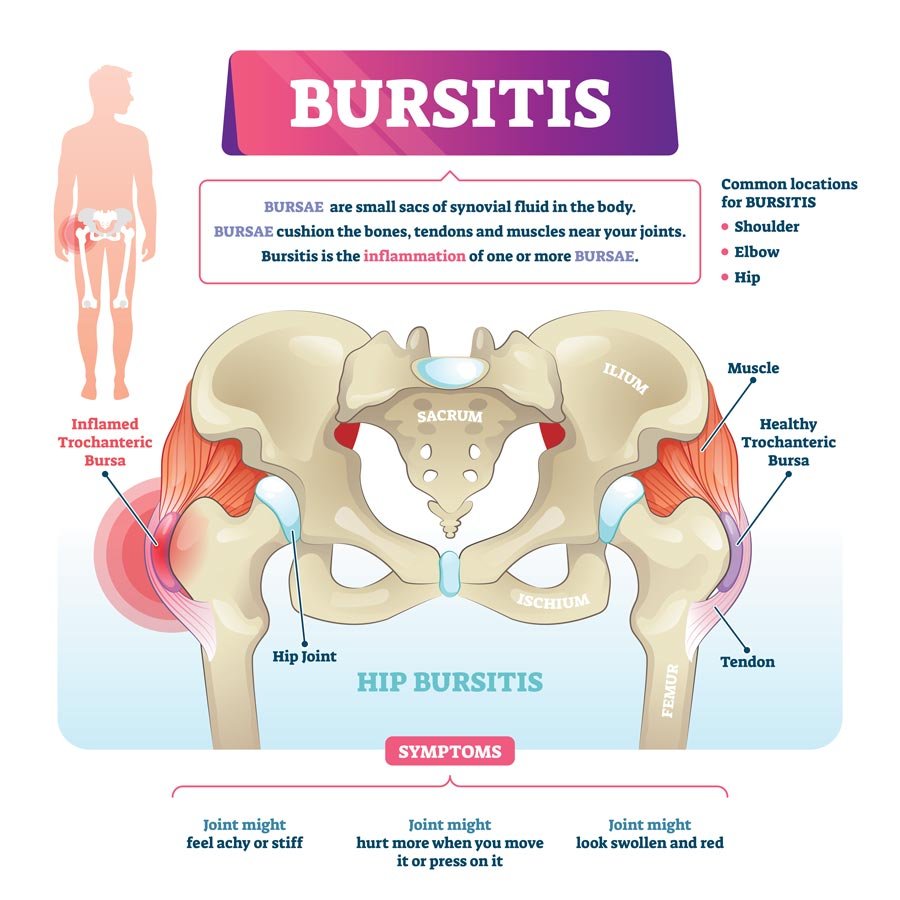
Bursitis, a painful condition involving inflammation of the fluid-filled sacs in your joints, can be an unwelcome disruption to your daily activities. In this article, we will explore the various risk factors that can contribute to the development of bursitis, as well as the precautions you can take to minimize your chances of experiencing this uncomfortable ailment. From identifying common triggers to implementing preventative measures, we aim to provide you with the necessary knowledge to keep bursitis at bay and enjoy a life free from joint discomfort. So sit back, relax, and let’s dive into the world of bursitis risk factors and precautions!
Risk Factors for Bursitis
Bursitis is a condition characterized by the inflammation of the fluid-filled sacs called bursae, which cushion and reduce friction between bones, tendons, and muscles. While anyone can develop bursitis, certain risk factors increase the likelihood of developing this painful condition. By understanding these risk factors, you can take appropriate precautions to prevent or minimize the risk of bursitis.
Age
As you age, the risk of developing bursitis increases. This is because the bursae tend to lose their elasticity and become more susceptible to inflammation. Older adults may also experience degenerative changes in their bones and joints, which can lead to bursitis. However, age alone does not determine if you will develop bursitis. By incorporating certain precautions into your daily routine, you can reduce the risk associated with age.
Occupation and Lifestyle
Your occupation and lifestyle play a significant role in the development of bursitis. Occupations that involve repetitive motions or prolonged periods of kneeling, such as carpentry, plumbing, gardening, or cleaning, can increase the risk of bursitis. Similarly, engaging in sports or activities that involve repetitive movements, such as running, tennis, or baseball, can also contribute to bursitis. Being aware of these factors can help you modify your work or leisure activities to minimize the risk.
Poor Posture and Body Mechanics
Maintaining poor posture or practicing incorrect body mechanics can increase the strain on your joints and bursae. Poor posture can lead to an imbalance in muscle strength, causing undue stress on certain areas, including the bursae. Similarly, improper body mechanics during activities like lifting heavy objects or performing repetitive movements can overload the bursae, leading to inflammation. By focusing on maintaining good posture and using correct body mechanics, you can reduce the risk of bursitis.
Repetitive Movements
Repetitive movements, such as typing, sewing, or assembly line work, increase the risk of bursitis. These activities can cause excessive pressure and friction on the bursae, leading to inflammation and pain. It is important to incorporate breaks, stretch, and vary your movements to avoid overuse of specific muscles and bursae. By taking regular breaks and incorporating different tasks into your routine, you can lower the risk associated with repetitive movements.
Previous Injury
Previous injuries to the affected joint or surrounding structures can increase the likelihood of developing bursitis. Injuries like sprains, fractures, or dislocations can alter the biomechanics of the joint, leading to an increased stress on the bursae. The altered mechanics can strain the bursae, making them more susceptible to inflammation and bursitis. If you have had previous injuries, it is crucial to take precautionary steps to protect the affected joint from developing bursitis.
Certain Diseases
Certain underlying medical conditions can increase the risk of developing bursitis. These include inflammatory conditions like rheumatoid arthritis, gout, or systemic lupus erythematosus, which can directly affect the joints and bursae. Chronic conditions like diabetes and kidney disease can also contribute to bursitis by weakening the body’s immune system and increasing the risk of infections. It is important to manage these diseases effectively and work closely with your healthcare provider to prevent or manage bursitis.
Obesity
Excess body weight can put increased stress on your joints, including the bursae, increasing the risk of bursitis. The additional weight can overload the bursae, leading to inflammation and pain. Additionally, obesity is often associated with an unhealthy lifestyle, including poor posture and limited physical activity, which can further exacerbate the risk of bursitis. By maintaining a healthy weight through proper nutrition and regular exercise, you can reduce the strain on your joints and lower the risk of bursitis.
Muscle Weakness
Muscle weakness can contribute to the development of bursitis by placing excessive stress on the bursae. Weak muscles are unable to adequately support and stabilize the joints, leading to increased friction and pressure on the bursae. By strengthening the muscles surrounding the affected joint through targeted exercises, you can enhance joint stability and reduce the risk of bursitis. Regular strength training routines under proper guidance can be highly beneficial in preventing muscle weakness-induced bursitis.
Joint Instability
Joint instability, whether due to genetics, previous injuries, or underlying medical conditions, can increase the risk of bursitis. Instability compromises the joint’s ability to maintain proper alignment and forces, thus predisposing the bursae to inflammation and injury. Wearing appropriate supportive braces, practicing physical therapy exercises to improve joint stability, or consulting a healthcare professional can help minimize the risk associated with joint instability.
Inadequate Warm-Up
Failing to adequately warm up before physical activity can significantly increase the risk of bursitis. A proper warm-up routine prepares the body for activity by increasing blood flow, oxygen uptake, and muscle flexibility. Neglecting to warm up properly can strain the joints and bursae due to sudden, unprepared movements. Prioritizing a comprehensive warm-up routine, including dynamic stretching, light aerobic exercises, and joint mobilization, can effectively reduce the risk of bursitis.
Precautions to Prevent Bursitis
While certain risk factors for bursitis may be beyond your control, there are several precautions you can take to prevent the onset or recurrence of bursitis. By incorporating these precautions into your daily routine, you can protect your joints and reduce the risk of developing bursitis.
Maintaining Proper Posture
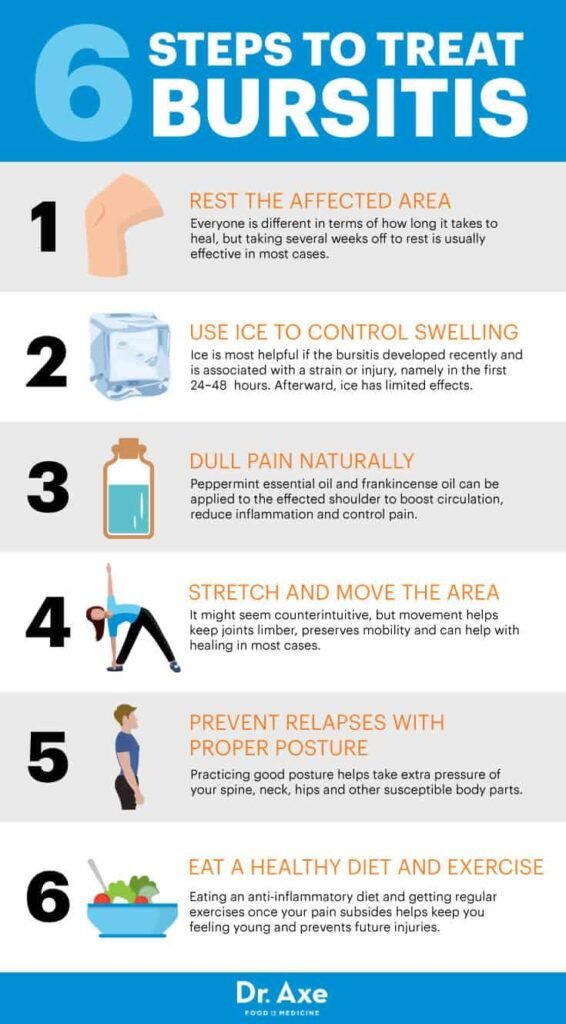
Maintaining proper posture is crucial for preventing bursitis. When sitting or standing, make sure to keep your spine aligned, shoulders relaxed, and avoid slouching or hunching forward. Use ergonomic chairs and pillows to support your back and neck. By maintaining good posture, you can minimize excessive strain on your joints and reduce the risk of bursitis.
Using Ergonomic Equipment
Using ergonomic equipment can significantly reduce the risk of bursitis, especially for individuals with jobs that require prolonged sitting or repetitive movements. Invest in an ergonomic chair and workstation setup that supports proper posture. Use ergonomic tools, such as keyboard and mouse, which are designed to reduce strain on the joints. These adjustments can help distribute weight evenly and minimize stress on the bursae.
Taking Regular Breaks
Taking regular breaks from repetitive tasks or prolonged postures is essential to minimize the risk of bursitis. Whether at work or during physical activity, scheduling regular breaks allows your body to rest and recover. During breaks, incorporate stretches or movements that target the affected joints and bursae. This helps prevent overuse and reduces the risk of developing bursitis.
Avoiding Repetitive Movements
To prevent bursitis, it is crucial to avoid or minimize repetitive movements that put excessive stress on the joints and bursae. If your occupation or hobbies involve tasks with repetitive motions, try to modify your technique or seek alternative ways to perform the task. By introducing variety and avoiding prolonged repetitive movements, you can reduce the strain on your bursae and decrease the risk of bursitis.
Using Proper Lifting Techniques
Improper lifting techniques can place excessive strain on your joints and bursae, increasing the risk of bursitis. When lifting heavy objects, make sure to bend your knees, keep your back straight, and lift with your legs. Avoid twisting or jerking motions while lifting, as they can contribute to injury and inflammation. By using proper lifting techniques, you can protect your joints and minimize the risk of bursitis.
Warming Up and Stretching
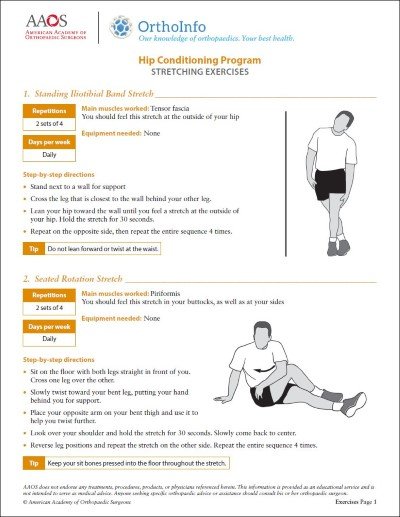
A comprehensive warm-up routine and stretching session are essential for preventing bursitis. Prior to physical activity, engage in light aerobic exercises to increase heart rate and blood flow. Follow this with dynamic stretches that target the relevant muscle groups and joints. This helps prepare the body for activity, improves joint mobility, and prevents strain on the bursae. Incorporate stretching exercises into your daily routine to maintain flexibility and reduce the risk of bursitis.
Strengthening Muscles
Strengthening the muscles surrounding the affected joint can provide added support and stability, reducing the risk of bursitis. Incorporate strength training exercises that target the muscles around the joints prone to bursitis. Focus on exercises that improve muscle endurance, balance, and joint alignment. By strengthening the surrounding muscles, you can minimize excessive stress on the bursae and lower the risk of bursitis.
Avoiding Overuse
To prevent bursitis, it is crucial to avoid overusing the affected joints and bursae. Pay attention to your body’s signals of pain, discomfort, or fatigue and modify your activities accordingly. If you feel any pain or swelling in a specific joint, give it ample time to rest and recover. By allowing proper rest and avoiding overuse, you can minimize the risk of developing bursitis.
Managing Joint Stability
Proactively managing joint stability can significantly reduce the risk of bursitis. If you have pre-existing joint instability, consider wearing supportive braces or using assistive devices to provide additional stability. Engage in regular physical therapy exercises that target joint strengthening and proprioceptive training. By focusing on joint stability, you can protect your bursae and lower the risk of bursitis.
Monitoring Weight
Maintaining a healthy weight is crucial for preventing bursitis, as excess body weight places increased stress on the joints and bursae. Monitor your weight through a balanced and nutritious diet and engage in regular physical activity to achieve or maintain a healthy weight. By managing your weight effectively, you can reduce the strain on your joints and lower the risk of bursitis.
In conclusion, while certain risk factors may increase the likelihood of developing bursitis, there are numerous precautions you can take to prevent or minimize the risk of this painful condition. By incorporating these precautions into your daily routine, such as maintaining proper posture, using ergonomic equipment, taking regular breaks, avoiding repetitive movements, using proper lifting techniques, warming up and stretching, strengthening muscles, avoiding overuse, managing joint stability, and monitoring weight, you can protect your joints and reduce the risk of bursitis. Remember to consult with a healthcare professional for personalized advice and guidance on preventing bursitis based on your individual circumstances.