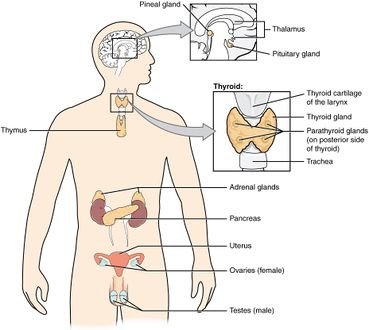
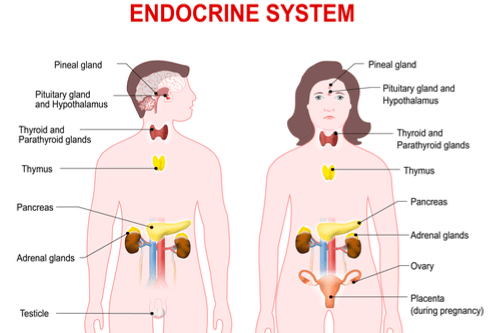
In this article, we will explore the risk factors and precautions associated with endocrine system disorders. The endocrine system plays a crucial role in regulating our body’s hormone production and maintaining overall health. By understanding the various risk factors that can contribute to these disorders, we can take necessary precautions to prevent their occurrence and manage any potential complications. Join us as we delve into the world of endocrine system disorders and discover how we can protect our well-being.
Risk Factors for Endocrine System Disorders
The endocrine system plays a crucial role in maintaining the body’s overall hormonal balance, regulating various bodily functions, and supporting overall health and well-being. However, certain risk factors can increase the likelihood of developing endocrine system disorders. Understanding these risk factors and taking necessary precautions can help reduce the chances of facing such health issues.
Genetics
One of the primary risk factors for endocrine system disorders is genetics. Family history plays a crucial role in determining an individual’s predisposition to certain disorders. If someone in your immediate family, such as parents or siblings, has been diagnosed with an endocrine system disorder, you might have an increased risk of developing the same condition. Genetic mutations can also contribute to the development of certain endocrine disorders. Therefore, it is essential to be aware of your family history and genetic predisposition to take appropriate precautions.
Age
Age is another significant risk factor for endocrine system disorders. Different stages of life pose different risks and can lead to various hormonal imbalances. Infants and children may be more prone to congenital endocrine disorders, while adolescents can experience hormonal fluctuations during puberty. As adults, factors such as stress, lifestyle choices, and hormonal changes during pregnancy can impact the endocrine system. In the elderly population, age-related hormonal changes and declining organ function can increase the risk of endocrine disorders. It is essential to be mindful of the age-related risks and undergo regular check-ups to monitor any abnormalities.
Gender
Gender can also influence the risk of developing endocrine system disorders. Certain disorders, such as polycystic ovary syndrome (PCOS), are more common in females. It is important for both males and females to be aware of the potential risks associated with their gender and take appropriate preventive measures.
Environmental Factors
Environmental factors can significantly impact the endocrine system and increase the risk of developing disorders. Exposure to toxins, such as pesticides, pollutants, and certain industrial chemicals, can disrupt the hormonal balance in the body. Additionally, certain medications, such as corticosteroids and hormones, can also affect the endocrine system. Lastly, radiation exposure, whether from medical procedures or environmental sources, can contribute to hormonal imbalances. It is crucial to minimize exposure to toxins, handle medications and chemicals with care, and be mindful of radiation exposure.
Precautions to Prevent Endocrine System Disorders
While certain risk factors may be beyond our control, there are precautions we can take to minimize the chances of developing endocrine system disorders. By adopting a healthy lifestyle and making conscious choices, we can promote a well-functioning endocrine system.
Regular Exercise
Engaging in regular exercise is not only beneficial for overall health but also plays a vital role in maintaining hormonal balance. Exercise helps regulate the production and distribution of hormones, improving their overall effectiveness. Regular physical activity can also reduce the risk of obesity, which is commonly associated with hormonal imbalances. Aim for a mix of cardiovascular exercises, strength training, and flexibility exercises to enjoy the full benefits of exercise. Ideally, incorporating moderate-intensity exercise for at least 150 minutes per week is recommended.
Healthy Diet
Maintaining a healthy diet is crucial for balanced hormonal function and overall well-being. A diet rich in nutrient-dense foods can support the endocrine system’s optimal functioning. Focus on consuming a variety of fruits, vegetables, whole grains, lean proteins, and healthy fats. These foods provide essential nutrients, vitamins, and minerals necessary for hormonal regulation. Avoid excessive consumption of processed foods, refined sugars, unhealthy fats, and excessive caffeine, as these can disrupt the endocrine system’s functioning.
Avoiding Exposure to Toxins
Reducing exposure to toxins is another important precaution to protect the endocrine system. Be vigilant about identifying and avoiding potential sources of toxins in your environment, such as harmful chemicals in cleaning products, personal care items, and pesticides. Opt for natural and eco-friendly alternatives whenever possible. Additionally, take steps to reduce environmental pollution by supporting sustainable practices and initiatives. Proper handling and disposal of medications and chemicals will also help minimize any potential harm to the endocrine system.
Hormonal Balance
Maintaining hormonal balance is crucial for overall health and well-being. Sometimes, despite taking precautions, hormonal imbalances can still occur. In such cases, it is important to seek appropriate medical intervention, such as hormone replacement therapy, under the guidance of a qualified healthcare professional. Hormone replacement therapy can help restore hormonal balance and alleviate symptoms associated with hormonal imbalances. Regular monitoring of hormone levels through blood tests can also help identify any abnormalities and allow for timely intervention.
In conclusion, understanding the risk factors associated with endocrine system disorders and taking necessary precautions can go a long way in promoting a healthy endocrine system. By being aware of your family history, age-related risks, gender-specific factors, and environmental exposures, you can make informed choices to protect your hormonal health. Engaging in regular exercise, adopting a healthy diet, and minimizing exposure to toxins further support the optimal functioning of the endocrine system. Remember to prioritize your health and seek professional medical advice whenever necessary to ensure your endocrine system remains in balance.