
Celiac Disease, a chronic autoimmune disorder that affects the small intestine, can lead to a range of unpleasant symptoms and complications. Understanding the risk factors associated with this condition is crucial in order to take necessary precautions. In this article, we will explore some of the common risk factors for celiac disease and discuss important precautions individuals can take to mitigate their risk. Whether you suspect you may be at risk or simply want to learn more about this condition, this article is a valuable resource to help you navigate the often confusing landscape of celiac disease.
Risk Factors for Celiac Disease
Celiac disease is an autoimmune disorder triggered by the consumption of gluten, a protein found in wheat, barley, and rye. While the exact cause of celiac disease is unknown, there are several risk factors that can increase your chances of developing the condition. By understanding these risk factors, you can take appropriate precautions to maintain your health and well-being.
Genetic predisposition
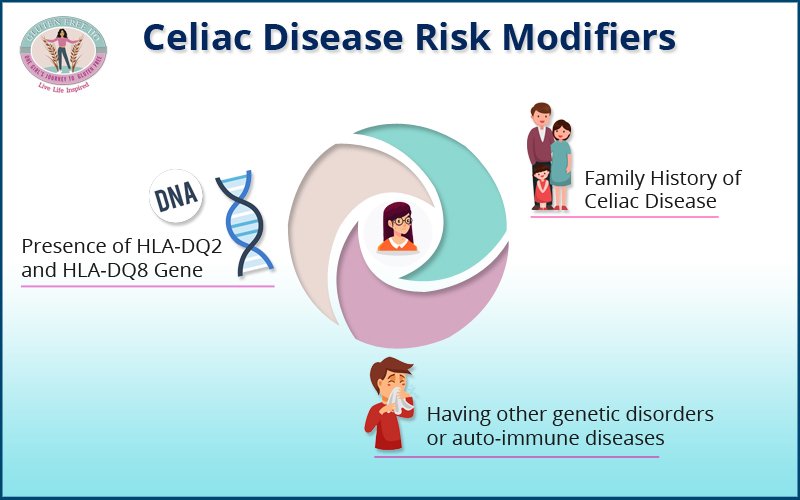
One of the primary risk factors for celiac disease is genetic predisposition. Certain genes, specifically human leukocyte antigen (HLA) genes, play a significant role in the development of celiac disease. Individuals who carry specific variants of these genes are more likely to develop the condition. Genetic testing can help determine if you have a genetic predisposition to celiac disease.
Family history
Having a family history of celiac disease also increases your risk. If one or more of your first-degree relatives, such as parents or siblings, have been diagnosed with celiac disease, your chances of developing the condition are significantly higher. Regular screenings and discussions with your family members can help identify potential risks early on.
Certain medical conditions
Several medical conditions are associated with an increased risk of celiac disease. Type 1 diabetes, autoimmune thyroid disease, Down syndrome, Turner syndrome, Williams syndrome, selective immunoglobulin A (IgA) deficiency, and dermatitis herpetiformis are all conditions that can predispose you to celiac disease. If you have any of these conditions, it is important to discuss your risk factors with your healthcare provider.
Age
Celiac disease can occur at any age, from infancy to adulthood. While the condition is commonly diagnosed in childhood, it can also appear for the first time during adulthood. Symptoms may vary depending on age, with children more likely to experience digestive issues and failure to thrive, while adults often exhibit symptoms such as fatigue, joint pain, and anemia. Regardless of age, it is essential to be aware of the risk factors and seek medical advice if symptoms arise.
Gender
Celiac disease is more prevalent in women than in men. While the reason behind this gender difference is not fully understood, researchers believe hormonal factors and differences in immune response may contribute to the higher incidence in women. Nonetheless, both men and women should be aware of the risk factors and take necessary precautions.
Ethnicity
Studies have shown that individuals of Caucasian and European descent have a higher risk of developing celiac disease compared to individuals of other ethnic backgrounds. The reason for this disparity is not entirely clear, but it may be related to specific genetic variations within these populations. If you belong to these ethnic groups, it is important to be mindful of the potential risk of celiac disease.
Autoimmune disorders
Having another autoimmune disorder increases the likelihood of developing celiac disease. Conditions such as rheumatoid arthritis, systemic lupus erythematosus, and autoimmune liver diseases have been associated with an increased risk of celiac disease. The shared immune dysfunction among these disorders may be a contributing factor. If you have any autoimmune disorder, it is crucial to discuss your risk of celiac disease with your healthcare provider and consider appropriate testing.
Digestive system issues
Individuals with certain digestive system issues are at a higher risk of developing celiac disease. Conditions such as irritable bowel syndrome (IBS), inflammatory bowel disease (IBD), and microscopic colitis have been linked to an increased prevalence of celiac disease. These gastrointestinal conditions may exacerbate the immune response to gluten, increasing the likelihood of developing celiac disease. If you have any of these digestive system issues, it is important to discuss your risk with your healthcare provider.
Pregnancy
Pregnancy can also impact the development of celiac disease. Women who have been pregnant multiple times or have had recurrent miscarriages may have an increased risk of developing celiac disease. Additionally, undiagnosed celiac disease during pregnancy can lead to complications such as malnutrition and low birth weight. If you are pregnant or planning to become pregnant, it is important to discuss your risk factors with your healthcare provider and consider appropriate testing.
Childbirth
Giving birth and breastfeeding may also influence the development of celiac disease. Research suggests that the introduction of gluten during breastfeeding or introducing solid foods containing gluten too early may increase the risk of celiac disease in genetically susceptible individuals. It is essential to discuss the appropriate timing of introducing gluten-containing foods to your child with your healthcare provider.
Precautions for Celiac Disease
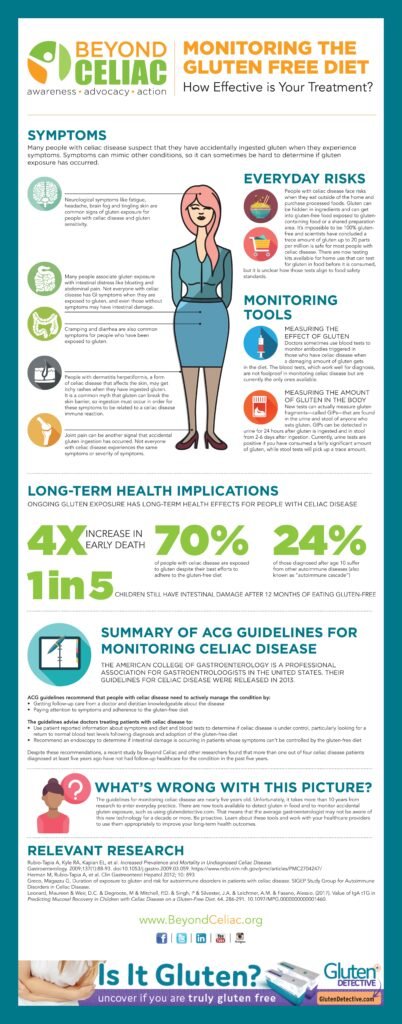
While celiac disease cannot be cured, there are several precautions you can take to manage the condition effectively and maintain your health. By adopting these precautions, you can minimize your exposure to gluten and reduce the risk of complications associated with celiac disease.
Gluten-free diet
The most crucial precaution for individuals with celiac disease is following a strict gluten-free diet. This involves avoiding all sources of gluten, including wheat, barley, and rye. Gluten is commonly found in bread, pasta, cereals, and processed foods. By diligently reading food labels and choosing gluten-free alternatives, you can eliminate gluten from your diet and prevent harm to your body.
Avoiding cross-contamination
Cross-contamination occurs when gluten-containing foods come into contact with gluten-free foods, utensils, or surfaces. To avoid cross-contamination, it is important to thoroughly clean all cooking utensils, cutting boards, and countertops before preparing gluten-free meals. Additionally, separate storage areas should be designated for gluten-free products to prevent accidental exposure.
Educating family and friends
Educating your family and friends about celiac disease is crucial for creating an understanding and supportive environment. By explaining the importance of a gluten-free diet and the potential consequences of gluten ingestion, your loved ones can assist in maintaining a safe and inclusive environment for you.
Reading food labels
Carefully reading food labels is essential to identify hidden sources of gluten. Gluten can be present in various forms, such as modified food starch, malt, and hydrolyzed vegetable protein. Familiarize yourself with these terms and ensure that products labeled as gluten-free are certified by reliable organizations. By being vigilant about reading food labels, you can make informed choices and minimize the risk of accidentally consuming gluten.
Communication with restaurants and food services
When dining out or ordering food from restaurants, it is important to communicate your dietary needs to the staff. Inform them of your gluten-free requirements and ask about gluten-free options on the menu. Educate them about cross-contamination concerns and inquire about their preparation methods to ensure a safe dining experience.
Managing stress and mental health
Living with a chronic condition like celiac disease can be challenging and may impact your mental well-being. It is important to prioritize self-care and manage stress effectively. Engaging in activities you enjoy, practicing relaxation techniques, and seeking support from loved ones or mental health professionals can help improve your emotional well-being.
Regular medical follow-ups
Regular medical follow-ups are crucial for monitoring your condition and identifying any potential complications. Your healthcare provider can assess your progress, conduct necessary tests, and address any concerns you may have. Regular monitoring can help ensure that your gluten-free diet is effectively managing your celiac disease and prevent any long-term consequences.
Vaccinations
While vaccinations are not a direct precaution for celiac disease, they play a significant role in overall health management. People with celiac disease may be at a higher risk of certain infections due to their compromised immune system. By staying up-to-date with vaccinations, you can reduce the risk of these infections and their potential impact on your health.
Genetic testing
Genetic testing can help identify if you have a genetic predisposition to celiac disease, even if you have not yet developed the condition. This information can be useful for family planning, as it can provide insights into the likelihood of your children developing the disease. By discussing genetic testing with your healthcare provider, you can make informed decisions regarding your health and the health of your family.
Support groups and counseling
Living with celiac disease can be challenging, both physically and emotionally. Seeking support from others who share similar experiences can provide invaluable guidance and encouragement. Joining support groups or attending counseling sessions can give you a platform to share your concerns, learn coping mechanisms, and build a strong support network.
In conclusion, understanding the risk factors for celiac disease and taking appropriate precautions is vital for maintaining your health and well-being. By closely following a gluten-free diet, educating your loved ones, and incorporating other precautions into your daily life, you can effectively manage your celiac disease and live a healthy, fulfilling life. Remember to consult with your healthcare provider for personalized advice and guidance throughout your journey with celiac disease.
