Excessive sweating, also known as hyperhidrosis, can be a frustrating and embarrassing condition that affects many individuals. In this article, we explore the various risk factors that contribute to excessive sweating and discuss the precautions that can help manage and alleviate this common problem. From understanding the role of genetics and medical conditions to exploring lifestyle factors and potential treatments, you will gain insights into how to effectively address excessive sweating and regain control over your daily life.
Risk Factors for Excessive Sweating
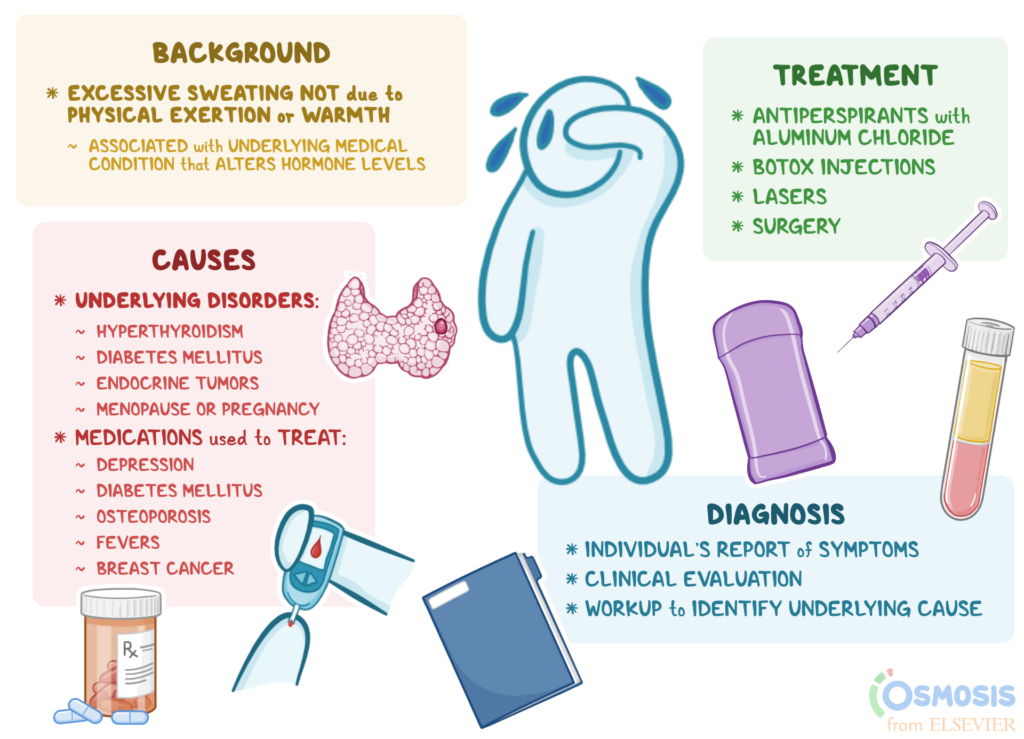
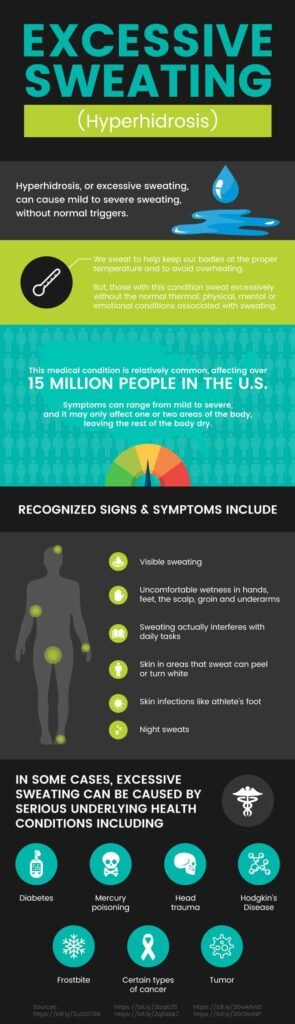
Excessive sweating, also known as hyperhidrosis, can be a discomforting and embarrassing condition for many individuals. While sweating is a normal bodily function that helps regulate body temperature, excessive sweating goes beyond the ordinary. There are several risk factors that can contribute to excessive sweating, including genetics, medical conditions, medications, hormonal changes, and obesity. Understanding these risk factors can help individuals pinpoint the underlying causes of their excessive sweating and find effective ways to manage the condition.
Genetics
One major factor that can contribute to excessive sweating is genetics. If you have a family history of hyperhidrosis, it increases the likelihood of developing the condition yourself. Sweating disorders can be inherited through the genes, making it more prevalent in certain families. This genetic predisposition can result in overactive sweat glands, leading to excessive sweating.
Medical Conditions
Certain medical conditions have been linked to excessive sweating. Individuals with hyperthyroidism, a condition characterized by an overactive thyroid gland, often experience excessive sweating as a symptom. Diabetes is another medical condition that can cause excessive sweating, particularly during episodes of low blood sugar. Menopause, a natural hormonal change in women, can also lead to increased sweating due to hormonal fluctuations. Heart disease, cancer, and infections can also contribute to excessive sweating as the body tries to regulate its temperature.
Medications
Some medications can give rise to excessive sweating as a side effect. Medications like antidepressants, antipyretics (fever-reducing drugs), antihypertensives (blood pressure medications), sulfonamides (an antibiotic class), opioids (painkillers), and hormone-based medications can all potentially lead to increased sweating. It’s important to consult with a healthcare professional if you suspect that your medication might be causing excessive sweating.
Hormonal Changes
Hormonal changes in the body can wreak havoc on the sweat glands, resulting in excessive sweating. Puberty is a time when hormones fluctuate significantly, leading to increased sweating in many individuals. Menstruation can also cause sweating due to hormonal shifts during the menstrual cycle. Additionally, pregnancy is known to cause changes in hormonal levels, which can lead to excessive sweating for some women. Understanding these hormonal triggers can help individuals better manage and cope with their excessive sweating.
Obesity
Obesity is not merely a cosmetic concern; it can also be a risk factor for excessive sweating. Increased body mass can lead to a higher metabolic rate and, subsequently, increased sweat production. The excess fat tissue can act as insulation, trapping heat in the body and making it harder for the body to regulate its temperature naturally. Losing weight through healthy lifestyle changes can help alleviate excessive sweating in individuals who are overweight or obese.
Now that we have explored the risk factors for excessive sweating, it’s essential to consider the precautions and measures that can be taken to manage and control the condition effectively.
Precautions for Excessive Sweating
If you find yourself struggling with excessive sweating, there are several precautions you can take to alleviate the symptoms and improve your quality of life. These precautions involve both lifestyle changes and medical treatments that can help reduce excessive sweating.
Antiperspirants
One of the first lines of defense against excessive sweating is to use antiperspirants. Antiperspirants work by blocking sweat ducts and reducing sweat production. They typically contain aluminum salts that form a gel-like plug in the sweat ducts, preventing sweat from reaching the skin’s surface. There are various types of antiperspirants available, including roll-ons, sticks, sprays, and gels. Choosing the right product and following proper application techniques can greatly improve the effectiveness of antiperspirants.
Clothing Choices
Opting for the right clothing can make a significant difference in managing excessive sweating. When it comes to choosing appropriate garments, breathable fabrics are key. Fabrics like cotton, linen, and moisture-wicking synthetic materials allow better airflow, reducing the chances of excessive sweating. Additionally, opting for loose-fitting clothes can promote air circulation and prevent sweat from pooling. Layering clothing is another effective strategy, as it allows for easy adjustment according to temperature changes. Dark-colored clothing can also help conceal sweat stains and provide a sense of confidence.
Avoid Triggers
Identifying and avoiding triggers that exacerbate excessive sweating is crucial in managing the condition. Certain triggers like spicy foods, caffeine, alcohol, and hot beverages can stimulate sweat production. It’s important to pay attention to your body’s response to different foods and activities and modify your lifestyle accordingly. By understanding your triggers and making mindful choices, you can significantly reduce excessive sweating.
Stress Management
Stress can have a profound impact on excessive sweating. When you’re stressed, the body’s sympathetic nervous system kicks into overdrive, leading to increased sweat production. Finding effective stress management techniques such as deep breathing exercises, meditation, yoga, or therapy can help regulate stress levels and reduce excessive sweating triggered by anxiety or stress.
Dietary Considerations
Certain dietary factors can influence sweating. Spicy foods, caffeine, and alcohol are known to increase body temperature and trigger sweating. On the other hand, foods rich in magnesium, such as leafy greens, nuts, and whole grains, can help regulate the nervous system and reduce excessive sweating. Including foods with high water content, like fruits and vegetables, can also help keep the body hydrated and potentially reduce sweating.
Medical Treatments
In more severe cases of excessive sweating, medical treatments may be necessary. Among the available medical treatments, iontophoresis and Botox injections have proven to be effective options.
Iontophoresis
Iontophoresis involves passing a mild electric current through water or a wet pad. The hands or feet are immersed in the water, and the electric current temporarily blocks sweat glands, reducing sweating. This treatment is relatively safe and can be performed at home with a specialized device or under healthcare professional supervision.
Botox Injections
Botox injections have gained popularity as a treatment for excessive sweating. Botulinum toxin type A, commonly known as Botox, is injected into the underarms, palms, or soles, inhibiting the release of acetylcholine, a neurotransmitter that signals the sweat glands to produce sweat. Botox injections provide temporary relief and can last for several months, but the procedure will need to be repeated periodically for sustained effects.
Surgery
For severe cases of hyperhidrosis that have not responded to other treatments, surgical options may be considered. Sweat gland removal, also known as suction curettage or subdermal laser ablation, involves removing sweat glands from the underarm area. Another surgical procedure called sympathectomy aims to interrupt the signals between the sympathetic nerves and the sweat glands. While surgery can offer significant relief, it is important to discuss the potential risks and complications with a healthcare professional.
Managing excessive sweating is an ongoing process that may require a combination of precautions and treatments tailored to each individual’s needs. By understanding the risk factors, implementing lifestyle changes, and exploring appropriate medical treatments, individuals can regain control over their sweating and improve their overall well-being. Remember, you are not alone in your journey, and there are numerous resources available to support you in managing excessive sweating.