
Chronic pelvic pain is a condition that affects many individuals, causing discomfort and disrupting daily life. In this article, we will explore the risk factors associated with chronic pelvic pain, as well as the precautions one can take to minimize its impact. By understanding the factors that contribute to this condition and implementing preventive measures, you can empower yourself to manage and alleviate chronic pelvic pain more effectively. So, let’s dive into the world of chronic pelvic pain and discover how you can take control of your well-being.

Risk Factors
Chronic pelvic pain can be influenced by a variety of risk factors. Understanding these risk factors can help individuals take necessary precautions to prevent or manage the condition effectively. Let’s delve into the various factors that can contribute to chronic pelvic pain.
Gender
Gender plays a significant role when it comes to chronic pelvic pain. Although both men and women can experience this condition, women tend to be more prone to it. This is primarily due to the complex structure of the female reproductive system.
Age
Age is another crucial factor to consider. The risk of chronic pelvic pain can vary at different stages of life.
Adolescents
During adolescence, hormonal changes and the onset of menstruation can contribute to pelvic pain. It is important for young individuals to be educated about proper menstrual hygiene and seek medical attention if they experience persistent discomfort.
Childbearing Age
Women of childbearing age may be at a higher risk for chronic pelvic pain due to conditions such as endometriosis, adenomyosis, and pelvic inflammatory disease. These conditions can cause inflammation and scarring, leading to ongoing pain.
Perimenopause and Menopause
As women approach perimenopause and menopause, hormonal fluctuations can exacerbate chronic pelvic pain. Additionally, declining estrogen levels can contribute to vaginal dryness and discomfort, further worsening the condition.
Previous Pelvic Surgery
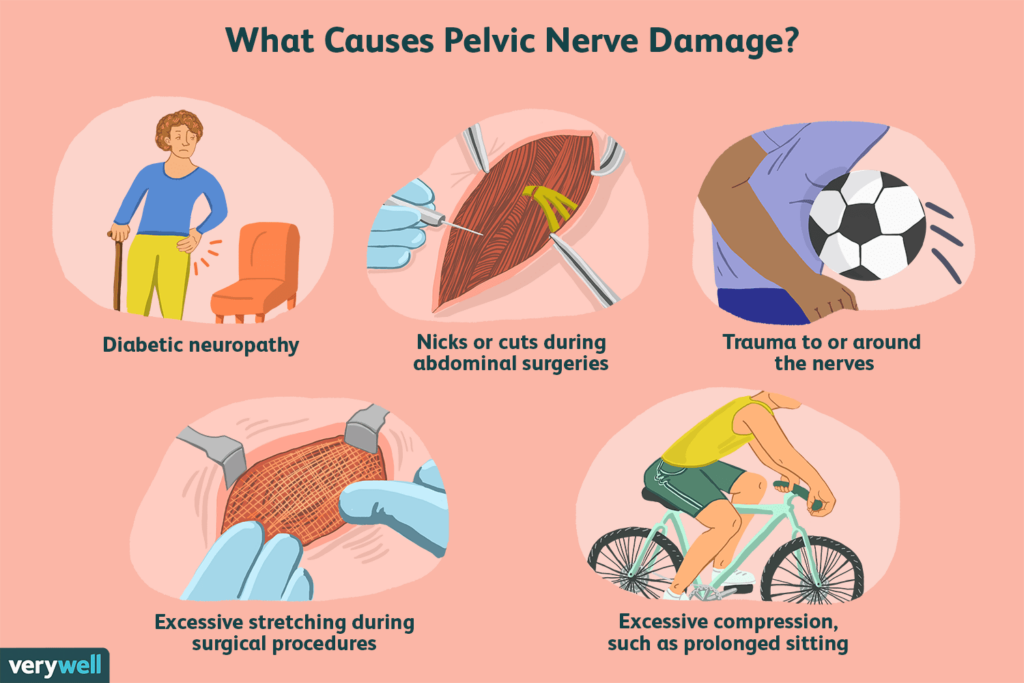
Undergoing pelvic surgery can increase the risk of developing chronic pelvic pain. Some of the procedures that have been associated with this risk include pelvic organ prolapse repair, hysterectomy, appendectomy, caesarean section, endometriosis surgery, and other pelvic surgeries.
Hormonal Factors
Hormonal imbalances can contribute to chronic pelvic pain in both women and men. In women, factors such as the menstrual cycle, hormone replacement therapy, and oral contraceptive use can influence pain levels.
History of Sexual Abuse
Individuals who have experienced sexual abuse in their past may be at a higher risk of developing chronic pelvic pain. The trauma associated with these experiences can manifest in physical pain and discomfort.
Chronic Inflammation
Chronic inflammation within the pelvic region can contribute to ongoing pain. Conditions such as inflammatory bowel disease, interstitial cystitis, pelvic inflammatory disease, and bladder or urethral infections can all be risk factors for chronic pelvic pain.
Obesity
Obesity can have a significant impact on pelvic pain. Studies have shown that individuals with a higher body mass index (BMI) are more likely to experience chronic pelvic pain. Additionally, the distribution of fat in the pelvic region can further contribute to discomfort.
Psychological Factors
Psychological factors can influence the perception and management of chronic pelvic pain. Stress, anxiety, depression, post-traumatic stress disorder (PTSD), and other psychosocial factors can amplify the sensation of pain and make it more challenging to cope with.
Repetitive Physical Activity
Engaging in repetitive physical activities, particularly those involving the pelvic region, can increase the risk of chronic pelvic pain. These activities can strain the muscles and structures in the pelvic area, leading to ongoing discomfort.
Family History
A family history of chronic pelvic pain can indicate an increased risk for developing the condition. While the exact genetic factors contributing to this risk are still being studied, it is essential for individuals with a family history to be aware of the potential risk and take appropriate precautions.
Precautions
Taking precautions to manage and prevent chronic pelvic pain is crucial for enhancing overall well-being. Here are some proactive steps you can take to minimize the risk or manage the condition effectively.
Maintaining a Healthy Weight
Maintaining a healthy weight can help reduce the strain on the pelvic region, potentially alleviating chronic pelvic pain. A well-balanced diet and regular exercise can play a vital role in achieving and maintaining a healthy weight.
Regular Exercise
Engaging in regular exercise can contribute to pelvic floor strength and overall pelvic health. Low-impact exercises, such as yoga and swimming, can be particularly beneficial for reducing pelvic pain.
Proper Body Mechanics
Being mindful of your posture and body mechanics can help prevent unnecessary strain on the pelvic area. Practicing proper lifting techniques and avoiding activities that involve heavy lifting can minimize the risk of developing chronic pelvic pain.
Stress Management
Effective stress management techniques, such as meditation, deep breathing exercises, and mindfulness practices, can help reduce the impact of psychological factors on chronic pelvic pain. Taking time for self-care can be highly beneficial in managing overall pain levels.
Avoiding Repetitive Activities
If possible, minimize participation in repetitive activities that exert strain on the pelvic region. If your work or daily routine involves repetitive motions, take regular breaks and incorporate stretches to reduce the potential for chronic pelvic pain.
Prompt Treatment of Infections or Inflammation
Taking prompt action to treat any infections or inflammation within the pelvic region can help prevent the development of chronic pelvic pain. Seeking medical attention at the onset of symptoms, such as urinary tract infections or pelvic inflammatory disease, is essential for proactive management.
Sexual Abuse Counseling and Support
Individuals with a history of sexual abuse should seek counseling and support to address the psychological impact of the trauma. Therapeutic interventions can help reduce the impact of the trauma on physical well-being and overall pain levels.
Birth Control and Hormone Use Considerations
Consulting with your healthcare provider regarding birth control methods and hormone replacement therapy can help manage hormonal factors contributing to chronic pelvic pain. Exploring different options and finding the most suitable approach for your individual needs is crucial.
Early Detection and Management of Endometriosis
Endometriosis is a common condition associated with chronic pelvic pain. Early detection and management through regular gynecological check-ups can help prevent the progression of the disease and minimize pain.
Seeking Psychological Support
Working with a mental health professional can provide valuable support in managing the psychological factors associated with chronic pelvic pain. Therapies, such as cognitive-behavioral therapy (CBT) and acceptance and commitment therapy (ACT), can help individuals develop effective coping strategies and enhance overall well-being.
By understanding the risk factors and taking proactive precautions, individuals can minimize the impact of chronic pelvic pain on their quality of life. If you or someone you know is experiencing chronic pelvic pain, seeking medical guidance is essential for proper diagnosis and personalized management strategies. Remember, you are not alone, and there are resources available to support you on your journey towards improved pelvic health.
