
Dehydration can be a serious health concern, especially during hot summer months or intense physical activity. Understanding the risk factors and taking necessary precautions is essential to prevent dehydration. In this article, we will explore the various factors that increase the risk of dehydration, such as excessive sweating, certain medical conditions, and inadequate fluid intake. Additionally, we will discuss practical precautions you can take to ensure your body stays properly hydrated, including drinking enough water, avoiding excessive alcohol and caffeine consumption, and recognizing the signs of dehydration. With these helpful tips, you can stay hydrated and keep your health in check.

Risk Factors for Dehydration
Physical exertion
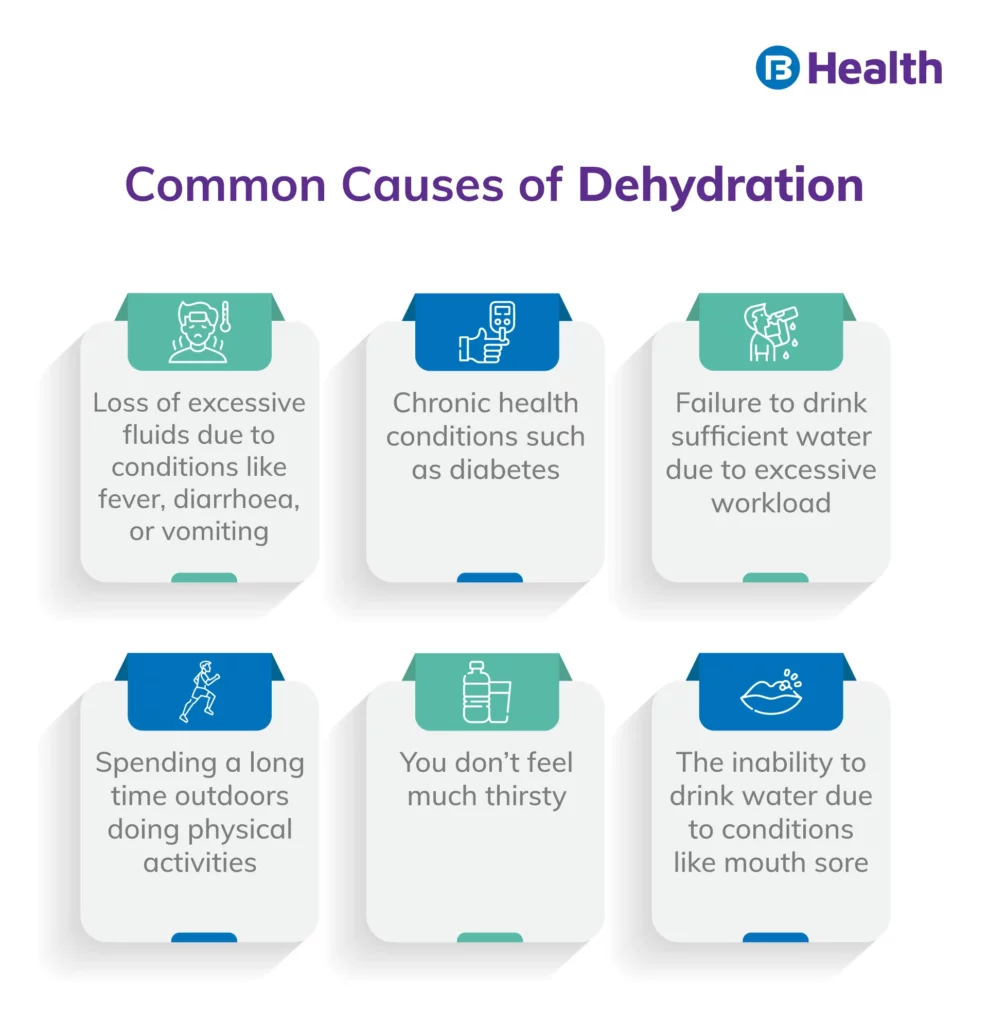
Physical exertion, especially during intense workouts or outdoor activities, can significantly increase the risk of dehydration. When you engage in strenuous exercise, your body loses water through sweat, and if you fail to replenish this lost fluid, it can lead to dehydration. It is crucial to be mindful of your fluid intake during physical activities to ensure you stay well-hydrated.
Extreme temperatures
Exposure to extreme temperatures, such as scorching heat or freezing cold, can also pose a risk for dehydration. In hot weather, excessive sweating to regulate body temperature can quickly deplete your body’s water reserves. Similarly, in cold weather, the dry air can cause increased fluid loss through respiration. It is essential to stay hydrated in extreme temperatures by drinking plenty of fluids to maintain the proper balance in your body.
Illness
Certain illnesses, such as diarrhea, vomiting, or fever, can put you at a higher risk of dehydration. These conditions can cause excessive fluid loss, making it vital to ensure adequate fluid intake during illness. If you or someone you know is experiencing symptoms of dehydration while ill, seeking medical attention is crucial to prevent further complications.
Age
Age is also a significant risk factor for dehydration. Infants, children, and the elderly are particularly vulnerable to dehydration due to their inability to effectively communicate their thirst or monitor their fluid intake. It is imperative to be mindful of the fluid needs of different age groups and provide adequate hydration to maintain their health and well-being.
Medications
Some medications can have diuretic effects, meaning they increase urine production and can contribute to dehydration. Medications such as diuretics, laxatives, and certain blood pressure medications can affect your body’s fluid balance. If you take any medications that have this effect, it is essential to be cautious and monitor your fluid intake to prevent dehydration.
Precautions to Avoid Dehydration
Drink plenty of fluids
Perhaps the most crucial precaution to avoid dehydration is to drink plenty of fluids throughout the day. Water is the best choice for staying hydrated, but you can also consider incorporating other hydrating beverages such as herbal teas, fruit-infused water, or low-sugar electrolyte drinks. Aim to drink at least eight glasses (64 ounces) of fluids daily to maintain proper hydration.
Monitor fluid intake during physical activities
When engaging in physical activities, it is vital to pay attention to your fluid intake. Before starting your workout or outdoor adventure, ensure you are well-hydrated by drinking water or other hydrating beverages. During the activity, remember to take regular fluid breaks even if you do not feel thirsty. Be aware that excessive sweating can lead to increased fluid loss, making hydration even more crucial.
Stay hydrated in extreme temperatures
In extreme temperatures, staying hydrated becomes even more critical. Whether you are exposed to sweltering heat or freezing cold, make it a priority to keep your fluid levels in check. Drink water or other hydrating fluids frequently to replenish what your body loses through sweating or respiration. Don’t wait until you feel thirsty to drink; try to maintain a consistent intake of fluids throughout the day.
Ensure adequate fluid intake during illness
Illnesses that cause symptoms like diarrhea, vomiting, or fever can lead to rapid fluid loss. If you or someone you know is ill, make sure to increase your fluid intake. This can include drinking water, clear broths, electrolyte solutions, or sports drinks. It is crucial to replenish the fluids your body is losing to prevent dehydration and aid in the recovery process.
Consider fluid needs based on age
Different age groups have varying fluid needs, so it is essential to consider these needs when it comes to staying hydrated. Infants and children require specific attention since they may not be able to communicate their thirst adequately. Ensure that they have access to water or age-appropriate beverages throughout the day. Likewise, older adults may have decreased thirst cues, so it’s important to remind them to drink fluids regularly to prevent dehydration.
Be cautious with medications
If you are taking medications that have diuretic effects, it is essential to be cautious about your fluid intake. These medications can increase urine production and lead to dehydration if not managed properly. It is crucial to follow your doctor’s instructions regarding medication usage and monitor your fluid intake to maintain proper hydration. If you have any concerns or questions, consult with your healthcare provider for guidance.
In conclusion, dehydration can have serious consequences on your health and well-being. Understanding the risk factors, such as physical exertion, extreme temperatures, illness, age, and certain medications, can help you take the necessary precautions to avoid dehydration. By drinking plenty of fluids, monitoring your fluid intake during physical activities, staying hydrated in extreme temperatures, ensuring adequate fluid intake during illness, considering fluid needs based on age, and being cautious with medications, you can maintain optimal hydration and prevent dehydration-related complications. Remember, staying hydrated is a vital part of maintaining your overall health and ensuring your body functions properly.
