
Depression is a common mental health disorder that affects millions of people worldwide. In this article, we will explore the various risk factors that can contribute to the development of depression, as well as the precautions you can take to minimize its impact on your life. Understanding these factors and implementing the necessary precautions can help you navigate through life with a stronger sense of mental and emotional well-being. So let’s jump right in and explore the world of risk factors and precautions for depression together.

Risk Factors for Depression
Depression is a complex mental health condition that can affect anyone, regardless of their background or circumstances. While the exact cause of depression is not fully understood, there are several risk factors that have been identified to contribute to its development. By understanding these risk factors, you can be better equipped to identify potential triggers and take necessary precautions to mitigate the risk of developing depression.
Family history of depression
One of the most significant risk factors for depression is having a family history of the condition. Research suggests that there is a genetic component to depression, meaning that individuals with a family member who has experienced depression are more likely to develop the condition themselves. While genetics can play a role, it is important to note that not everyone with a family history of depression will experience it themselves. However, if you have close relatives who have been diagnosed with depression, it is essential to be mindful of your mental well-being and take necessary precautions.
Personal or family history of other mental health disorders
In addition to a family history of depression, having a personal or family history of other mental health disorders also increases the risk of developing depression. Disorders such as anxiety disorders, bipolar disorder, personality disorders, substance use disorders, and eating disorders can all contribute to the likelihood of experiencing symptoms of depression. If you or a family member has a history of these conditions, it is important to be aware of the potential risk and take necessary precautions.
Major life changes or traumatic events
Major life changes and traumatic events can significantly impact an individual’s mental health and increase the risk of depression. Events such as the death of a loved one, divorce or relationship problems, financial difficulties, job loss or unemployment, physical or emotional abuse, and natural disasters can all contribute to feelings of sadness, hopelessness, and despair. These events can disrupt one’s sense of stability and security, leading to an increased vulnerability to depression. It is crucial to seek support and take extra precautions during periods of major life changes or trauma.
Chronic medical conditions
Chronic medical conditions, such as cancer, diabetes, heart disease, autoimmune disorders, neurological conditions, and chronic pain, can have a profound impact on mental health. The burden of managing a chronic illness, the physical symptoms, and the emotional toll it takes can contribute to the development of depression. It is important for individuals with chronic medical conditions to prioritize their mental well-being, seek appropriate medical and psychological support, and take necessary precautions to protect their mental health.
Certain medications
It is worth noting that certain medications can also increase the risk of developing depression. Medications such as corticosteroids, antidepressants, antipsychotics, stimulants, and hormonal contraceptives have been associated with an increased risk of depression. If you are taking any of these medications, it is important to discuss any potential side effects with your healthcare provider and consider precautionary measures to protect your mental health.
Substance abuse
Substance abuse, including alcohol, illicit drugs, and prescription medications, can significantly contribute to the development of depression. Substance abuse alters brain chemistry, disrupts emotional well-being, and can exacerbate underlying mental health conditions. If you or someone you know is struggling with substance abuse, it is crucial to seek professional help and take precautionary measures to address the issue and protect overall mental health.
Gender and age
Depression can affect individuals of all genders and ages, but certain demographics may be at a higher risk. Women, for example, are more likely to experience depression than men. This increased risk may be due to hormonal fluctuations, societal pressures, and life experiences unique to women. Additionally, teenagers and young adults may be particularly vulnerable to depression due to the challenges of adolescence, academic stress, and identity formation. Middle-aged and elderly adults may also face increased risk due to life transitions, health concerns, and social isolation. It is important for individuals in these demographics to be aware of the potential risk and take necessary precautions.
Social and economic factors
Social and economic factors can also play a role in the development of depression. Individuals who experience social isolation, unemployment, poverty, discrimination, or lack of access to healthcare may face increased vulnerability to depression. These factors can contribute to feelings of hopelessness, helplessness, and low self-esteem. Taking precautions to address social and economic stressors, seeking support networks, and accessing available resources can help mitigate the risk of depression.
Personality traits
Certain personality traits may increase an individual’s susceptibility to depression. Perfectionism, low self-esteem, self-criticism, pessimism, and an inability to cope effectively with stress are all examples of traits that can contribute to the development of depression. Being aware of these traits and actively working on building resilience, improving self-esteem, and developing healthy coping mechanisms can help reduce the risk of depression.
Precautions for Depression
While it may not always be possible to prevent depression entirely, there are several precautions that individuals can take to minimize the risk and protect their mental well-being. By adopting a proactive approach to mental health, you can develop healthy habits and strategies to cope with stressors, build resilience, and ultimately reduce the likelihood of developing depression.
Maintaining a healthy lifestyle
Maintaining a healthy lifestyle is crucial for both physical and mental well-being. This includes eating a balanced diet, engaging in regular physical activity, and getting enough sleep. A healthy lifestyle can help regulate mood, improve overall resilience, and reduce the risk of depression. Taking the time to prioritize self-care and make healthy choices can have a significant impact on your mental health.
Seeking social support
Building a strong support system is essential in preventing and managing depression. Having trusted friends, family members, or support groups to turn to in times of need can provide a sense of connection, belonging, and emotional support. Seeking social support allows for the sharing of experiences, validation of emotions, and the opportunity to learn from others’ perspectives. By actively nurturing your relationships and seeking support when needed, you can enhance your resilience and reduce the risk of depression.
Developing strong coping skills
Developing strong coping skills is essential in managing stress and reducing the risk of depression. Coping mechanisms can include strategies such as deep breathing exercises, mindfulness, journaling, engaging in hobbies or creative outlets, and seeking professional counseling. By identifying healthy coping mechanisms that work for you and actively practicing them, you can build resilience and better navigate life’s challenges.
Engaging in regular physical activity
Regular physical activity has been proven to have numerous benefits for mental health, including reducing the risk of depression. Exercise releases endorphins, improves sleep, boosts self-esteem, and provides a healthy outlet for stress. Engaging in activities such as walking, running, dancing, yoga, or any form of physical exercise that you enjoy can have a positive impact on your mental well-being.
Getting enough sleep
Adequate sleep is vital for maintaining good mental health. Sleep deprivation can contribute to feelings of irritability, difficulty concentrating, and impaired mood regulation. Poor sleep can increase the risk of developing or exacerbating symptoms of depression. Prioritizing a consistent sleep schedule, creating a conducive sleep environment, and practicing good sleep hygiene can help promote better sleep and reduce the risk of depression.
Avoiding alcohol and drug abuse
Substance abuse, including alcohol and drug abuse, can significantly increase the risk of developing depression. While substances may provide temporary relief or escape, they can worsen symptoms of depression and contribute to a vicious cycle of mental health deterioration. Avoiding substance abuse, seeking help for addiction, and adopting healthy coping mechanisms are essential precautions to protect against depression.
Balancing work, personal, and social life
Maintaining a healthy work-life balance is crucial for mental well-being. Chronic work-related stress, long hours, and neglecting personal and social life can contribute to depression. Taking the time to set boundaries, prioritize self-care, and nurture personal and social relationships is essential. By finding a balance that works for you, you can reduce stress, maintain a healthy perspective, and mitigate the risk of depression.
Seeking professional help
If you are experiencing symptoms of depression, it is important to seek professional help. A qualified mental health professional can provide accurate diagnosis and create a personalized treatment plan to help manage and prevent further symptoms. Whether through therapy, counseling, or medication, seeking professional help is a precautionary measure that can make a significant difference in your mental well-being.
Being aware of warning signs and seeking early intervention
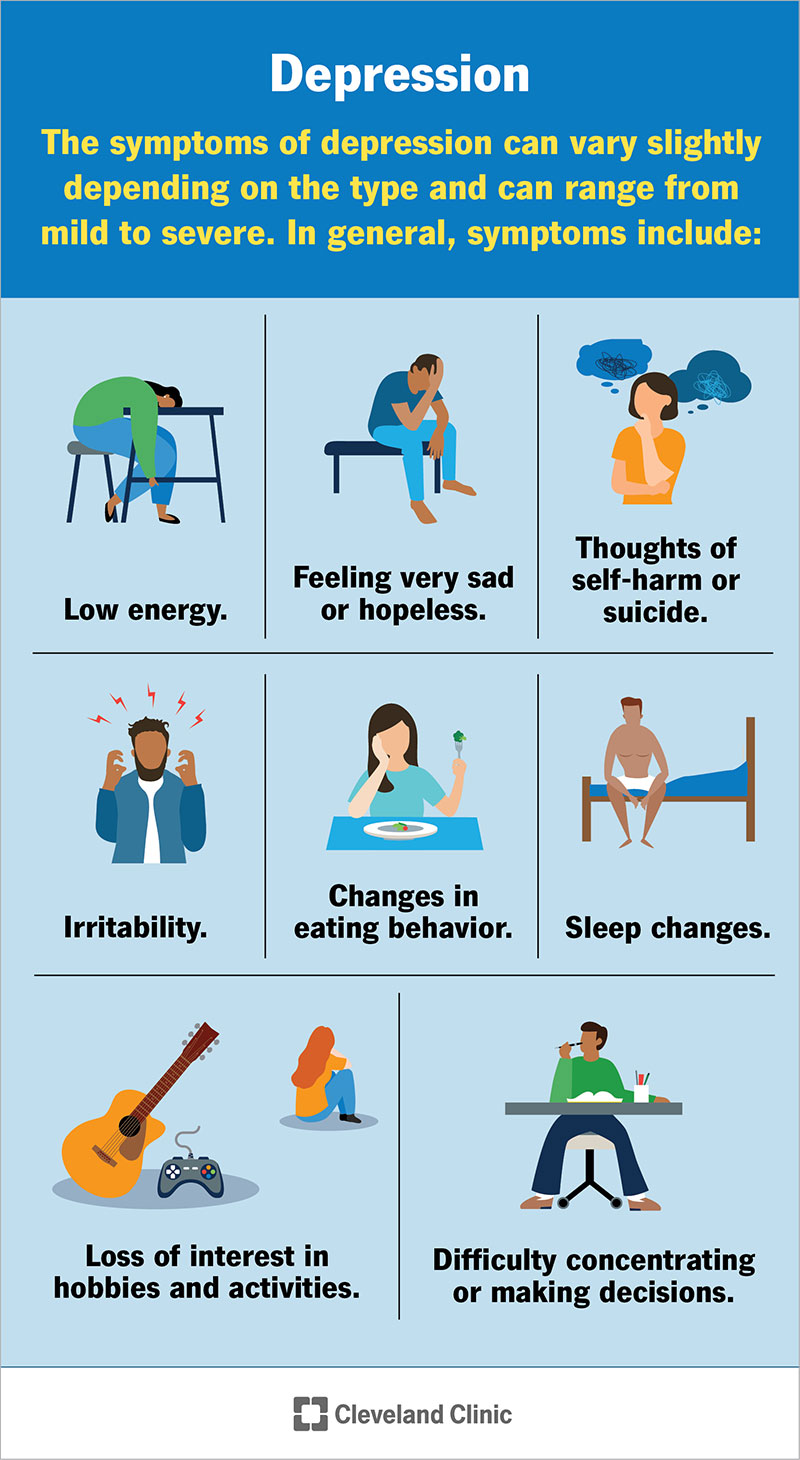
Being aware of warning signs and symptoms of depression is crucial in taking early intervention measures. Recognizing changes in mood, sleep patterns, appetite, or overall functioning is important in identifying potential depressive episodes. Additionally, knowing when to reach out for help or seek professional intervention can prevent the development of more severe depression and facilitate timely treatment.
Educating oneself and raising awareness
Lastly, educating oneself about depression and raising awareness about mental health is a vital precautionary measure. Learning about depression, its causes, symptoms, and available treatment options can help reduce stigma and promote early intervention. By spreading accurate information, challenging misconceptions, and supporting mental health campaigns, you can contribute to a more informed and compassionate society.
In conclusion, understanding the risk factors for depression and taking necessary precautions can significantly reduce the likelihood of developing this mental health condition. By being proactive in maintaining a healthy lifestyle, seeking social support, developing coping skills, engaging in regular physical activity, getting enough sleep, avoiding substance abuse, and being aware of personal vulnerabilities, you can protect your mental well-being and mitigate the risk of depression. Additionally, seeking professional help, recognizing warning signs, and raising awareness about mental health are essential measures in preventing and managing depression. Remember, you are not alone, and there is support available to help you navigate life’s challenges and ensure your mental well-being.
