
Are you concerned about your thyroid health? In this article, we will explore the risk factors associated with Hashimoto’s Thyroiditis, a common autoimmune disease affecting the thyroid gland. By understanding the factors that increase the likelihood of developing this condition, you can take the necessary precautions to maintain a healthy thyroid and overall well-being. So, let’s delve into the world of Hashimoto’s Thyroiditis and empower ourselves with knowledge and preventive measures.
Risk Factors for Hashimoto’s Thyroiditis
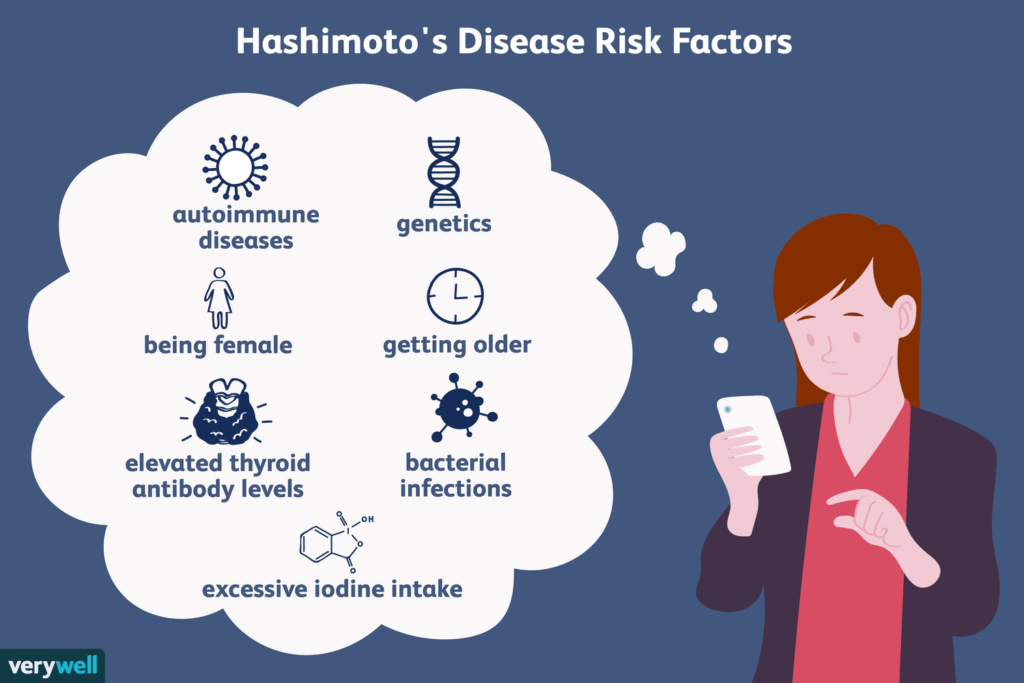
Hashimoto’s Thyroiditis is an autoimmune disorder that affects the thyroid gland, causing inflammation and the gradual destruction of thyroid tissue. While the exact cause of this condition is still unknown, researchers have identified several risk factors that may contribute to the development of Hashimoto’s Thyroiditis. By understanding these risk factors, you can take the necessary precautions to protect your thyroid health and overall wellbeing.
Genetics
One of the most significant risk factors for Hashimoto’s Thyroiditis is genetics. Individuals with a family history of autoimmune diseases, particularly thyroid disorders, have an increased likelihood of developing this condition. In fact, studies have shown that having a first-degree relative with Hashimoto’s Thyroiditis can increase your risk of developing the condition by up to 30%. Additionally, certain genes such as the HLA-DR gene and the CTLA-4 gene have been associated with an increased susceptibility to autoimmune disorders, including Hashimoto’s Thyroiditis.

Gender
Gender also plays a role in the risk of developing Hashimoto’s Thyroiditis. Statistics show that this condition is much more common in women than in men, with women being around eight times more likely to develop it. While the exact reason behind this gender disparity is unknown, hormonal factors may contribute to the increased risk in women. Estrogen, for example, has been found to influence the immune system, potentially affecting the development of autoimmune diseases like Hashimoto’s Thyroiditis.
Age
Age is another factor that can influence your risk of developing Hashimoto’s Thyroiditis. Research has shown that middle-aged individuals, typically between the ages of 40 and 60, are more susceptible to this condition. However, it is not limited to this age group, as elderly adults can also develop Hashimoto’s Thyroiditis. The risk appears to increase with age, highlighting the importance of regular thyroid check-ups, especially as we get older.

Pregnancy
Pregnancy and the postpartum period can impact a woman’s risk of developing Hashimoto’s Thyroiditis. During pregnancy, hormonal changes can affect the function of the immune system, potentially triggering the onset of autoimmune diseases. Additionally, women with a previous history of pregnancy-related thyroid dysfunction, such as gestational hypothyroidism or postpartum thyroiditis, have a higher likelihood of developing Hashimoto’s Thyroiditis later on. It is crucial for pregnant women to receive appropriate thyroid monitoring and medical care to ensure the health of both mother and baby.
Radiation Exposure
Exposure to radiation is another potential risk factor for Hashimoto’s Thyroiditis. Medical radiation, such as radiation therapy for cancer treatment, poses a higher risk, particularly when the radiation is directed towards the neck or head area. Additionally, accidental exposure to radiation, such as nuclear accidents or environmental disasters, can also increase the risk of developing thyroid disorders, including Hashimoto’s Thyroiditis. It is essential to follow appropriate safety measures and undergo necessary screenings if you have been exposed to radiation.
Iodine Intake
Iodine is an essential mineral that is crucial for the production of thyroid hormones. While iodine deficiency is a well-known risk factor for thyroid disorders, excessive iodine intake can also contribute to the development of Hashimoto’s Thyroiditis. In areas where iodine intake is high, individuals with a genetic predisposition to autoimmune diseases may have a heightened risk. Similarly, in regions with low iodine intake, the risk of developing Hashimoto’s Thyroiditis may be higher due to the body’s increased susceptibility to autoimmune disorders.
Viral Infection
Certain viral infections have been linked to an increased risk of developing Hashimoto’s Thyroiditis. The Epstein-Barr virus (EBV), a common viral infection that causes mononucleosis, has been associated with the development of autoimmune diseases. Other viruses like Yersinia, Rubella, and Enteroviruses have also been linked to an increased risk of Hashimoto’s Thyroiditis. While it is challenging to prevent viral infections entirely, maintaining a healthy immune system through a balanced diet, regular exercise, and proper hygiene practices can help reduce the risk.

Autoimmune Diseases
Individuals with other autoimmune diseases have a higher likelihood of developing Hashimoto’s Thyroiditis. Conditions such as type 1 diabetes, rheumatoid arthritis, lupus, Sjögren’s syndrome, and Addison’s disease are frequently associated with autoimmune disorders. The immune system’s dysregulation that occurs in these conditions can increase the risk of developing additional autoimmune disorders, including Hashimoto’s Thyroiditis. If you have been diagnosed with an autoimmune disease, it is essential to work closely with your healthcare provider to monitor and manage your thyroid health effectively.
Smoking
Smoking has been identified as a potential risk factor for Hashimoto’s Thyroiditis. Studies have shown that smoking can contribute to chronic inflammation and alter the immune response, potentially increasing the risk of developing autoimmune disorders. Additionally, smoking has been found to be associated with an increased production of thyroid autoantibodies, which play a crucial role in the destruction of thyroid tissue in Hashimoto’s Thyroiditis. Quitting smoking can have numerous health benefits, including reducing the risk of developing Hashimoto’s Thyroiditis.
Stress
Chronic stress can impact your immune system and increase the risk of developing autoimmune diseases, including Hashimoto’s Thyroiditis. Stress hormones, such as cortisol, can disrupt the balance of the immune system, leading to an overactive or dysfunctional response. Managing stress through relaxation techniques, exercise, and healthy coping mechanisms can help support a healthy immune system and potentially reduce the risk of developing Hashimoto’s Thyroiditis.
Building a Support System
Being diagnosed with Hashimoto’s Thyroiditis can be daunting, but having a support system in place can make a significant difference in managing the condition. Supportive friends and family can provide emotional support, understanding, and encouragement throughout your journey. Additionally, joining support groups or online communities specific to Hashimoto’s Thyroiditis can provide a platform for sharing experiences, gaining knowledge, and connecting with others who can relate to your struggles and triumphs.
In conclusion, while the exact cause of Hashimoto’s Thyroiditis remains unclear, understanding the risk factors associated with this condition is essential for early detection and management. If you have a family history of thyroid disorders, are a woman in middle-age or during pregnancy, have been exposed to radiation, or have been diagnosed with other autoimmune diseases, it is vital to be proactive in monitoring your thyroid health. By making positive lifestyle choices, managing stress, and seeking support, you can take control of your thyroid health and live a fulfilling life. Remember, your health should always be a priority, so don’t hesitate to reach out to healthcare professionals for guidance and support.