
Enlarged prostate, also known as benign prostatic hyperplasia (BPH), is a common condition that affects many men as they age. This article aims to explore the risk factors associated with an enlarged prostate, as well as provide practical precautions to help prevent or manage the condition. Understanding the factors that contribute to the development of BPH can empower individuals to make informed decisions about their health and take steps towards proactive prostate care. By adopting these precautions, you can potentially reduce the risk of complications and maintain a healthy prostate for years to come.
Risk Factors for Enlarged Prostate
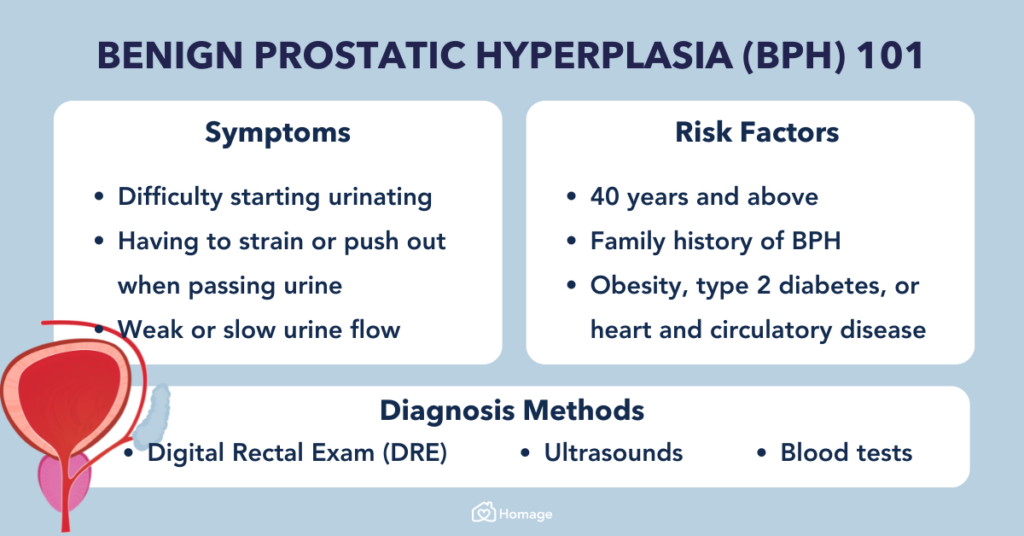
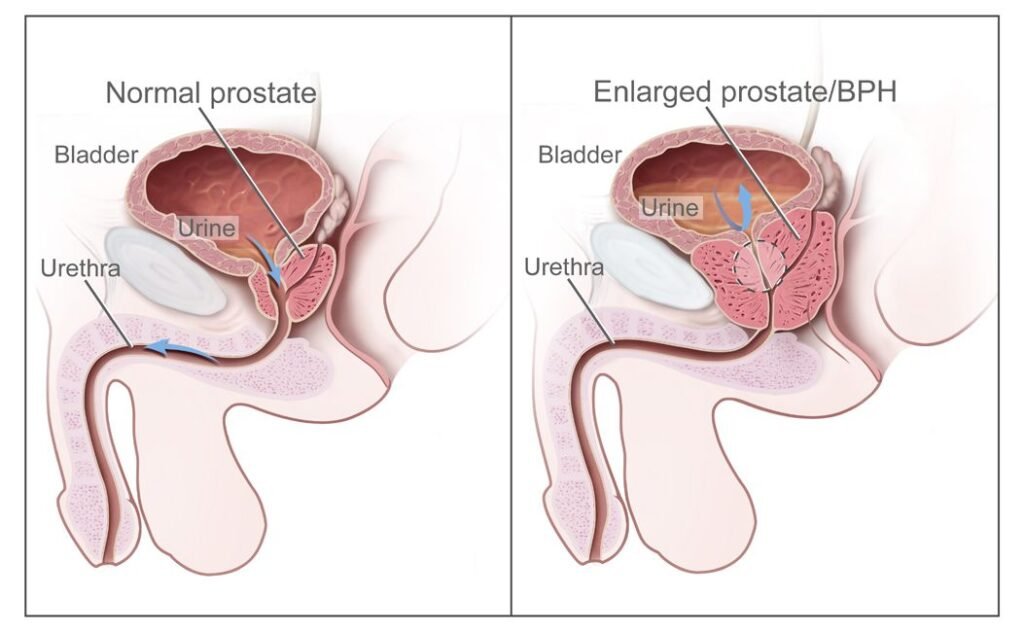
Enlarged prostate, also known as benign prostatic hyperplasia (BPH), is a common condition that affects many men as they age. While the exact cause of BPH is not fully understood, research has identified several risk factors that may contribute to its development. Understanding these risk factors can help you make informed decisions about your health and take steps to reduce your risk of developing an enlarged prostate.
Age
One of the most significant risk factors for an enlarged prostate is age. As you get older, your risk of developing BPH increases. While BPH can occur in men of any age, it becomes more prevalent as you reach middle age and beyond. In fact, studies have shown that the prevalence of BPH increases from about 8% among men in their 30s to approximately 60% among men in their 60s. As you age, it’s important to be aware of the symptoms of BPH and discuss any concerns with your healthcare provider.
Family History
Family history also plays a role in the development of an enlarged prostate. If you have a close relative, such as a father or brother, who has been diagnosed with BPH, you may have an increased risk of developing the condition yourself. This suggests a genetic influence in the development of BPH. If you have a family history of BPH, it’s important to be proactive in monitoring your prostate health and discussing any concerns with your healthcare provider.
Ethnicity
Ethnicity is another risk factor that can influence the development of an enlarged prostate. Research has shown that certain ethnic groups have a higher prevalence of BPH. In particular, African-American men have been found to be at an increased risk of developing the condition compared to men of other ethnicities. The reasons behind these ethnic disparities are not entirely clear and are likely multifactorial, involving both genetic and environmental factors. Regardless of your ethnicity, it’s important to be aware of the potential risk and take steps to maintain prostate health.
Obesity
Obesity is a well-known risk factor for a wide range of health conditions, and an enlarged prostate is no exception. Research has shown a correlation between obesity and the development of BPH. The exact mechanisms behind this association are not fully understood, but it is believed that hormonal imbalances and chronic inflammation may play a role. Men who are obese have been found to have a higher risk of developing an enlarged prostate compared to those who have a healthy body weight. Maintaining a healthy weight through a balanced diet and regular exercise can help reduce the risk of BPH.

Lifestyle
Certain lifestyle factors can contribute to the development of an enlarged prostate. A sedentary lifestyle and physical inactivity have been associated with an increased risk of BPH. Regular exercise, on the other hand, has been shown to have a protective effect against the development of the condition. Additionally, dietary choices can impact prostate health. Consuming a diet rich in fruits, vegetables, and whole grains, while limiting red meat and saturated fats, has been associated with a lower risk of BPH. Smoking and alcohol consumption have also been linked to an increased risk of BPH, so it’s important to consider these factors as well.
Medical Conditions
Several medical conditions have been identified as risk factors for an enlarged prostate. Individuals with diabetes, heart disease, hypertension, metabolic syndrome, and erectile dysfunction may have a higher risk of developing BPH. These conditions are often associated with chronic inflammation and hormonal imbalances, which may contribute to prostate enlargement. It’s important to manage these medical conditions effectively and work closely with your healthcare provider to reduce your risk of BPH.
Medications
Certain medications have been found to be associated with an increased risk of developing an enlarged prostate. Antidepressants, antihistamines, decongestants, and diuretics have all been implicated in the development or exacerbation of BPH. If you are taking any of these medications and are concerned about their potential effect on your prostate health, it’s important to discuss your concerns with your healthcare provider. They can provide guidance and explore alternative options if necessary.
Sex Hormones
Hormonal imbalances, particularly in relation to sex hormones, may contribute to the development of BPH. Research has suggested that lower levels of testosterone and higher levels of estrogen may be associated with prostate enlargement. However, the precise relationship between sex hormones and BPH is still not fully understood and requires further investigation. If you have concerns about your hormone levels and their potential impact on your prostate health, consult with your healthcare provider.

Inflammation
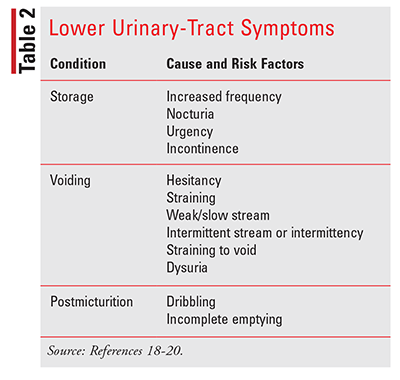
Chronic inflammation has been implicated in the development of various health conditions, including BPH. Inflammation within the prostate gland can lead to the enlargement of prostate tissue. This can result in urinary symptoms such as frequent urination, weak urine flow, and difficulty emptying the bladder. While the exact cause of prostate inflammation is not always clear, certain lifestyle factors such as poor diet, sedentary behavior, and exposure to environmental toxins may contribute to the development of inflammation. Adopting a healthy lifestyle and reducing exposure to potential triggers can help minimize inflammation and reduce the risk of BPH.
Exposure to BPH Promoters
Environmental factors may also influence the development of an enlarged prostate. Certain chemicals and toxins found in the environment, such as pesticides, herbicides, and industrial chemicals, have been linked to an increased risk of BPH. It is important to limit exposure to these substances whenever possible, whether through occupational or environmental factors. Additionally, the quality of drinking water has been associated with the risk of developing BPH. Ensuring that your drinking water is clean and free from contaminants can help reduce the risk of prostate enlargement.
In conclusion, several risk factors contribute to the development of an enlarged prostate. These factors include age, family history, ethnicity, obesity, lifestyle choices, medical conditions, medications, sex hormones, inflammation, and exposure to BPH promoters. Understanding these risk factors can help you make proactive choices to maintain your prostate health. By adopting a healthy lifestyle, managing underlying medical conditions, and reducing exposure to potential triggers, you can reduce your risk of developing an enlarged prostate and promote overall well-being. Remember to consult with your healthcare provider if you have any concerns or questions about your prostate health.