Are you or someone you know experiencing unexplained chronic pain and fatigue? This article is here to shed light on the risk factors and precautions for fibromyalgia. By understanding the factors that contribute to the development of this perplexing condition, you can take the necessary steps to protect your health and well-being. From genetic predisposition to certain lifestyle choices, this article will explore the various influences that may increase your likelihood of developing fibromyalgia. Additionally, we will provide invaluable tips and precautions to minimize the impact of this condition on your daily life. Let’s embark on this journey together, arming ourselves with knowledge and resilience against fibromyalgia.
Risk Factors for Fibromyalgia
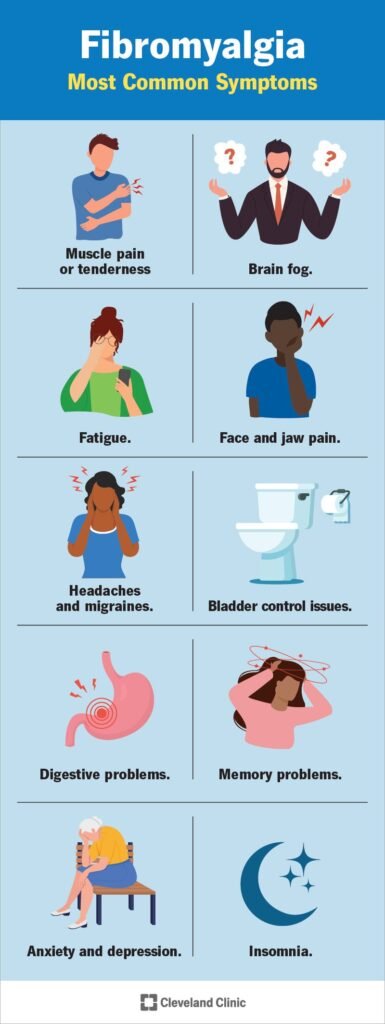
Fibromyalgia is a complex and often debilitating condition characterized by chronic pain, fatigue, and tenderness. While the exact cause of fibromyalgia is unknown, there are several risk factors that have been identified. By understanding these risk factors, you can take precautions to prevent or manage the condition effectively.
Genetics
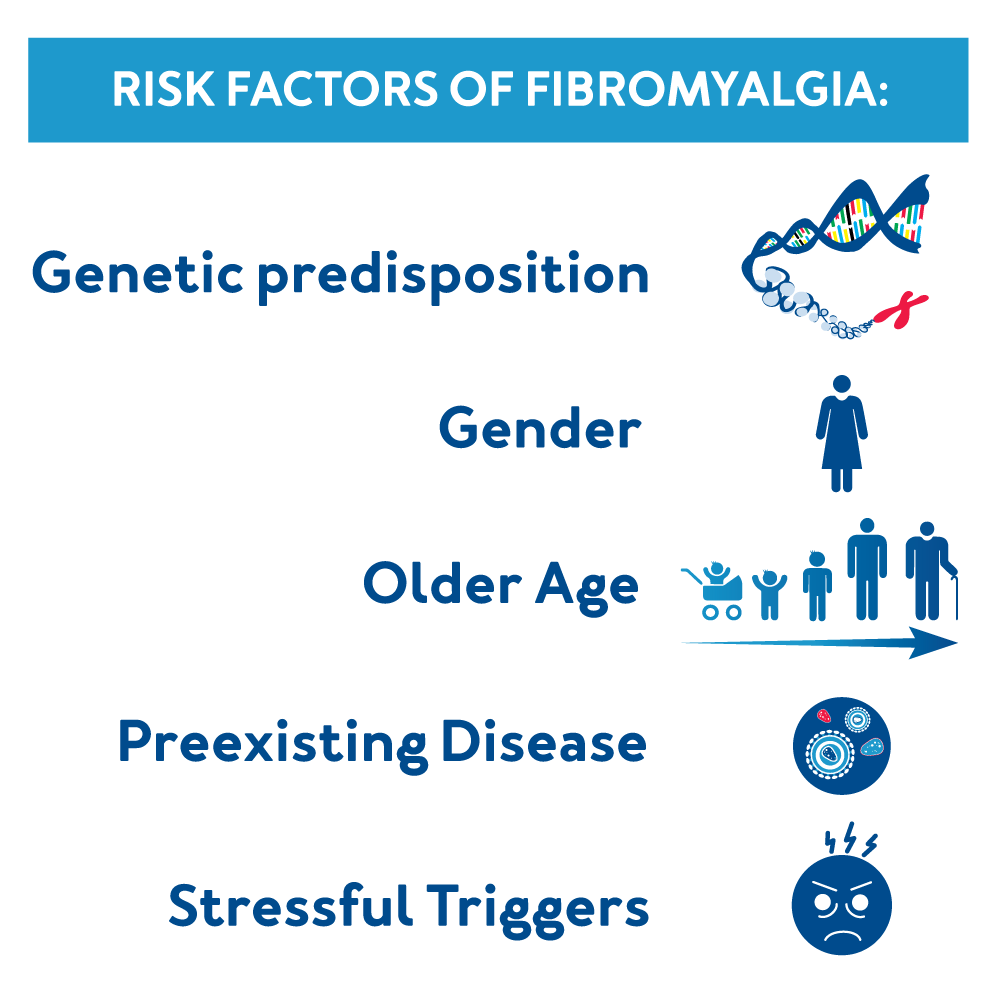
Genetics plays a significant role in determining your risk of developing fibromyalgia. Research has shown that individuals with a family history of the condition are more likely to develop it themselves. Genetic mutations and inherited traits may also contribute to the development of fibromyalgia. It is essential to be aware of your family history and discuss any concerns or symptoms with your healthcare provider.
Gender
Fibromyalgia is more prevalent in women than in men, with women accounting for approximately 80-90% of diagnosed cases. While the reasons behind this gender disparity are still being investigated, potential hormonal factors, such as estrogen, may contribute to the increased risk in women. However, men can also develop fibromyalgia, and it is important to recognize the symptoms and seek appropriate medical attention if needed.
Age
While fibromyalgia can occur at any age, it is most commonly diagnosed in middle-aged individuals. The onset of fibromyalgia typically occurs between the ages of 30 and 50, although it can develop in teenagers and older adults as well. Aging itself may increase the risk of developing fibromyalgia, possibly due to changes in hormone levels, increased prevalence of other health conditions, or the cumulative effects of physical and emotional stressors over time.
Family History
Having a family member with fibromyalgia can increase your risk of developing the condition. Research has shown that fibromyalgia tends to run in families, suggesting a genetic predisposition. If you have a close relative diagnosed with fibromyalgia, it is important to be proactive in managing your health and discussing any symptoms or concerns with your healthcare provider.
Physical and Emotional Trauma
Physical and emotional trauma, such as car accidents, injuries, or emotional stress, can be significant risk factors for developing fibromyalgia. Traumatic events can trigger the onset of fibromyalgia symptoms or exacerbate existing ones. Additionally, individuals with a history of post-traumatic stress disorder (PTSD) may be more susceptible to developing fibromyalgia. It is crucial to prioritize your emotional and physical well-being and seek appropriate support and treatment if you have experienced trauma.
Infections
Certain infections have been associated with an increased risk of fibromyalgia. While the precise relationship between infections and the development of fibromyalgia is still not fully understood, viral infections, such as Epstein-Barr virus and hepatitis C, have been implicated. It is important to take precautions to reduce the risk of infections, practice good hygiene, and seek medical attention if you suspect an infection.
Other Health Conditions
Individuals with certain chronic health conditions may be more prone to developing fibromyalgia. Conditions such as chronic fatigue syndrome, rheumatoid arthritis, systemic lupus erythematosus, irritable bowel syndrome, and temporomandibular joint dysfunction have been found to have an increased prevalence of fibromyalgia. If you have any of these conditions, it is important to discuss your symptoms with your healthcare provider and address them promptly.
Lack of Physical Activity
A sedentary lifestyle and lack of regular physical activity can increase the risk of developing fibromyalgia. Exercise has been shown to have numerous physical and mental health benefits, including reducing pain and improving mood. Engaging in regular physical activity, such as walking, swimming, or yoga, can help manage or prevent fibromyalgia symptoms. It is important to consult with your healthcare provider before starting any exercise program and discuss appropriate activities based on your individual needs and limitations.
Sleep Problems
Sleep disturbances, such as insomnia or insufficient sleep, are common in individuals with fibromyalgia. However, sleep problems can also precede the development of fibromyalgia or worsen existing symptoms. Lack of quality sleep can amplify pain and fatigue, impacting your overall well-being and quality of life. Establishing healthy sleep habits and optimizing your sleep environment can help minimize the risk or severity of fibromyalgia symptoms.
Stress
Chronic stress, whether physical or emotional, can contribute to the development or exacerbation of fibromyalgia symptoms. Stress can increase muscle tension, affect sleep patterns, and lower pain thresholds, making fibromyalgia symptoms more prominent. Managing stress levels through techniques such as relaxation exercises, meditation, and engaging in enjoyable activities can be essential in preventing or reducing the impact of fibromyalgia.
Precautions to Prevent Fibromyalgia
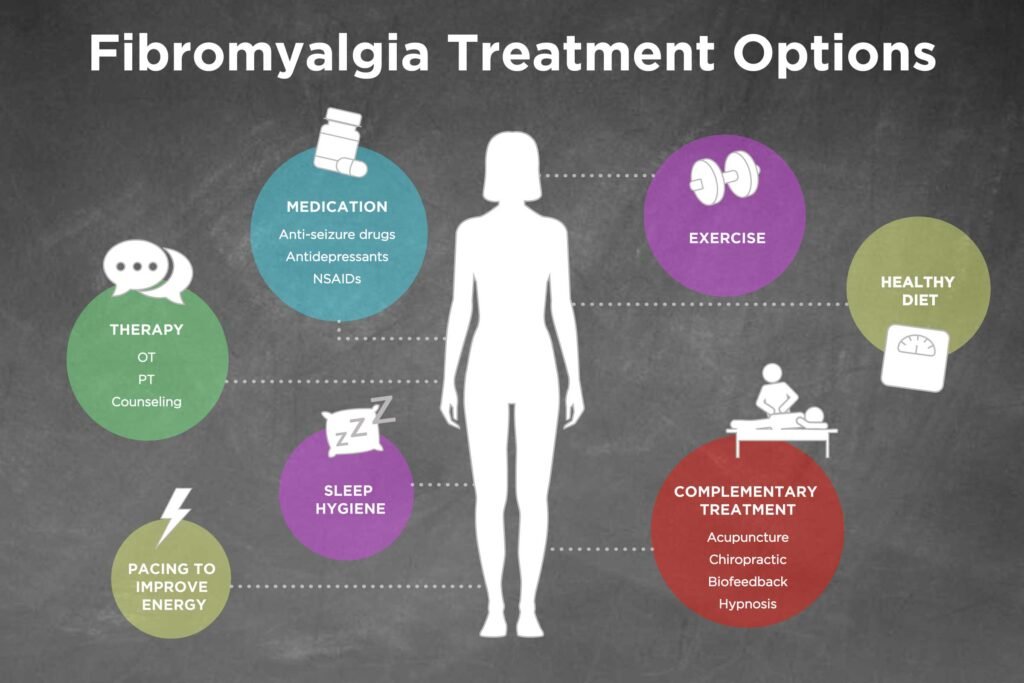
While it may not be possible to prevent fibromyalgia entirely, there are precautions you can take to reduce the risk or severity of the condition. By maintaining a healthy lifestyle, managing stress levels, exercising regularly, getting adequate rest and sleep, and avoiding physical and emotional trauma, you can promote overall well-being and potentially minimize the impact of fibromyalgia symptoms. It is crucial to prioritize your mental and physical health and seek medical help when needed.
Maintain a Healthy Lifestyle
Embracing a healthy lifestyle can have significant benefits in reducing the risk of developing fibromyalgia. Eating a balanced diet, staying hydrated, and avoiding excessive alcohol consumption can help support your overall health and immune system. Incorporating stress management techniques, such as mindfulness or relaxation exercises, into your daily routine can also contribute to your overall well-being.
Manage Stress Levels
Stress management is crucial in preventing or managing fibromyalgia. Finding effective ways to cope with stress, such as practicing mindfulness, engaging in hobbies, or seeking professional support, can help reduce its impact on your physical and emotional health. It is important to identify and address stressors in your life and develop healthy coping mechanisms.
Exercise Regularly
Regular exercise has been proven to have numerous benefits for individuals with fibromyalgia. Engaging in low-impact aerobic exercises, strength training, or flexibility exercises can help reduce pain, improve mood, and enhance overall physical function. However, it is important to start slowly and gradually increase the intensity and duration of your workouts with guidance from a healthcare professional.
Get Adequate Rest and Sleep
Quality sleep is essential for your overall well-being and can help minimize the impact of fibromyalgia symptoms. Establishing a regular sleep routine, creating a comfortable sleep environment, and practicing relaxation techniques before bed can improve sleep quality. If you struggle with sleep problems, it is important to speak with your healthcare provider for guidance and potential interventions.
Avoid Physical and Emotional Trauma
While it may not be possible to prevent all traumas, taking precautions to avoid unnecessary physical and emotional trauma can help reduce the risk or severity of fibromyalgia. Following safety guidelines, using proper protective equipment, practicing safe driving habits, and seeking support for emotional well-being can all contribute to minimizing trauma.
Take Care of Your Mental Health
Prioritizing your mental health is crucial in preventing or managing fibromyalgia. Seeking therapy or counseling if needed, practicing self-care activities, maintaining social connections, and engaging in activities that bring you joy and relaxation can improve your overall mental well-being. Recognizing and addressing any signs of depression or anxiety is important in managing fibromyalgia effectively.
Pay Attention to Posture and Ergonomics
Maintaining good posture and practicing proper ergonomics can help alleviate or prevent pain associated with fibromyalgia. It is important to ensure your workspace, including your desk, chair, and computer setup, is ergonomically designed to minimize strain on your muscles and joints. Practicing good posture and body mechanics during daily activities and exercises can also contribute to your overall well-being.
Avoid Overexertion
While regular exercise is beneficial, it is important to avoid overexertion, as it can worsen fibromyalgia symptoms. Pace yourself during physical activities, listen to your body, and take breaks when needed. Learning to recognize your limits and respecting them can help manage symptoms and prevent setbacks.
Manage Chronic Illnesses
If you have other chronic health conditions, it is essential to manage them effectively to reduce the risk of developing or worsening fibromyalgia. Following your healthcare provider’s recommendations, adhering to treatment plans, and addressing any new or worsening symptoms promptly can help prevent the onset or exacerbation of fibromyalgia.
Seek Medical Help
If you suspect or experience symptoms of fibromyalgia, it is important to seek medical help. Consulting a healthcare professional can help you receive an accurate diagnosis and develop an appropriate treatment plan. Your healthcare provider can also provide guidance, support, and resources to help you manage fibromyalgia effectively. Additionally, joining support groups or seeking online resources can provide valuable insights and support from individuals who understand what you are going through.
In conclusion, being aware of the risk factors for fibromyalgia and taking precautions to prevent or manage the condition can significantly improve your quality of life. By understanding the role of genetics, gender, age, family history, physical and emotional trauma, infections, other health conditions, lack of physical activity, sleep problems, and stress, you can take the necessary steps to minimize the impact of fibromyalgia. Through maintaining a healthy lifestyle, managing stress levels, exercising regularly, getting adequate rest and sleep, avoiding physical and emotional trauma, taking care of your mental health, paying attention to posture and ergonomics, avoiding overexertion, managing chronic illnesses, and seeking medical help when needed, you can navigate fibromyalgia with resilience and support. Remember, you are not alone, and there are resources available to help you on your journey to wellness.