
Chronic Kidney Disease (CKD) is a prevalent and potentially debilitating condition that affects millions of people worldwide. Understanding the risk factors associated with this disease is essential for early prevention and intervention. In this article, we will explore the various factors that contribute to the development of CKD and discuss the precautions that can be taken to reduce the risk of its occurrence. By being aware of these key factors and implementing necessary precautions, you can play an active role in safeguarding your kidney health and overall well-being.
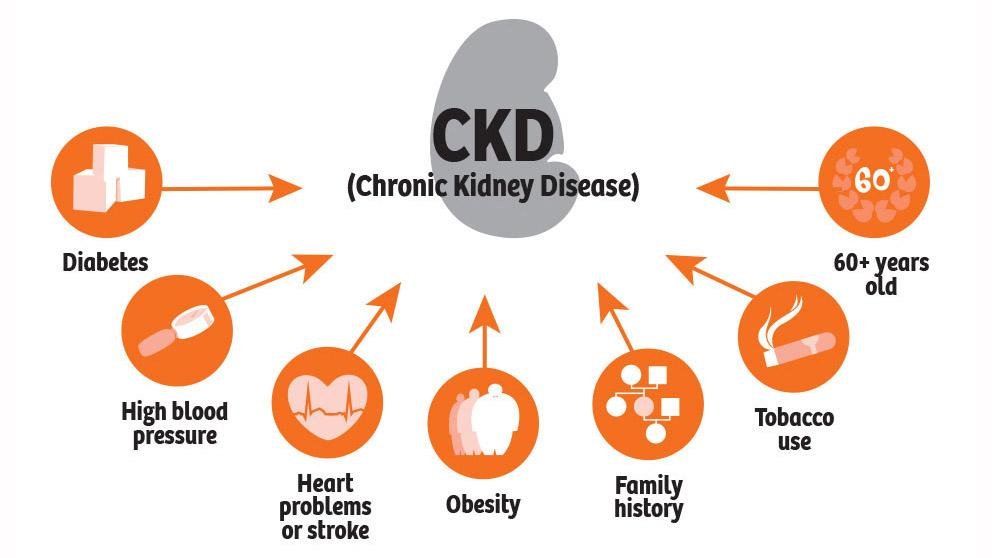
Risk Factors for Chronic Kidney Disease
Chronic kidney disease (CKD) is a serious condition that affects millions of people worldwide. While CKD can occur due to various reasons, certain risk factors increase your chances of developing this condition. Being aware of these risk factors can help you take proactive steps to protect your kidney health.
Diabetes
Diabetes is a leading cause of chronic kidney disease. When blood sugar levels are consistently high, the kidneys have to work harder to filter the blood. Over time, this increased workload can damage the kidneys, leading to CKD. If you have diabetes, it is crucial to properly manage your blood sugar levels and closely monitor your kidney health.
High Blood Pressure
High blood pressure, or hypertension, is another significant risk factor for CKD. Similar to diabetes, prolonged high blood pressure can strain the kidneys and impair their function. It is essential to regularly monitor your blood pressure, take prescribed medications, and make lifestyle changes to control your blood pressure and protect your kidneys.
Family History of Kidney Disease
Your family history plays a role in your predisposition to developing kidney disease. If you have close relatives with kidney disease, it increases your chances of developing the condition. Therefore, it is crucial to be aware of your family history and communicate this information to your healthcare provider. Regular screenings and early interventions can be effective in managing kidney disease in high-risk individuals.
Age
As we age, our risk for developing chronic kidney disease increases. This is because kidney function naturally declines with age. Regular monitoring of kidney health becomes even more crucial as we grow older, and lifestyle modifications should be made to mitigate the effects of aging on the kidneys.
Obesity
Obesity is not only a risk factor for various health conditions but also for chronic kidney disease. Excess weight puts additional stress on the kidneys and can lead to kidney damage over time. By maintaining a healthy weight through a balanced diet and regular exercise, you can reduce your risk of developing CKD.
Smoking
The detrimental effects of smoking extend beyond lung health. Smoking also damages the blood vessels throughout the body, including those in the kidneys. This increases the risk of kidney disease and accelerates its progression in those already affected. Quitting smoking is one of the most impactful ways to protect your kidney health and overall well-being.
Cardiovascular Disease
Cardiovascular disease and kidney disease often go hand in hand. This is because many risk factors for cardiovascular disease, such as high blood pressure, diabetes, and high cholesterol, also contribute to kidney disease. Taking steps to manage cardiovascular risk factors, such as adopting a heart-healthy diet, engaging in regular physical activity, and taking prescribed medications, can help protect your kidneys as well.
High Cholesterol
High cholesterol levels can affect kidney health by causing blockages in the blood vessels that supply the kidneys. These blockages can lead to reduced blood flow and impaired kidney function. Managing your cholesterol levels through diet, exercise, and medication, if necessary, is essential for maintaining kidney health.
Urinary Tract Infections
Recurrent urinary tract infections (UTIs) can increase the risk of developing kidney disease. UTIs that are left untreated or not properly managed can ascend to the kidneys and cause damage. It is crucial to seek prompt treatment for UTIs and take preventive measures, such as maintaining good hygiene and staying hydrated, to reduce the risk of kidney complications.
Prolonged Use of Certain Medications
Some medications, particularly when used for an extended period, can pose a risk to kidney function. Nonsteroidal anti-inflammatory drugs (NSAIDs) and certain antibiotics are examples of medications that can harm the kidneys if not used as directed or if used for prolonged periods. It is important to consult with your healthcare provider about potential risks and monitor your kidney function when taking these medications.
Precautions to Prevent Chronic Kidney Disease
While certain risk factors for chronic kidney disease may be beyond your control, there are numerous precautions you can take to protect your kidney health.
Healthy Lifestyle Choices
Adopting and maintaining a healthy lifestyle is one of the most significant steps you can take to prevent kidney disease. This includes eating a balanced diet, engaging in regular physical activity, getting enough sleep, managing stress, and avoiding harmful substances like excessive alcohol and illicit drugs.
Managing Diabetes
If you have diabetes, it is crucial to work closely with your healthcare provider to manage your blood sugar levels effectively. This may involve taking prescribed medications, monitoring blood sugar regularly, following a diabetic-friendly diet, and engaging in regular physical activity.
Controlling Blood Pressure
Controlling your blood pressure is vital for preventing chronic kidney disease. This can be achieved through lifestyle modifications, such as reducing sodium intake, adopting the DASH (Dietary Approaches to Stop Hypertension) diet, engaging in regular physical activity, and taking prescribed antihypertensive medications.
Maintaining a Healthy Weight
Maintaining a healthy weight is crucial for overall health, including kidney health. If you are overweight or obese, losing weight through healthy lifestyle choices can significantly reduce your risk of developing kidney disease.
Quitting Smoking
Quitting smoking is one of the most important steps you can take to protect your kidneys. By quitting smoking, you reduce the risk of kidney damage and improve overall cardiovascular health. Seeking support from healthcare professionals, utilizing nicotine replacement therapies, and adopting healthy coping mechanisms can greatly aid in your journey to quit smoking.
Regular Exercise
Engaging in regular physical activity not only helps maintain a healthy weight but also promotes good cardiovascular health and overall well-being. Aim to incorporate at least 150 minutes of moderate-intensity aerobic exercise every week, along with strength training exercises twice a week.
Limiting Alcohol Consumption
Excessive alcohol consumption can have detrimental effects on the kidneys and overall health. It is important to drink alcohol in moderation, following recommended guidelines. For men, this means consuming no more than two standard drinks per day, while women should limit their intake to one standard drink per day.
Proper Hydration
Proper hydration is essential for kidney health. Drinking an adequate amount of water helps to flush out toxins and waste products from the body. Aim to drink at least eight glasses of water per day, or more if you engage in strenuous physical activity or live in a hot climate.
Maintaining a Balanced Diet
A balanced diet is crucial for maintaining overall health, including kidney health. Include a variety of fruits, vegetables, whole grains, lean proteins, and healthy fats in your diet. Limit the intake of processed foods, sugary beverages, and foods high in sodium and saturated fats.
Regular Check-ups with a Healthcare Provider
Regular check-ups with your healthcare provider are essential for monitoring your kidney health and identifying any potential issues early on. They can perform routine screenings, assess your risk factors, and provide guidance on maintaining kidney health.

Diabetes as a Risk Factor
Understanding the Link Between Diabetes and Kidney Disease
Diabetes is a complex metabolic disorder characterized by high blood sugar levels. Over time, high blood sugar levels can damage various organs and systems in the body, including the kidneys. Diabetic kidney disease, also known as diabetic nephropathy, is a common complication of diabetes.
Effect of High Blood Sugar on Kidneys
Prolonged exposure to high blood sugar can damage the blood vessels in the kidneys and impair their ability to filter waste and excess fluid from the blood. This can result in the accumulation of toxins in the body, fluid retention, and electrolyte imbalances.
Taking Medication as Prescribed
If you have diabetes, it is important to take your prescribed medications as directed by your healthcare provider. This may include medications to lower blood sugar levels, such as insulin or oral hypoglycemic agents. By effectively managing your blood sugar levels, you can reduce the risk of developing diabetic kidney disease.
Monitoring Blood Sugar Levels
Regular monitoring of blood sugar levels is crucial for individuals with diabetes. This allows you to identify any fluctuations or abnormalities promptly and make necessary adjustments to your medication or lifestyle.
Following a Diabetic-Friendly Diet
Following a diabetic-friendly diet is key to managing blood sugar levels and preventing complications, including kidney disease. Focus on consuming a balanced diet rich in whole grains, fruits, vegetables, lean proteins, and healthy fats. Be mindful of portion sizes, limit the intake of sugary foods and beverages, and monitor carbohydrate intake to maintain stable blood sugar levels.
Engaging in Regular Physical Activity
Regular physical activity is beneficial for individuals with diabetes as it helps improve insulin sensitivity, manage weight, and overall cardiovascular health. Engage in moderate-intensity aerobic exercise, such as brisk walking, swimming, or cycling, for at least 150 minutes per week. Consult with your healthcare provider before starting any exercise program to ensure it is safe and suitable for your condition.
High Blood Pressure as a Risk Factor
Understanding the Link Between Hypertension and Kidney Disease
Hypertension, or high blood pressure, is a significant risk factor for the development and progression of chronic kidney disease. The kidneys play a vital role in regulating blood pressure, and when blood pressure is consistently high, it puts a strain on the delicate blood vessels in the kidneys, leading to damage over time.
Effect of High Blood Pressure on Kidneys
High blood pressure can cause damage to the small blood vessels in the kidneys, reducing their ability to effectively filter waste products from the blood. Additionally, it can lead to the formation of scar tissue, further impairing kidney function. Adequate control of blood pressure is crucial for preventing kidney disease.
Regular Monitoring of Blood Pressure
Regular monitoring of blood pressure is essential for individuals at risk of or already diagnosed with hypertension. This allows you to be proactive in managing your blood pressure and identifying any potential issues early on.
Taking Prescribed Antihypertensive Medication
If you have been diagnosed with hypertension, it is important to take your prescribed antihypertensive medications as directed. These medications can help lower blood pressure, reducing the strain on the kidneys and protecting their function. Regular follow-up appointments with your healthcare provider are crucial to assess the effectiveness of your medications and make any necessary adjustments.
Reducing Salt Intake
Excessive salt intake can contribute to high blood pressure. Limiting your sodium intake by avoiding processed foods, reducing the use of table salt, and opting for fresh, whole foods can help manage blood pressure and protect the kidneys.
Eating a Balanced Diet Rich in Fruits and Vegetables
A balanced diet rich in fruits and vegetables, particularly those that are high in potassium, can help manage blood pressure and protect kidney health. Fruits and vegetables are low in sodium and high in essential nutrients that support cardiovascular health.
Engaging in Physical Activity to Manage Blood Pressure
Regular exercise is beneficial for managing blood pressure and preventing kidney disease. Engage in aerobic exercises such as walking, jogging, swimming, or cycling, as these activities help lower blood pressure and improve overall cardiovascular health. Consult with your healthcare provider before starting any exercise program to ensure it is safe and appropriate for your condition.
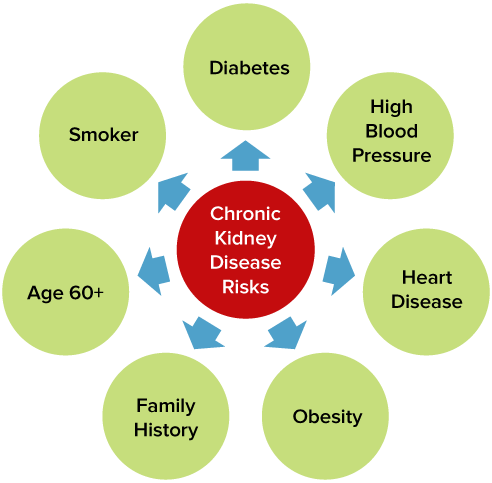
Family History of Kidney Disease as a Risk Factor
Genetic Risk Factors for Kidney Disease
Certain genetic factors can predispose individuals to kidney disease. Having a family history of kidney disease increases your risk of developing the condition. While genetic factors are not entirely within your control, being aware of them can help you take appropriate precautions to protect your kidney health.
Understanding the Importance of Family History
Your family history provides valuable insight into your predisposition to developing kidney disease. By knowing if any close relatives have been affected by kidney disease, you can communicate this information to your healthcare provider. This allows for more targeted screenings and early interventions, increasing the chances of effectively managing kidney disease.
Screening for Kidney Disease
If you have a family history of kidney disease, your healthcare provider may recommend regular screenings to monitor your kidney function. This may involve blood tests to assess kidney function and urine tests to check for the presence of any abnormalities. Early detection is crucial for implementing appropriate treatment strategies and slowing the progression of kidney disease.
Early Detection and Intervention
Early detection of kidney disease, particularly in individuals with a family history, allows for timely intervention to slow the progression of the condition. By closely monitoring your kidney function, working with your healthcare provider, and following their recommendations, you can take proactive steps to protect your kidneys.
Collaborating with Healthcare Providers
Collaboration with your healthcare provider is crucial for effectively managing kidney disease and reducing the risk of complications. Communicate your family history of kidney disease and any concerns or symptoms you may have to ensure appropriate screenings and interventions are implemented.
Implementing Preventive Measures
If you have a family history of kidney disease, there are several preventive measures you can take to protect your kidneys. These include adopting a healthy lifestyle, managing existing medical conditions, such as diabetes or hypertension, and regularly monitoring your kidney function through screenings.
Age as a Risk Factor
Increased Prevalence of Kidney Disease with Age
Age is an unmodifiable risk factor for chronic kidney disease. As you get older, the risk of developing kidney disease increases. Understanding how age impacts kidney function and taking preventative measures is crucial to maintain optimal kidney health as you age.
Understanding Age-Related Changes in Kidney Function
As you age, various changes occur in the kidneys that can affect their function. The kidneys may become less efficient at filtering waste and regulating fluid and electrolyte balance. Additionally, blood flow to the kidneys may be reduced, further compromising their function. Regular monitoring of kidney health can help identify and manage age-related changes effectively.
Regular Monitoring of Kidney Health
Regular monitoring of kidney health becomes even more important as you age. This can be done through routine screenings, including blood tests to assess kidney function and urine tests to check for the presence of any abnormalities. Early detection of kidney disease allows for timely interventions to slow the progression and maintain kidney function.
Implementing Lifestyle Modifications as Needed
Lifestyle modifications can play a significant role in protecting your kidneys as you age. This includes adopting a healthy diet, engaging in regular physical activity, not smoking, managing chronic conditions such as diabetes and hypertension, and avoiding overuse of certain medications. By making these adjustments, you can support optimal kidney function and reduce the risk of developing kidney disease.
Managing Comorbidities Associated with Aging
As you age, the likelihood of having other chronic conditions, such as diabetes or hypertension, increases. These conditions can further impact kidney health and increase the risk of developing kidney disease. Effectively managing these comorbidities through medication, lifestyle modifications, and regular check-ups with your healthcare provider is crucial for maintaining kidney health.

Obesity as a Risk Factor
Link Between Obesity and Kidney Disease
Obesity is a significant risk factor for chronic kidney disease. Excess body weight puts additional strain on the kidneys and can lead to kidney damage over time. Understanding the link between obesity and kidney disease can help motivate you to adopt healthier lifestyle choices.
Effect of Excess Weight on Kidney Function
Excess weight can disrupt the delicate balance of the kidneys. It can increase the workload on the kidneys, leading to reduced functionality and impaired filtration of waste products from the blood. Additionally, obesity is associated with other risk factors for kidney disease, such as diabetes and hypertension, further increasing the risk.
Maintaining a Healthy Weight Through Diet and Exercise
Maintaining a healthy weight through a balanced diet and regular exercise is crucial for protecting kidney health. Focus on consuming a diet rich in fruits, vegetables, whole grains, lean proteins, and healthy fats. Avoid or limit the consumption of processed foods, sugary beverages, and foods high in sodium and saturated fats.
Getting Professional Guidance for Weight Management
If you are struggling with obesity, seeking professional guidance for weight management can be beneficial. A healthcare provider or registered dietitian can provide personalized recommendations and strategies to help you reach and maintain a healthy weight. They can assist in developing a balanced meal plan, creating an exercise routine, and providing support throughout your weight loss journey.
Sustaining Long-Term Lifestyle Changes
Sustaining long-term lifestyle changes is essential for managing weight and protecting kidney health. Crash diets or unsustainable weight loss strategies may provide temporary results but often lead to weight regain. Focus on making gradual and sustainable changes to your eating habits and exercise routine, creating a healthy and balanced lifestyle that promotes optimal kidney function.
Avoiding Crash Diets and Unsustainable Weight Loss Strategies
Crash diets and unsustainable weight loss strategies can have detrimental effects on overall health, including kidney health. Rapid weight loss can lead to a breakdown of muscle tissue, electrolyte imbalances, and a compromised immune system, all of which can impact kidney function negatively. It is important to prioritize gradual and sustainable weight loss for long-term health benefits.
Smoking as a Risk Factor
Understanding the Detrimental Effects of Smoking on Kidneys
Smoking is a risk factor for various health conditions, including kidney disease. Smoking harms the blood vessels throughout the body, restricting blood flow to the kidneys and impairing their function. Understanding the detrimental effects of smoking on kidneys can motivate you to quit and protect your kidney health.
Quitting Smoking for Kidney Health
Quitting smoking is one of the most effective ways to protect your kidneys and overall health. By quitting, you reduce the risk of kidney damage and slow the progression of kidney disease if you already have it. Quitting smoking is not easy, but with determination and support, it is achievable.
Seeking Support for Smoking Cessation
Seeking support for smoking cessation can significantly improve your chances of successfully quitting. Various resources are available, including healthcare professionals, support groups, and helplines. These resources can provide guidance, coping strategies, and motivational support throughout your journey to quit smoking.
Utilizing Nicotine Replacement Therapies
Nicotine replacement therapies, such as nicotine gums, patches, or inhalers, can help alleviate withdrawal symptoms and cravings associated with quitting smoking. These therapies provide a controlled dose of nicotine to help you gradually reduce your dependence on cigarettes while minimizing the harmful effects of smoking.
Engaging in Behavioral Therapies
Behavioral therapies, such as cognitive-behavioral therapy (CBT), can be beneficial for quitting smoking. CBT helps individuals identify and change thought patterns and behaviors that contribute to smoking. By addressing the underlying triggers and developing healthier coping mechanisms, you can increase your chances of successfully quitting smoking.
Adopting Healthy Coping Mechanisms
Adopting healthy coping mechanisms to replace smoking is crucial for long-term success. Find alternative ways to manage stress, such as practicing meditation, engaging in physical activity, pursuing hobbies, or seeking support from friends and family. By addressing the emotional and psychological aspects of smoking, you can better protect your kidney health.
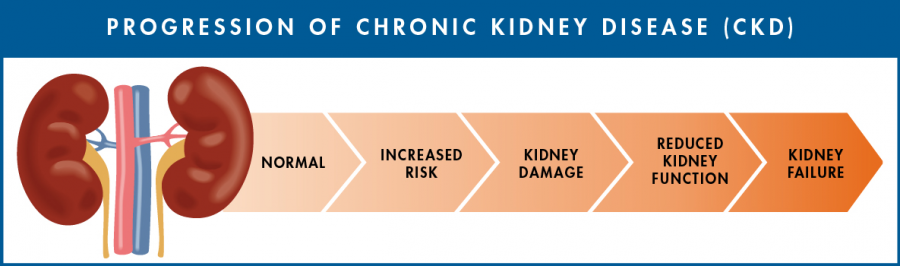
Cardiovascular Disease as a Risk Factor
Understanding the Connection Between Cardiovascular and Kidney Health
Cardiovascular disease and kidney disease often coexist and share several risk factors. Conditions such as high blood pressure, diabetes, and high cholesterol can significantly impact both cardiovascular and kidney health. Understanding the connection between these two systems emphasizes the importance of managing cardiovascular risk factors to protect your kidneys.
Managing Cardiovascular Risk Factors
Effective management of cardiovascular risk factors is crucial for protecting both cardiovascular and kidney health. This includes controlling blood pressure, managing blood sugar levels, and maintaining healthy cholesterol levels through lifestyle modifications and prescribed medications.
Controlling Blood Pressure, Cholesterol, and Blood Sugar Levels
Controlling blood pressure, cholesterol levels, and blood sugar levels are central to reducing the risk of cardiovascular and kidney disease. This can be achieved through medication, a heart-healthy diet, regular exercise, and appropriate lifestyle modifications. Regular monitoring and consultation with healthcare professionals are essential for proper management.
Maintaining a Heart-Healthy Diet
A heart-healthy diet is beneficial for both cardiovascular and kidney health. Focus on consuming a variety of fruits, vegetables, whole grains, lean proteins, and healthy fats. Limit the intake of processed foods, saturated fats, and sodium, as these can contribute to cardiovascular disease and kidney damage.
Engaging in Regular Physical Activity
Regular physical activity is vital for cardiovascular health and can simultaneously benefit the kidneys. Engage in aerobic exercises such as brisk walking, jogging, swimming, or cycling for at least 150 minutes per week. This promotes optimal blood flow, reduces the risk of cardiovascular disease, and helps maintain kidney function.
Taking Prescribed Medications
If you have been prescribed medications for the management of cardiovascular risk factors, it is important to take them as directed by your healthcare provider. These medications, such as antihypertensives, statins, and antidiabetic medications, are essential for controlling blood pressure, cholesterol, and blood sugar levels, reducing the strain on the kidneys.
Prolonged Use of Certain Medications as a Risk Factor
Medications That Can Harm Kidney Function
Certain medications, particularly when used for prolonged periods or in high doses, can harm kidney function. Nonsteroidal anti-inflammatory drugs (NSAIDs), such as ibuprofen and naproxen, can cause kidney damage if used excessively. Additionally, certain antibiotics, antiviral drugs, and chemotherapy agents can have adverse effects on kidney health.
Consulting with Healthcare Professionals About Potential Risks
If you are taking medications for a chronic condition, it is crucial to consult with your healthcare provider about potential risks to kidney health. They can assess your specific situation, evaluate the necessity of the medication, and consider alternatives to minimize the impact on kidney function.
Monitoring Kidney Function During Medication Use
Monitoring kidney function through regular blood and urine tests is essential for individuals on medications that may affect kidney health. This allows healthcare providers to detect any changes in kidney function and make appropriate treatment adjustments, such as modifying medication dosage or exploring alternative medications.
Exploring Alternative Medications When Possible
If medications are identified as potential risks to kidney function, alternative medications may be explored. Working closely with your healthcare provider, you can determine the most appropriate medication options that effectively manage your condition while minimizing the impact on kidney health.
Dosage Adjustments for Individuals with Compromised Kidney Function
In individuals with compromised kidney function, dosage adjustments may be necessary for certain medications. This ensures that the medications are appropriately cleared from the body and minimizes the risk of medication toxicity. Healthcare providers will closely monitor kidney function and make the necessary adjustments to medication dosages.
In conclusion, chronic kidney disease is a complex condition that can have severe health repercussions if left untreated. Understanding the various risk factors, such as diabetes, high blood pressure, family history, age, obesity, smoking, cardiovascular disease, high cholesterol, urinary tract infections, and prolonged use of certain medications, allows you to take proactive steps to protect your kidney health. By adopting a healthy lifestyle, managing chronic conditions, prioritizing regular check-ups with healthcare providers, and making necessary lifestyle modifications, you can greatly reduce the risk of developing chronic kidney disease and promote overall well-being. Remember, your kidneys play a vital role in maintaining optimal health, so take care of them by prioritizing preventive measures and early detection of any potential issues.