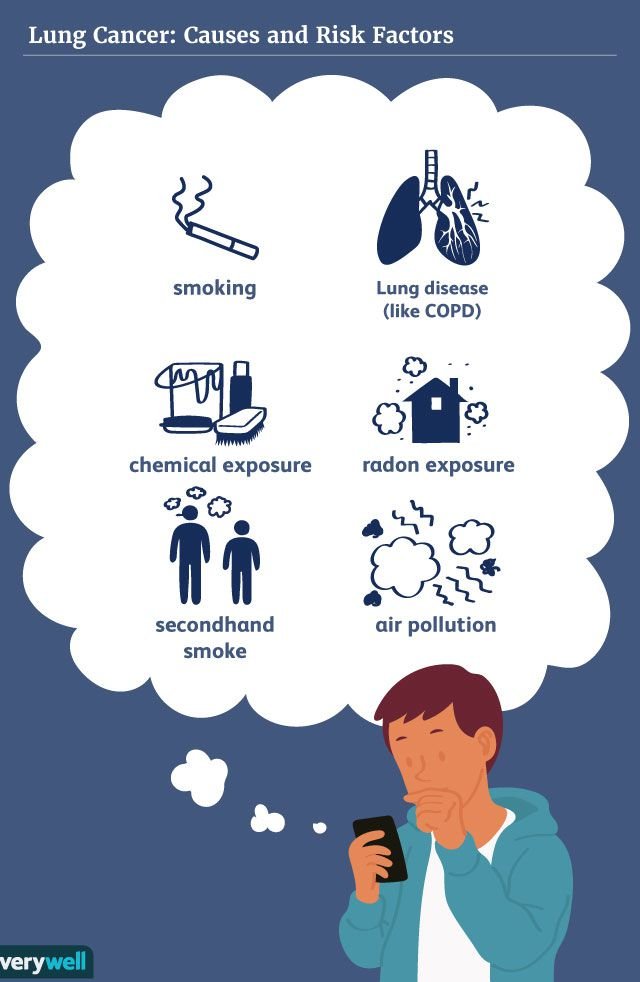
Lung disease can take a toll on your overall health and well-being, making it important to understand the risk factors and precautions associated with it. Whether you’re a smoker or exposed to secondhand smoke, have a family history of lung disease, or are regularly exposed to occupational hazards like asbestos, being aware of these risk factors is crucial. This article aims to shed light on the precautions you can take, such as quitting smoking, avoiding exposure to pollutants, and maintaining a healthy lifestyle, to minimize your chances of developing lung disease and promote lung health. So, let’s dive into the world of lung disease and arm ourselves with knowledge to protect our lungs.

Risk Factors for Lung Disease
Smoking
Smoking is the leading cause of lung disease. The chemicals in cigarettes and other tobacco products can damage the lungs and increase the risk of developing conditions such as chronic obstructive pulmonary disease (COPD), lung cancer, and emphysema. The longer and more frequently an individual smokes, the higher their risk of experiencing these lung diseases. Quitting smoking is the most effective way to reduce the risk of developing lung disease.
Exposure to Secondhand Smoke
Inhaling secondhand smoke, which is the smoke emitted from someone else’s tobacco product, can also contribute to lung disease. Breathing in secondhand smoke can be as harmful as smoking firsthand, as it contains many of the same harmful chemicals and toxins. Children and non-smoking adults who are consistently exposed to secondhand smoke are at an increased risk of developing lung diseases such as asthma and respiratory infections.
Genetic Factors
Some individuals may have a genetic predisposition to lung disease. If there is a family history of lung disease, such as COPD or lung cancer, there may be an increased risk of developing these conditions. Genetic conditions like Alpha-1 Antitrypsin Deficiency can also impact lung health and increase the susceptibility to developing lung diseases.
Occupational Exposures
Certain occupations involve exposure to harmful substances that can damage the lungs. This includes jobs in industries like mining, construction, agriculture, and manufacturing, where workers may be exposed to asbestos, silica, or other hazardous chemicals. Prolonged exposure to these substances can lead to occupational lung diseases such as pneumoconiosis and occupational asthma. It is important for employers to provide protective measures and for workers to follow safety protocols to minimize these risks.
Air Pollution
Exposure to outdoor and indoor air pollution is a significant risk factor for lung disease. Both ambient air pollution, such as emissions from vehicles and industrial activities, and indoor air pollution from sources like smoke, dust, and household chemicals can have detrimental effects on respiratory health. Long-term exposure to air pollution can increase the risk of respiratory infections, worsen asthma symptoms, and lead to the development of chronic lung diseases.
Respiratory Infections
Respiratory infections, such as the flu and pneumonia, can have severe consequences for lung health. These infections can cause inflammation in the respiratory system, making the lungs more vulnerable to damage and increasing the risk of developing chronic lung diseases. Taking precautions to prevent respiratory infections, such as practicing good hand hygiene and getting vaccinated, can help reduce the risk.
Age
As we age, our lung function naturally declines. The elasticity of the lungs decreases, which can make breathing more difficult. Aging lungs may also be more susceptible to infections and chronic lung diseases. It is important to take care of our lungs as we age by staying physically active, avoiding exposure to pollutants, and getting regular check-ups to monitor lung health.
Family History
Having a family member with a history of lung disease can increase an individual’s risk of developing similar conditions. This is because certain genetic factors may be passed down through generations, making some individuals more predisposed to lung diseases. It is crucial for individuals with a family history of lung disease to be aware of their increased risk and take appropriate precautions.
Gender
Gender can also play a role in the risk of developing lung disease. Historically, there has been a higher prevalence of lung diseases among men due to higher rates of smoking. However, as more women have taken up smoking, the gender disparity in lung disease has reduced. It is essential for both men and women to understand the risks associated with smoking and other factors, and take necessary precautions to protect their lung health.
Preexisting Conditions
Certain preexisting medical conditions can increase the risk of developing lung disease. Conditions like asthma, cystic fibrosis, and autoimmune disorders can compromise lung function and make individuals more susceptible to infections and other respiratory issues. It is crucial for individuals with preexisting conditions to work closely with their healthcare providers to manage their condition and minimize the risk of developing further lung complications.

Precautions to Reduce the Risk of Lung Disease
Avoid Smoking and Secondhand Smoke
The most effective way to reduce the risk of lung disease is to avoid smoking and secondhand smoke. If you are a smoker, quitting is the best step you can take to improve your lung health. There are various resources available to help individuals quit smoking, such as counseling, support groups, and nicotine replacement therapy. Additionally, creating smoke-free environments in homes, cars, and public spaces can protect both smokers and non-smokers from the harmful effects of secondhand smoke.
Improve Indoor Air Quality
Improving indoor air quality can significantly reduce the risk of lung disease. Regularly ventilating indoor spaces, using air purifiers, and avoiding the use of household products that release harmful chemicals can help keep indoor air clean. It is especially important for individuals with respiratory conditions or allergies to ensure that their living spaces have good air quality.
Protective Measures at the Workplace
If you work in an occupation that exposes you to harmful substances, it is crucial to take protective measures. This can include using personal protective equipment like masks and respirators, following safety protocols, and participating in regular health screenings. Employers should prioritize providing a safe working environment and educate employees about the risks associated with occupational exposures.
Minimize Exposure to Air Pollution
Reducing exposure to air pollution can be challenging in certain areas, but there are steps you can take to protect your lungs. Avoid spending prolonged periods of time in areas with heavy traffic or industrial activities. When air quality is poor, consider staying indoors and using air purifiers. It can also be beneficial to track air quality indexes and plan outdoor activities accordingly.
Practice Good Respiratory Hygiene
Practicing good respiratory hygiene can help prevent respiratory infections and protect lung health. This includes covering your mouth and nose with a tissue or your elbow when coughing or sneezing, disposing of tissues properly, and frequently washing your hands. Avoiding close contact with individuals who have respiratory infections and maintaining a healthy distance in crowded places can also reduce the risk of exposure.
Maintain a Healthy Lifestyle
Maintaining a healthy lifestyle can contribute to overall lung health. Eating a balanced diet rich in fruits and vegetables provides essential nutrients for lung function. Regular physical exercise helps improve lung capacity and strengthens respiratory muscles. Avoiding excessive alcohol consumption and maintaining a healthy weight are also beneficial for long-term lung health.
Get Vaccinated
Vaccinations can protect against respiratory infections and reduce the risk of developing complications. It is recommended to receive vaccines for diseases such as the flu and pneumonia, especially for individuals in high-risk groups. Consult with your healthcare provider to determine which vaccines are appropriate for your age and health status.
Regular Exercise
Engaging in regular exercise not only improves overall fitness but also strengthens the lungs. Cardiovascular exercises like walking, jogging, swimming, and cycling enhance lung function and promote healthy breathing patterns. It is important to choose activities that you enjoy and gradually increase intensity to avoid overexertion.
Stay Hydrated
Staying hydrated is essential for maintaining healthy lungs. Drinking an adequate amount of water helps keep mucus membranes moist, facilitating the removal of mucus and reducing the risk of respiratory infections. Aim to drink at least eight glasses of water per day, or more if you are physically active or in a hot climate.
Take Precautions in Flu Season
During flu season, it is crucial to take extra precautions to avoid respiratory infections. This includes getting vaccinated, practicing good hand hygiene, avoiding close contact with sick individuals, and staying home if you are feeling unwell. If you experience flu-like symptoms such as fever, cough, and body aches, it is important to seek medical attention promptly.
Smoking
Dangers of Smoking
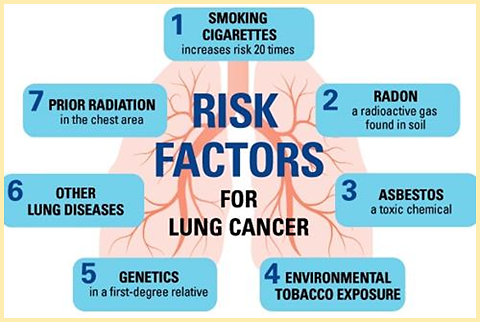
Smoking poses numerous dangers to both smokers and those exposed to secondhand smoke. Tobacco smoke contains over 7,000 chemicals, including at least 70 known carcinogens. The toxins present in cigarettes can damage the cells lining the airways and increase inflammation in the lungs. Smoking is the leading cause of preventable deaths worldwide and is responsible for approximately 8 out of 10 cases of lung cancer.
Risk of Developing Lung Disease
The risk of developing lung disease significantly increases with smoking. Smoking damages the air sacs in the lungs and reduces their elasticity, leading to problems with breathing. Chronic bronchitis and emphysema, the two main conditions that comprise COPD, are directly linked to smoking. Smokers also have an increased risk of developing lung cancer, as the harmful chemicals in cigarettes can cause DNA mutations in lung cells.
How to Quit Smoking
Quitting smoking is the single most effective step you can take to reduce your risk of lung disease. There are several strategies and resources available to help you quit. Nicotine replacement therapies, such as nicotine gum or patches, can help manage withdrawal symptoms. Behavioral therapies, counseling, and support groups can provide essential guidance and motivation during the quitting process. It is important to seek support from healthcare professionals or quit-smoking helplines to increase your chances of success.