
Graves Disease, a thyroid disorder affecting millions worldwide, poses certain risk factors that can significantly impact individuals. This article explores the various factors that contribute to the development of Graves Disease, shedding light on the precautions one can take to prevent its onset. By understanding these risk factors and implementing appropriate precautions, you can safeguard your health and potentially reduce the likelihood of facing this condition.
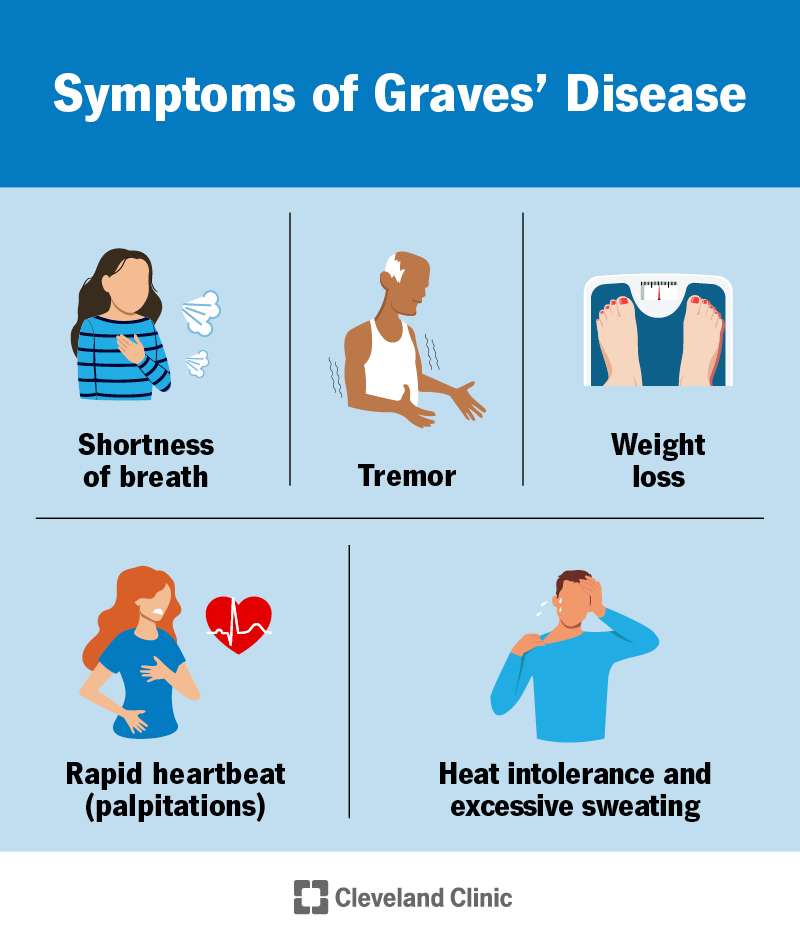
Risk Factors for Graves Disease
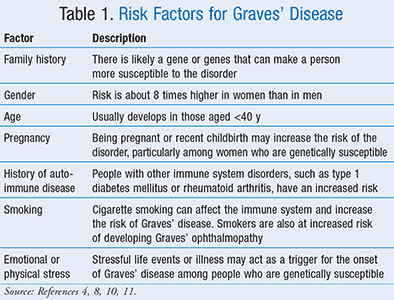
Graves Disease is an autoimmune disorder that affects the thyroid gland and leads to hyperthyroidism. Although the exact cause of Graves Disease is unknown, there are several risk factors that can increase your chances of developing this condition. By understanding these risk factors, you can take the necessary precautions to minimize your chances of developing Graves Disease.
Family History
One of the most significant risk factors for Graves Disease is having a family history of the condition. If one or more of your close family members, such as parents or siblings, have been diagnosed with Graves Disease, your risk of developing it increases. This is because there may be a genetic predisposition towards developing autoimmune disorders, including Graves Disease, within certain families. It is important to be aware of your family’s medical history and discuss it with your healthcare provider.
Sex
Another risk factor for Graves Disease is gender. Although the condition can affect both men and women, it is more common in women, particularly those between the ages of 20 and 40. The reason for the gender disparity is not yet fully understood, but hormonal and genetic factors are believed to play a role. Therefore, if you are a woman within this age range, it is important to be aware of the signs and symptoms of Graves Disease and seek medical attention if you experience any of them.
Age
Age is also a risk factor for Graves Disease. While it can affect individuals of any age, it is most commonly diagnosed in middle-aged adults. The onset of Graves Disease typically occurs between the ages of 30 and 50. However, it is important to note that it can also affect children and the elderly. If you fall within the high-risk age range, it is crucial to be proactive about your health and monitor any potential symptoms.
Emotional or Physical Stress
Emotional or physical stress can trigger the onset or exacerbation of Graves Disease. Stress can negatively affect the immune system and lead to the development of autoimmune disorders. Whether it’s due to a major life event, work-related stress, or personal struggles, finding healthy ways to manage and cope with stress is essential. Engaging in stress-reducing activities such as yoga, meditation, exercise, or seeking support from friends and loved ones can help to minimize the impact of stress on your overall health.
Smoking
Smoking is a risk factor for a variety of health conditions, and Graves Disease is no exception. Research has shown that smoking can increase the risk of developing autoimmune thyroid diseases, including Graves Disease. Smoking not only promotes inflammation but also affects the body’s immune response. If you currently smoke, it is highly advisable to quit in order to reduce your risk of developing Graves Disease as well as other serious health complications.
Pregnancy
Pregnancy is a complex time for a woman’s body, and it can increase the risk of developing Graves Disease or exacerbate existing symptoms. During pregnancy, hormonal changes can trigger an overactive thyroid, leading to hyperthyroidism. If you are planning to become pregnant or are already pregnant, it is important to consult with your healthcare provider and monitor your thyroid function regularly. Understanding the risks and taking necessary precautions can help ensure a healthy pregnancy and reduce the risk of complications.
Autoimmune Disorders
Graves Disease is classified as an autoimmune disorder, meaning that the body’s immune system mistakenly attacks healthy cells and tissues. While the exact cause of autoimmune disorders is not fully known, there are several factors that can contribute to their development.
Genetics
Genetics plays a significant role in the development of autoimmune disorders, including Graves Disease. If you have a family history of autoimmune disorders, you may have a higher risk of developing Graves Disease. Certain genes and variations in immune system genes can make individuals more susceptible to developing autoimmune diseases. While you cannot change your genetic makeup, being aware of your family history can help you and your healthcare provider monitor your health more closely.
Thyroid Stimulating Hormone Receptor Antibodies
Thyroid Stimulating Hormone Receptor Antibodies (TRAbs) are specific antibodies that play a crucial role in the development of Graves Disease. TRAbs stimulate the thyroid gland, causing it to produce excessive amounts of thyroid hormones. The presence of these antibodies has been linked to the development and progression of Graves Disease. If you have been diagnosed with Graves Disease or are at risk, your healthcare provider may monitor your TRAbs levels to assess the severity of the condition and determine the most appropriate treatment approach.
Environmental Factors
While genetics and immune system abnormalities are key factors in the development of Graves Disease, there are also environmental factors that can contribute to its onset or exacerbation.
Infections
Certain infections have been identified as potential triggers for Graves Disease. Viral and bacterial infections, such as the Epstein-Barr virus or Yersinia infections, have been associated with the development of autoimmune thyroid diseases, including Graves Disease. It is important to take necessary precautions to avoid getting sick and practice good hygiene, especially during periods when infections are more prevalent.
Iodine Intake
Excessive intake of iodine has been linked to the development of Graves Disease, particularly in individuals who are genetically predisposed to the condition. Iodine is an essential mineral required for the production of thyroid hormones. However, consuming excessive amounts of iodine through diet or supplements can lead to the overstimulation of the thyroid gland, contributing to the development of hyperthyroidism. It is important to maintain a balanced diet and avoid excessive consumption of iodine-rich foods or supplements.
Excessive Consumption of Selenium
Selenium is a trace element that plays a vital role in the normal functioning of the thyroid gland. While selenium deficiency can contribute to the development of thyroid disorders, excessive consumption of selenium has also been associated with an increased risk of Graves Disease. It is important to maintain a balanced diet and consult with a healthcare provider or nutritionist to ensure you are getting the right amount of selenium.
Stress
Emotional and physical stress can impact the immune system, leading to the development or exacerbation of autoimmune diseases, including Graves Disease. Chronic stress can disrupt immune function and contribute to inflammation within the body. Finding healthy ways to manage stress, such as engaging in regular exercise, practicing relaxation techniques, or seeking support from friends and family, can help reduce the impact of stress on your overall health and immune system.
Other Medical Conditions
In addition to the above risk factors, certain medical conditions have been associated with an increased risk of developing Graves Disease.
Type 1 Diabetes
There is a well-established link between Graves Disease and type 1 diabetes. Both conditions are autoimmune disorders and share a similar underlying mechanism. If you have been diagnosed with type 1 diabetes, it is important to be aware of the potential risk of developing Graves Disease and monitor for any signs or symptoms.
Rheumatoid Arthritis
Rheumatoid arthritis (RA) is another autoimmune disorder that can increase the risk of developing Graves Disease. The presence of one autoimmune disease can predispose individuals to develop others due to shared underlying causes. If you have been diagnosed with RA, it is essential to work closely with your healthcare provider to monitor your overall health and for any potential signs of Graves Disease.
Vitiligo
Vitiligo, a condition characterized by the loss of skin color in patches, has been associated with an increased risk of developing autoimmune disorders, including Graves Disease. The coexistence of these conditions suggests a common underlying mechanism related to abnormal immune system function. Regular medical monitoring and communication with your healthcare provider are crucial if you have been diagnosed with vitiligo.
Addison’s Disease
Addison’s disease is a rare autoimmune disorder that affects the adrenal glands and leads to adrenal insufficiency. Individuals with Addison’s disease have an increased risk of developing other autoimmune disorders, including Graves Disease. It is important to work closely with a healthcare provider specializing in endocrinology to monitor and manage these conditions effectively.
Lupus
Lupus is a chronic autoimmune disease that can affect various parts of the body, including the thyroid gland. The underlying immune dysfunction in lupus can contribute to the development or exacerbation of other autoimmune disorders, such as Graves Disease. If you have been diagnosed with lupus, close monitoring by your healthcare provider is essential to detect and manage any associated thyroid complications.

Precautions and Prevention
While it may not be possible to completely prevent Graves Disease, there are several precautions you can take to reduce your risk or minimize the impact of the disease on your health.
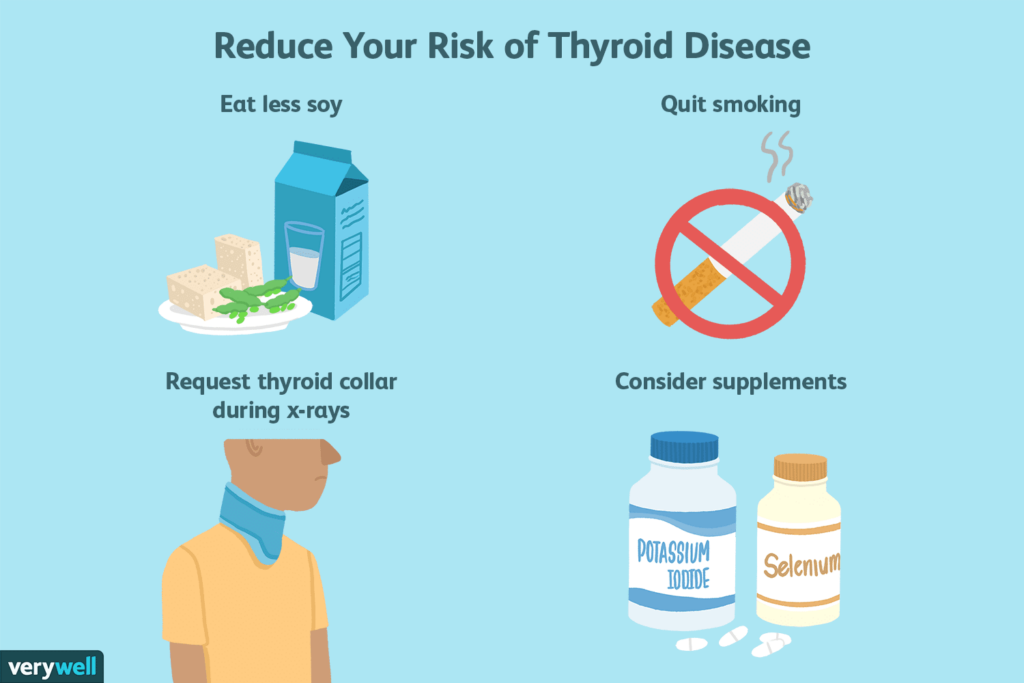
Avoid Smoking
Smoking is a well-known risk factor for a variety of health conditions, including Graves Disease. Quitting smoking or avoiding exposure to secondhand smoke can greatly reduce your risk of developing the disease. If you are a smoker, reach out to your healthcare provider for resources and strategies to help you quit effectively.
Manage Stress
As mentioned earlier, stress can contribute to the development or exacerbation of Graves Disease. Implementing stress management techniques such as regular exercise, practicing relaxation techniques like deep breathing or meditation, or seeking support from friends and family can help reduce the impact of stress on your overall health.
Limit Iodine Consumption
Excessive intake of iodine has been linked to the development of Graves Disease. While iodine is necessary for the production of thyroid hormones, it is important to maintain a balanced diet and avoid excessive consumption of iodine-rich foods or supplements. Consult with a healthcare provider or nutritionist to determine the appropriate amount of iodine for your personal needs.
Regular Exercise
Regular exercise not only helps manage stress but also promotes overall health and wellbeing. Engaging in physical activity for at least 30 minutes a day can help support a healthy immune system and reduce the risk of developing autoimmune disorders. Consult with your healthcare provider to determine the most appropriate exercise regimen for your individual needs and abilities.
Monitor Hormone Levels
Routine monitoring of thyroid hormone levels is essential for early detection and management of Graves Disease. Regular thyroid function tests, as recommended by your healthcare provider, can help identify any abnormal changes in hormone levels and allow for timely intervention if necessary.
Avoid Excessive Selenium Intake
While selenium is essential for thyroid health, excessive consumption has been linked to an increased risk of developing Graves Disease. It is important to maintain a balanced diet and consult with a healthcare provider or nutritionist to determine the appropriate amount of selenium for your personal needs.
Maintain a Healthy Diet
A balanced and nutritious diet is important for overall health and can help support a properly functioning immune system. Consuming a variety of fresh fruits, vegetables, lean proteins, whole grains, and healthy fats can provide the necessary nutrients for optimal immune function. Consult with a healthcare provider or nutritionist to develop a personalized diet plan that meets your individual nutritional needs.
Managing Emotional Stress
Emotional stress can exacerbate the symptoms of Graves Disease and impact overall wellbeing. Therefore, it is important to implement strategies to effectively manage and cope with emotional stress.
Support Groups
Joining a support group can provide a sense of community and understanding. Connecting with others who are experiencing similar challenges can help alleviate feelings of isolation and provide an outlet for emotional support. Support groups can offer valuable insights and coping strategies for managing Graves Disease and its associated emotional stress.
Therapy
Engaging in therapy, such as cognitive-behavioral therapy, can provide a safe space to explore and address the emotional impact of Graves Disease. A therapist can help provide coping skills, stress management techniques, and support in navigating the challenges associated with living with an autoimmune disorder.
Relaxation Techniques
Incorporating relaxation techniques into your daily routine can help manage emotional stress. Deep breathing exercises, meditation, mindfulness, and yoga have been shown to reduce stress, promote relaxation, and improve overall mental well-being. Experiment with different relaxation techniques to find what works best for you.
Pregnancy and Graves Disease
Pregnancy can present unique challenges and considerations for individuals with Graves Disease. It is important to be aware of the potential risks and take necessary precautions for a healthy pregnancy.
Preconception Planning
If you have Graves Disease and are planning to become pregnant, preconception planning is essential. Working closely with your healthcare provider to optimize your thyroid function before conception can help reduce the risk of complications during pregnancy.
Consultation with Healthcare Provider
It is crucial to consult with your healthcare provider as soon as you suspect or confirm your pregnancy. Together, you will determine the most appropriate course of action and establish a plan for monitoring and managing your Graves Disease during pregnancy.
Regular Thyroid Function Monitoring
Thyroid function monitoring is particularly important during pregnancy, as changes in hormone levels can impact both the mother and the developing fetus. Regular monitoring through blood tests can help ensure that your thyroid hormone levels remain within the optimal range throughout pregnancy.
Radioactive Iodine Treatment
Radioactive iodine treatment is contraindicated during pregnancy as it can harm the developing fetus. If you are planning to conceive, it is important to consult with your healthcare provider to discuss alternative treatment options to manage your Graves Disease effectively.
Antithyroid Medications
Antithyroid medications may be prescribed to manage hyperthyroidism during pregnancy. Your healthcare provider will carefully monitor your thyroid hormone levels and adjust medication dosages as needed to maintain adequate control of your Graves Disease.
Breastfeeding Considerations
Certain antithyroid medications can pass into breast milk and potentially affect the newborn. It is important to discuss with your healthcare provider whether it is safe to breastfeed while taking antithyroid medications. Alternative treatment options may need to be considered to ensure the health and safety of both the mother and baby.
Thyroid Eye Disease
Thyroid Eye Disease (TED), also known as Graves Ophthalmopathy or Graves Orbitopathy, is a common complication of Graves Disease. It affects the tissues and muscles around the eyes, leading to various eye-related symptoms.
Symptom Management
Managing the symptoms of Thyroid Eye Disease is crucial in minimizing any potential damage to the eyes. Common symptoms include bulging eyes, double vision, dryness or tearing of the eyes, and sensitivity to light. Your healthcare provider may prescribe medications to manage these symptoms and prevent any further eye complications.
Eye Protection
Protecting your eyes from exposure to harsh environmental conditions is important in managing Thyroid Eye Disease. Wearing sunglasses or goggles can shield your eyes from excessive sunlight, wind, and dust. Additionally, applying lubricating eye drops may help relieve dryness and discomfort.
Smoking Cessation
Smoking has been strongly linked to the development and progression of Thyroid Eye Disease. If you are a smoker, quitting smoking can significantly improve your eye symptoms and prevent further damage to your vision. By quitting smoking, you are also reducing your overall risk of developing complications associated with Graves Disease.

Risks of Graves Disease Complications
While Graves Disease itself can have numerous health implications, there are specific complications associated with this condition that should be monitored and managed closely.
Thyrotoxic Crisis
Thyrotoxic crisis, also known as thyroid storm, is a life-threatening condition characterized by extremely high thyroid hormone levels. It can cause severe symptoms such as high fever, rapid heartbeat, breathing difficulties, and confusion. Immediate medical attention is required if you experience any of these symptoms, as it is a medical emergency.
Ophthalmopathy
As mentioned earlier, Thyroid Eye Disease is a common complication of Graves Disease. If left untreated, it can lead to significant eye-related complications and permanent damage to vision. Regular eye examinations and prompt management of symptoms can minimize the risk of long-term eye complications.
Pregnancy Complications
Graves Disease can pose specific risks during pregnancy, both for the mother and the developing fetus. Uncontrolled hyperthyroidism can increase the risk of premature birth, low birth weight, preeclampsia, and other complications. Regular monitoring and close communication with a healthcare provider specializing in maternal-fetal medicine are crucial in managing and minimizing these risks.
Heart Disorders
Graves Disease can impact the cardiovascular system and increase the risk of developing heart disorders such as high blood pressure, heart rhythm abnormalities, and cardiac enlargement. Regular monitoring of heart function and working closely with a cardiologist can help detect and manage any potential cardiovascular complications.
Thyroid Storm
Thyroid storm, also known as thyrotoxic crisis, is a life-threatening condition characterized by an extreme surge in thyroid hormone levels. It requires immediate medical attention. Symptoms include high fever, extreme agitation, delirium, rapid heartbeat, and sweating. If you experience any of these symptoms, seek emergency medical care right away.
Regular Medical Monitoring
Regular medical monitoring is essential in managing Graves Disease and minimizing the risk of complications. The following tests can help assess your condition and provide the necessary guidance for appropriate treatment:
Thyroid Function Tests
Routine measurement of thyroid hormone levels, including thyroid-stimulating hormone (TSH), free thyroxine (FT4), and free triiodothyronine (FT3), is essential in monitoring thyroid function and treatment efficacy. These blood tests help determine the optimal dosage of medication and ensure adequate control of the disease.
Eye Examinations
Regular eye examinations are necessary to monitor the progression of Thyroid Eye Disease and detect any signs of worsening symptoms or eye complications. An ophthalmologist will carefully assess visual acuity, eye movements, and any changes in the tissues surrounding the eyes.
Heart Function Tests
Given the potential impact of Graves Disease on the cardiovascular system, heart function tests such as electrocardiograms (ECG) and echocardiograms may be recommended to assess heart structure and function. These tests help detect any abnormalities and guide appropriate management if necessary.
Bone Density Tests
Hyperthyroidism associated with Graves Disease can increase the risk of bone loss and osteoporosis. Bone density tests, such as dual-energy X-ray absorptiometry (DXA), can assess bone health and determine the need for preventative measures or treatment.
In conclusion, understanding the risk factors for Graves Disease is crucial in taking the necessary precautions and adopting a proactive approach to your health. By being aware of your family history, managing stress, avoiding smoking, and following a healthy lifestyle, you can minimize your risk of developing Graves Disease and its associated complications. Regular medical monitoring and close communication with your healthcare provider are essential in managing the condition effectively and ensuring optimal overall health.