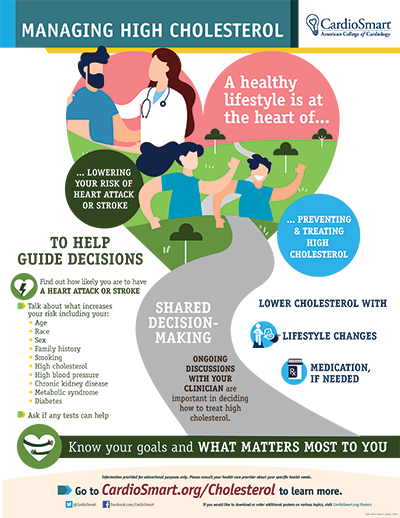
Are you concerned about your cholesterol levels? In this article, we will explore the risk factors and precautions for hypercholesterolemia, a condition characterized by high levels of cholesterol in the blood. By understanding these factors and taking appropriate precautions, you can effectively manage your cholesterol levels and reduce the risk of developing heart disease. So, let’s dive into the causes, symptoms, and steps you can take to maintain a healthy cholesterol profile in a friendly and informative manner.
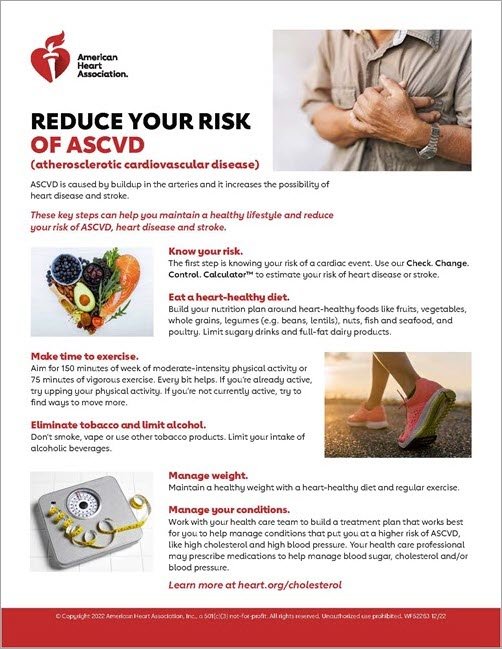
Risk Factors for Hypercholesterolemia
Hypercholesterolemia, or high cholesterol, is a common condition that can increase the risk of heart disease and stroke. While high cholesterol can be influenced by a variety of factors, there are specific risk factors that can contribute to its development. By understanding these risk factors, you can take steps to manage your cholesterol levels and reduce your risk of cardiovascular disease.
Genetics
One of the primary risk factors for hypercholesterolemia is genetics. Certain gene variations can affect how your body produces and processes cholesterol. Chromosome abnormalities, such as Down syndrome, can lead to higher levels of cholesterol. Additionally, familial hypercholesterolemia is an inherited condition that causes high cholesterol levels from birth. Polygenic hypercholesterolemia, on the other hand, involves multiple genetic factors that can contribute to higher cholesterol levels.
Dietary Choices
Diet plays a crucial role in cholesterol levels, and certain dietary choices can increase your risk of developing hypercholesterolemia. Foods high in saturated fats, such as red meat, full-fat dairy products, and some oils, can raise your cholesterol levels. Trans fats, which are often found in processed and fried foods, can also raise bad cholesterol (LDL) levels. Moreover, consuming too much dietary cholesterol, found in animal-based foods, can contribute to high cholesterol. High intake of added sugars and sodium, as well as low fiber intake, can also impact cholesterol levels negatively.
Physical Inactivity
Leading a sedentary lifestyle and not engaging in regular physical activity can contribute to high cholesterol levels. Lack of exercise decreases the levels of good cholesterol (HDL) and can lead to weight gain and obesity, both of which can raise total cholesterol levels. Inactive occupations that involve long periods of sitting can also increase the risk of hypercholesterolemia. To mitigate this risk factor, incorporating cardiovascular exercises, such as brisk walking or cycling, into your routine can help improve cholesterol levels.
Obesity
Obesity is strongly associated with hypercholesterolemia due to its impact on various aspects of cholesterol metabolism. Excess weight, particularly around the waist and abdomen, can lead to higher levels of total cholesterol and triglycerides. Additionally, obesity often coincides with increased levels of LDL cholesterol and decreased levels of HDL cholesterol. Body Mass Index (BMI), waist circumference, and visceral fat are important indicators of obesity-related hypercholesterolemia.
Smoking
Smoking is not only harmful to your lungs but also contributes to high cholesterol levels and cardiovascular disease risk. The nicotine and other toxins present in cigarettes can increase levels of LDL cholesterol while lowering levels of HDL cholesterol. Moreover, exposure to secondhand smoke can have similar effects on cholesterol levels. Quitting smoking and avoiding secondhand smoke are vital steps in improving cholesterol levels and overall heart health.
Age and Gender
Age and gender are also significant risk factors for hypercholesterolemia. Cholesterol levels naturally increase with age, as the body’s metabolism slows down. Postmenopausal women, in particular, are at a higher risk due to hormonal changes that can lead to unfavorable changes in cholesterol levels. Regular cholesterol screenings and lifestyle modifications become even more crucial as you age or enter menopause.
Medical Conditions
Certain medical conditions can contribute to hypercholesterolemia. Diabetes mellitus, a chronic condition that affects blood sugar control, is associated with higher cholesterol levels, especially LDL cholesterol. Hypothyroidism, where the thyroid gland does not produce enough hormones, can disrupt cholesterol metabolism and raise levels of total and LDL cholesterol. Polycystic ovary syndrome (PCOS), chronic kidney disease, and liver disease can also impact cholesterol levels and increase the risk of hypercholesterolemia.
Certain Medications
Some medications can have a side effect of raising cholesterol levels. Diuretics, commonly used to treat high blood pressure, can cause an increase in cholesterol levels in some individuals. Beta-blockers, which are used to manage conditions like hypertension and heart disease, can also have an impact on cholesterol. Immunosuppressants, steroids, and HIV medications can disrupt cholesterol metabolism as well. If you are taking these medications, it is important to monitor your cholesterol levels and work closely with your healthcare provider to manage them effectively.
Family History
Family history and genetics can play a significant role in determining your risk of developing hypercholesterolemia. If you have close family members, such as parents or siblings, with high cholesterol or cardiovascular disease, you may be more likely to develop the condition yourself. Understanding your family history can help you and your healthcare provider make informed decisions about managing cholesterol levels and implementing preventive measures.
Race and Ethnicity
Race and ethnicity can also influence the risk of hypercholesterolemia. Certain racial and ethnic groups, such as African Americans, Hispanics, and Native Americans, have higher rates of high cholesterol compared to other populations. Biological factors, as well as lifestyle and dietary patterns within these communities, can contribute to these disparities. Awareness of these risk factors can help individuals from these groups take preventive measures and actively manage their cholesterol levels.
Educational Resources
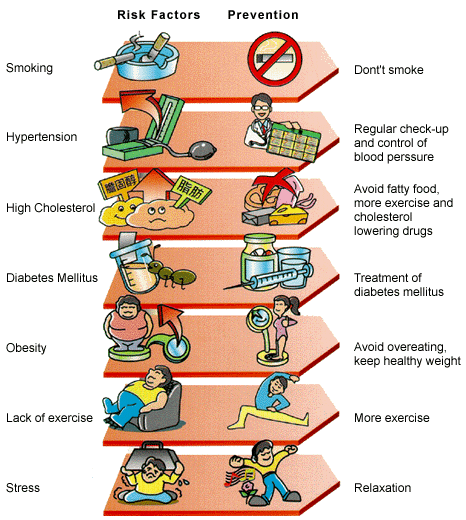
To learn more about hypercholesterolemia and how to reduce your risk, there are various educational resources available. Patient education materials provide information on cholesterol management, dietary guidelines, and the importance of physical activity. Support groups can offer guidance and a sense of community for individuals dealing with high cholesterol. Online resources, such as reputable websites and forums, can provide reliable information and practical tips. Finally, consulting with healthcare professionals, including doctors, dietitians, and pharmacists, can ensure personalized guidance and support in managing hypercholesterolemia effectively.
In conclusion, hypercholesterolemia is a significant risk factor for heart disease and stroke. By understanding and addressing the risk factors mentioned above, you can take proactive steps to manage your cholesterol levels and reduce your risk of developing cardiovascular complications. Making positive changes to your lifestyle, such as adopting a heart-healthy diet, engaging in regular physical activity, and quitting smoking, can contribute to better cholesterol management. Working closely with healthcare professionals and staying informed through educational resources can further empower you to take control of your cholesterol health. Remember, it’s never too late to make positive changes and prioritize your heart health.