Are you considering knee replacement surgery? It’s important to be aware of the risk factors and precautions associated with this procedure. Knee replacement surgery is typically recommended for individuals who have severe knee pain or joint damage that affects their daily activities. However, certain factors, such as age, obesity, and medical conditions like diabetes or heart disease, can increase the risk of complications during and after the surgery. To ensure a successful outcome, it is crucial to take necessary precautions, such as quitting smoking, maintaining a healthy weight, and following the pre- and post-operative instructions provided by your healthcare team. By understanding the risk factors and taking the necessary precautions, you can make a well-informed decision and improve the chances of a successful knee replacement surgery.

Risk Factors for Knee Replacement Surgery
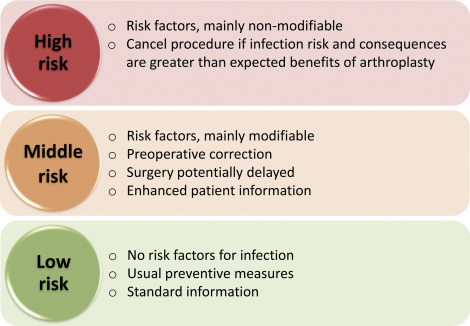
Knee replacement surgery can be a life-changing procedure for individuals who have been suffering from chronic knee pain and limited mobility. However, it is important to understand that there are certain risk factors associated with this surgery. By being aware of these factors, you can make informed decisions about your treatment options and take necessary precautions to ensure a successful outcome.
Age
Age plays a significant role in determining the success of knee replacement surgery. Generally, younger patients tend to have better outcomes compared to older individuals. This is because younger patients have a higher bone density, better muscle strength, and overall healthier joints. However, advanced age does not necessarily mean that you are not a candidate for knee replacement surgery. In fact, many elderly individuals have experienced significant improvement in their quality of life after the procedure.
Gender
Gender can also influence the outcome of knee replacement surgery. Recent studies have shown that women tend to have higher rates of complications following knee replacement compared to men. These complications may include infection, blood clots, and stiffness in the joint. One possible reason for this difference is the variation in bone structure and hormonal factors between genders. However, it’s important to note that the overall success rates for both men and women are still high, and gender should not be a deterrent from considering the surgery.
Weight
Weight is another important factor to consider when it comes to knee replacement surgery. Excess weight can put added stress on your joints, leading to more wear and tear. This can accelerate the progression of osteoarthritis and make the recovery process more challenging. It is crucial for overweight individuals to discuss weight loss strategies with their healthcare providers before undergoing surgery. Losing weight prior to the procedure can not only improve surgical outcomes but also reduce the risk of complications.
Osteoarthritis
Osteoarthritis is the most common indication for knee replacement surgery. This degenerative joint disease occurs when the protective cartilage in the knee gradually wears away, causing pain, stiffness, and limited mobility. The severity of your osteoarthritis can influence not only the decision to undergo surgery but also the success of the procedure. In early stages, non-surgical treatments such as physical therapy and medication may be sufficient. However, as the disease progresses, knee replacement surgery may be the most effective option to relieve pain and improve function.
Injury or Trauma
Prior injuries or trauma to the knee can also increase the likelihood of needing knee replacement surgery. Accidents or sports-related injuries that cause significant damage to the joint structures can lead to accelerated cartilage degeneration and the development of arthritis. Patients with previous knee injuries should take extra precautions and consult with their healthcare providers to determine the best treatment approach. In some cases, surgical intervention, such as ligament repair or reconstruction, may be necessary before considering knee replacement.
Genetics
Genetics can also play a role in determining whether you will require knee replacement surgery. Certain genetic factors may predispose individuals to developing osteoarthritis at an earlier age or experiencing more severe symptoms. Additionally, having a family history of knee replacement surgery may indicate a higher risk for requiring the procedure. If you have a family history of knee problems, it is important to inform your healthcare provider so that they can take this into consideration when evaluating your treatment options.
Medical Conditions
Certain medical conditions can increase the risks associated with knee replacement surgery. Patients with uncontrolled diabetes, cardiovascular diseases, autoimmune disorders, or respiratory conditions may be more prone to complications during and after the surgery. It is essential for individuals with these medical conditions to undergo a thorough medical evaluation and screening before scheduling the procedure. Your healthcare provider will assess your overall health and determine if additional precautions or specialized care are necessary to minimize the risks.
Smoking
Smoking is a risk factor that can adversely affect the outcome of knee replacement surgery. Smoking impairs blood flow and impedes the healing process, which can lead to delayed wound healing, infection, and implant failure. It is strongly recommended for smokers to quit smoking at least several weeks before the surgery to optimize the chances of a successful outcome. Your healthcare provider can provide resources and support to help you quit smoking and improve your overall health before undergoing knee replacement surgery.
Alcohol Consumption
While moderate alcohol consumption may not directly impact the success of knee replacement surgery, excessive alcohol intake can have detrimental effects on the healing process. Excessive alcohol consumption can impair the immune system and increase the risk of infections. It is important to exercise moderation and discuss your alcohol consumption habits with your healthcare provider before the surgery to ensure the best possible outcome.
Medication
Certain medications can have an impact on knee replacement surgery. Blood-thinning medications, such as aspirin or anticoagulants, may increase the risk of bleeding during and after the procedure. It is important to inform your healthcare provider about all medications you are currently taking, including over-the-counter drugs and supplements. Your healthcare provider will guide you on whether any modifications or adjustments to your medication regimen are necessary prior to the surgery.
Precautions for Knee Replacement Surgery
In addition to understanding the risk factors associated with knee replacement surgery, it is essential to take certain precautions to maximize the chances of a positive outcome.
Medical Evaluation and Screening
Before undergoing knee replacement surgery, it is important to undergo a thorough medical evaluation and screening. This evaluation will assess your overall health, identify any potential risk factors, and determine if there are any additional precautions or specialized care needed. Your healthcare provider will conduct a physical examination, review your medical history, and may order several tests, such as blood work, X-rays, or MRI scans, to evaluate the condition of your knee joint and identify any potential complications.
Choosing an Experienced Surgeon
Selecting an experienced surgeon is crucial to the success of your knee replacement surgery. Look for a surgeon who specializes in joint replacement procedures and has a strong track record of successful outcomes. It is important to ask about their experience, qualifications, and the number of knee replacement surgeries they have performed. Additionally, consider seeking referrals from your primary care physician or trusted friends and family members who have undergone similar procedures.
Preoperative Exercise and Rehabilitation
Engaging in preoperative exercise and rehabilitation can significantly improve the outcomes of knee replacement surgery. Strengthening the muscles surrounding the knee joint, such as the quadriceps and hamstrings, can enhance joint stability and facilitate a smoother recovery process. Your healthcare provider or physical therapist can recommend specific exercises and a rehabilitation program tailored to your individual needs.
Preparing the Home Environment
Preparing your home environment before the surgery can help make your recovery more comfortable and smooth. Make necessary adjustments to your home to minimize hazards and facilitate mobility, such as removing rugs or obstacles that could cause tripping, installing handrails in bathrooms and hallways, and arranging furniture to create adequate space for mobility aids like crutches or walkers. Consider organizing essential items, such as medications, water, and a phone, within easy reach to avoid unnecessary movement and strain on your knees.
Understanding the Surgical Procedure
Having a clear understanding of the surgical procedure is important to alleviate any fears or concerns you may have. Talk to your surgeon and healthcare team to fully understand the details of the surgery, including the type of anesthesia, the expected duration of the procedure, the surgical approach, and the potential risks and complications. Being informed and mentally prepared can help you feel more confident and make a smoother recovery.
Postoperative Care and Physical Therapy
Postoperative care and physical therapy play a crucial role in the success of knee replacement surgery. Following the surgery, you will be closely monitored in the hospital to ensure proper pain management, wound healing, and early mobilization. Once discharged, you will be prescribed a comprehensive physical therapy program designed to regain strength, flexibility, and function in your new joint. It is important to diligently follow the recommended exercises and attend all physical therapy sessions to optimize the long-term outcomes of the surgery.
Managing Pain and Discomfort
Pain and discomfort are common during the recovery period following knee replacement surgery. Your healthcare provider will prescribe medications to manage pain and minimize discomfort. It is important to take your medications as directed and report any unusual symptoms or side effects to your healthcare provider promptly. Additionally, you can utilize non-medication strategies, such as applying ice packs, elevation, or using assistive devices like a cane or walker, to help alleviate pain and reduce swelling.
Monitoring and Preventing Complications
Complications can occur during or after knee replacement surgery. It is important to closely monitor your incision site for signs of infection, such as redness, swelling, warmth, or drainage. You should promptly report any concerns to your healthcare provider. Follow all postoperative care instructions, including keeping the incision clean and dry, and engaging in proper wound care as directed. Additionally, take precautions to prevent blood clots by wearing compression stockings, performing leg exercises, and taking prescribed blood thinners if recommended by your healthcare provider.
Follow-up Appointments and Monitoring Implants
Regular follow-up appointments are an essential part of the recovery process after knee replacement surgery. These appointments allow your healthcare provider to monitor your progress, assess the healing process, and make any necessary adjustments to your treatment plan. In some cases, periodic X-rays may be performed to evaluate the position and stability of the implants. It is important to attend all scheduled follow-up appointments and communicate any concerns or issues to your healthcare provider.
