
Are you experiencing chronic digestive issues like bloating, gas, or even food sensitivities? It could be worth looking into a condition known as Leaky Gut Syndrome. This article aims to shed some light on the risk factors associated with this condition, as well as the precautions you can take to help prevent or manage it. By understanding the factors that contribute to Leaky Gut Syndrome, you can take the necessary steps to protect and support your gut health. So, let’s delve into the world of Leaky Gut Syndrome and explore how you can safeguard your digestive system.

What is Leaky Gut Syndrome?
Leaky Gut Syndrome, also known as increased intestinal permeability, is a condition that occurs when the lining of the intestines becomes more porous and allows undigested food particles, toxins, and bacteria to leak into the bloodstream. This leakage triggers an immune response, leading to inflammation and a range of symptoms throughout the body. While the medical community has not universally recognized Leaky Gut Syndrome as a standalone diagnosis, many believe that it plays a significant role in various chronic diseases and conditions.
Definition of Leaky Gut Syndrome
Leaky Gut Syndrome refers to a condition in which the tight junctions in the intestinal lining become compromised. These tight junctions act as a barrier, controlling what substances can pass through the intestinal wall into the bloodstream. When these junctions become permeable, they allow larger molecules to cross over, leading to inflammation, immune responses, and potential long-term health issues.
Understanding the Intestinal Barrier
The intestinal barrier, consisting of the epithelial cells lining the gut, plays a vital role in maintaining proper digestion and preventing harmful substances from entering the bloodstream. These cells are connected by tight junctions, which act like gatekeepers, selectively allowing the passage of nutrients while blocking the entry of toxins, bacteria, and undigested food particles.
When the intestinal barrier becomes compromised, it can lead to increased intestinal permeability, commonly referred to as Leaky Gut Syndrome. This compromised barrier allows substances that should not normally enter the bloodstream to pass through, triggering an immune response and setting the stage for chronic inflammation and health complications.
Risk Factors for Leaky Gut Syndrome
Poor Diet and Nutrition
A poor diet lacking in essential nutrients, high in processed foods, sugar, and unhealthy fats, can contribute to Leaky Gut Syndrome. This type of diet can disrupt the balance of gut bacteria, weaken the intestinal lining, and increase inflammation, all of which can compromise the integrity of the intestinal barrier.
Chronic Stress
Constant stress, whether psychological, emotional, or physical, can have a significant impact on gut health. Stress activates the body’s stress response system, leading to the release of stress hormones that can affect the gut microbiota and compromise the intestinal barrier. In turn, this can contribute to the development of Leaky Gut Syndrome.
Intestinal Infections
Certain infections, such as small intestinal bacterial overgrowth (SIBO) or candida overgrowth, can disrupt the delicate balance of gut bacteria and compromise the integrity of the intestinal barrier. These infections can lead to chronic inflammation and contribute to Leaky Gut Syndrome.
Nonsteroidal Anti-inflammatory Drug (NSAID) Use
Regular and prolonged use of NSAIDs, such as ibuprofen or aspirin, can damage the lining of the intestines and increase intestinal permeability. These medications can disrupt the balance of gut bacteria and contribute to chronic inflammation, potentially leading to Leaky Gut Syndrome.
Excessive Alcohol Consumption
Excessive alcohol consumption can damage the lining of the intestines, disrupt the gut microbiota, and increase intestinal permeability. Chronic alcohol abuse can lead to inflammation and contribute to the development of Leaky Gut Syndrome.
Environmental Toxins
Exposure to environmental toxins, such as pesticides, heavy metals, and pollutants, can compromise the integrity of the intestinal barrier. These toxins can disrupt the balance of gut bacteria and increase inflammation, potentially leading to Leaky Gut Syndrome.

Lifestyle Habits that may Predispose to Leaky Gut Syndrome
Smoking
Smoking has been shown to disrupt the balance of gut bacteria and increase intestinal permeability. It can also contribute to chronic inflammation, weaken the immune system, and potentially lead to the development of Leaky Gut Syndrome.
Lack of Physical Exercise
A sedentary lifestyle can have a negative impact on gut health by promoting dysbiosis (imbalanced gut flora) and impairing the integrity of the intestinal barrier. Regular physical exercise can help maintain a healthy gut by promoting a diverse and balanced gut microbiota.
Excessive Antibiotic Use
Frequent and unnecessary use of antibiotics can disrupt the delicate balance of gut bacteria and increase the risk of developing Leaky Gut Syndrome. Antibiotics not only kill harmful bacteria but can also eliminate beneficial bacteria, leading to dysbiosis and compromised gut health.
Inadequate Sleep
Chronic sleep deprivation can disrupt the gut microbiota, impair the intestinal barrier, and increase inflammation. Lack of quality sleep can contribute to the development of Leaky Gut Syndrome and exacerbate its symptoms.
Link between Leaky Gut and Chronic Diseases
Autoimmune Diseases
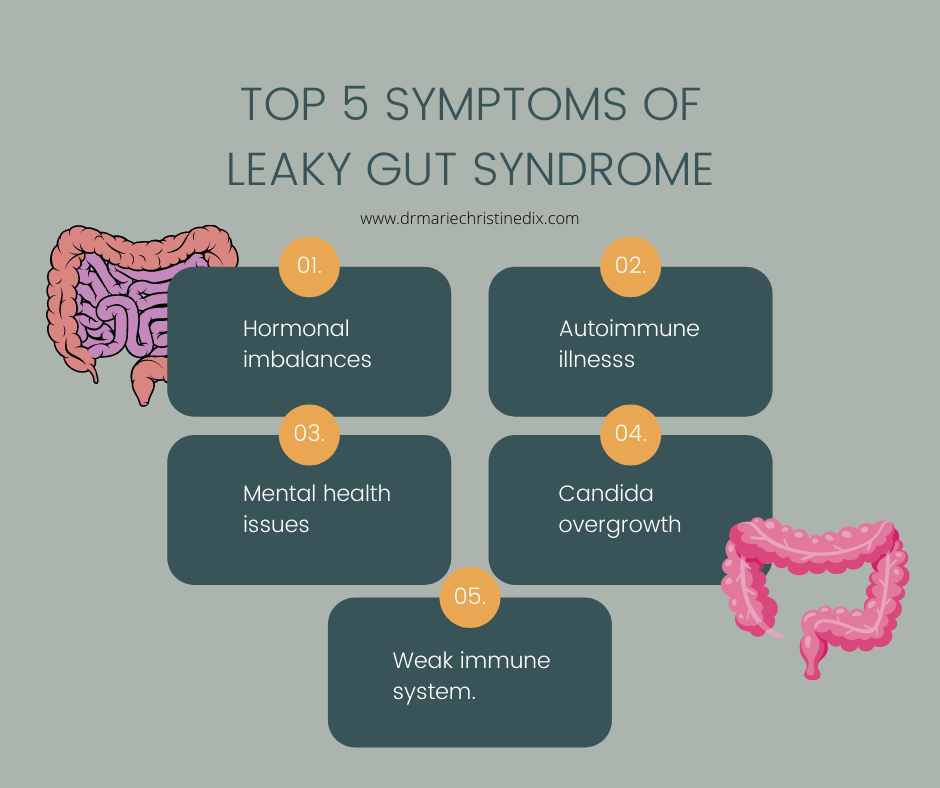
Many autoimmune diseases, such as rheumatoid arthritis, celiac disease, and Crohn’s disease, have been associated with Leaky Gut Syndrome. The increased permeability of the intestinal barrier allows harmful substances to enter the bloodstream, triggering an immune response and potentially leading to the development of autoimmune conditions.
Inflammatory Bowel Diseases
Inflammatory bowel diseases (IBD), including ulcerative colitis and Crohn’s disease, involve chronic inflammation of the digestive tract. Leaky Gut Syndrome is thought to play a role in the development and progression of these conditions, as increased intestinal permeability can lead to an immune response and inflammation in the gut.
Food Allergies and Sensitivities
Leaky Gut Syndrome can contribute to the development of food allergies and sensitivities. The increased permeability of the intestinal barrier allows undigested food particles to enter the bloodstream, triggering an immune response and potentially leading to allergic reactions or food sensitivities.
Mental Health Conditions
Research suggests a potential link between Leaky Gut Syndrome and mental health conditions, such as depression and anxiety. The gut-brain axis, the bidirectional communication between the gut and the brain, can be influenced by the health of the gut. Disruptions in gut health, including Leaky Gut Syndrome, may contribute to the development or exacerbation of mental health symptoms.

Recognizing the Symptoms of Leaky Gut Syndrome
Digestive Symptoms
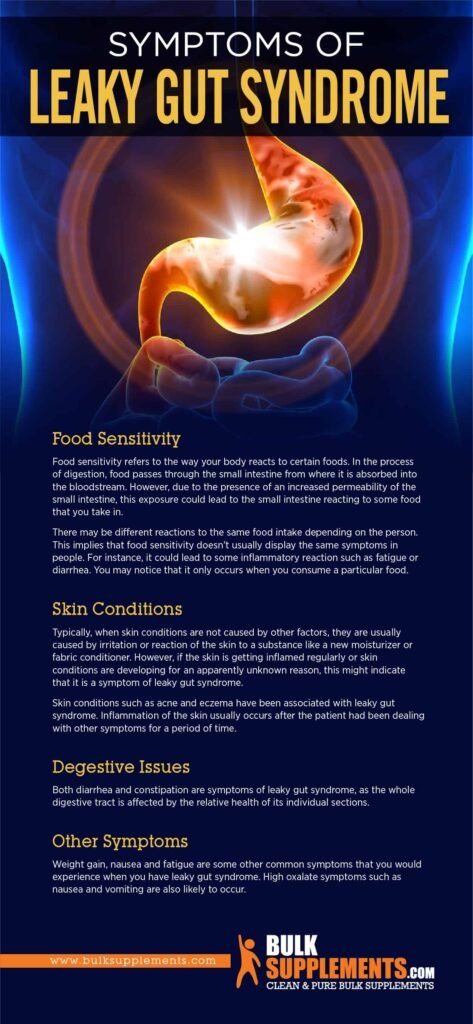
Symptoms related to digestion are common in individuals with Leaky Gut Syndrome. These symptoms may include bloating, gas, abdominal pain, diarrhea, constipation, and food intolerances. The increased intestinal permeability allows toxins and undigested food particles to pass through, leading to digestive disturbances.
Skin Problems
Leaky Gut Syndrome has been associated with various skin conditions, including eczema, psoriasis, and acne. The increased permeability of the intestinal barrier can allow harmful substances to enter the bloodstream, triggering an immune response and leading to skin inflammation and the development of skin problems.
Autoimmune Symptoms
Leaky Gut Syndrome is believed to contribute to the development and progression of autoimmune diseases. Symptoms may vary based on the specific autoimmune condition but can include joint pain, muscle aches, fatigue, brain fog, and overall malaise.
Mental Health Symptoms
There is a growing body of evidence linking gut health to mental health. Leaky Gut Syndrome may contribute to mental health symptoms such as depression, anxiety, mood swings, and poor concentration. The gut-brain axis plays a significant role in mental health, and disruptions in gut health can impact neurological functions and mental well-being.
Diagnostic Methods for Leaky Gut Syndrome
Intestinal Permeability Tests
Intestinal permeability tests are used to evaluate the integrity of the intestinal barrier. These tests typically involve the consumption of a solution containing substances that are not normally absorbed by the intestines. The levels of these substances in the urine or blood are then measured, indicating the extent of intestinal permeability.
Blood Tests
Blood tests can be used to assess markers of inflammation and immune system activation. Elevated levels of certain markers, such as C-reactive protein (CRP), zonulin, or antibodies, may indicate increased intestinal permeability and the presence of Leaky Gut Syndrome.
Stool Analysis
Stool analysis can provide valuable insights into the balance of gut bacteria, inflammation levels, and the presence of pathogens. Evaluating the gut microbiota and markers of inflammation in the stool can help identify dysbiosis and potential gut health issues, including Leaky Gut Syndrome.
Preventive Measures and Precautions for Leaky Gut Syndrome
Maintaining a Healthy Diet
Eating a balanced and nutritious diet is crucial for maintaining gut health and preventing Leaky Gut Syndrome. Incorporate plenty of fruits, vegetables, whole grains, lean proteins, and healthy fats into your diet. Avoid processed foods, excessive sugar intake, and unhealthy fats, as they can disrupt the gut microbiota and contribute to gut inflammation.
Reducing Stress Levels
Managing stress is essential for maintaining a healthy gut. Engage in stress-reducing activities such as exercise, meditation, deep breathing exercises, and spending time in nature. Prioritizing self-care and finding healthy outlets for stress can help support the integrity of the intestinal barrier.
Avoiding Overuse of NSAIDs
Limit the use of nonsteroidal anti-inflammatory drugs (NSAIDs) to instances where they are absolutely necessary. If you require regular use of NSAIDs, consult with your healthcare provider to explore alternative options or strategies to minimize their potential impact on the intestinal barrier.
Moderating Alcohol Consumption
Limit alcohol consumption and avoid excessive or chronic alcohol abuse. Alcohol can disrupt the gut microbiota, increase inflammation, and compromise the integrity of the intestinal barrier. Moderation is key to maintaining gut health.
Detoxifying Environmental Exposures
Minimize exposure to environmental toxins by opting for organic produce, using natural cleaning and personal care products, and being mindful of exposure to pollutants and heavy metals. These toxins can disrupt the gut microbiota and contribute to Leaky Gut Syndrome.
Natural Remedies and Supplements for Leaky Gut
Probiotics
Probiotics are beneficial bacteria that can help restore the balance of gut flora and support gut health. Certain strains of probiotics, such as Lactobacillus and Bifidobacterium, have been shown to enhance the integrity of the intestinal barrier and reduce inflammation.
Digestive Enzymes
Digestive enzymes can aid in the breakdown and absorption of nutrients, supporting overall digestion and reducing the load on the intestinal barrier. Supplementing with digestive enzymes can help alleviate digestive symptoms and support gut health.
Glutamine
Glutamine is an amino acid that plays a crucial role in maintaining the integrity of the intestinal barrier. Supplementing with glutamine can help strengthen the intestinal lining, reduce inflammation, and support gut healing.
Omega-3 Fatty Acids
Omega-3 fatty acids, found in fatty fish, flaxseeds, and walnuts, have anti-inflammatory properties and can help reduce gut inflammation. Incorporating omega-3 fatty acids into your diet or taking a supplement can support gut health and reduce the risk of Leaky Gut Syndrome.
Zinc
Zinc is an essential mineral that plays a crucial role in maintaining the integrity of the intestinal barrier. Adequate zinc levels can support gut healing, reduce inflammation, and strengthen the immune system. Ensure you have sufficient zinc intake through a balanced diet or under the guidance of a healthcare professional.
Medical Interventions for Leaky Gut Syndrome
Anti-inflammatory Medications
In certain cases, anti-inflammatory medications may be prescribed to reduce inflammation and alleviate symptoms associated with Leaky Gut Syndrome. However, these medications are typically used as part of a comprehensive treatment plan and should be used under the guidance of a healthcare professional.
Antibiotics
In instances where an underlying infection is contributing to Leaky Gut Syndrome, antibiotics may be necessary to eliminate the infection and restore gut health. However, the use of antibiotics should be judicious and limited to cases where they are deemed necessary.
Immunosuppressants
In severe cases of Leaky Gut Syndrome, where the immune response is particularly strong and contributing to widespread inflammation, immunosuppressant medications may be prescribed. These medications aim to dampen the immune response and reduce inflammation.
Conclusions and Takeaways
Leaky Gut Syndrome may not be officially recognized as a standalone diagnosis, but many healthcare professionals believe it can play a significant role in the development and progression of various chronic diseases and conditions. Recognizing the risk factors, understanding the symptoms, and implementing preventive measures are key in supporting gut health and potentially reducing the risk of Leaky Gut Syndrome. Lifestyle habits, dietary choices, and natural remedies can contribute to maintaining a healthy intestinal barrier, while medical interventions may be necessary in severe cases. Consult with a healthcare professional for personalized guidance and treatment options if you suspect Leaky Gut Syndrome or are experiencing related symptoms.