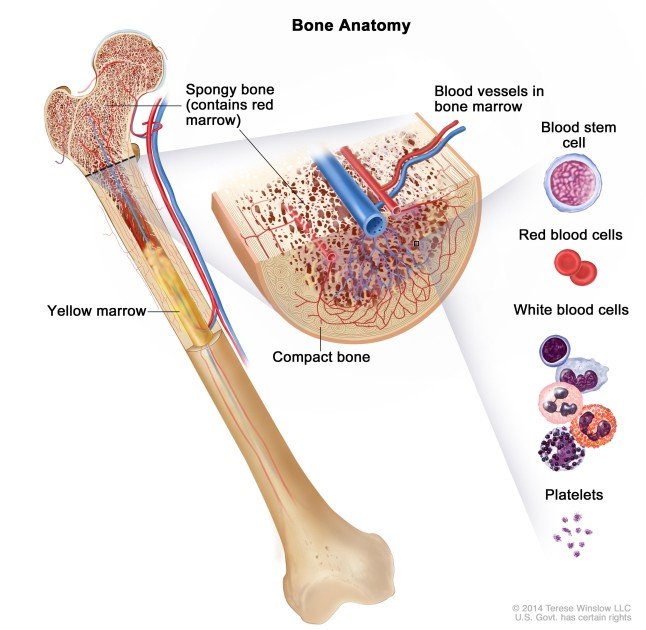
Leukemia, a type of cancer that affects the blood and bone marrow, is a daunting diagnosis for anyone. But understanding the risk factors and taking necessary precautions can make a world of difference in your journey towards prevention. In this article, we will explore the various risk factors associated with leukemia and discuss the precautions you can take to reduce your chances of developing this life-altering disease. So, sit back, relax, and arm yourself with knowledge as we navigate the world of leukemia together.
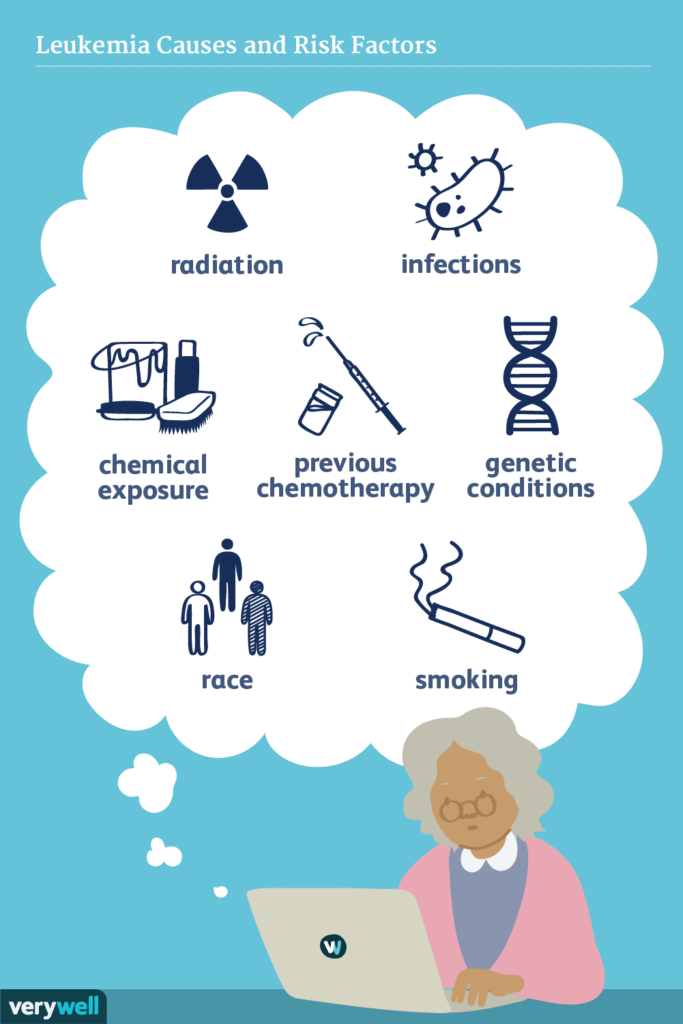
Risk Factors for Leukemia
Leukemia is a type of cancer that affects the blood and bone marrow. Although the exact cause of leukemia is still unknown, researchers have identified several risk factors that may increase the likelihood of developing the disease. By understanding these risk factors, you can take necessary precautions to reduce your risk of leukemia.
Genetic Factors
Genetic factors play a significant role in determining an individual’s susceptibility to leukemia. Certain inherited genetic abnormalities, such as Down syndrome and Fanconi anemia, increase the risk of developing this type of cancer. Additionally, people with a family history of leukemia are more likely to develop the disease themselves. While you cannot change your genetic makeup, being aware of these factors can help you be proactive in monitoring your health and seeking early detection.
Exposure to Radiation
Exposure to high levels of radiation, whether through medical treatments like radiation therapy or environmental sources, is a well-known risk factor for leukemia. Individuals who have undergone radiation treatment for other cancers, such as Hodgkin’s lymphoma, or those who work in industries that involve frequent exposure to radiation, including nuclear power plants, may have a higher risk of developing leukemia. It is essential to take appropriate precautions to prevent unnecessary exposure to radiation whenever possible.
Chemical Exposure
Certain chemicals, such as benzene and formaldehyde, have been linked to an increased risk of leukemia. Individuals who work in industries where these substances are commonly used, such as manufacturing, painting, and rubber industries, should take extra precautions to minimize exposure. This can include wearing appropriate protective gear, following safety guidelines, and seeking alternative, less toxic substances whenever possible.
Specific Medical Treatments
While medical treatments, such as chemotherapy and radiation therapy, can be life-saving in the battle against cancer, they also come with their own risks. Some specific chemotherapy drugs, like alkylating agents and topoisomerase II inhibitors, have been associated with an increased risk of secondary leukemia. It is crucial to have open and honest discussions with your healthcare provider about the potential risks of these treatments and to closely monitor your health during and after treatment.
Family History of Leukemia
A family history of leukemia can significantly increase an individual’s risk of developing the disease. If you have a close relative, such as a parent or sibling, who has been diagnosed with leukemia, it is essential to be vigilant about your own health. Regular check-ups, screenings, and genetic counseling can help you better understand your risk and take appropriate precautionary measures.
Certain Blood Disorders
Certain pre-existing blood disorders, such as myelodysplastic syndrome and myeloproliferative disorders, can increase the risk of developing leukemia. These disorders affect the production and function of blood cells, making individuals more susceptible to the development of leukemia. If you have been diagnosed with any of these blood disorders, it is crucial to work closely with your healthcare provider to manage your condition effectively and reduce the risk of leukemia.
Age
Age plays a role in the risk of developing leukemia. While leukemia can occur at any age, it is more commonly diagnosed in adults aged 55 and older. On the other hand, acute lymphoblastic leukemia, a type of leukemia that primarily affects children, is more prevalent in individuals under the age of 20. It is crucial to be aware of the age-related risk factors and to seek appropriate medical attention if you experience any concerning symptoms.
Gender
Gender also influences the risk of developing leukemia, with certain types of leukemia being more common in males or females. For example, chronic lymphocytic leukemia is more common in men, while acute lymphoblastic leukemia is more common in children and males. The reasons for these gender differences are still being studied, but it highlights the importance of gender-specific research and awareness campaigns.
Previous Cancer Treatments
Individuals who have previously undergone cancer treatments, such as radiation therapy or chemotherapy, have an increased risk of developing leukemia as a long-term complication of these treatments. This phenomenon is known as secondary leukemia. If you have received previous cancer treatments, it is essential to continue regular check-ups and screenings to detect any potential complications at an early stage.
Smoking
Tobacco smoke contains numerous harmful chemicals that can increase the risk of developing various cancers, including leukemia. Smoking has been linked to an increased risk of several types of leukemia, such as acute myeloid leukemia. Quitting smoking and avoiding exposure to secondhand smoke can significantly reduce the risk of developing leukemia and other smoking-related diseases.

Precautions to Reduce the Risk of Leukemia
While it may not be possible to eliminate all risk factors for leukemia, there are several precautions you can take to lower your risk and promote overall health and well-being. By incorporating these precautions into your lifestyle, you can enhance your body’s natural defenses and minimize potential risks.
Prevent Exposure to Radiation
To reduce the risk of leukemia associated with radiation exposure, it is crucial to minimize unnecessary exposure. If you work in an occupation that involves exposure to radiation, follow all safety guidelines, wear protective equipment, and ensure proper monitoring to prevent overexposure. Additionally, be aware of your surroundings and limit exposure to environmental sources of radiation, such as nuclear power plants and X-ray machines.
Avoid Chemical Exposure
Minimizing exposure to harmful chemicals, such as benzene and formaldehyde, is vital in reducing the risk of leukemia. If your occupation involves working with these substances, take necessary precautions, including using protective gear and following safety protocols. Furthermore, choose less toxic alternatives whenever possible and advocate for safer working environments.
Monitor and Manage Underlying Blood Disorders
If you have been diagnosed with pre-existing blood disorders like myelodysplastic syndrome or myeloproliferative disorders, it is crucial to work closely with your healthcare provider to effectively manage your condition. Regular check-ups, blood tests, and adherence to prescribed treatment plans can help minimize the risk of leukemia development and improve overall health outcomes.
Take Precautions during Medical Treatments
If you require medical treatments such as chemotherapy or radiation therapy, it is essential to have open and honest conversations with your healthcare provider regarding potential risks. Your healthcare team should carefully consider the balance between the benefits of these treatments and the potential long-term risks, such as secondary leukemia. Close monitoring and regular health check-ups are crucial during and after treatment to detect any complications early on.
Screening and Genetic Counseling
Regular check-ups and screenings are essential for the early detection and management of leukemia. Depending on your age, gender, family history, and other risk factors, your healthcare provider may recommend specific screening tests to monitor your health. Additionally, genetic counseling can provide valuable insights into your genetic predisposition to leukemia and help you make informed decisions regarding your health.
Maintain a Healthy Lifestyle
Maintaining a healthy lifestyle is crucial in reducing the risk of various diseases, including leukemia. Make sure to consume a balanced diet rich in fruits, vegetables, whole grains, and lean proteins. Engage in regular physical activity to promote overall fitness and strengthen your immune system. Additionally, prioritize sufficient sleep, manage stress levels, and avoid excessive alcohol consumption.
Avoid Smoking and Secondhand Smoke
The harmful effects of smoking are well-documented, and quitting smoking is one of the most effective methods of reducing the risk of leukemia. If you are a smoker, seek support and resources to help you quit. Additionally, avoid exposure to secondhand smoke, as even passive smoking can increase the risk of leukemia and other health complications.
Practice Safe Sex
Certain forms of leukemia, such as human T-cell lymphotropic virus (HTLV-1) associated leukemia, can be transmitted through sexual contact. To lower this risk, practicing safe sex, including the use of barrier methods like condoms, is essential. Engage in open and honest discussions with your partner about sexual health and consider regular screenings for sexually transmitted infections.
Reduce Environmental Toxins
Reducing exposure to environmental toxins can significantly contribute to lowering the risk of leukemia. Be mindful of pollution levels in your surroundings, and take steps to minimize exposure to harmful chemicals, pesticides, and other toxins. Support initiatives and organizations that advocate for a cleaner, healthier environment for everyone.
Follow Occupational Safety Guidelines
If your work involves exposure to potentially harmful substances or radiation, it is crucial to follow all safety guidelines and protocols. Use appropriate protective gear, such as gloves, masks, or respiratory equipment, to minimize exposure. Regular training and awareness programs can help you stay updated on the latest safety practices in your industry.
By understanding the risk factors associated with leukemia and implementing these necessary precautions, you can take an active role in reducing your risk of developing this disease. Consult with your healthcare provider to tailor these precautions to your specific circumstances and stay proactive in monitoring your health. Remember, prevention and early detection are key in the battle against leukemia.