
Imagine a world where you can take proactive steps to protect your kidney health and reduce the risk of developing kidney cysts. In this article, we will explore the various risk factors associated with kidney cysts and provide you with essential precautions to help you maintain optimal kidney function. With the right knowledge and precautions, you can prioritize your kidney health and enjoy a life free of the complications that kidney cysts can bring. So let’s dive in and discover the key risk factors and precautions for kidney cysts together!
Risk Factors
When it comes to kidney cysts, there are several risk factors that can increase your chances of developing this condition. It’s important to understand these risk factors so that you can take the necessary precautions to protect your kidney health. Here are the main risk factors to be aware of:

Age
One of the risk factors for kidney cyst development is advancing age. As we get older, our bodies undergo various changes, including the development of cysts in the kidneys. It’s not uncommon for older individuals to have kidney cysts, but it’s essential to monitor their growth to ensure they don’t cause any complications.
Gender
Another risk factor to consider is gender. Men are more prone to developing kidney cysts than women. While the exact reasons behind this gender difference are not fully understood, it’s crucial for men to pay close attention to their kidney health and be aware of any potential symptoms.

Obesity
Excessive weight and obesity can also be risk factors for kidney cysts. Carrying excess weight puts additional strain on your kidneys, which can lead to the formation of cysts. Adopting a healthy lifestyle that includes regular exercise and a balanced diet can help reduce this risk and promote overall kidney health.
Family History
If you have a family history of kidney cysts, you may have an increased likelihood of developing the condition. Genetics play a role in the development of kidney cysts, and having a family member with this condition raises your risk. It’s crucial to be vigilant about your kidney health if you have a family history of kidney cysts.

Genetic Conditions
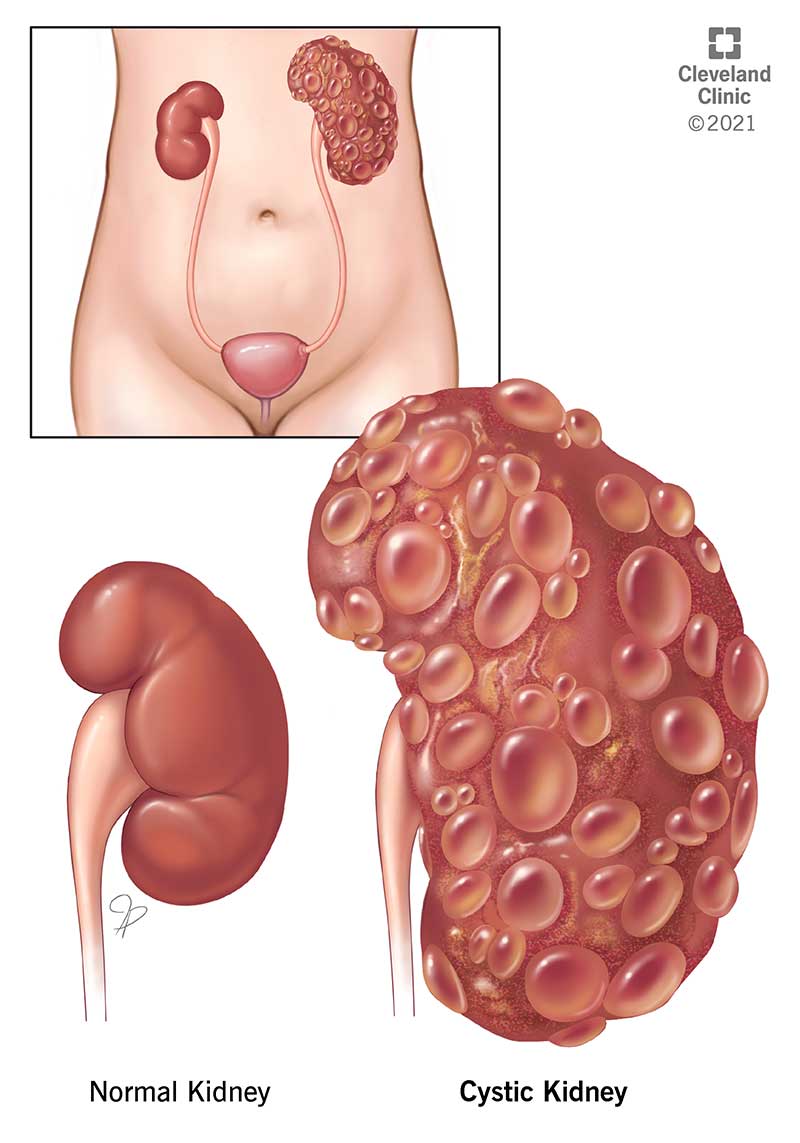
Certain genetic conditions, such as polycystic kidney disease (PKD), can significantly increase your risk of developing kidney cysts. PKD is a hereditary disorder that causes multiple cysts to form in the kidneys, leading to potential complications. If you have a known genetic condition related to kidney health, it’s vital to work closely with your healthcare provider to monitor and manage any cysts that may develop.
Smoking
Smoking is not only harmful to your lungs and overall health but can also increase your risk of kidney cyst formation. Smoking affects blood flow and can impair kidney function, making individuals more prone to developing cysts. Quitting smoking is essential not only for kidney health but for your overall well-being.
High Blood Pressure
Uncontrolled high blood pressure can be a significant risk factor for the development of kidney cysts. The continuous high pressure in the blood vessels can weaken and damage the kidneys over time, leading to cyst formation. It’s crucial to manage your blood pressure through lifestyle changes and, if necessary, with the help of medication to keep your kidneys healthy.
Chronic Kidney Disease
Having chronic kidney disease puts individuals at a higher risk of developing kidney cysts. The kidneys already face challenges in functioning correctly with chronic kidney disease, and the development of cysts can further complicate the situation. It’s essential for individuals with this condition to work closely with their healthcare team to monitor and manage their kidney health effectively.

Urinary Tract Infections
Recurrent urinary tract infections (UTIs) can also increase the risk of developing kidney cysts. UTIs can cause inflammation and damage to the kidneys, creating an environment conducive to cyst formation. To reduce the risk of UTIs, it’s crucial to maintain good hygiene, drink plenty of water, and promptly seek medical attention if you suspect a urinary tract infection.
Protecting the Kidneys from Injury or Trauma
Taking precautions to prevent kidney injury or trauma is an essential step in reducing the risk of developing kidney cysts. Avoid activities or situations that may result in kidney injury, such as contact sports without proper protection. Additionally, staying hydrated and consuming a balanced diet that supports kidney health can help protect your kidneys from unnecessary stress or damage.
In conclusion, kidney cysts can be influenced by various risk factors. Age, gender, obesity, family history, genetic conditions, smoking, high blood pressure, chronic kidney disease, urinary tract infections, and kidney disease all play a role in increasing the likelihood of developing this condition. By understanding these risk factors and taking the necessary precautions, such as maintaining a healthy lifestyle and regularly monitoring kidney health, you can reduce your risk and promote overall kidney well-being. Remember that it’s always essential to consult with your healthcare provider for personalized advice and guidance on managing your kidney health.