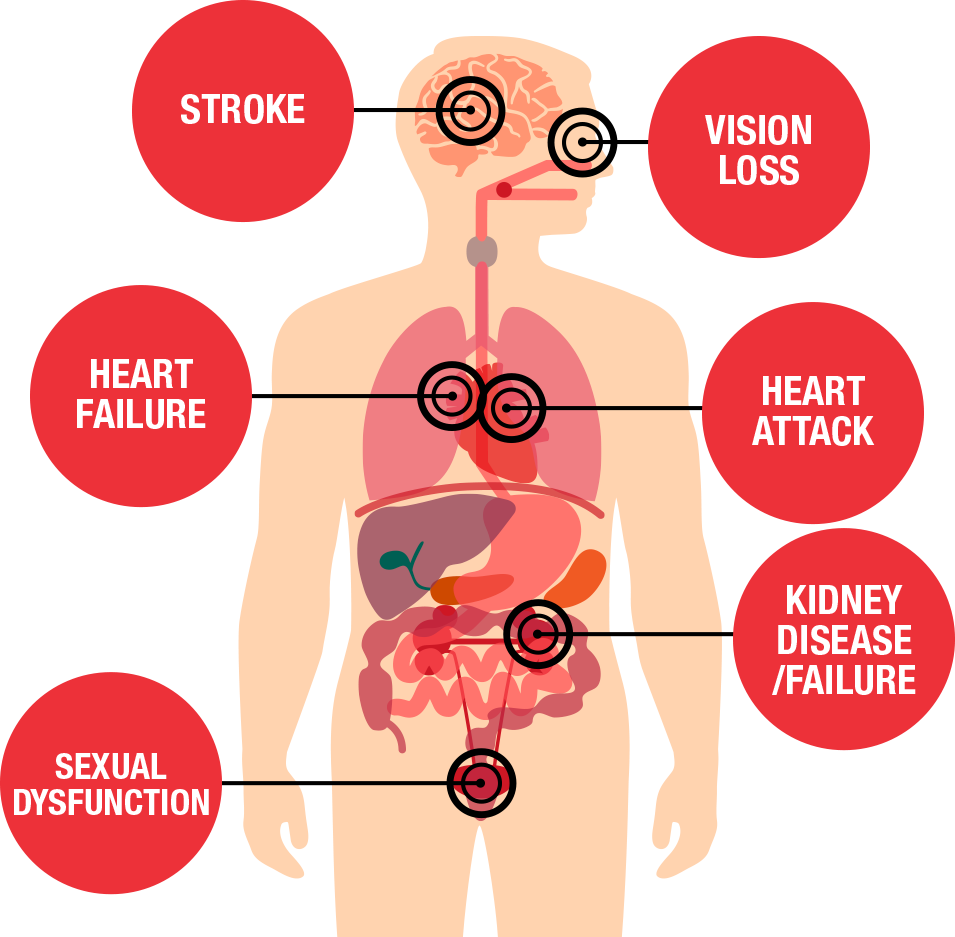
High blood pressure, also known as hypertension, is a common health condition that affects millions of people worldwide. In this article, we will explore the various risk factors that can contribute to high blood pressure and provide helpful precautions to manage and prevent this condition from developing. By understanding these factors and taking proactive measures, you can significantly reduce the risk of high blood pressure and promote a healthier lifestyle overall. So, let’s dive into the world of risk factors and precautions for high blood pressure and empower ourselves with the knowledge to live a heart-healthy life.
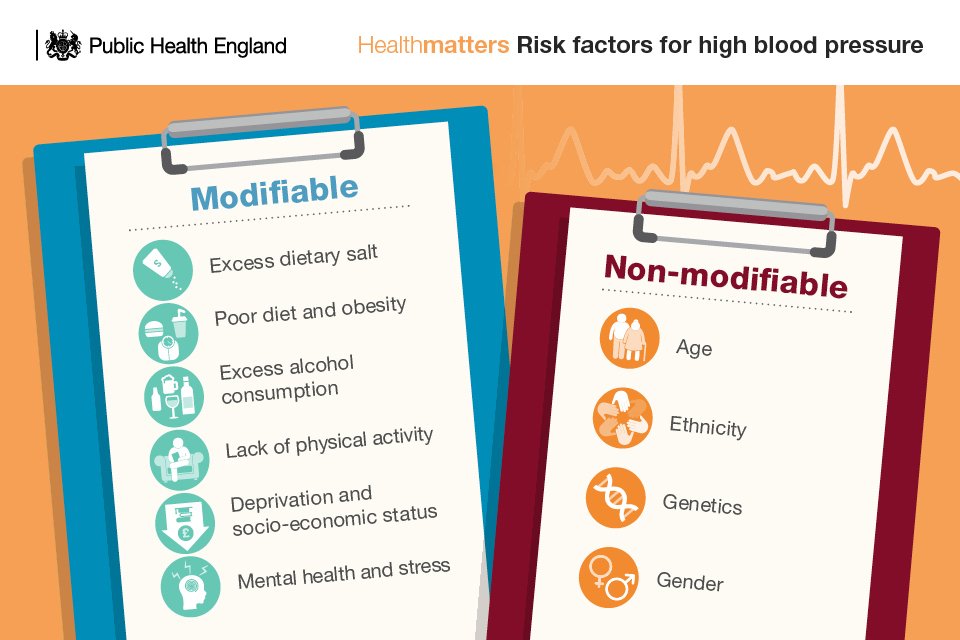
Risk Factors for High Blood Pressure
Age
Age is one of the primary risk factors for high blood pressure. As you get older, your blood vessels naturally become less elastic, making it harder for blood to flow through them. This can lead to an increase in blood pressure. It is important to monitor your blood pressure regularly as you age and make any necessary lifestyle changes to manage it effectively.
Family history
If you have a family history of high blood pressure, you are at a higher risk of developing the condition yourself. Genetic factors can play a role in the development of high blood pressure, and knowing your family’s medical history can help you take preventive measures early on. It is important to discuss your family history with your healthcare provider and follow their guidance for managing your blood pressure.
Race and ethnicity
Certain racial and ethnic groups have higher rates of high blood pressure. For example, African Americans, Hispanics, and Native Americans are more prone to developing the condition. This disparity can be attributed to both genetic and environmental factors. It is crucial to be aware of your risk based on your race or ethnicity and take appropriate steps to prevent or manage high blood pressure.
Gender
Both men and women can develop high blood pressure, but there are some differences in how it affects each gender. Men are more likely to develop high blood pressure at a younger age, while women tend to have a higher risk after menopause. Hormonal factors can influence blood pressure regulation, and it is important to understand how it may affect you based on your gender.
Obesity
Obesity is a significant risk factor for high blood pressure. Excess body weight puts added pressure on your blood vessels and can lead to hypertension. Losing weight and maintaining a healthy weight is crucial for managing blood pressure. By making lifestyle changes, such as adopting a nutritious diet and engaging in regular exercise, you can significantly reduce your risk of developing high blood pressure.
Unhealthy diet
A poor diet, characterized by high sodium and low potassium intake, can contribute to high blood pressure. Sodium, commonly found in processed and packaged foods, can cause fluid retention and increase blood pressure. Conversely, potassium helps to counteract the effects of sodium and promote healthy blood pressure levels. Adopting a balanced diet that is low in sodium and rich in fruits, vegetables, and whole grains is essential for preventing high blood pressure.
Physical inactivity
Leading a sedentary lifestyle and not getting enough physical exercise can increase the risk of high blood pressure. Regular physical activity helps to maintain a healthy weight, improve cardiovascular health, and regulate blood pressure. Engaging in aerobic exercises like walking, jogging, swimming, or cycling, as well as incorporating strength training into your routine, can have a positive impact on your blood pressure.
Smoking
Smoking is a habit that poses numerous health risks, including high blood pressure. The chemicals in tobacco smoke can damage the lining of blood vessels, leading to narrowed arteries and elevated blood pressure. Quitting smoking not only lowers your risk of developing high blood pressure but also improves your overall cardiovascular health. Seek support and explore different methods to quit smoking if you are a smoker.
Excessive alcohol consumption
Drinking alcohol in excess can contribute to high blood pressure. Regular, heavy drinking can raise blood pressure levels and damage the heart. It is important to drink alcohol in moderation or avoid it altogether to protect your cardiovascular health. If you choose to drink, limit yourself to moderate amounts – no more than one drink per day for women and two drinks per day for men.
Stress
Chronic stress can take a toll on your blood pressure. When you are under stress, your body releases stress hormones that temporarily raise your blood pressure. If you experience chronic stress, your blood pressure may remain consistently elevated, increasing your risk of developing hypertension. Finding healthy ways to manage and reduce stress, such as through relaxation techniques, exercise, or counseling, is vital for maintaining optimal blood pressure.
Certain medical conditions and medications
Certain medical conditions, such as kidney disease, diabetes, and sleep apnea, can increase your risk of developing high blood pressure. Additionally, certain medications, such as nonsteroidal anti-inflammatory drugs (NSAIDs), decongestants, and oral contraceptives, may raise blood pressure levels. It is important to be aware of these potential risk factors and discuss them with your healthcare provider. They will work with you to manage your condition effectively and monitor your blood pressure.
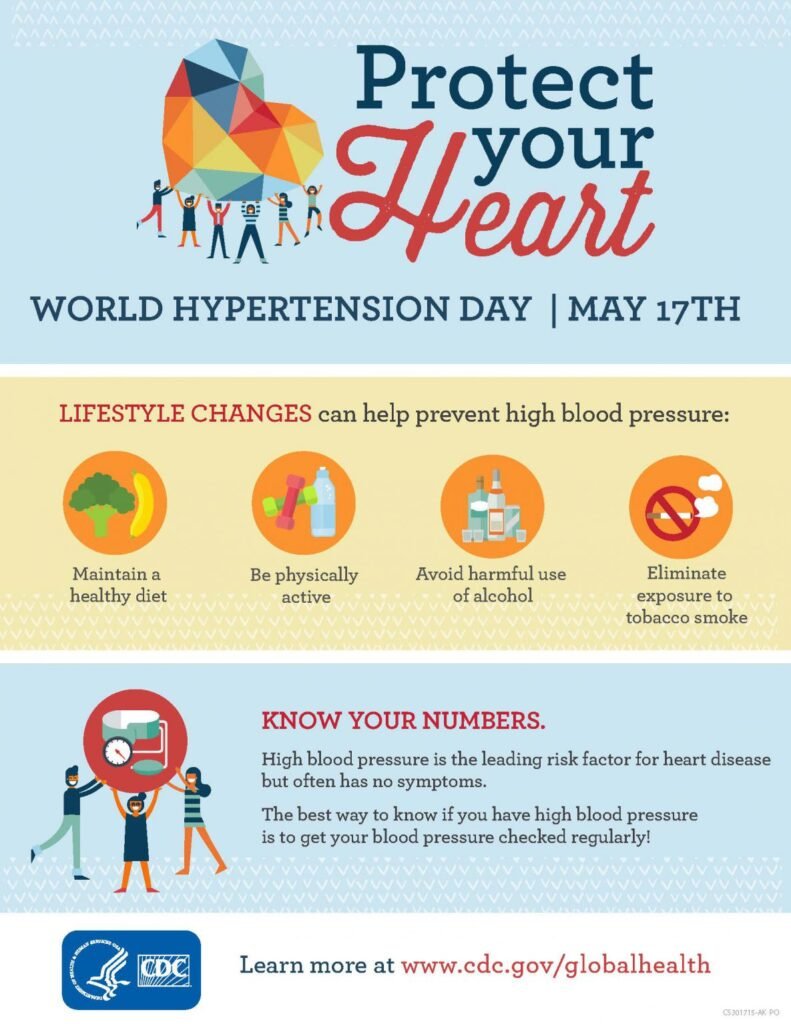
Precautions to Prevent High Blood Pressure
Maintain a healthy weight
Maintaining a healthy weight is crucial for preventing high blood pressure. By adopting a balanced diet and engaging in regular physical activity, you can achieve and maintain a healthy weight. This will reduce the strain on your blood vessels and decrease the risk of hypertension.
Follow a balanced diet
A balanced diet plays a significant role in preventing high blood pressure. Focus on consuming a variety of fruits, vegetables, whole grains, lean proteins, and healthy fats. Limit your intake of processed foods, sugary beverages, and foods high in sodium. It may be helpful to consult with a registered dietitian who can provide personalized guidance on establishing a healthy eating plan.
Limit salt intake
Excessive salt intake can lead to fluid retention and increased blood pressure. It is important to limit your consumption of processed and packaged foods, which often contain high levels of sodium. Instead, opt for fresh, whole foods that are naturally lower in sodium. Use herbs, spices, and other flavor-enhancing techniques to season your meals.
Increase potassium intake
Potassium is a mineral that helps to balance sodium levels in your body. Consuming foods rich in potassium, such as bananas, oranges, spinach, and sweet potatoes, can help lower blood pressure. Aim to incorporate these potassium-rich foods into your diet regularly.
Engage in regular physical activity
Regular physical activity is essential for maintaining a healthy blood pressure. Aim for at least 150 minutes of moderate-intensity aerobic exercise or 75 minutes of vigorous-intensity exercise each week. Additionally, include strength training exercises at least two days a week. Find activities that you enjoy and make them a regular part of your routine.
Quit smoking
Smoking damages your blood vessels and increases the risk of high blood pressure. Quitting smoking is one of the most important steps you can take to protect your cardiovascular health. Seek support from healthcare professionals, join smoking cessation programs, or explore nicotine replacement therapies to help you quit smoking successfully.
Limit alcohol consumption
Excessive alcohol consumption can raise blood pressure levels. It is important to drink alcohol in moderation or avoid it altogether. Moderation means no more than one drink per day for women and two drinks per day for men. If you struggle with limiting alcohol consumption, seek guidance from healthcare professionals or support groups.
Manage stress levels
Chronic stress can contribute to high blood pressure. It is important to find healthy ways to manage and reduce stress in your life. Incorporate stress management techniques into your routine, such as exercise, meditation, deep breathing exercises, or engaging in hobbies you enjoy. Seek support from friends, family, or a mental health professional if needed.
Monitor blood pressure regularly
Regularly monitoring your blood pressure is crucial for early detection and management of high blood pressure. Purchase a home blood pressure monitor and learn how to use it correctly. Keep a record of your blood pressure readings and share them with your healthcare provider during check-ups. This will help you and your healthcare provider track any changes and make appropriate interventions if necessary.
Follow prescribed medical treatments
If your blood pressure is elevated, your healthcare provider may prescribe medications to help manage it. It is important to take these medications as prescribed and follow your healthcare provider’s instructions. Additionally, lifestyle modifications, such as dietary changes, physical activity, and stress management, may be recommended alongside medication to optimize blood pressure control.
In conclusion, understanding the risk factors for high blood pressure and taking the necessary precautions is essential for maintaining optimal cardiovascular health. Age, family history, race and ethnicity, gender, obesity, unhealthy diet, physical inactivity, smoking, excessive alcohol consumption, stress, certain medical conditions, and medications can all contribute to high blood pressure. By following preventive measures, such as maintaining a healthy weight, adopting a balanced diet, engaging in regular physical activity, managing stress, and monitoring blood pressure regularly, you can significantly reduce your risk of developing high blood pressure or manage it effectively if already diagnosed. Partner with your healthcare provider to create a personalized plan that addresses your individual risk factors and helps you maintain optimal blood pressure levels.