
Living a healthy and fulfilling life is something we all strive for. However, it is important to be aware of the potential risks that may affect our well-being, such as autoimmune diseases like lupus. Understanding the risk factors and taking necessary precautions can greatly minimize the chances of developing this condition. In this article, we will explore the various factors that increase the likelihood of developing lupus, as well as simple yet effective precautions that can be taken to safeguard your health. So, let’s dive into the world of lupus and equip ourselves with the knowledge we need to stay healthy and happy.
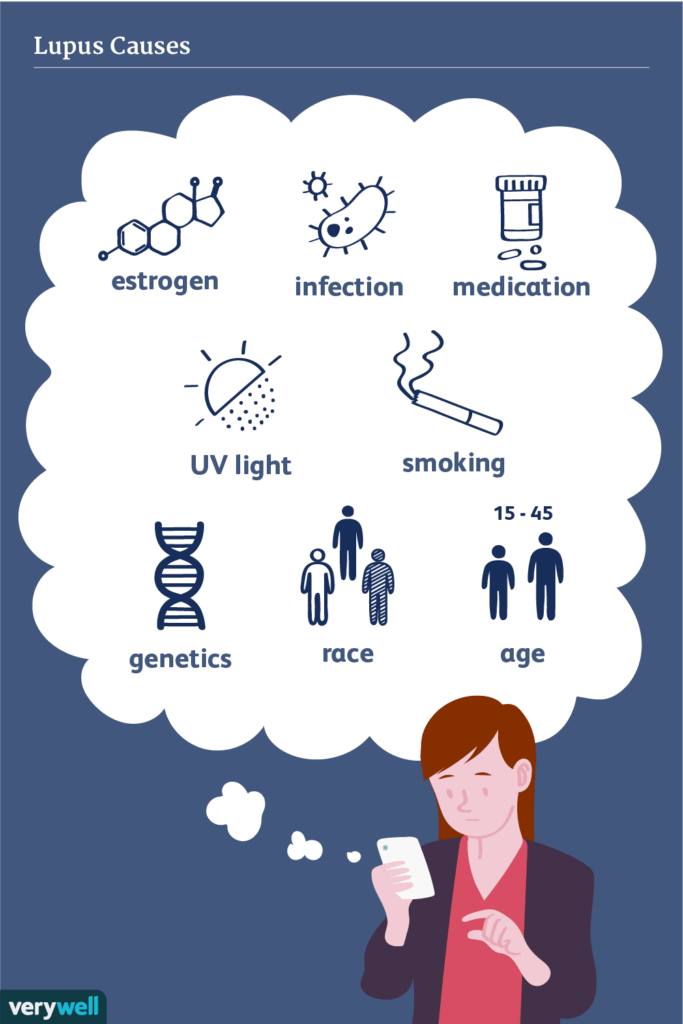
Risk Factors for Lupus
Lupus, a chronic autoimmune disease, can affect people of all ages and backgrounds. While the exact cause of lupus is still unknown, there are several risk factors that may increase a person’s likelihood of developing the condition. By understanding these risk factors, individuals can take the necessary precautions to minimize their risk and manage their condition effectively.
Gender
One of the most prominent risk factors for lupus is gender. It is estimated that approximately 90% of lupus cases occur in females, making it significantly more prevalent among women. While men can also develop lupus, they are at a lower risk. The reason behind this gender difference is still being researched, but it is believed that hormonal factors, particularly estrogen, play a role in disease development.
Age
Lupus can manifest at any age, but it most commonly appears during the childbearing years, typically between the ages of 15 to 45. This suggests a hormonal influence on the disease. However, it is important to note that lupus can affect individuals of any age, including children and older adults. Childhood-onset lupus and late-onset lupus are two distinct subsets of the disease that require specialized care and management strategies.
Genetics
While lupus is not directly inherited, there is evidence to suggest a genetic predisposition to the disease. Individuals with a family history of lupus or other autoimmune conditions are at a higher risk of developing the disease themselves. Genetic variations in certain genes involved in the immune system and inflammation pathways may play a role in increased susceptibility to lupus. However, it is important to note that genetics alone do not determine the development of lupus, and other factors must also be present.
Race and Ethnicity
Lupus is more prevalent among certain racial and ethnic groups. African Americans, Hispanics, and individuals of Asian descent have an increased risk of developing the disease compared to other populations. The reasons behind these differences are still being explored. It is believed that a combination of genetic, hormonal, environmental, and socioeconomic factors may contribute to the varying rates of lupus among different ethnicities.
Hormones
Hormonal factors are believed to play a significant role in the development and progression of lupus. Estrogen, a female sex hormone, has been associated with increased disease activity and flares in individuals with lupus. The hormonal changes that occur during pregnancy, as well as the postpartum period, can also have a profound effect on lupus. Similarly, hormone replacement therapy in menopausal women has been associated with an increased risk of developing lupus or experiencing disease flares.
Environmental Triggers
While genetics and hormones contribute to the development of lupus, environmental factors are also thought to play a significant role. Certain triggers in the environment can prompt the immune system to become overactive, leading to the onset of lupus symptoms. Ultraviolet (UV) light from the sun is a known trigger for many individuals with lupus, causing skin rashes and other symptoms. Infections, particularly viral infections, can also trigger lupus flares. Additionally, stress, certain medications, and exposure to chemicals and toxins may all contribute to the development and progression of the disease.
Sun Exposure
Individuals with lupus often have increased sensitivity to sunlight. Exposure to UV light can trigger skin rashes, joint pain, and other lupus symptoms. It is crucial for individuals with lupus to take proactive measures to protect themselves from the sun’s harmful rays. This includes wearing protective clothing, using broad-spectrum sunscreen with a high SPF, seeking shade during peak hours, and wearing sunglasses to protect the eyes. By minimizing sun exposure, individuals with lupus can reduce the risk of flare-ups and better manage their condition.
Smoking
Smoking has been shown to have negative effects on overall health, and it can also exacerbate lupus symptoms and increase the risk of complications. Smoking is thought to impact the immune system, making it more likely for lupus to flare up and cause further damage to organs and tissues. Therefore, it is highly recommended that individuals with lupus avoid smoking and maintain a smoke-free environment to reduce the risk of worsening their symptoms and overall disease progression.
Infections
Infections, particularly viral infections such as the common cold or flu, can trigger lupus flares and exacerbate symptoms. It is important for individuals with lupus to take extra precautions to prevent infections by practicing good hygiene, regularly washing hands, and avoiding close contact with individuals who are sick. Additionally, staying up-to-date with vaccinations, such as the flu shot, is crucial for individuals with lupus to protect themselves from infections that can potentially worsen their condition.
Medications
Certain medications have been associated with an increased risk of developing lupus or triggering lupus flares. Some medications, such as certain blood pressure medications, antibiotics, and anti-seizure medications, have been known to induce lupus-like symptoms. It is important for individuals with lupus to be aware of their medications and any potential side effects. Regular communication with healthcare providers and pharmacists is essential to ensure that medication regimens are optimized and any necessary adjustments are made to minimize the risk of exacerbating lupus symptoms.

Precautions for Lupus
While there is no cure for lupus, individuals can take precautions to manage the disease effectively and improve their overall well-being. By adopting certain lifestyle modifications and seeking appropriate medical care, individuals with lupus can minimize the impact of the disease on their daily lives.
Regular Medical Check-ups
Regular medical check-ups are essential for individuals with lupus to monitor their disease activity, assess organ function, and address any emerging issues promptly. Routine visits with healthcare providers, including rheumatologists, primary care physicians, and other specialists, allow for timely adjustments to treatment plans and early detection of potential complications. By maintaining proactive and regular communication with healthcare providers, individuals with lupus can optimize their management strategies and minimize the risk of disease progression.
Medication Adherence
Adhering to prescribed medications is crucial for individuals with lupus to control disease activity and prevent flares. Medications commonly used to manage lupus include nonsteroidal anti-inflammatory drugs (NSAIDs), disease-modifying antirheumatic drugs (DMARDs), and corticosteroids. It is important for individuals to take their medications as directed by their healthcare providers and to communicate any concerns or side effects. Adherence to medication regimens is key to effectively managing lupus and minimizing complications.
Sun Protection
Due to the sensitivity to sunlight experienced by many individuals with lupus, sun protection is crucial. It is recommended that individuals with lupus take proactive measures to minimize sun exposure, such as wearing broad-spectrum sunscreen with a high SPF, seeking shade during peak hours, wearing protective clothing, and using sunglasses. Sunscreen should be applied generously and reapplied throughout the day, especially after swimming or sweating. By prioritizing sun protection, individuals with lupus can reduce the risk of flare-ups and better manage their condition.
Avoiding Excessive Physical and Emotional Stress
Excessive physical and emotional stress can trigger lupus flares and exacerbate symptoms. It is important for individuals with lupus to prioritize self-care and practice stress management techniques to minimize the impact of stress on their disease. This includes engaging in relaxation techniques, such as deep breathing exercises, meditation, and gentle exercise. Additionally, individuals with lupus should strive to maintain a healthy work-life balance, set realistic expectations, and seek support from loved ones and healthcare professionals when needed.
Healthy Lifestyle
Adopting a healthy lifestyle is crucial for individuals with lupus to optimize their overall well-being. This includes engaging in regular physical activity, following a balanced diet, getting adequate sleep, and avoiding unhealthy habits such as excessive alcohol consumption and smoking. Regular exercise helps improve strength, flexibility, and cardiovascular health, while a balanced diet rich in fruits, vegetables, whole grains, and lean proteins provides essential nutrients to support the immune system and overall health. By making healthy lifestyle choices, individuals with lupus can enhance their quality of life and better manage their condition.
Balanced Diet
Following a balanced diet is particularly important for individuals with lupus as it helps support overall health and the immune system. A nutritious diet should include a variety of fruits, vegetables, whole grains, lean proteins, and healthy fats. Some individuals with lupus may benefit from specific dietary modifications based on their specific needs and symptoms. It is recommended to consult with a registered dietitian or healthcare provider to develop a personalized nutrition plan that can optimize health and manage lupus symptoms effectively.
Avoiding Triggers
Individuals with lupus should be aware of their triggers and take precautions to avoid or minimize exposure. These triggers can vary from person to person but may include factors such as specific types of infections, stress, certain medications, or exposure to chemicals and toxins. By identifying and avoiding triggers, individuals with lupus can help reduce the frequency and severity of flares, allowing for better disease management.
Proactive Self-Care
Proactive self-care is essential for individuals with lupus to effectively manage their condition and maintain overall well-being. This includes actively participating in their treatment plan, monitoring symptoms, and communicating any changes or concerns to healthcare providers. Regular self-assessment for signs of disease activity, such as joint pain, fatigue, rashes, or organ-specific symptoms, is important for early intervention and maintenance of disease control. Individuals with lupus should also educate themselves about their condition, seek support from support groups or counseling if needed, and actively engage in activities and hobbies that bring them joy and relaxation.
Supportive Network
Building a supportive network of family, friends, and healthcare professionals is crucial for individuals with lupus. It is important to have a strong support system that can provide emotional support, understanding, and assistance during challenging times. Joining support groups or seeking counseling can provide additional resources and a sense of community for individuals with lupus. Regular communication with healthcare providers and involvement in shared decision-making processes ensures that individuals have the necessary support and guidance to manage their condition effectively.
In conclusion, while lupus can be a challenging disease to manage, understanding the risk factors and taking appropriate precautions can make a significant difference in the lives of individuals with lupus. By adopting a proactive approach to self-care, maintaining regular medical check-ups, adhering to prescribed medications, protecting oneself from environmental triggers, and seeking emotional support, individuals with lupus can optimize their management strategies, minimize the impact of the disease, and lead fulfilling lives.
