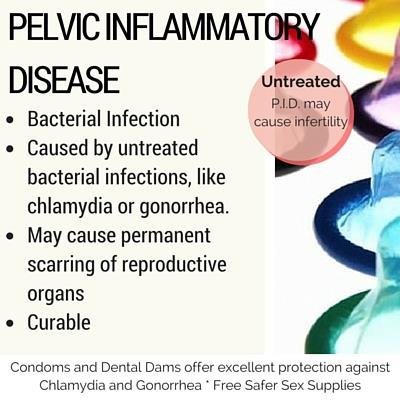
Pelvic inflammatory disease (PID) is a common infection that affects the female reproductive organs, including the uterus, fallopian tubes, and ovaries. It can lead to serious complications if left untreated, such as infertility and chronic pelvic pain. In this article, we will explore the various risk factors associated with PID, including certain sexual behaviors and the use of intrauterine devices (IUDs). We will also discuss the importance of taking precautions, such as practicing safe sex and getting regular check-ups, to prevent the occurrence of PID. So, let’s dive into the world of PID and learn how to protect yourself from this potentially harmful infection.
Risk Factors for Pelvic Inflammatory Disease
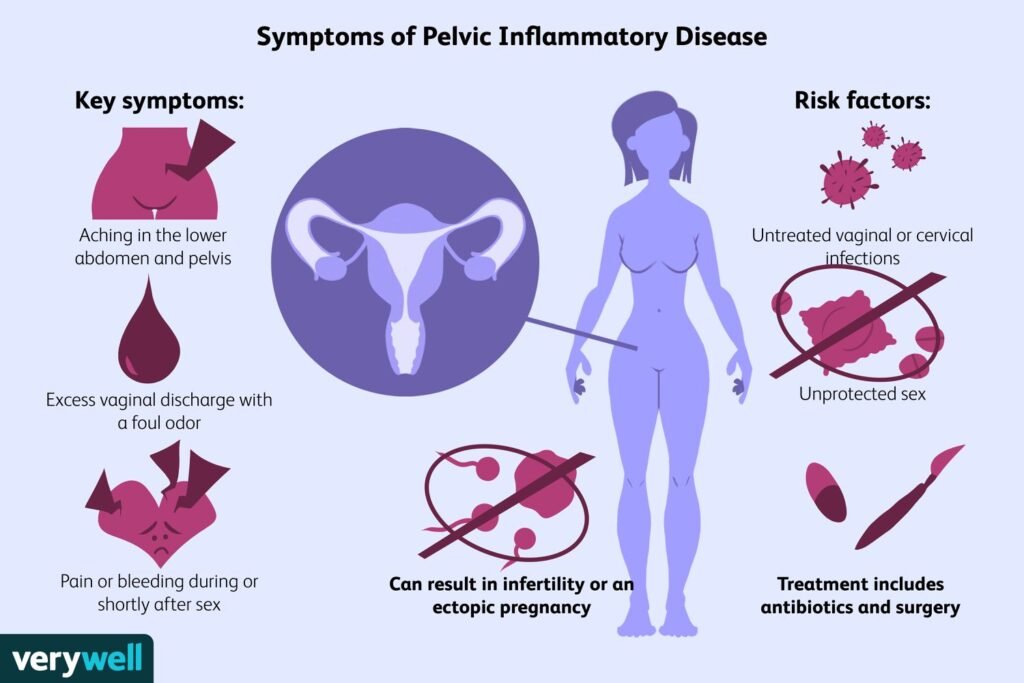
Pelvic Inflammatory Disease (PID) is a common infection that affects the female reproductive system. It occurs when bacteria spread from the vagina and cervix to the uterus, fallopian tubes, and ovaries. PID can cause serious health complications if left untreated, including infertility, chronic pelvic pain, and ectopic pregnancy. While any woman can develop PID, certain risk factors increase the likelihood of experiencing this condition. By understanding these risk factors, you can take proactive measures to protect your reproductive health.
Sexually Transmitted Infections
One of the primary risk factors for PID is the presence of sexually transmitted infections (STIs) such as Chlamydia, Gonorrhea, Mycoplasma genitalium, and Trichomoniasis. These infections can often go unnoticed, as they may not present any or only mild symptoms. If left untreated, these STIs can lead to the development of PID. Therefore, it is crucial to maintain regular STI testing and seek treatment promptly if an infection is detected.
Multiple Sexual Partners
Engaging in sexual activities with multiple partners increases the risk of developing PID. This is because having multiple sexual partners can expose you to a higher number of potentially infected individuals. Additionally, engaging in unprotected sex with these partners further increases the risk of acquiring STIs that can lead to PID. Therefore, it is important to maintain open and honest communication with your partners and prioritize safe sex practices to minimize the risk of developing PID.
Previous Pelvic Inflammatory Disease
If you have previously had PID, your risk of developing it again in the future is significantly increased. This is due to the scarring that can occur in the reproductive organs as a result of the previous infection. The scarring can create an environment that is more susceptible to infections, making it easier for bacteria to spread and cause PID. It is important to seek prompt treatment for PID to reduce the risk of recurrence and long-term complications.
Intrauterine Device Use
While intrauterine devices (IUDs) are a highly effective form of contraception, their use can also increase the risk of developing PID. During the insertion of an IUD, there is a possibility of introducing bacteria into the reproductive organs, leading to infection. Additionally, if you have an IUD and acquire a sexually transmitted bacteria, such as Chlamydia or Gonorrhea, the risk of developing PID is further heightened. It is essential to follow proper hygiene practices during IUD insertion and regularly visit a healthcare provider for IUD check-ups to minimize the risk of PID.
Sexual Intercourse at a Young Age
Engaging in sexual intercourse at a young age can put individuals at a higher risk of developing PID. Younger individuals may have an incomplete immune response, making them more vulnerable to infections. Moreover, limited knowledge about safe sex practices can result in inadequate protection against STIs, increasing the risk of PID. It is crucial to educate young individuals about safe sex practices, the importance of STI testing, and the use of barrier methods to prevent the transmission of infections.
Douching
Douching, the practice of cleaning the vagina with water or other fluids, is not recommended by healthcare professionals. This is because douching can alter the natural pH balance of the vagina, disrupting the normal vaginal flora. As a result, the protective bacteria that naturally reside in the vagina may be eliminated, allowing harmful bacteria to enter the reproductive organs and potentially cause PID. It is important to avoid douching and instead maintain good vaginal hygiene by gently washing the external genital area with mild soap and water.
Unprotected Sex
Engaging in unprotected sex, particularly without the use of barrier methods such as condoms, increases the risk of contracting STIs that can lead to PID. Direct exchange of infectious agents can occur during sexual intercourse, allowing bacteria to enter the reproductive system and potentially cause infection. To minimize the risk of PID, it is important to consistently practice safe sex by using barrier methods and getting regular STI testing.
History of Sexually Transmitted Infections
Individuals with a history of previous sexually transmitted infections (STIs) are at an increased risk of developing PID. This is because the presence of STIs can weaken the immune response and make the reproductive organs more susceptible to infections. Additionally, recurrent STIs can be indicative of poor immune response, further increasing the risk of developing PID. Regular STI testing and prompt treatment of infections are crucial to reduce the risk of PID in individuals with a history of STIs.
Smoking
Smoking has been identified as a risk factor for developing PID. Smoking can weaken the immune system, making the body less able to fight off infections. Additionally, smoking can impair the function of the fallopian tubes, increasing the risk of bacteria traveling from the vagina to the upper reproductive organs. Quitting smoking can help reduce the risk of developing PID and improve overall reproductive health.
Low Socioeconomic Status
Low socioeconomic status has also been identified as a risk factor for developing PID. Limited access to healthcare resources, inadequate sexual health education, and challenges in implementing safe sex practices can contribute to increased susceptibility to infections. It is important to advocate for comprehensive sexual health education and accessible healthcare services for individuals from all socioeconomic backgrounds to help reduce the risk of PID.
Educating Yourself about Sexual Health
In addition to understanding the risk factors associated with PID, it is crucial to educate yourself about sexual health to protect against this and other reproductive health conditions. Understanding sexually transmitted infections, their symptoms, and modes of transmission can help you make informed decisions about your sexual behavior. Knowing and practicing safe sex practices, such as using barrier methods and getting regular STI testing, can significantly reduce the risk of developing PID. Additionally, being aware of common symptoms and warning signs of PID, such as lower abdominal pain, abnormal vaginal discharge, and fever, can prompt you to seek medical attention promptly if necessary.
By taking proactive steps to protect your reproductive health, such as practicing safe sex, getting regular STI testing, and seeking prompt treatment for infections, you can minimize your risk of developing PID. It is important to prioritize your sexual health and maintain open communication with your healthcare provider to address any concerns or questions you may have. Remember, your reproductive health is a vital part of your overall well-being, and by taking care of it, you are investing in a healthier future.