
Macular degeneration is a common eye condition that affects millions of people worldwide. It primarily occurs in older adults and leads to a significant loss of central vision. Understanding the risk factors associated with macular degeneration and the precautions that can be taken is crucial in preventing or managing this condition. In this article, we will explore the different risk factors that contribute to the development of macular degeneration and discuss the precautions individuals can take to protect their vision and maintain eye health.
What is Macular Degeneration?
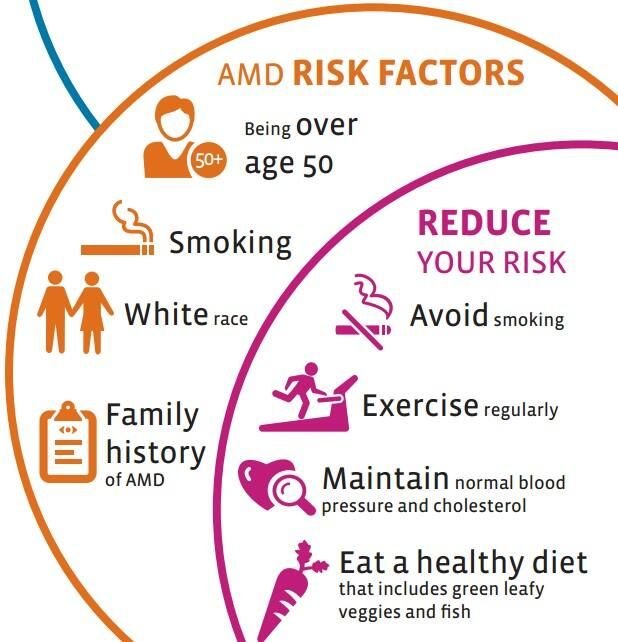
Macular degeneration, also known as age-related macular degeneration (AMD), is a progressive eye condition that affects the macula, the central part of the retina responsible for sharp, clear vision. It is a leading cause of vision loss in people over the age of 50. Macular degeneration can impair a person’s ability to read, drive, recognize faces, and perform other daily tasks that require detailed vision.
Risk Factors
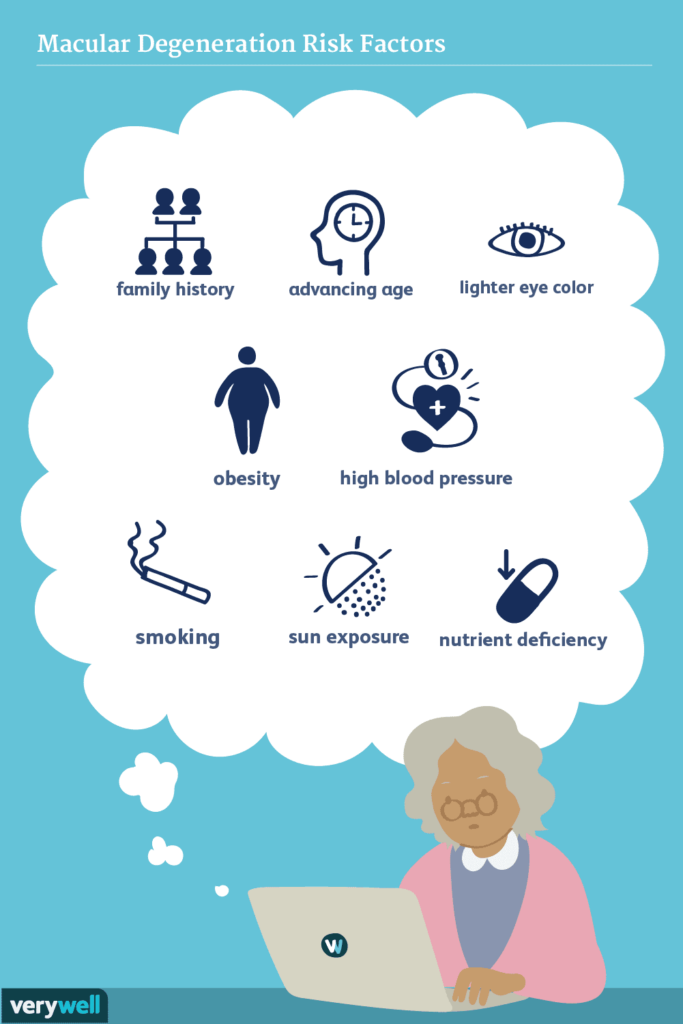
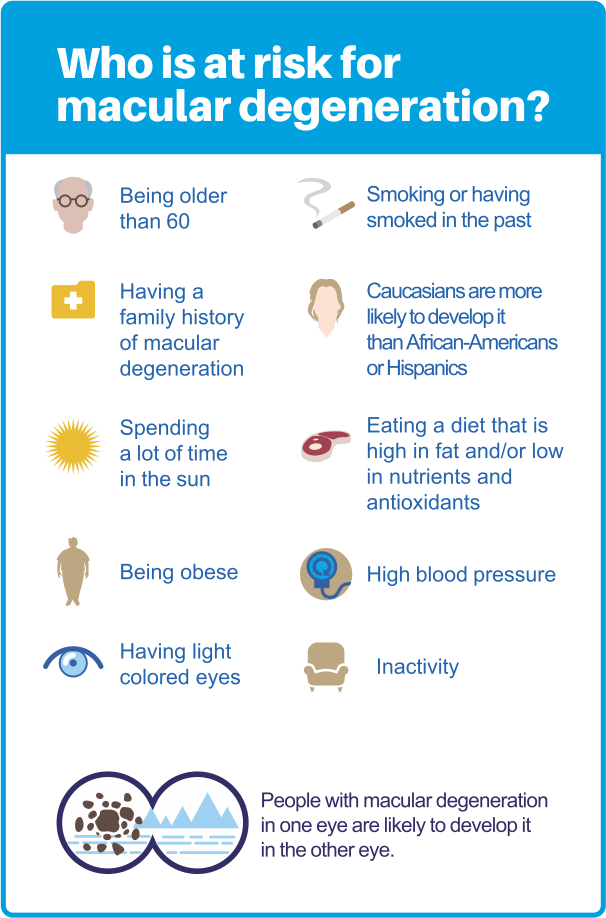
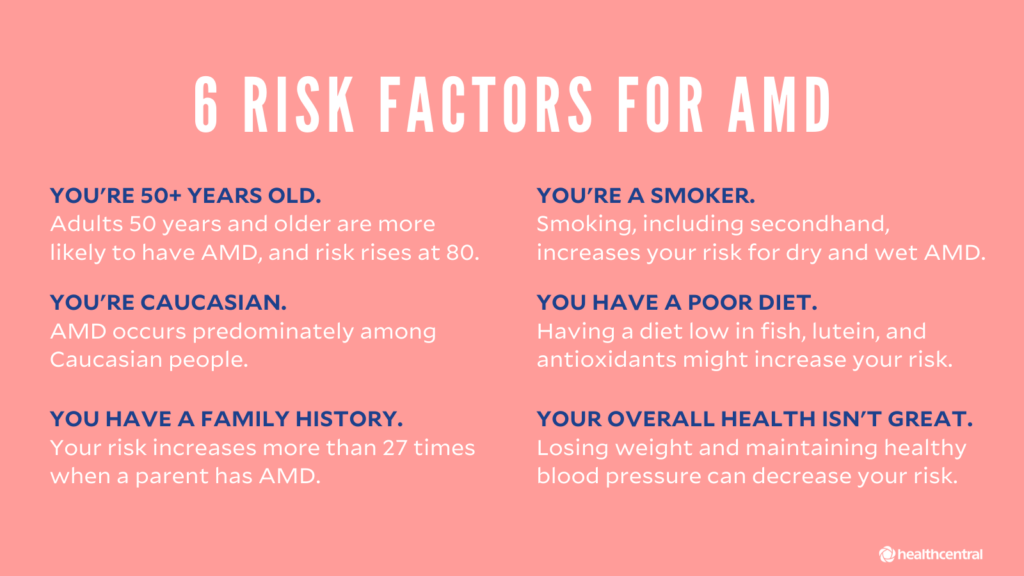
Several risk factors increase the likelihood of developing macular degeneration. While some factors cannot be changed, such as age and family history, others can be managed to reduce the risk. By understanding these risk factors, you can take proactive measures to protect your vision and potentially delay or prevent the onset of macular degeneration.
Age
Age is the most significant risk factor for macular degeneration. The condition primarily affects individuals over the age of 50, with the risk significantly increasing after the age of 60. As you get older, the cells of the macula may gradually deteriorate, leading to vision loss.
Family History
If you have a family history of macular degeneration, you are at a higher risk of developing the condition. Genetics can play a role in the development and progression of macular degeneration, so it is essential to discuss your family history with your eye doctor during regular check-ups.
Smoking
Smoking is a significant modifiable risk factor for macular degeneration. Studies have shown a strong association between smoking and an increased risk of developing both early and late-stage macular degeneration. If you smoke, quitting is one of the best things you can do for your eye health and overall well-being.
Race and Ethnicity
Certain racial and ethnic groups have a higher prevalence of macular degeneration. Caucasians are at a higher risk compared to other ethnicities. Research suggests that genetics and variations in racial and ethnic backgrounds might contribute to the differences in disease prevalence.
Gender
Women are more likely to develop macular degeneration than men. This difference in risk may be related to a combination of genetic factors, hormonal changes, and longer life expectancy among women.
Obesity
Maintaining a healthy weight is not only crucial for overall health but also for reducing the risk of macular degeneration. Studies have found a link between obesity and an increased risk of developing macular degeneration, particularly the more severe form known as wet macular degeneration.
High Blood Pressure
Uncontrolled high blood pressure can contribute to the development and progression of macular degeneration. Maintaining healthy blood pressure levels through lifestyle changes and appropriate medical treatment can help reduce the risk of macular degeneration and other cardiovascular diseases.
Cardiovascular Disease
Cardiovascular disease, including conditions like heart disease and stroke, has been associated with an increased risk of macular degeneration. Addressing cardiovascular risk factors, such as high cholesterol and high blood pressure, can help protect eye health and reduce the risk of vision loss.
Excessive Sun Exposure
Prolonged and unprotected exposure to sunlight, particularly ultraviolet (UV) radiation, can damage the retina and increase the risk of macular degeneration. Wearing sunglasses that block UV rays and a wide-brimmed hat when outdoors can help protect your eyes from harmful sun exposure.
Poor Diet and Nutritional Deficiencies
A diet lacking in essential nutrients, such as antioxidants and omega-3 fatty acids, can contribute to the development and progression of macular degeneration. Consuming a nutrient-rich diet that includes fruits, vegetables, fish, and nuts can help support eye health and potentially reduce the risk of macular degeneration.
Precautions
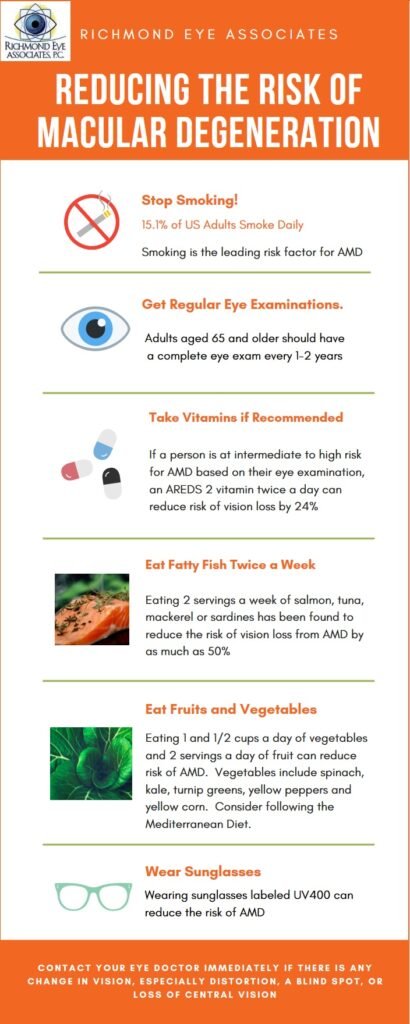
While some risk factors for macular degeneration cannot be changed, such as age and family history, there are steps you can take to reduce the risk and protect your vision. By implementing these precautions into your daily life, you can minimize the impact of modifiable risk factors.
Regular Eye Exams
Regular comprehensive eye exams are essential for the early detection and management of macular degeneration. Eye doctors can monitor the health of your eyes, identify any signs of macular degeneration, and provide appropriate interventions to protect your vision.
Quit Smoking
If you smoke, quitting is one of the most significant steps you can take to reduce your risk of macular degeneration. Seek support from healthcare professionals and resources to help you quit successfully. Quitline services and smoking cessation programs can provide the assistance you need.
Maintain a Healthy Weight
Maintaining a healthy weight through balanced nutrition and regular physical activity can help reduce the risk of macular degeneration. Aim for a diet rich in fruits, vegetables, whole grains, lean proteins, and healthy fats. Engage in regular exercise, such as walking, swimming, or cycling, to maintain a healthy weight.
Eat a Nutrient-rich Diet
A diet rich in antioxidants, vitamins, and minerals can support eye health and potentially reduce the risk of macular degeneration. Include foods high in antioxidants, such as dark leafy greens, oranges, berries, and nuts. Omega-3 fatty acids found in fatty fish, flaxseeds, and walnuts are also beneficial for eye health.
Exercise Regularly
Regular exercise not only helps maintain a healthy weight but also promotes overall cardiovascular health, reducing the risk of macular degeneration. Engage in moderate-intensity aerobic exercises, such as brisk walking or swimming, for at least 150 minutes per week, as recommended by health experts.
Protect Your Eyes from UV Rays
Shield your eyes from the harmful effects of UV radiation by wearing sunglasses that block 100% of UVA and UVB rays. Choose sunglasses with a wraparound design to provide maximum coverage. Additionally, wear a wide-brimmed hat to further protect your eyes and face from direct sunlight.
Control Blood Pressure and Cholesterol
Managing blood pressure and cholesterol levels is crucial for cardiovascular health and reducing the risk of macular degeneration. Follow a heart-healthy diet, exercise regularly, take prescribed medications as directed by your healthcare provider, and attend regular check-ups to monitor and manage these conditions effectively.
Manage Cardiovascular Disease
If you have been diagnosed with cardiovascular disease, work closely with your healthcare team to manage your condition effectively. Follow their recommendations regarding medication, lifestyle changes, and regular check-ups. Maintaining optimal cardiovascular health can support eye health and reduce the risk of vision loss.
Monitor Medication Side Effects
Certain medications can have adverse effects on eye health and potentially increase the risk of macular degeneration. If you are taking medications for chronic conditions, discuss potential side effects with your healthcare provider. Regularly monitor your vision and report any changes to your doctor promptly.
Manage Chronic Conditions
Chronic conditions such as diabetes and high blood pressure can increase the risk of macular degeneration. It is important to manage these conditions through appropriate medical treatment, lifestyle modifications, and regular check-ups. By effectively managing chronic conditions, you can reduce the impact on your eye health.
Types of Macular Degeneration
There are two primary types of macular degeneration: dry macular degeneration and wet macular degeneration. Understanding the differences between the two can help in diagnosis and treatment decisions.
Dry Macular Degeneration
Dry macular degeneration, also known as non-exudative AMD, is the most common form of macular degeneration, accounting for about 85-90% of cases. It occurs when the macula thins and small deposits called drusen accumulate beneath the retina. As dry macular degeneration progresses, central vision may become blurred or distorted.
Wet Macular Degeneration
Wet macular degeneration, also known as exudative AMD, is a more severe form of the condition. It occurs when abnormal blood vessels grow beneath the retina and leak blood and fluid into the macula. This can quickly lead to severe vision loss if left untreated. Wet macular degeneration is less common but typically progresses more rapidly than dry macular degeneration.
Symptoms and Diagnosis
Recognizing the symptoms of macular degeneration and seeking timely diagnosis are critical for early intervention and treatment. Here are some common symptoms and diagnostic tests used to evaluate macular degeneration.
Blurred Vision
One of the earliest signs of macular degeneration is blurred or fuzzy central vision. Objects may appear hazy, and detailed tasks like reading or recognizing faces may become challenging. This blurred vision tends to worsen gradually over time.
Dark Straight Lines
If straight lines appear wavy or distorted, it could be an indication of macular degeneration. This phenomenon, known as metamorphopsia, is a result of the macula’s degeneration and can impact a person’s ability to perceive objects correctly.
Altered Color Perception
Macular degeneration can affect color perception, resulting in colors appearing less vibrant or washed out. This can make it difficult to distinguish between similar shades and can affect a person’s overall visual experience.
Difficulty Recognizing Faces
As macular degeneration progresses, it becomes increasingly challenging to recognize faces. This is because the degeneration of the macula affects central vision, which is crucial for facial recognition.
Amsler Grid Test
The Amsler grid test is a simple and effective tool for self-monitoring changes in vision caused by macular degeneration. The grid consists of intersecting straight lines with a central dot. By looking at the grid with each eye separately, any distortions or missing sections can be identified and reported to an eye care professional.
Optical Coherence Tomography (OCT)
Optical coherence tomography is a non-invasive imaging test used to assess the health of the macula. It provides detailed cross-sectional images of the retina, allowing eye care professionals to evaluate the thickness of the macula and detect any abnormalities or fluid accumulation.
Fluorescein Angiography
Fluorescein angiography is a diagnostic test that utilizes the injection of a fluorescent dye to evaluate the blood vessels in the retina. The dye highlights any abnormalities, such as leaking blood vessels, which can indicate the presence of wet macular degeneration.
Treatment Options
While there is no cure for macular degeneration, several treatment options are available to manage the condition and slow its progression. The appropriate treatment depends on the type and severity of macular degeneration.
Anti-VEGF Therapy
Anti-VEGF (vascular endothelial growth factor) therapy is a commonly used treatment for wet macular degeneration. It involves the injection of medications into the eye to block the growth of abnormal blood vessels and reduce the leaking of blood and fluid. Anti-VEGF therapy can help stabilize or improve vision in many patients.
Photodynamic Therapy
Photodynamic therapy (PDT) is another treatment option for wet macular degeneration. It combines the use of a photosensitizing drug and a laser to selectively destroy abnormal blood vessels. PDT can help prevent further progression of wet macular degeneration and protect the macula from further damage.
Laser Therapy
Laser therapy can be used in specific cases of macular degeneration, particularly in the treatment of certain types of abnormal blood vessels. It involves using a laser to seal leaking blood vessels or destroy abnormal tissue, helping to reduce the risk of further vision loss.
Intraocular Lens
For individuals with advanced macular degeneration and significant vision loss, the use of an intraocular lens (IOL) implant may be a potential option. IOLs can improve vision by replacing the cloudy natural lens with a clear artificial lens. However, this option may not be suitable for everyone and requires careful consideration and evaluation by an eye care professional.
Low Vision Aids
Low vision aids are devices that can help individuals with macular degeneration make the most of their remaining vision. These aids include magnifiers, telescopes, reading glasses, and specialized lighting. Low vision specialists can provide personalized recommendations and fittings for these aids.
Vitamin and Mineral Supplements
Certain vitamin and mineral supplements may be beneficial in slowing the progression of macular degeneration, particularly in the dry form. These supplements typically contain high doses of antioxidants, vitamins, and minerals that support eye health. However, it is important to consult with an eye care professional before starting any supplement regimen.
Preventing Macular Degeneration Progression
While macular degeneration cannot be completely prevented, there are steps you can take to slow its progression and preserve your vision for as long as possible.
Early Detection and Timely Treatment
Early detection of macular degeneration is crucial for effective treatment and management. Attend regular eye exams, especially if you are at a higher risk due to age or family history. Timely intervention can help prevent further damage to the macula and preserve vision.
Monitor Changes in Vision
Pay close attention to any changes in your vision, such as blurriness, distortion, or missing sections. Use the Amsler grid test at home to self-monitor changes and promptly report any abnormalities to your eye care professional. Regular monitoring allows for timely intervention and treatment.
Smoking Cessation
If you smoke, quitting is one of the most important steps you can take to slow the progression of macular degeneration. Smoking has been strongly linked to an increased risk of macular degeneration and can exacerbate the condition if already present. Seek support and resources to help you quit successfully.
Healthy Lifestyle Choices
Maintaining a healthy lifestyle can help slow the progression of macular degeneration. Engage in regular physical activity, eat a balanced diet rich in antioxidants and omega-3 fatty acids, manage chronic conditions, and maintain a healthy weight. These lifestyle choices promote overall health and support eye health.
Home Monitoring with Amsler Grid
Regularly using the Amsler grid at home can help you detect any changes in your vision. By checking your vision regularly, you can identify any abnormalities and report them to your eye care professional promptly. Home monitoring provides an additional line of defense in managing macular degeneration.
Living with Macular Degeneration
Living with macular degeneration can present challenges, but there are various strategies and resources available to help individuals adapt and maintain a fulfilling life.
Low Vision Rehabilitation
Individuals with macular degeneration can benefit from low vision rehabilitation services. Low vision specialists and occupational therapists can provide guidance and training on using low vision aids, optimizing lighting conditions, and adapting daily activities to maximize remaining vision.
Support Groups
Joining a support group for individuals with macular degeneration can provide a sense of community and a platform for sharing experiences and coping strategies. Support groups allow individuals to connect with others facing similar challenges and gain emotional support.
Assistive Devices
Assistive devices can help individuals with macular degeneration overcome specific vision challenges. These devices include special magnifying glasses, talking watches, large-print books, and voice-activated technology. Exploring different assistive devices can enhance independence and quality of life.
Psychological Support
Living with macular degeneration can be emotionally challenging. Seeking psychological support, such as counseling or therapy, can help individuals cope with the emotional impact of vision loss and develop strategies to maintain a positive outlook and optimal mental well-being.
Adapting Daily Activities
With the guidance of low vision specialists, individuals with macular degeneration can learn to adapt their daily activities to accommodate their vision loss. This may involve using contrasting colors, larger print materials, and implementing organizational strategies to enhance efficiency and accessibility.
Conclusion
Macular degeneration is a progressive eye condition that can significantly impact vision and quality of life, especially in individuals over the age of 50. While certain risk factors cannot be changed, such as age and family history, taking preventative measures and adopting a healthy lifestyle can help reduce the risk of macular degeneration. Early detection, timely treatment, and ongoing management are vital for preserving vision and maximizing independence for individuals with macular degeneration. By staying informed, seeking regular eye care, and implementing the recommended precautions, you can take control of your eye health and potentially delay the onset or progression of macular degeneration.