
You may have heard of multiple sclerosis, a chronic disease that affects the central nervous system. But do you know the risk factors and precautions associated with this condition? In this article, we will explore the various risk factors that can increase your chances of developing multiple sclerosis and discuss the precautions you can take to minimize the impact of this disease on your life. By understanding these key factors, you can empower yourself to make informed decisions and better manage your health.

Risk Factors for Multiple Sclerosis
Multiple sclerosis (MS) is a complex neurological condition that affects the central nervous system. While the exact cause of MS is still unknown, there are several risk factors that have been identified. Understanding these risk factors can help individuals take necessary precautions and make informed choices for their health.
Age
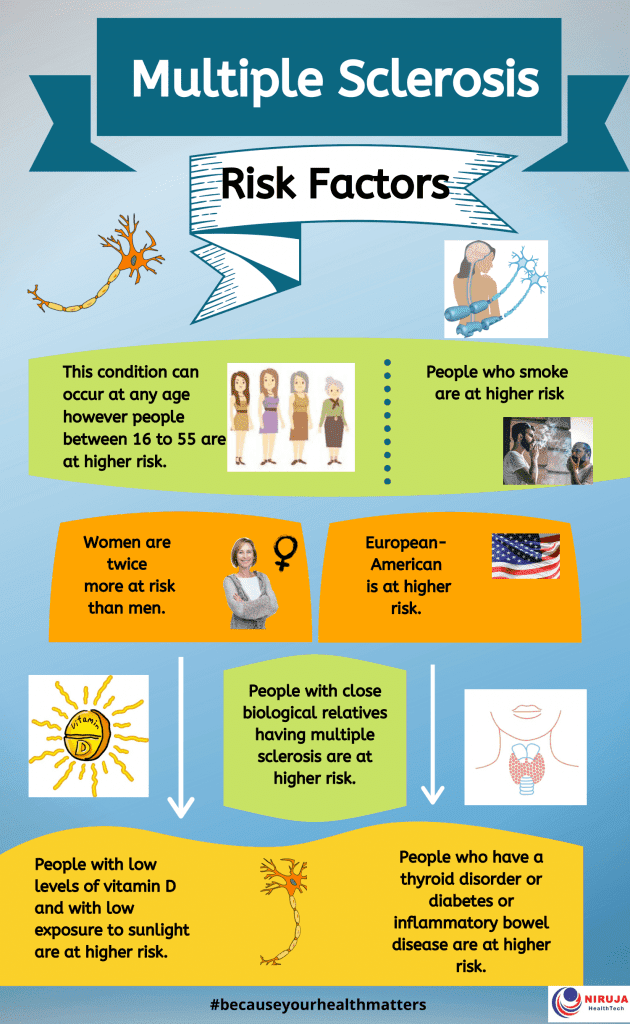
Age is an important risk factor for multiple sclerosis. Most individuals are diagnosed with MS between the ages of 20 and 50, with the peak age of onset being around 30 years old. While MS can occur at any age, it is less common in children and older adults.
Peak Age of Onset
The peak age of onset for multiple sclerosis is between 20 and 50 years old. This means that individuals in this age range are at a higher risk of developing MS compared to other age groups. It is important for individuals within this range to be aware of the symptoms of MS and to consult a healthcare professional if they experience any concerning signs.
Pediatric Multiple Sclerosis
Although less common, multiple sclerosis can also affect children and teenagers. Pediatric MS has its own set of unique challenges and considerations. Early diagnosis and appropriate management are crucial for young individuals living with MS. If you suspect that your child may be showing symptoms of MS, it is important to consult a pediatric neurologist for a thorough evaluation.

Gender
Gender is another significant risk factor for multiple sclerosis. Women are more likely to develop MS compared to men. The reason for this gender disparity is not yet fully understood, but hormonal and genetic factors may play a role.
Women and MS
Research suggests that women are two to three times more likely to develop multiple sclerosis compared to men. Hormonal fluctuations, such as those that occur during puberty, pregnancy, and menopause, may contribute to the increased risk in women. It is important for women with MS to work closely with their healthcare providers to effectively manage their symptoms during these periods of hormonal change.
Pregnancy and MS
Many women with MS are able to have healthy pregnancies and deliver healthy babies. However, pregnancy can sometimes influence the course of MS, with some women experiencing fewer relapses during pregnancy and an increased risk of relapse in the early postpartum period. If you have MS and are considering pregnancy, it is crucial to discuss your plans with your healthcare provider to develop a personalized management plan that considers both your MS and pregnancy.
Genetics
Genetics also play a role in the development of multiple sclerosis. Having a family history of MS increases an individual’s risk of developing the condition. Moreover, certain gene variants are associated with a higher risk of MS.
Family History
Having a first-degree relative, such as a parent or sibling, with MS increases the risk of an individual developing the condition. While the overall risk is still relatively low, individuals with a family history of MS should be vigilant and attentive to any potential symptoms.
HLA-DRB1 Gene Variants
Certain variants of the human leukocyte antigen (HLA)-DRB1 gene have been linked to an increased risk of developing multiple sclerosis. These gene variants are involved in the regulation of the immune system, suggesting that immune system dysregulation plays a role in the development of MS.
Other Risk Genes
In addition to HLA-DRB1 gene variants, several other genes have been identified as potential risk factors for multiple sclerosis. Variants in genes related to immune function and inflammation, such as IL2RA and IL7R, have been associated with an increased risk of MS. However, it is important to note that having these variants does not guarantee the development of MS, as other factors are also involved.
Ethnicity
Ethnicity is a known risk factor for multiple sclerosis, with certain populations having a higher prevalence of the condition compared to others.
MS Prevalence by Ethnicity
Multiple sclerosis is more common in populations of European descent, especially those of northern European ancestry. However, the condition can affect individuals of any ethnicity. It is essential to recognize that MS can occur in diverse populations and to be aware of the risk factors and symptoms, regardless of ethnic background.
African Americans and MS
While multiple sclerosis is less common among African Americans compared to individuals of European descent, African Americans with MS often experience more severe symptoms and a faster disease progression. It is crucial for healthcare providers to have a high index of suspicion for MS in African American individuals to ensure timely diagnosis and appropriate management.
Asian Americans and MS
Multiple sclerosis is relatively rare among Asian Americans compared to other ethnic groups. However, research suggests that MS prevalence is increasing in Asian populations. It is important for healthcare providers to be aware of this trend and consider MS as a potential diagnosis in Asian American individuals presenting with symptoms suggestive of the condition.
Hispanic/Latinx Americans and MS
Hispanic and Latinx Americans have a lower overall prevalence of multiple sclerosis compared to individuals of European descent. However, the disease can still occur in this population. Genetic and environmental factors may contribute to the development of MS in individuals of Hispanic or Latinx heritage. Healthcare providers should have a comprehensive approach to diagnosing and managing MS in Hispanic and Latinx individuals.
Geographic Location
Geographic location plays an important role in the distribution and prevalence of multiple sclerosis. There is a clear trend of higher MS prevalence in certain regions of the world.
Latitude and MS Prevalence
There is a gradient of MS prevalence based on latitude. The further away from the equator an individual lives, the higher their risk of developing multiple sclerosis. This trend suggests that environmental factors, such as sunlight exposure and vitamin D levels, may play a role in the development of MS.
Northern Hemisphere and MS
The Northern Hemisphere has a higher prevalence of multiple sclerosis compared to the Southern Hemisphere. Countries in northern regions, such as Canada, Scandinavia, and the northern parts of the United States, have a higher incidence of MS. It is important for individuals in these regions to be aware of the risk factors, symptoms, and available interventions for MS.
Southern Hemisphere and MS
Although the Southern Hemisphere has a lower prevalence of multiple sclerosis compared to the Northern Hemisphere, the condition can still occur in these regions. Countries such as Australia and New Zealand have reported cases of MS. Individuals living in the Southern Hemisphere should be aware of the risk factors and symptoms of MS and seek appropriate medical care if needed.
Migration and MS Risk
Migration can have an impact on an individual’s risk of developing multiple sclerosis. Studies have shown that individuals who migrate from a low-risk area to a high-risk area before the age of 15 acquire the MS risk of their destination. Conversely, individuals who migrate from a high-risk area to a low-risk area before the age of 15 acquire the lower risk of their new location. This suggests that environmental factors experienced in early life may be important in determining MS risk.
Infectious Agents
Certain infectious agents have been implicated in the development or progression of multiple sclerosis. While these associations are still being studied, understanding the potential role of infectious agents in MS risk is essential.
Epstein-Barr Virus (EBV)
Epstein-Barr virus (EBV) is a common virus that is associated with infectious mononucleosis, also known as mono. Numerous studies have suggested an association between EBV infection and an increased risk of developing multiple sclerosis. However, the exact mechanisms through which EBV may contribute to MS risk are not yet fully understood.
Human Herpesvirus 6 (HHV-6)
Human herpesvirus 6 (HHV-6) is another virus that has been studied in relation to multiple sclerosis. Some studies have found a higher prevalence of HHV-6 antibodies in individuals with MS compared to those without MS. However, more research is needed to determine the nature of the relationship between HHV-6 and MS.
Other Viral Infections
In addition to EBV and HHV-6, other viral infections, such as herpes simplex virus, varicella zoster virus, and hepatitis A virus, have been investigated as potential risk factors for multiple sclerosis. While some studies have suggested associations, further research is required to establish definitive causal links.
Bacterial Infections
Certain bacterial infections have also been investigated in relation to multiple sclerosis risk. For example, Chlamydia pneumoniae, a common respiratory pathogen, has been studied for its potential role in MS. However, the evidence linking bacterial infections to MS remains inconclusive, and more research is needed.
Autoimmune Diseases
Multiple sclerosis is considered an autoimmune disease, and individuals with one autoimmune disease may have an increased risk of developing another. Understanding the relationship between MS and other autoimmune disorders is crucial for comprehensive medical management.
Concomitant Autoimmune Disorders
The presence of one autoimmune disorder may increase the risk of developing multiple sclerosis. Conditions such as systemic lupus erythematosus, rheumatoid arthritis, and Sjögren’s syndrome have been associated with an increased risk of MS. Individuals with these autoimmune disorders should be aware of the potential risk of developing MS and work closely with their healthcare providers for proper monitoring and management.
Autoimmune Thyroid Disorders
Autoimmune thyroid disorders, such as Hashimoto’s thyroiditis and Graves’ disease, have been linked to an increased risk of developing multiple sclerosis. Thyroid function and autoimmunity should be routinely evaluated in individuals with MS, and vice versa, to ensure comprehensive care.
Inflammatory Bowel Disease
Inflammatory bowel disease, including Crohn’s disease and ulcerative colitis, has been associated with an increased risk of multiple sclerosis. The immune system dysregulation that occurs in these conditions may contribute to the development of MS. Individuals with inflammatory bowel disease should be aware of the potential increased risk of MS and should work with their healthcare providers for appropriate management.
Type 1 Diabetes
Type 1 diabetes, an autoimmune condition characterized by the destruction of insulin-producing cells in the pancreas, has also been linked to an increased risk of multiple sclerosis. Individuals with type 1 diabetes should be aware of the potential risk of developing MS and should seek appropriate medical care if they experience any concerning symptoms.
Smoking
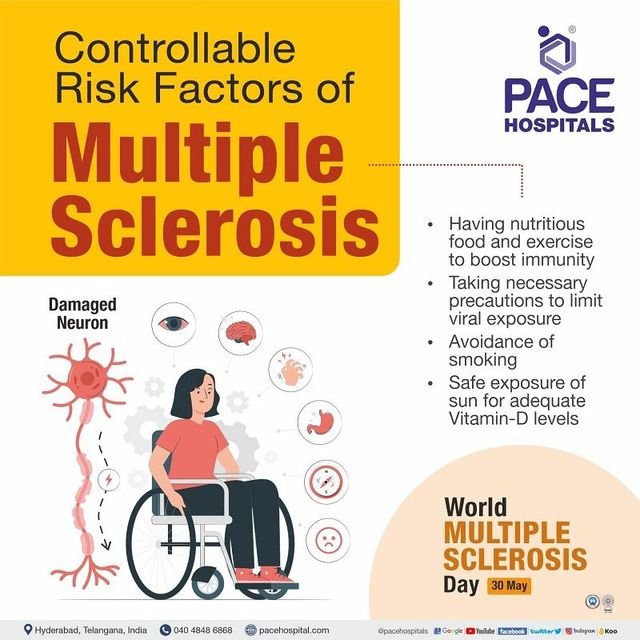
Smoking is a modifiable risk factor that has been associated with an increased risk of developing multiple sclerosis. Quitting smoking and avoiding secondhand smoke exposure can significantly reduce the risk of MS.
Cigarette Smoking and MS Risk
Several studies have consistently shown a correlation between cigarette smoking and an increased risk of developing multiple sclerosis. Smoking may contribute to the development of MS through various mechanisms, including immune system dysregulation and increased oxidative stress. Quitting smoking is highly recommended for individuals who want to reduce their risk of MS.
Secondhand Smoke Exposure
Secondhand smoke exposure has also been associated with an increased risk of multiple sclerosis. Even if you are not a smoker, being exposed to smoke from others can still have adverse health effects, including an increased risk of developing MS. It is important to avoid secondhand smoke and minimize exposure to smoke-filled environments.
Precautions for Multiple Sclerosis
While the exact cause of multiple sclerosis is still unknown, there are several precautions individuals can take to manage their risk and optimize their overall health.
Regular Medical Check-ups
Regular medical check-ups are essential for individuals at risk of multiple sclerosis or those already diagnosed with the condition. Routine monitoring can help identify any potential symptoms or changes in health status early on, allowing for timely intervention and management.
Adherence to Medications
If you have been diagnosed with multiple sclerosis, it is crucial to adhere to your prescribed medications. Disease-modifying therapies can help slow the progression of MS and reduce the frequency and severity of relapses. Working closely with your healthcare provider to find the most suitable treatment plan for your specific needs is vital.
Lifestyle Modifications
Maintaining a healthy lifestyle is important for everyone, but it holds particular significance for individuals at risk of multiple sclerosis. Strategies such as regular exercise, stress management, and adequate sleep can help support overall well-being and potentially reduce the risk of MS.
Exercise and Physical Therapy
Regular exercise and physical therapy can help improve strength, balance, flexibility, and overall function in individuals with multiple sclerosis. Engaging in appropriate physical activities and working with a trained healthcare professional can contribute to maintaining an active and fulfilling lifestyle.
Balanced Diet
Maintaining a balanced and nutritious diet is important for overall health and well-being, including for individuals at risk of multiple sclerosis. Eating a variety of fruits, vegetables, whole grains, lean proteins, and healthy fats can help support immune function and optimize overall health.
Avoiding Smoking and Secondhand Smoke
As mentioned earlier, smoking and secondhand smoke exposure are linked to an increased risk of multiple sclerosis. It is crucial to avoid smoking and minimize exposure to smoke-filled environments to reduce the risk of MS and maintain good respiratory health.
Maintaining Good Mental Health
The emotional and psychological impact of multiple sclerosis should not be overlooked. It is important to prioritize mental health and seek appropriate support if needed. Engaging in activities that promote emotional well-being, such as mindfulness practices, therapy, and support groups, can be beneficial for individuals with MS.
Stress Management
Stress can have a negative impact on overall health, including the immune system. Engaging in stress management techniques, such as meditation, relaxation exercises, and engaging in hobbies or activities that bring joy, can help reduce stress levels and potentially improve the overall well-being of individuals at risk of multiple sclerosis.
Avoiding Heat Exposure
Many individuals with multiple sclerosis experience an increased sensitivity to heat. It is important to avoid prolonged exposure to high temperatures, such as hot baths, saunas, and prolonged sun exposure, as it can worsen MS symptoms. Staying hydrated and seeking shade or air-conditioned environments during hot weather can help manage heat sensitivity.
Prevention of Infections
While infections themselves may not directly cause multiple sclerosis, they can potentially trigger or exacerbate MS symptoms. Practicing good hygiene, receiving recommended vaccines, and avoiding close contact with individuals who are sick can help reduce the risk of infections and their potential impact on MS.
In conclusion, understanding the risk factors for multiple sclerosis is crucial for taking appropriate precautions and making informed choices regarding your health. While some risk factors, such as age, gender, and genetics, cannot be modified, others, such as smoking and lifestyle choices, can be addressed. By being proactive, staying informed, and working closely with healthcare providers, individuals can optimize their overall health and potentially reduce their risk of developing multiple sclerosis. Remember, early detection, proper management, and a healthy lifestyle are key to living well with multiple sclerosis.