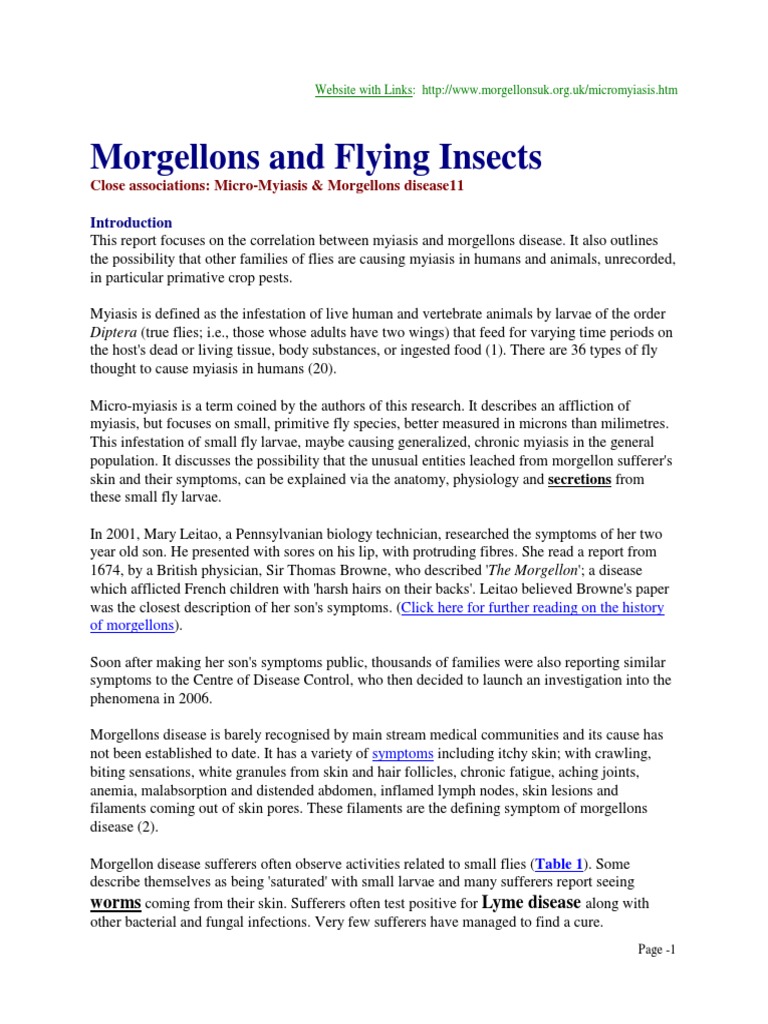
Have you ever heard of Morgellons? This article aims to provide you with a concise and informative overview of the risk factors and precautions associated with this unique condition. Understanding the factors that contribute to the development of Morgellons and taking necessary precautions can help individuals mitigate the potential risks associated with it. So, let’s delve into the world of Morgellons and explore what you need to know to stay safe and informed.
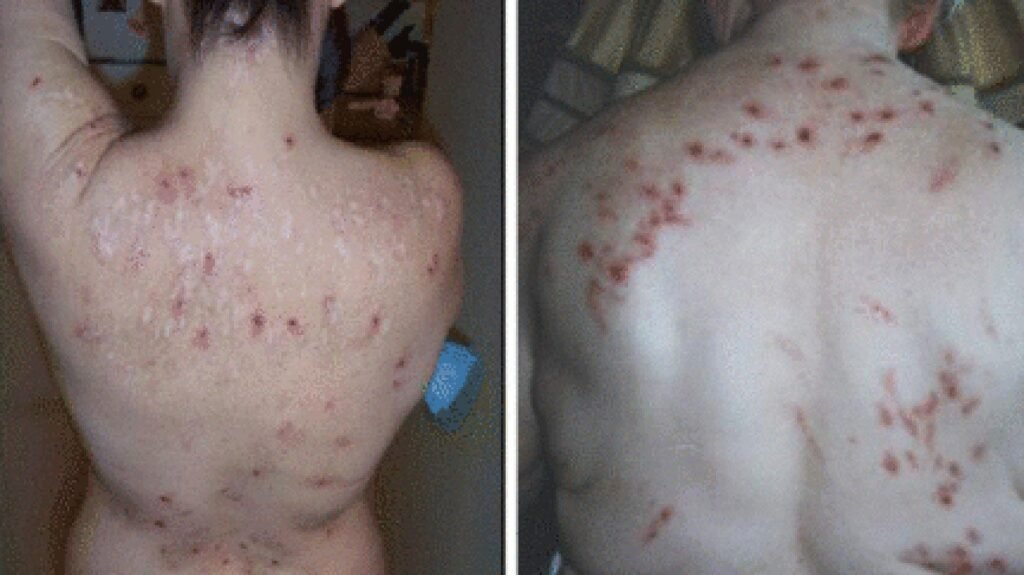
Risk Factors
When it comes to understanding the risk factors associated with Morgellons, it is important to consider various aspects of one’s life that may contribute to the development or exacerbation of the condition. These risk factors can be categorized into three main groups: demographic factors, genetic factors, and environmental factors. By understanding these different aspects, you can gain a better understanding of potential risk factors and take necessary precautions to prevent or manage Morgellons.
Demographic Factors
Demographic factors refer to characteristics such as age, gender, and occupation that play a role in determining an individual’s susceptibility to Morgellons.
Age
Age is a significant demographic factor that can influence the likelihood of developing Morgellons. While the condition is observed in individuals across all age groups, adults are more commonly affected than children. This could be attributed to a combination of factors, including increased exposure to environmental triggers and a longer duration of potential risk factors.
Gender
Gender can also impact the risk of Morgellons, although it affects both men and women. Studies suggest that men may be more likely to develop Morgellons, but this could be due to various factors, such as differences in occupation and exposure to environmental triggers. However, it is important to note that more comprehensive research is required to establish a definitive correlation between gender and Morgellons.
Occupation
Occupation is another important demographic factor to consider. Certain occupations may expose individuals to environmental triggers or factors that increase the risk of Morgellons. Agricultural workers, healthcare workers, and military personnel, for example, may be more prone to developing the condition due to their increased exposure to various elements. It is vital for individuals in these occupations to take necessary precautions and follow appropriate preventive measures to minimize their risk.
Genetic Factors
Genetic factors play a crucial role in determining an individual’s vulnerability to Morgellons. These factors are related to an individual’s genetic makeup and can influence the development and severity of the condition.
Family History
Family history is a significant genetic factor in the development of Morgellons. If you have a close family member, such as a parent or sibling, who has been diagnosed with the condition, your risk of developing Morgellons may be higher. This suggests a genetic predisposition towards the condition, although the specific genes involved and their mechanisms are not yet fully understood.
Specific Gene Mutations
Specific gene mutations are another genetic factor that can increase the risk of Morgellons. Although research in this area is still ongoing, preliminary studies have identified potential gene mutations that may contribute to the development of the condition. These mutations can affect various biological processes, including immune function and skin health. However, it is important to note that further research is necessary to ascertain the precise genetic factors involved and their implications.

Environmental Factors
In addition to demographic and genetic factors, various environmental factors can also contribute to the risk of Morgellons. These factors are related to an individual’s surroundings and lifestyle choices.
Exposure to Toxic Chemicals
Exposure to toxic chemicals is a prominent environmental risk factor associated with Morgellons. Certain chemicals found in pesticides, cleaning products, or even everyday items may trigger or exacerbate the symptoms of the condition. It is crucial to minimize exposure to such chemicals by using safer alternatives, wearing appropriate protective gear, and ensuring proper ventilation in your surroundings.
Living in Rural Areas
Living in rural areas can also pose a higher risk of Morgellons. This is mainly due to increased exposure to environmental elements, such as insects, plants, and animals that may carry or cause the condition. It is important to take precautionary measures, such as wearing protective clothing and using insect repellents, to reduce the risk of contracting Morgellons in these areas.
Climate Conditions
Climate conditions can also influence the risk of Morgellons. Certain climatic factors, such as high humidity or extreme temperatures, may create a more favorable environment for the growth and proliferation of Morgellons-related triggers. Individuals living in these climates should be particularly vigilant and take necessary precautions, such as proper hygiene and suitable clothing choices, to manage and minimize their risk.
Avoiding Skin Irritants
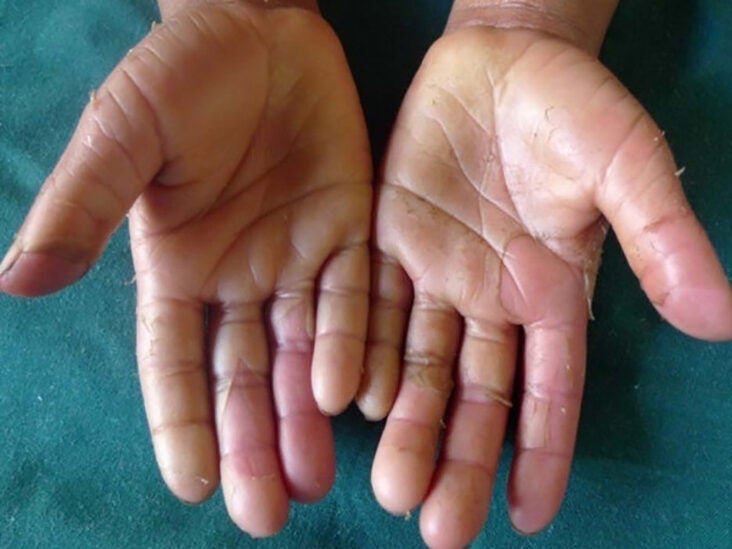
Apart from the specific risk factors mentioned above, it is essential to consider general precautions to minimize the risk or worsening of Morgellons symptoms. Avoiding skin irritants is crucial in managing the condition. This includes avoiding harsh chemicals in personal care products, such as soaps and lotions, and opting for gentle and hypoallergenic alternatives. Additionally, maintaining good hygiene practices, such as regular bathing and keeping the affected area clean and dry, can help mitigate the discomfort associated with Morgellons.
In conclusion, understanding the risk factors associated with Morgellons is crucial in preventing or managing this condition effectively. Demographic factors, genetic factors, and environmental factors all play a role in determining an individual’s susceptibility to Morgellons. By taking necessary precautions, such as minimizing exposure to toxic chemicals, living in rural areas, and adapting appropriate hygiene practices, you can reduce the likelihood of developing or exacerbating Morgellons symptoms. It is always advisable to consult with a healthcare professional for personalized guidance and recommendations based on your specific situation.