
Imagine being in a constant state of worry and fear, where panic attacks can strike at any moment. This is the reality for those who suffer from panic-anxiety disorders. In this article, we will explore the risk factors that contribute to the development of these disorders and the precautions that can be taken to manage and prevent them. By understanding these factors and taking necessary precautions, you can regain control of your life and find peace in the midst of anxiety.

Risk Factors for Panic-Anxiety Disorders
Genetic Factors
One of the risk factors for developing panic-anxiety disorders is genetic factors. Research has shown that there is a strong hereditary component to these disorders. If you have a family history of panic-anxiety disorders, you may have a higher likelihood of experiencing them yourself. It doesn’t mean that you are guaranteed to develop the disorder, but it does increase your risk. Understanding your family history can be valuable in identifying potential risk factors and taking proactive measures to manage your mental well-being.
Family History
Family history plays a significant role in the development of panic-anxiety disorders. If you have close relatives, such as a parent or sibling, who have experienced panic attacks or suffer from an anxiety disorder, you have a higher chance of developing these conditions. This suggests a possible genetic vulnerability that can be passed down through generations. Being aware of your family’s mental health history can help you and your healthcare provider identify potential underlying causes and devise a suitable treatment plan.
Childhood Trauma
Experiencing childhood trauma can significantly increase the risk of developing panic-anxiety disorders later in life. Traumatic events such as physical or emotional abuse, neglect, or witnessing violence can have long-lasting effects on a person’s mental health. Such experiences can disrupt normal brain development and lead to a heightened vulnerability to anxiety and panic disorders. Recognizing and addressing any unresolved childhood trauma through therapy or counseling can be crucial for preventing the onset of panic-anxiety disorders.
Personality Traits
Certain personality traits can contribute to the development of panic-anxiety disorders. Individuals with perfectionistic tendencies, high levels of neuroticism, or a strong need for control are more prone to experiencing anxiety and panic attacks. These personality traits can amplify stress levels and make it challenging to cope with everyday challenges and uncertainties. Recognizing these traits in oneself and developing healthy coping mechanisms, such as mindfulness practices or cognitive-behavioral therapy, can help manage anxiety and reduce the risk of panic-anxiety disorders.
Substance Abuse
Substance abuse, particularly the misuse of drugs or alcohol, is a significant risk factor for panic-anxiety disorders. Engaging in substance abuse can worsen existing anxiety symptoms or trigger panic attacks. Substance abuse disrupts the normal functioning of the brain and increases susceptibility to mental health disorders. It is important to be aware of the potential consequences of substance abuse and seek professional help if you or someone you know is struggling with addiction as a way to reduce the risk of panic-anxiety disorders.
Medical Conditions
Certain medical conditions can be associated with an increased risk of panic-anxiety disorders. Chronic illnesses, such as heart disease or respiratory disorders, can contribute to a sense of vulnerability and trigger anxiety symptoms. Additionally, hormonal imbalances, such as those experienced during menopause or thyroid dysfunction, can also affect mood and increase the chances of developing anxiety disorders. Understanding the potential impact of medical conditions on mental health is crucial, and seeking appropriate medical care can help manage both the physical and psychological symptoms.
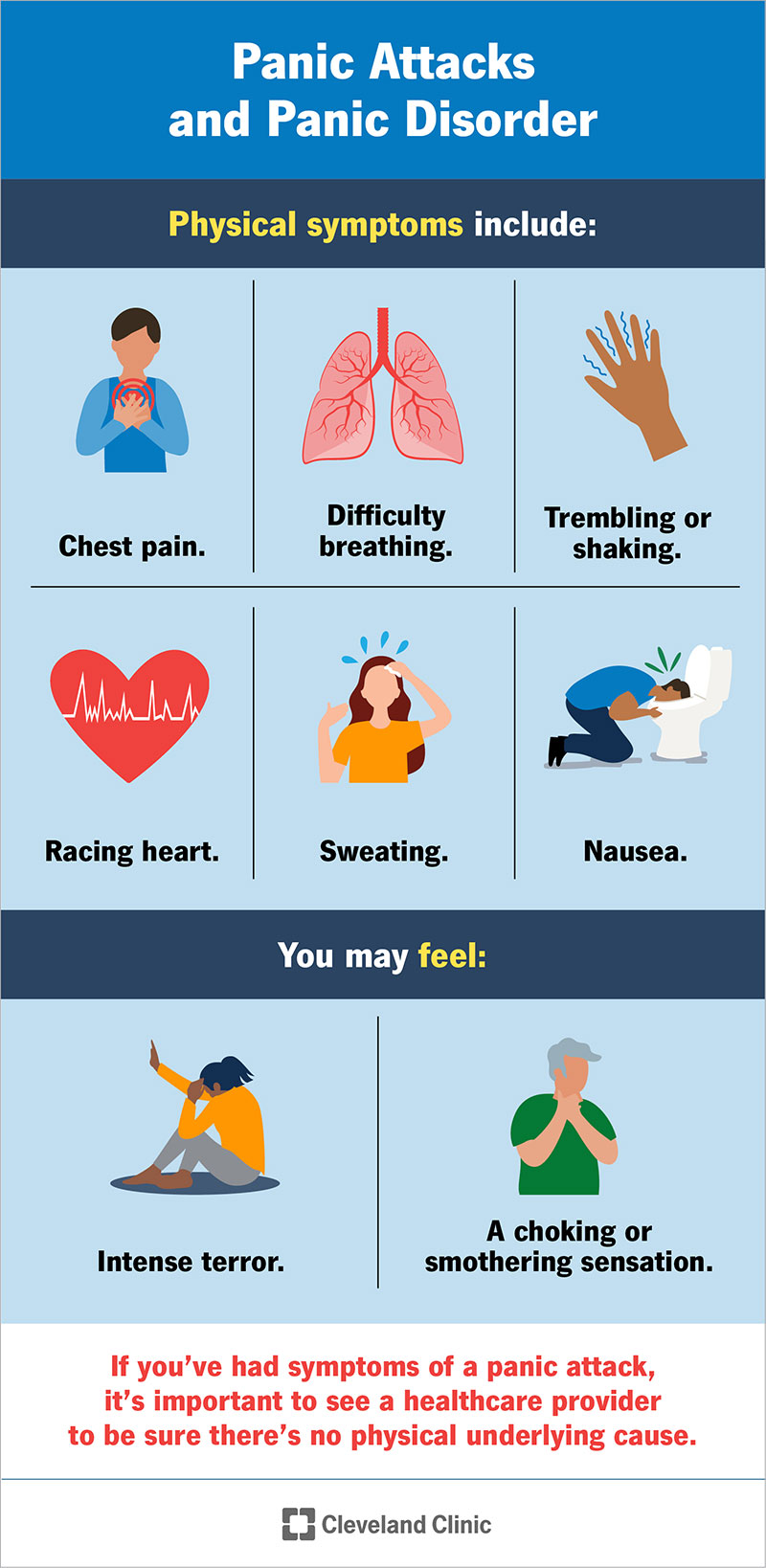
Precautions for Panic-Anxiety Disorders
Healthy Lifestyle
Maintaining a healthy lifestyle is one of the primary precautions for preventing panic-anxiety disorders. Ensuring regular exercise, a balanced diet, and sufficient sleep can have a positive impact on mental well-being. Physical activity releases endorphins, which are known as “feel-good” hormones that can help reduce anxiety and stress. A diet rich in fruits, vegetables, and whole grains provides essential nutrients to support proper brain function. Prioritizing self-care and making healthy lifestyle choices can contribute to overall mental resilience and reduce the risk of panic-anxiety disorders.
Stress Management
Learning effective stress management techniques is essential for preventing panic-anxiety disorders. Chronic stress can contribute to the development of anxiety disorders, so finding healthy ways to cope with stress is crucial. Practices such as deep breathing exercises, meditation, yoga, or engaging in hobbies and activities you enjoy can help alleviate stress and promote relaxation. Identifying sources of stress in your life and adopting effective coping mechanisms to manage them can significantly reduce the risk of panic-anxiety disorders.
Avoiding Triggers
Identifying and avoiding triggers is another important precaution for preventing panic-anxiety disorders. Triggers can vary from person to person but may include certain situations, environments, or even specific thoughts or memories. By being aware of your triggers, you can take steps to minimize exposure and develop strategies to cope with them effectively. This could involve setting boundaries, establishing routines, or practicing mindfulness techniques to stay grounded in the present moment.
Supportive Relationships
Building and nurturing supportive relationships can be a valuable precautionary measure against panic-anxiety disorders. Having a strong support system of family, friends, or even support groups can provide emotional support and understanding during challenging times. Being able to openly discuss feelings and concerns with trusted individuals can help alleviate anxiety and prevent it from escalating into a full-blown panic attack. Healthy relationships can provide a sense of security and boost self-esteem, contributing to overall mental well-being.
Seeking Professional Help
Perhaps the most essential precautionary measure is seeking professional help when needed. If you experience symptoms of anxiety or panic attacks that significantly impact your daily life, it is crucial to reach out to a mental health professional. They can provide an accurate diagnosis, offer appropriate treatment options, and guide you through effective coping strategies. Early intervention and proper management can significantly reduce the impact of panic-anxiety disorders on your well-being and improve your overall quality of life.
In conclusion, understanding the risk factors and taking precautions for panic-anxiety disorders is essential for maintaining good mental health. Genetic factors, family history, childhood trauma, personality traits, substance abuse, and medical conditions can all contribute to the development of these disorders. However, adopting a healthy lifestyle, practicing stress management techniques, avoiding triggers, fostering supportive relationships, and seeking professional help when needed can greatly reduce the risk and impact of panic-anxiety disorders. Remember, you are not alone, and by taking these precautions, you can effectively manage and minimize the potential consequences of these disorders on your life.
