
Neutropenia, a condition characterized by a low count of neutrophils in the blood, can leave individuals vulnerable to infections and compromised immune function. This article explores the risk factors associated with neutropenia and provides essential precautions to consider for those affected. By understanding these factors and taking necessary precautions, you can effectively manage and mitigate the risks associated with neutropenia, ensuring a healthier and safer lifestyle.
Overview of Neutropenia
Definition and Causes
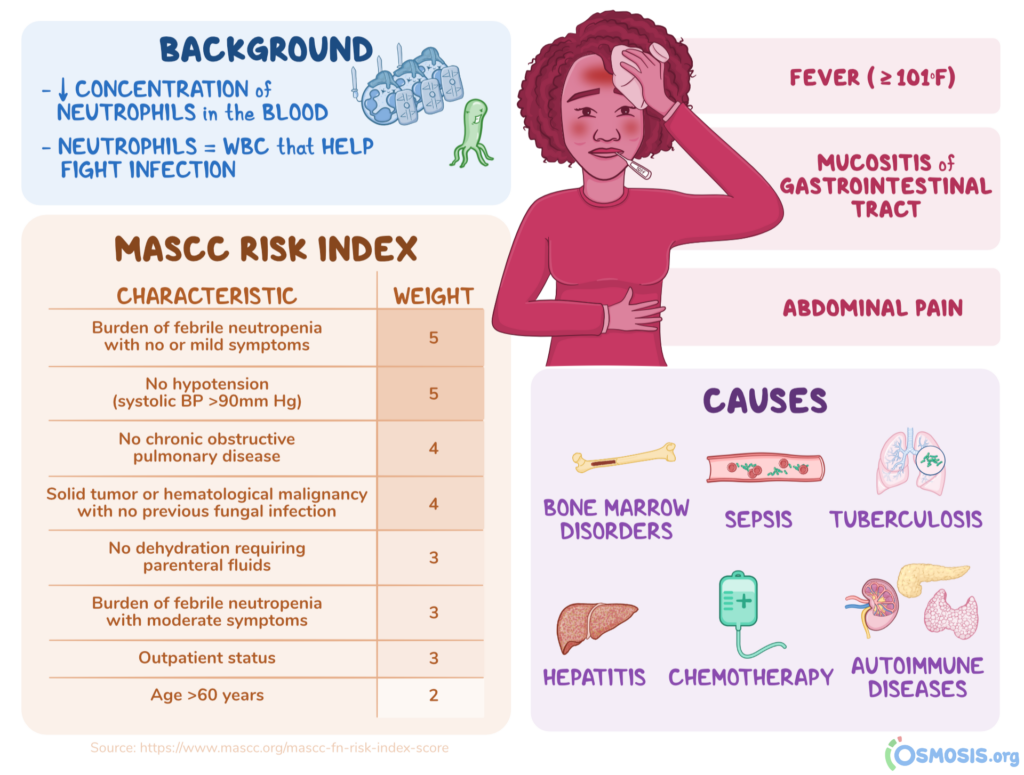
Neutropenia is a condition characterized by a low number of neutrophils, which are a type of white blood cell that plays a crucial role in fighting infections. This condition occurs when the body’s immune system is compromised and is unable to produce an adequate amount of neutrophils. Neutropenia can be caused by various factors, including underlying medical conditions, chemotherapy and radiation treatments, certain medications, infections, and malnutrition.
Signs and Symptoms
The symptoms of neutropenia can vary depending on the severity of the condition. Common signs include recurrent infections, such as respiratory tract infections, skin infections, and urinary tract infections. People with neutropenia may also experience fever, fatigue, and unusual weakness. Additionally, they may be more susceptible to infections that are more severe or difficult to treat.
Risk Factors for Neutropenia
Underlying Medical Conditions
Certain medical conditions can increase the risk of developing neutropenia. These include autoimmune disorders, such as lupus or rheumatoid arthritis, as well as viral infections like HIV/AIDS. Other conditions that can contribute to neutropenia include bone marrow disorders, such as aplastic anemia or myelodysplastic syndromes, and certain inherited disorders like cyclic neutropenia.
Chemotherapy and Radiation
One of the most common causes of neutropenia is chemotherapy and radiation therapy for cancer treatment. These treatments are designed to kill rapidly dividing cells, including cancer cells, but they also affect the production of normal cells in the bone marrow, including neutrophils. As a result, individuals undergoing cancer treatment are at a higher risk of developing neutropenia.
Certain Medications
Some medications can suppress the production of neutrophils, leading to neutropenia. These may include certain antibiotics, antithyroid medications, antiviral drugs, and some anti-seizure medications. It is important to discuss with your healthcare provider the potential side effects of any medications you are taking to understand the risk of developing neutropenia.
Infections
Infections can also contribute to the development of neutropenia. Certain viral, bacterial, and fungal infections can directly affect the bone marrow and inhibit the production of neutrophils. For example, the human immunodeficiency virus (HIV) can directly attack the bone marrow and impair neutrophil production.
Malnutrition
A poor diet lacking essential nutrients can weaken the immune system and increase the likelihood of developing neutropenia. Proper nutrition, including a well-balanced diet rich in fruits, vegetables, whole grains, and lean proteins, is crucial for maintaining a healthy immune system and preventing neutropenia.

Precautions to Prevent Neutropenia
Hand Hygiene
Practicing good hand hygiene is one of the simplest and most effective ways to prevent infections and reduce the risk of developing neutropenia. Washing your hands frequently with soap and water for at least 20 seconds, especially before eating and after using the restroom, can significantly reduce the transmission of harmful germs.
Avoiding Sick Individuals
Avoiding close contact with individuals who are sick or have contagious illnesses can help prevent the spread of infections and reduce the risk of developing neutropenia. It is important to maintain a safe distance from anyone who may be displaying symptoms of an infectious illness, such as coughing, sneezing, or fever.
Vaccinations
Keeping up to date with vaccinations is essential for maintaining optimal immune health and preventing infections. Vaccines such as the influenza vaccine, pneumonia vaccine, and other recommended vaccines can help protect against common infections that can lead to neutropenia.
Proper Wound Care
Taking proper care of any cuts, wounds, or skin injuries is crucial in preventing infections that can lead to neutropenia. Clean the affected area with mild soap and water, apply antibiotic ointment, and cover it with a clean bandage. Regularly monitor the wound for any signs of infection and seek medical attention if necessary.
Maintaining a Healthy Diet
A healthy diet rich in vitamins, minerals, and antioxidants can support immune health and reduce the risk of developing neutropenia. Incorporate a variety of fruits, vegetables, whole grains, lean proteins, and healthy fats into your daily meals to ensure you are receiving the necessary nutrients to support optimal immune function.
Regular Blood Cell Count Monitoring
Regular monitoring of blood cell counts can help detect any abnormalities, including low neutrophil levels, at an early stage. This allows for prompt intervention and appropriate management to minimize the risk of complications associated with neutropenia.
Treatment for Neutropenia
Neutropenic Precautions
Neutropenic precautions are infection control measures implemented to protect individuals with neutropenia from potentially harmful infections. These precautions may include strict hand hygiene, wearing masks, limiting visitors, and ensuring a clean and sterile environment. Adhering to these precautions can help reduce the risk of acquiring infections.
Neutropenic Diet
In addition to taking precautions, following a neutropenic diet can also help protect individuals with neutropenia from infections. This typically involves avoiding raw or undercooked foods, certain fresh fruits and vegetables, and foods that have a higher risk of contamination. Cooking food thoroughly and ensuring proper food storage and preparation are essential to minimize the risk of foodborne infections.
Medication Adjustments
Sometimes, medications that may be contributing to neutropenia can be adjusted or replaced with alternative options. This should only be done under the guidance and supervision of a healthcare provider. Adjusting medication regimens can help improve neutrophil counts and reduce the risk of infections.
Granulocyte Colony-Stimulating Factors (G-CSF)
In some cases, healthcare providers may prescribe granulocyte colony-stimulating factors (G-CSF) to stimulate the production of neutrophils in the bone marrow. G-CSF can help boost the immune system and reduce the risk of infections in individuals with neutropenia. However, the use of G-CSF is typically determined on a case-by-case basis, considering the underlying cause and severity of neutropenia.
Impact of Neutropenia on Daily Life
Physical Limitations
Neutropenia can have physical limitations on individuals, as they may be more prone to infections and need to take extra precautions to avoid illness. This can include avoiding crowded places, wearing protective masks in certain situations, and being cautious around individuals who are sick. While these measures are necessary to protect one’s health, they may restrict normal daily activities and social interactions.
Psychological Impact
Living with neutropenia can also have a psychological impact, as individuals may experience increased anxiety and worry about contracting infections. This heightened sense of vulnerability can be stressful and overwhelming. It is important for individuals with neutropenia to seek emotional support from their healthcare providers, loved ones, and support groups to help cope with these psychological challenges.
Importance of Support System
Having a strong support system is crucial for individuals with neutropenia. Family, friends, and healthcare professionals can provide much-needed emotional support, offer assistance in adhering to precautions and treatment plans, and help navigate the challenges that arise from living with neutropenia. Building a supportive network can alleviate some of the burdens associated with the condition.
When to Seek Medical Help
Fever
Fever is a concerning symptom for individuals with neutropenia, as it may indicate an underlying infection. If you have a fever (temperature of 100.4°F or higher) while experiencing neutropenia, it is essential to seek immediate medical attention. Prompt evaluation and treatment can help prevent serious complications.
Signs of Infection
Being vigilant for signs of infection is crucial for individuals with neutropenia. Any signs of infection, such as redness, swelling, pus, or warmth in a wound, cough, sore throat, painful urination, or any other unusual symptoms, should be promptly reported to a healthcare provider. Early intervention can prevent infections from becoming severe or life-threatening.
Unexpected Bruising or Bleeding
Neutropenia can also affect the body’s ability to form blood clots and may manifest as unexpected bruising or bleeding. If you notice unexplained bruises, prolonged bleeding from minor cuts, or blood in urine or stool, it is important to seek medical attention immediately.
Complications of Neutropenia
Severe Infections
One of the most significant complications of neutropenia is the increased susceptibility to severe and life-threatening infections. Without an adequate number of neutrophils to fight off invading pathogens, infections can progress rapidly and become difficult to control. Prompt medical intervention is crucial to manage and treat these severe infections.
Septic Shock
In some cases, an untreated or poorly managed infection in an individual with neutropenia can progress to septic shock. This is a life-threatening condition characterized by a widespread infection that leads to organ dysfunction and low blood pressure. Timely recognition and treatment are essential to improve outcomes in individuals with neutropenia who develop septic shock.
Fungal Infections
Neutropenia increases the risk of developing fungal infections, which can be challenging to treat. Fungi, such as Candida or Aspergillus, can invade various body tissues and cause serious complications. Individuals with neutropenia should be aware of the signs and symptoms of fungal infections and promptly seek medical attention if they suspect an infection.
Delayed Treatment Response
Neutropenia can also impact how the body responds to certain treatments, such as antibiotics or chemotherapy. With a compromised immune system, the body may not effectively respond to medications, leading to delayed treatment response. This can prolong healing and increase the risk of complications.
Research and Advances in Neutropenia
Stem Cell Transplants
Stem cell transplants, also known as bone marrow transplants, can be a potential curative treatment option for individuals with severe neutropenia. This procedure involves replacing the faulty bone marrow with healthy stem cells. Stem cells can develop into new and healthy white blood cells, including neutrophils, restoring the immune system’s ability to fight infections.
Immunotherapy
Immunotherapy is a promising approach being explored for the treatment of neutropenia. This therapy aims to enhance the body’s immune response to improve neutrophil production and function. It involves using specific antibodies or drugs that target the immune system, stimulating the body’s natural defenses to prevent and combat infections.
Gene Therapy
Gene therapy is another area of research that holds promise in the treatment of neutropenia. This innovative approach involves introducing modified or corrected genes into the body to address the underlying genetic causes of neutropenia. Gene therapy has the potential to provide a long-term solution and alleviate the burden of recurrent infections.

Neutropenia in Children
Risk Factors
Children can also be affected by neutropenia, and the risk factors may vary compared to adults. Certain genetic disorders, such as severe congenital neutropenia or Kostmann syndrome, are more commonly seen in children and can predispose them to neutropenia. Additionally, children undergoing cancer treatment, particularly chemotherapy, are at an increased risk.
Pediatric Precautions
Similar to adults, children with neutropenia need to adhere to strict precautions to reduce the risk of infections. Hand hygiene, avoiding sick individuals, and maintaining a clean environment are essential. Parents and caregivers should work closely with healthcare providers to learn and implement all necessary precautions to protect their child’s health.
Childhood Cancer Treatment
Neutropenia is frequently encountered in children undergoing cancer treatment. Chemotherapy and radiation therapy in children can significantly suppress the production of neutrophils, making them more vulnerable to infections. Close monitoring by healthcare professionals and prompt medical intervention are crucial to ensure the best possible outcomes for these young patients.
Conclusion
Neutropenia is a condition characterized by a low count of neutrophils, which are essential white blood cells responsible for fighting infections. Understanding the risk factors, precautions, and available treatments is vital in preventing complications and maintaining optimal health. By practicing good hand hygiene, avoiding sick individuals, following a neutropenic diet, and seeking prompt medical attention, individuals with neutropenia can actively manage their condition and minimize the impact on their daily lives. With ongoing research and advancements in treatment options, there is hope for more effective interventions to improve the lives of individuals living with neutropenia. Remember, seeking medical help when necessary and having a strong support system are necessary components in managing this condition and ensuring the best outcomes.