
Lung cancer is a serious health issue that affects millions of people worldwide. In order to protect yourself and reduce your risk of developing this disease, it is important to be aware of the risk factors associated with lung cancer and take necessary precautions. This article will provide you with valuable information regarding the risk factors such as smoking, exposure to certain chemicals, and family history, as well as preventive measures that can help you stay healthy and lower your chances of developing lung cancer.

Risk Factors
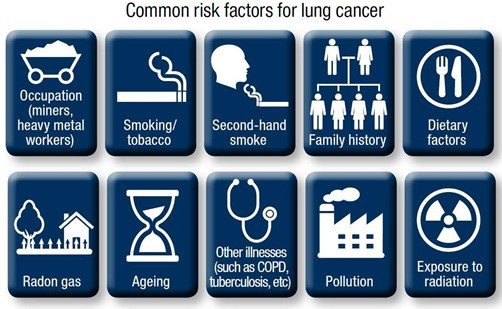
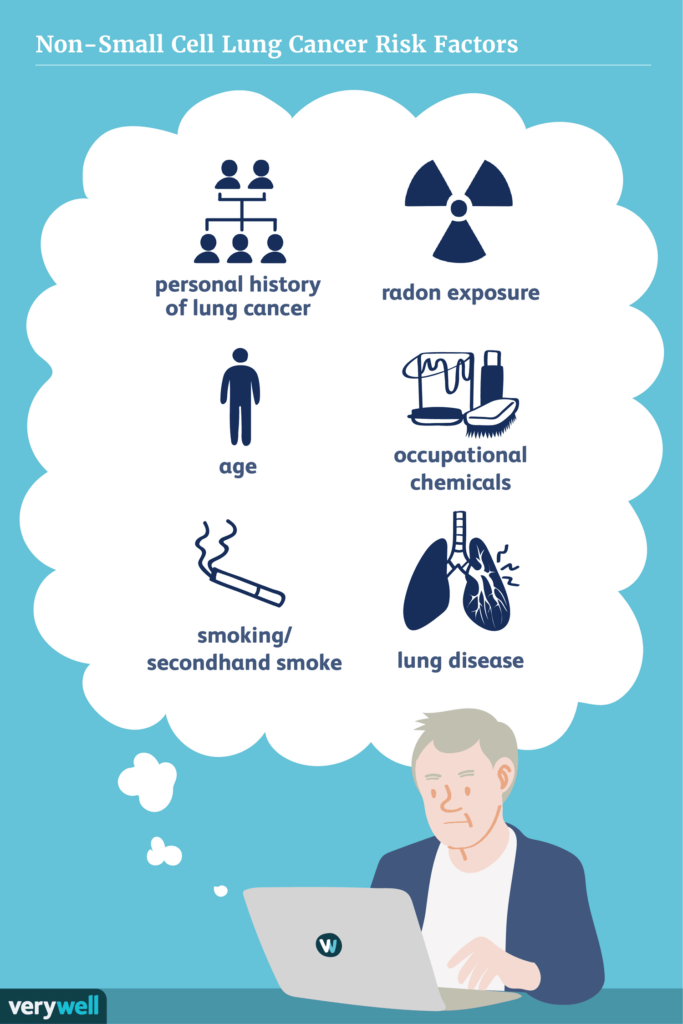
Lung cancer is a complex disease, and several risk factors can increase your chances of developing it. By understanding these risk factors, you can take the necessary precautions to protect yourself. Here are some of the common risk factors associated with lung cancer:
Smoking tobacco
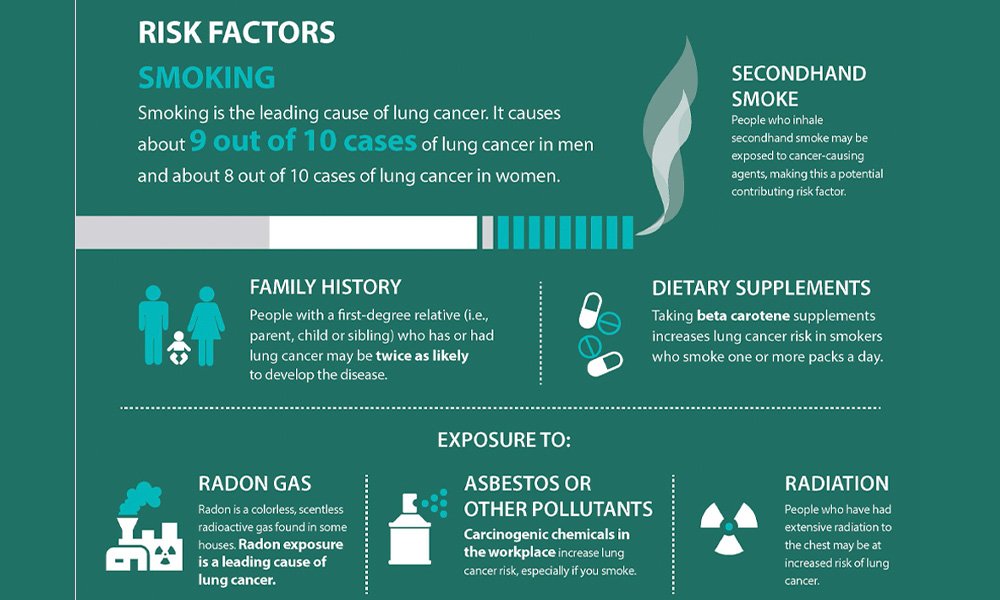
Smoking tobacco is the leading cause of lung cancer. If you are a smoker, your risk of developing lung cancer is significantly higher than that of non-smokers. The harmful chemicals present in tobacco smoke can damage the cells in your lungs, leading to the development of cancer. Quitting smoking is the most effective way to reduce your risk.
Exposure to secondhand smoke
Even if you don’t smoke yourself, exposure to secondhand smoke can also increase your risk of lung cancer. Secondhand smoke contains the same harmful chemicals as mainstream smoke, and inhaling it can be equally damaging. It is important to avoid places where smoking is allowed and create smoke-free environments for yourself and your loved ones.
Radon gas exposure
Radon gas is a naturally occurring radioactive gas that can seep into your home through cracks in the foundation. Prolonged exposure to high levels of radon can increase your risk of lung cancer. Testing your home for radon levels and taking appropriate measures to reduce exposure can help mitigate this risk.
Exposure to carcinogens at the workplace
Certain occupations, such as construction, mining, and manufacturing, expose individuals to carcinogens like asbestos, arsenic, and diesel exhaust. If you work in such an environment, it is important to take safety measures and follow proper protocols to minimize your exposure to these harmful substances.
Family history of lung cancer
Having a family history of lung cancer can increase your risk of developing the disease. Genetic factors play a role in determining your susceptibility to lung cancer. It is important to be aware of your family history and discuss it with your healthcare provider. In some cases, genetic counseling and testing may be recommended.
Personal history of lung cancer
If you have previously had lung cancer, there is an increased risk of developing it again. Regular monitoring and follow-up care are crucial to detect any recurrence early. Adopting a healthy lifestyle, including quitting smoking and maintaining a physically active routine, can also help reduce this risk.
Age and gender
Age and gender are also factors that influence the risk of lung cancer. As you grow older, your risk increases, with the majority of cases occurring in individuals over the age of 65. Additionally, men are more likely to develop lung cancer than women. Understanding these factors can help you make informed decisions about your health and take appropriate steps for prevention.
Air pollution
Exposure to air pollution, both outdoor and indoor, can contribute to the development of lung cancer. Fine particulate matter, such as pollutants from vehicle exhaust and industrial emissions, can be inhaled and increase the risk. Minimizing exposure to polluted air, wearing masks in highly polluted areas, and ensuring proper ventilation at home are important precautions to consider.
Diet and nutrition
A healthy diet plays a crucial role in maintaining overall well-being, including reducing the risk of lung cancer. Consuming a diet rich in fruits and vegetables, whole grains, and lean proteins can provide your body with essential nutrients and antioxidants that can help protect against cancer. On the other hand, a diet high in processed foods, red meat, and saturated fats may increase the risk.
Lack of physical activity
Leading a sedentary lifestyle can contribute to various health issues, including an increased risk of lung cancer. Regular physical activity boosts your immune system, improves lung function, and helps maintain a healthy body weight. Incorporating exercise into your daily routine can significantly reduce your risk of developing lung cancer.
Precautions and Prevention
While some risk factors for lung cancer cannot be controlled, many precautionary measures can be taken to reduce your risk. By adopting a proactive approach and making healthier choices, you can protect yourself. Here are some precautions and prevention strategies to consider:
Stop smoking and avoid secondhand smoke
Quitting smoking is the single most effective step you can take to lower your risk of lung cancer. Seek support from friends, family, or healthcare professionals to help you through the quitting process. Additionally, avoiding secondhand smoke is crucial. Stay away from environments where smoking is allowed, and encourage smoke-free policies in public spaces.
Test and reduce radon levels at home
Testing your home for radon levels is an important step in reducing your risk of lung cancer. Radon testing kits are widely available and easy to use. If high levels of radon are detected, taking steps to reduce exposure, such as sealing cracks in the foundation and improving ventilation, can help mitigate the risk.
Take safety measures at the workplace
If you work in an occupation that exposes you to carcinogens, make sure to follow safety protocols and use protective equipment provided by your employer. Stay informed about the potential risks and take appropriate measures to minimize exposure. Regular workplace inspections, proper ventilation systems, and adherence to safety regulations are essential.
Know your family history and genetic counseling
Being aware of your family history of lung cancer is important for understanding your own risk. Discussing this information with your healthcare provider can help determine if genetic counseling or testing is right for you. Genetic testing can identify inherited mutations that increase your risk of lung cancer, allowing for targeted therapies or preventive measures.
Regular lung cancer screenings
Regular screenings can help detect lung cancer at an early stage when treatment is most effective. If you are at high risk, discuss the possibility of screenings with your healthcare provider. Low-dose computed tomography (LDCT) scans are commonly used for lung cancer screenings and can detect abnormalities in the lungs that may require further investigation.
Avoid excessive exposure to air pollution
While it may not be possible to completely avoid air pollution, taking steps to minimize exposure can help reduce your risk. Stay informed about air quality in your area and limit outdoor activities during periods of high pollution. When indoors, ensure proper ventilation and use air purifiers if necessary.
Healthy diet and nutrition
Eating a balanced diet that includes a variety of fruits, vegetables, whole grains, and lean proteins can provide your body with the necessary nutrients to fight off cancer cells. Reducing the consumption of processed foods, sugary drinks, and unhealthy fats is equally important. Consult with a registered dietitian or nutritionist to create a personalized diet plan that suits your needs.
Maintain a physically active lifestyle
Regular physical activity offers numerous health benefits, including reducing the risk of lung cancer. Aim for at least 150 minutes of moderate-intensity exercise or 75 minutes of vigorous exercise per week. Consider activities such as brisk walking, jogging, cycling, swimming, or joining fitness classes. Find activities that you enjoy to make it easier to maintain a physically active routine.
Immunotherapy and vaccinations
Immunotherapy is a type of cancer treatment that stimulates your immune system to fight cancer cells. In some cases, immunotherapy may be used as a preventative measure for individuals at high risk of developing lung cancer. Additionally, staying up to date with vaccinations, such as flu and pneumonia vaccines, can help protect your respiratory system and reduce the risk of infections that can lead to lung cancer.
Regular check-ups and early detection
Regular medical check-ups are essential for monitoring your overall health and detecting any potential issues early on. Talk to your healthcare provider about your risk factors and discuss the need for regular lung cancer screenings. It is important to be vigilant about any changes in your body and to report any symptoms, such as persistent coughing or shortness of breath, to your doctor as soon as possible.
Smoking tobacco
Cigarettes and lung cancer risk
Cigarette smoking is the leading cause of lung cancer. The harmful chemicals present in cigarettes, such as nicotine, tar, and benzene, can damage the cells in your lungs and increase the risk of cancer. The longer and more frequently you smoke, the higher your risk becomes. Quitting smoking is the best way to reduce your lung cancer risk.
Other tobacco products
While cigarettes have the strongest link to lung cancer, other tobacco products can also contribute to the disease. These include cigars, pipes, and smokeless tobacco products. All forms of tobacco contain harmful chemicals and toxins that can damage your lung tissue. It is important to be aware of the risks associated with these products and quit their use.
Quitting smoking and reducing lung cancer risk
Quitting smoking can be challenging, but the benefits are immense. Within months of quitting, your lung function improves, and your risk of developing lung cancer starts to decrease. Seek support from friends, family, or healthcare professionals to help you on your quitting journey. Nicotine replacement therapy, medications, and behavioral therapies can also assist with overcoming nicotine addiction.
Exposure to secondhand smoke
Health risks associated with secondhand smoke
Inhaling secondhand smoke can be equally harmful as smoking tobacco. The chemicals in secondhand smoke can damage your lung tissue and increase your risk of developing lung cancer. Additionally, secondhand smoke exposure can lead to other respiratory conditions, such as asthma and bronchitis, especially in children. Pregnant women exposed to secondhand smoke are also at risk of complications.
Protecting yourself and others
To protect yourself and those around you from secondhand smoke, it is important to create smoke-free environments. Avoid places where smoking is allowed and encourage your loved ones to do the same. If you live with a smoker, ask them to smoke outside or in designated smoking areas away from non-smokers. Opening windows and using ventilation systems can also help reduce exposure.
Smoke-free environments
Creating smoke-free environments is crucial in minimizing the risks associated with secondhand smoke. Advocate for smoke-free policies in public spaces, such as restaurants, bars, and workplaces. Support local initiatives and organizations working towards reducing secondhand smoke exposure. By working together, we can create healthier communities for everyone.
Radon gas exposure
Sources and prevalence of radon gas
Radon gas is a naturally occurring radioactive gas that is produced when uranium in soil and rock breaks down. It can enter homes through cracks in the foundation, gaps around pipes, or through water supplies. Radon is odorless and invisible, making it impossible to detect without proper testing. It is estimated that one in 15 homes in the United States has elevated radon levels.
Testing for radon levels
Testing your home for radon levels is crucial in determining your risk of exposure. Radon testing kits are widely available and can be performed by the homeowner. Short-term tests provide a snapshot of radon levels, while long-term tests give a more accurate average over time. Follow the instructions provided with the test kit, and if high levels of radon are detected, seek professional assistance to mitigate the risk.
Reducing radon exposure at home
If high radon levels are detected, there are several measures that can be taken to reduce exposure. Ventilating the home by opening windows and using fans can help dilute the gas. Sealing cracks, gaps, and holes in the foundation can prevent radon from entering. In more severe cases, a radon mitigation system, such as a vent pipe and fan, can be installed to redirect radon gas safely outside.
Exposure to carcinogens at the workplace
Common workplace carcinogens
Certain occupations expose individuals to carcinogens, substances known to cause cancer. These include asbestos, arsenic, diesel exhaust, and various chemicals used in manufacturing processes. Prolonged exposure to these carcinogens can increase the risk of developing lung cancer. It is important to be aware of the specific hazards associated with your workplace and take appropriate safety measures.
Protective measures and regulations
To minimize exposure to carcinogens at the workplace, employers are required to follow specific regulations and provide protective measures. These include implementing proper ventilation systems, providing personal protective equipment (PPE) such as masks and gloves, and offering training on safe handling and disposal of hazardous substances. Compliance with these regulations is essential for maintaining a safe work environment.
Occupational safety precautions
Taking personal safety precautions can further minimize your risk of exposure to workplace carcinogens. Follow safety protocols and guidelines provided by your employer. Wear appropriate PPE at all times and ensure it fits properly. Avoid unnecessary contact with hazardous substances and familiarize yourself with emergency response procedures. By staying vigilant and adhering to safety practices, you can reduce your risk of developing lung cancer.
Family history of lung cancer
Inherited genetic mutations
Some individuals may have a higher risk of developing lung cancer due to inherited genetic mutations. These mutations can alter the DNA and increase the likelihood of developing cancer. Certain genes, such as the BRCA2 and TP53 genes, are associated with an increased risk of lung cancer. If you have a family history of lung cancer, it is important to discuss it with your healthcare provider.
Screening and counseling
Individuals with a family history of lung cancer, especially those with known genetic mutations, may benefit from regular screenings and genetic counseling. Lung cancer screenings, such as low-dose computed tomography (LDCT) scans, can help detect cancer at an early stage when treatment is most effective. Genetic counseling can provide information about your specific risk and help you make informed decisions about preventive measures.
Genetic testing and targeted therapies
Genetic testing can identify specific mutations that increase the risk of developing lung cancer. If a mutation is detected, targeted therapies may be recommended. These therapies are designed to specifically target cancer cells with the identified mutation, resulting in more effective treatment. If you have a family history of lung cancer, speak to a genetic counselor or oncologist to determine if genetic testing is right for you.
Personal history of lung cancer
Increased risk for recurrent lung cancer
If you have been previously diagnosed and treated for lung cancer, there is an increased risk of the disease recurring. Regular monitoring and follow-up care are crucial to detect any signs of recurrence early. Your healthcare provider will determine the appropriate frequency of follow-up visits, including imaging tests and bloodwork, to ensure any potential recurrence is detected and treated promptly.
Monitoring and follow-up care
After undergoing treatment for lung cancer, it is important to continue regular check-ups with your healthcare provider. These visits may include physical examinations, imaging tests, and bloodwork to monitor your overall health and the status of your lung cancer. By staying active in your follow-up care, you can catch any potential issues early and ensure the best possible outcomes.
Adopting a healthy lifestyle after treatment
Adopting a healthy lifestyle after lung cancer treatment is crucial for reducing the risk of recurrence and maintaining overall well-being. Quitting smoking, if you haven’t already, is of utmost importance. Engaging in regular physical activity, following a balanced diet, and managing stress can also contribute to your overall recovery and reduce the risk of developing other health issues.

Age and gender
Incidence of lung cancer by age and gender
The incidence of lung cancer varies by age and gender. The majority of lung cancer cases occur in individuals over the age of 65, with the risk increasing significantly as you get older. Additionally, men are more likely to develop lung cancer than women. Understanding these factors can help you make informed decisions about your health and take appropriate precautions at different stages of life.
Risks and factors specific to different age groups
Different age groups may have varying risk factors and considerations when it comes to lung cancer. Younger individuals may be more affected by exposure to secondhand smoke, while older individuals may have a higher risk due to cumulative exposure to carcinogens throughout their lives. It is important to be aware of these factors and take appropriate measures to reduce your risk based on your age.
Gender-related disparities
Lung cancer affects men and women differently. Women may have a higher susceptibility to the harmful effects of tobacco smoke, making them more vulnerable to lung cancer even with less exposure. Hormonal factors and genetic differences may also play a role in gender-related disparities. Understanding these differences can help healthcare providers tailor preventive measures and treatment options accordingly.
Regular check-ups and early detection
Importance of medical check-ups
Regular medical check-ups are essential for maintaining your overall health and detecting any potential issues early on. During these check-ups, your healthcare provider will perform a thorough examination, ask about your medical history, and order any necessary tests or screenings. By staying proactive and attending regular check-ups, you can stay on top of your health and address any concerns promptly.
Recognizing early signs and symptoms
It is important to be aware of the early signs and symptoms of lung cancer. These can include persistent coughing, chest pain, shortness of breath, hoarseness, unexplained weight loss, and recurring infections such as bronchitis or pneumonia. If you experience any of these symptoms, especially if they persist or worsen over time, consult your healthcare provider for further evaluation.
Screening for other types of cancer
While lung cancer is a significant concern, it is important to remember that cancer can affect various parts of the body. During your regular check-ups, your healthcare provider may recommend additional screenings or tests to detect other types of cancer. These screenings may include mammograms, Pap smears, colonoscopies, and prostate-specific antigen (PSA) tests. By staying diligent with all recommended screenings, you can take a proactive approach to your health and potentially detect cancer at an early, more treatable stage.
In conclusion, lung cancer is a serious disease that has several risk factors. By understanding these risk factors and taking appropriate precautions, you can reduce your chances of developing lung cancer. Quitting smoking, avoiding secondhand smoke, testing for radon, and minimizing exposure to carcinogens in the workplace are crucial steps. Additionally, knowing your family history, maintaining regular check-ups, and adopting a healthy lifestyle contribute to early detection and prevention. By prioritizing your lung health, you can take control of your well-being and reduce the risk of lung cancer.