
Ovarian cancer is a serious health concern that affects many women worldwide. In order to protect yourself against this devastating disease, it is important to be aware of the various risk factors and take necessary precautions. By understanding the factors that increase your likelihood of developing ovarian cancer, such as a family history, certain genetic mutations, and age, you can make informed decisions and take proactive steps towards prevention. This article aims to provide you with valuable information on the risk factors associated with ovarian cancer and the precautions you can take to lower your chances of developing this illness.

Risk Factors
Ovarian cancer is a complex disease with various risk factors that can increase your likelihood of developing it. Understanding these risk factors is crucial for early detection and prevention. By being aware of the factors that may increase your risk, you can take necessary precautions and make informed decisions about your health. Let’s delve into some of the key risk factors associated with ovarian cancer.
Family History
Family history plays a pivotal role in determining your risk of developing ovarian cancer. If you have a first-degree relative who has been diagnosed with ovarian cancer, such as your mother, sister, or daughter, your risk is significantly higher. Additionally, certain genetic mutations can also increase your susceptibility to ovarian cancer.
First-Degree Relatives
Having a first-degree relative with ovarian cancer increases your risk by about three times compared to those without a family history. This risk becomes even more elevated if multiple family members have been diagnosed with ovarian or breast cancer.
Lynch Syndrome
Lynch Syndrome, also known as hereditary non-polyposis colorectal cancer (HNPCC), is a hereditary condition that predisposes individuals to different types of cancers, including ovarian cancer. If you have a family history of this syndrome, it is essential to consult with a genetic counselor or healthcare professional to assess your risk accurately.
BRCA1 and BRCA2 Mutations
Mutations in the BRCA1 and BRCA2 genes are strongly associated with an increased risk of ovarian and breast cancers. If you inherit a mutation in either of these genes, your lifetime risk of developing ovarian cancer can be as high as 44 percent. Genetic testing can help identify these mutations, allowing you to make informed decisions about your health.

Age
Age is another critical risk factor for ovarian cancer, with the majority of cases diagnosed in women over 55 years old. As you age, your risk of developing ovarian cancer increases. However, young women are not exempt from this disease, and it is important to remain vigilant at every stage of life.
Post-Menopausal Women
Post-menopausal women face a higher risk of developing ovarian cancer. The decline in hormone levels during menopause and after the cessation of menstruation can contribute to the development of this disease. It is essential for women in this age group to stay mindful of any symptoms or changes in their bodies and seek medical attention if necessary.
Risk at Different Age Ranges
Although ovarian cancer predominantly affects women over 55, it can occur at any age. Younger women may face unique challenges when it comes to early diagnosis, as the symptoms can often be mistaken for other less severe conditions. It is crucial for women of all ages to be proactive in their healthcare and seek medical advice if they experience any unusual symptoms.
Genetic Mutations
Certain genetic mutations can significantly increase your risk of developing ovarian cancer. These mutations can be inherited or occur spontaneously.
BRCA1 and BRCA2 Genes
As mentioned earlier, mutations in the BRCA1 and BRCA2 genes are strongly associated with an increased risk of ovarian cancer. These genes are responsible for repairing damaged DNA, and when mutations occur, the risk of developing cancer, including ovarian cancer, significantly rises. Genetic testing can help determine if you carry these mutations.
Lynch Syndrome
Lynch Syndrome, a hereditary condition caused by mutations in specific genes, can lead to an increased risk of ovarian cancer. This syndrome affects the body’s ability to repair DNA mistakes, making individuals more susceptible to various cancers, including ovarian cancer. Genetic counseling and testing can provide critical information about your risk.
Hereditary Breast and Ovarian Cancer Syndrome (HBOC)
Mutations in genes such as BRCA1, BRCA2, and others can contribute to HBOC, a hereditary condition associated with a higher risk of breast and ovarian cancers. If you have a family history of this syndrome, it is crucial to discuss genetic testing and preventive measures with a healthcare professional.
Other Genetic Mutations
In addition to the BRCA1, BRCA2, and Lynch Syndrome-related mutations, there are other genetic mutations that can increase your risk of ovarian cancer, although their association may be less common. Genetic counseling can help assess the presence of these mutations and guide you in taking appropriate precautions.
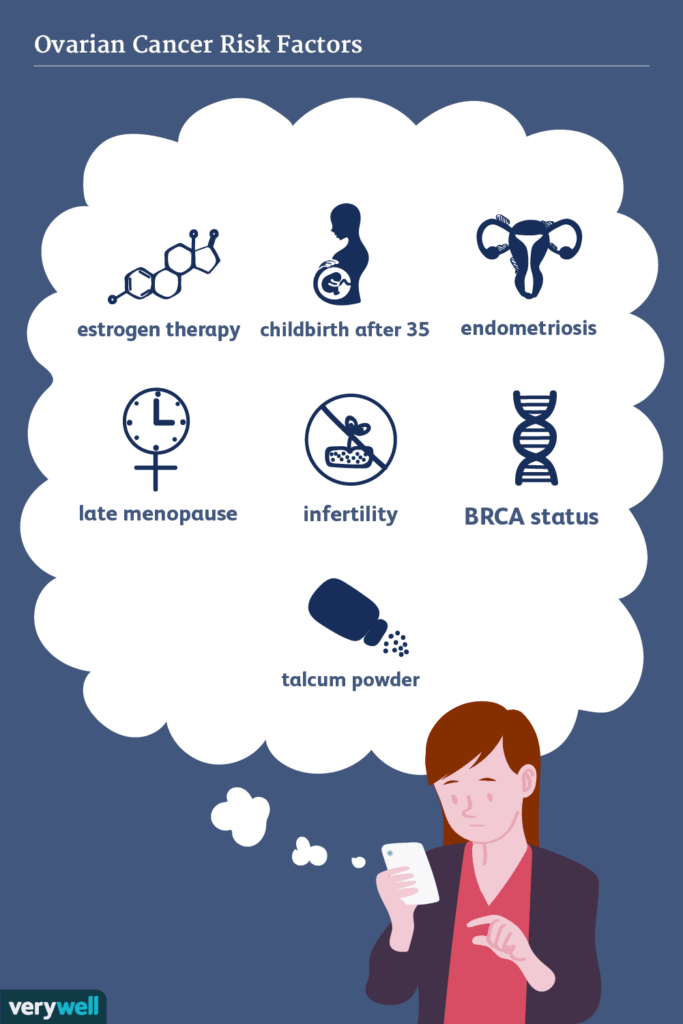
Reproductive History
Your reproductive history, including factors such as age at first menstruation, menopause, and pregnancy, can impact your risk of developing ovarian cancer. Understanding these aspects of your reproductive health can help you make informed decisions about screening and preventive measures.
Early Age at First Menstruation (Menarche)
Women who experience their first menstrual period at a younger age are at a slightly higher risk of developing ovarian cancer. Early menarche may be associated with a longer ovulation period throughout a woman’s lifetime, potentially contributing to an increased risk.
Late Menopause
Conversely, women who undergo menopause at a later age have a higher risk of developing ovarian cancer. Hormone fluctuations during the reproductive years, including prolonged exposure to estrogen, may contribute to this increased risk.
Nulliparity (Never Giving Birth)
Women who have never given birth face a slightly higher risk of ovarian cancer compared to those who have had children. Pregnancy and childbirth may provide protective effects against the development of ovarian cancer.
Infertility
Infertility, or the inability to conceive despite regular unprotected intercourse, has been associated with an increased risk of ovarian cancer. While the exact relationship is not fully understood, hormonal imbalances or underlying conditions leading to infertility may contribute to this association.
Use of Fertility Drugs
Women who undergo fertility treatments involving certain medications, such as hormone injections, may face a slightly elevated risk of developing ovarian cancer. However, it is important to note that the absolute increase in risk is relatively small, and the benefits of fertility treatments often outweigh the potential risks.
Miscarriages
Multiple miscarriages have been linked to a higher risk of ovarian cancer. While the exact mechanisms behind this association are still being researched, it is crucial to consult with a healthcare professional if you have experienced recurrent miscarriages to ensure appropriate monitoring and follow-up.
Hormone Replacement Therapy
Hormone replacement therapy (HRT) is a common treatment prescribed to alleviate the symptoms of menopause. While HRT can provide relief, it is important to understand the potential risks associated with its use, particularly in relation to ovarian cancer.
Long-Term HRT Use
Long-term use of hormone replacement therapy, typically lasting five years or more, has been associated with an increased risk of ovarian cancer. It is important to discuss the benefits and risks of HRT with your healthcare provider to make an informed decision about its use.
Combination Hormone Therapy
Combination hormone therapy, which includes both estrogen and progestin, has been linked to an elevated risk of ovarian cancer. This risk varies depending on the duration of therapy and the specific formulation used. Alternative treatments or adjustments in hormone therapy may be considered to help minimize potential risks.
Estrogen-Only Hormone Therapy
While estrogen-only hormone therapy may be prescribed to women who have undergone a hysterectomy, it is associated with a lower risk of ovarian cancer compared to combination hormone therapy. However, it is essential to discuss the potential risks and benefits with a healthcare professional to determine the most appropriate treatment plan.

Obesity
Obesity is a known risk factor for various types of cancer, including ovarian cancer. Maintaining a healthy weight is crucial for overall health and can help reduce the risk of developing ovarian cancer.
Impact on Ovarian Cancer Risk
Obesity increases the risk of developing ovarian cancer, especially in postmenopausal women. The excess fat tissue produces hormones that can disrupt the balance of hormones in the body, potentially leading to the development of ovarian cancer.
Obesity and Mortality Rates
In addition to the increased risk of developing ovarian cancer, obesity is also associated with higher mortality rates for those diagnosed with this disease. Therefore, maintaining a healthy weight through regular exercise, a balanced diet, and a healthy lifestyle is essential for reducing both the risk and complications of ovarian cancer.
Smoking
Smoking is a known risk factor for several types of cancers, including ovarian cancer. Understanding the link between smoking and ovarian cancer can help you make informed decisions about your lifestyle choices.
Link to Serous Epithelial Ovarian Cancer
Smoking has been consistently associated with an increased risk of serous epithelial ovarian cancer, the most common type of ovarian cancer. The chemicals and toxins in cigarette smoke can potentially damage ovarian cells and contribute to the development of cancerous mutations.
Impact on Survival Rates
Additionally, smoking can negatively impact the survival rates of ovarian cancer patients. Studies have shown that smokers diagnosed with ovarian cancer have reduced survival rates compared to non-smokers. Quitting smoking not only reduces your risk of ovarian cancer but also improves your overall health and well-being.

Use of Talcum Powder
The use of talcum powder, commonly found in various personal care products, has been a topic of debate in relation to ovarian cancer. Understanding the potential risks associated with talcum powder use is important for making informed choices about personal hygiene.
Potential Contamination
Talc, the main ingredient in talcum powder, can sometimes be contaminated with asbestos, a known carcinogen. Asbestos exposure has been linked to various types of cancer, including ovarian cancer. Although talcum powder available today is generally asbestos-free, it is essential to be cautious and aware of the potential risks.
Studies and Controversies
The association between talcum powder use and ovarian cancer is still a subject of ongoing research and debate. While some studies suggest a possible link between long-term talcum powder use and ovarian cancer, other studies have found no conclusive evidence. It is crucial to stay informed about the latest research and consult with healthcare professionals to make informed decisions about personal hygiene practices.
Awareness and Education
Increased awareness and education about the risk factors and symptoms of ovarian cancer are vital for early detection and prevention. By understanding the warning signs and taking appropriate precautionary measures, women can advocate for their health and well-being.
Symptom Awareness
Knowing the signs and symptoms of ovarian cancer is crucial for early detection and prompt medical attention. These symptoms can often be subtle and easily mistaken for other less severe conditions. Common signs include abdominal bloating, pelvic pain, frequent urination, changes in bowel habits, and unexplained weight loss. If you experience persistent or recurrent symptoms, it is important to seek medical evaluation to rule out potential underlying causes, including ovarian cancer.
Cancer Risk Education
Educating oneself about the risk factors associated with ovarian cancer is the first step towards prevention. By understanding your individual risk profile, you can make informed decisions about screenings, genetic testing, lifestyle modifications, and other preventive measures. Regular communication with healthcare professionals and staying up-to-date with the latest research and guidelines can further empower you in managing your ovarian cancer risk.