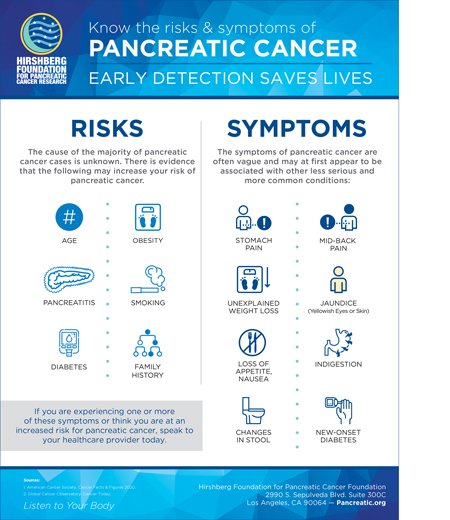
Pancreatic cancer is a complex disease that can have devastating effects if not properly addressed. In order to understand how to prevent and manage this condition, it is important to be aware of the various risk factors associated with it. By recognizing these factors, such as age, family history, and certain lifestyle choices, you can take proactive steps to reduce your risk of developing pancreatic cancer. Additionally, adopting a healthy lifestyle that includes maintaining a balanced diet and regular exercise can further minimize your chances of developing this type of cancer. Taking the necessary precautions and staying informed about this disease is crucial for maintaining your overall well-being.

Risk Factors for Pancreatic Cancer
Pancreatic cancer is a serious and often fatal disease. While the exact cause of pancreatic cancer is still unknown, several risk factors have been identified that can increase the likelihood of developing this disease. It is important to be aware of these risk factors so that appropriate precautions can be taken to reduce the risk of pancreatic cancer.
Age
One of the primary risk factors for pancreatic cancer is age. As you grow older, your risk of developing pancreatic cancer increases. Pancreatic cancer is commonly diagnosed in individuals over the age of 45, with the majority of cases occurring in individuals over the age of 65. However, it is worth noting that younger individuals can also develop pancreatic cancer, albeit at a lower rate.
Family History
If you have a family history of pancreatic cancer, particularly among first-degree relatives such as parents, siblings, or children, your risk of developing the disease is higher. This suggests that there may be genetic factors at play in the development of pancreatic cancer. Additionally, certain genetic syndromes, such as BRCA mutations, have been linked to an increased risk of pancreatic cancer.
Smoking
Smoking is a well-established risk factor for pancreatic cancer. Research has shown a strong link between smoking and the development of this disease. The risk of pancreatic cancer increases with both the duration and intensity of smoking. Quitting smoking is not only beneficial for overall health but also plays a crucial role in reducing the risk of pancreatic cancer.
Obesity
Obesity is another risk factor for pancreatic cancer. Studies have found that obese individuals have a higher risk of developing pancreatic cancer compared to those who maintain a healthy weight. It is believed that obesity may impact pancreatic health and increase the likelihood of developing this disease. Maintaining a healthy weight through a balanced diet and regular exercise can help reduce the risk.
Chronic Pancreatitis
Chronic pancreatitis, a long-term inflammation of the pancreas, is also considered a risk factor for pancreatic cancer. The exact relationship between these two conditions is not fully understood, but research suggests that chronic pancreatitis can increase the risk of developing pancreatic cancer. If you have been diagnosed with chronic pancreatitis, it is essential to work closely with your healthcare provider to manage the condition and take appropriate precautions.
Diabetes
There is a bidirectional relationship between pancreatic cancer and diabetes. While the exact nature of this relationship is complex, studies have shown that individuals with diabetes have an increased risk of developing pancreatic cancer. Conversely, pancreatic cancer can also lead to the development of diabetes. Managing diabetes effectively through lifestyle modifications and medical interventions can help reduce the risk of pancreatic cancer.
Race/Ethnicity
Race and ethnicity can play a role in the risk of developing pancreatic cancer. African Americans have a higher incidence of pancreatic cancer compared to other racial and ethnic groups. On the other hand, Asian populations tend to have a lower risk of developing the disease. The reasons behind these differences are still being investigated, but they highlight the importance of considering racial and ethnic factors when assessing pancreatic cancer risk.
Certain Hereditary Conditions
Certain hereditary conditions, such as BRCA mutations and other genetic syndromes, are associated with an increased risk of pancreatic cancer. Individuals with these conditions have a higher likelihood of developing pancreatic cancer compared to the general population. It is crucial for individuals with a family history of these hereditary conditions to be aware of their increased risk and take appropriate precautions.
Exposure to Chemicals
Exposure to certain chemicals in the workplace or environment can also increase the risk of developing pancreatic cancer. It is important to be aware of potential hazards in your workplace and take necessary protective measures. Occupational safety guidelines should be followed to minimize exposure to chemicals known to be associated with pancreatic cancer. By being mindful of potential exposure, you can reduce your risk of developing this disease.

Precautions to Reduce the Risk of Pancreatic Cancer
While some risk factors for pancreatic cancer, such as age and family history, cannot be changed, there are precautions that can be taken to help reduce the overall risk of developing this disease. These precautions focus on maintaining a healthy lifestyle, early detection of any potential issues, and managing specific conditions associated with pancreatic cancer.
Healthy Lifestyle Choices
Adopting healthy lifestyle choices is essential for reducing the risk of pancreatic cancer. This includes maintaining a balanced diet rich in fruits, vegetables, whole grains, and lean proteins. Regular exercise is also crucial for overall health and can contribute to a lower risk of pancreatic cancer. Avoiding excessive alcohol consumption and practicing safe sex are additional lifestyle factors that should be considered.
Regular Medical Check-ups
Regular medical check-ups are vital for early detection of any issues that may increase the risk of pancreatic cancer. It is important to consult with your healthcare provider and undergo routine health screenings. These screenings may include tests for diabetes, chronic pancreatitis, and other conditions associated with pancreatic cancer. Regular check-ups allow for early identification and prompt treatment, which can significantly reduce the risk of developing pancreatic cancer.
Healthy Diet
In addition to making healthy lifestyle choices, maintaining a healthy diet is crucial for reducing the risk of pancreatic cancer. A diet rich in fruits, vegetables, whole grains, and lean proteins provides essential nutrients and antioxidants that promote overall health. On the other hand, a diet high in processed foods, saturated fats, and sugar may increase the risk of developing pancreatic cancer. Adopting a healthy diet can contribute to maintaining a healthy weight and reducing the risk of this disease.
Maintaining a Healthy Weight
Obesity is a known risk factor for pancreatic cancer, so it is important to maintain a healthy weight to reduce the risk. Engaging in regular physical activity and adopting a balanced diet can help achieve and maintain a healthy weight. It is advisable to work with a healthcare professional or registered dietitian to develop a personalized plan for weight management.
Quitting Smoking
If you are a smoker, quitting smoking is one of the most significant steps you can take to reduce the risk of pancreatic cancer. Smoking cessation not only reduces the risk of developing pancreatic cancer but also benefits overall health and lowers the risk of other cancers and diseases. Your healthcare provider can provide guidance and resources to assist you in quitting smoking successfully.
Limiting Alcohol Consumption
Excessive alcohol consumption has been linked to an increased risk of pancreatic cancer. To reduce this risk, it is important to limit alcohol intake to moderate levels. Moderation is generally defined as up to one drink per day for women and up to two drinks per day for men. It is important to remember that excessive alcohol can have detrimental effects on overall health, so moderation is key.
Managing Chronic Pancreatitis and Diabetes
If you have been diagnosed with chronic pancreatitis or diabetes, it is crucial to work closely with your healthcare provider to manage these conditions effectively. Follow their recommendations for treatment, medication, and lifestyle modifications. By managing chronic pancreatitis and diabetes, you can help reduce the associated risk of developing pancreatic cancer.
Awareness of Family Health History
Being aware of your family’s health history, especially regarding pancreatic cancer, is important. If you have a family history of pancreatic cancer or certain hereditary conditions associated with this disease, discuss it with your healthcare provider. They can assess your individual risk profile and recommend appropriate screenings or preventive measures.
Early Identification and Treatment of Hereditary Conditions
If you have been diagnosed with certain hereditary conditions, such as BRCA mutations or genetic syndromes associated with pancreatic cancer, it is essential to engage in early identification and treatment. Regular screening and monitoring can help detect any potential issues at an early stage, allowing for prompt intervention and risk reduction.
Avoiding Exposure to Chemicals
If you work in an environment where you may be exposed to chemicals known to be associated with pancreatic cancer, it is crucial to be aware of potential hazards and take necessary precautions. Follow workplace safety guidelines, wear appropriate protective equipment, and minimize exposure to hazardous chemicals. By being proactive and cautious, you can reduce the risk of developing pancreatic cancer due to chemical exposure.
In conclusion, understanding the risk factors for pancreatic cancer and taking appropriate precautions can significantly reduce the likelihood of developing this disease. Age, family history, smoking, obesity, chronic pancreatitis, diabetes, race/ethnicity, certain hereditary conditions, and exposure to chemicals are all factors that can influence the risk of pancreatic cancer. By adopting a healthy lifestyle, undergoing regular medical check-ups, maintaining a healthy weight, quitting smoking, limiting alcohol consumption, managing chronic pancreatitis and diabetes, being aware of family health history, identifying and treating hereditary conditions, and avoiding exposure to chemicals, you can take proactive steps to protect yourself against pancreatic cancer. Remember, early detection and intervention are crucial, so prioritize your health and well-being by taking precautionary measures.