So you want to have a brighter, whiter smile, but are concerned about the potential risks involved in teeth whitening? It’s important to understand the risk factors associated with this popular cosmetic procedure to make an informed decision. This article explores the various risk factors and offers essential precautions you should consider before undergoing a teeth whitening treatment. By arming yourself with this knowledge, you can confidently pursue a dazzling smile while safeguarding your dental health.
Risk Factors for Teeth Whitening
Teeth whitening has become a popular method for achieving a brighter smile. However, it is important to be aware of the potential risk factors associated with this cosmetic procedure. By understanding these risks, you can take the necessary precautions to protect your oral health and minimize any potential complications.
1.1 Tooth Sensitivity
One of the most common risk factors of teeth whitening is tooth sensitivity. This sensitivity is often caused by the bleaching agents used in whitening products, which can penetrate the enamel and irritate the nerves within the tooth. As a result, you may experience temporary discomfort or pain when consuming hot or cold foods and beverages.
1.2 Gum Irritation
Another risk factor to consider is gum irritation. The whitening gel used in teeth whitening procedures can sometimes come into contact with the gums, leading to redness, inflammation, and discomfort. Improper tray fit or overfilling of the whitening trays can contribute to this issue.
1.3 Allergic Reactions
In rare cases, individuals may experience allergic reactions to the ingredients found in teeth whitening products. These allergic reactions can manifest as swelling, itching, or a rash in the mouth or on the skin. If you have a history of allergies, it is important to consult with your dentist before undergoing any teeth whitening treatments.
1.4 Enamel Damage
While teeth whitening can effectively remove stains and discoloration, it is possible to damage the enamel if the procedure is not performed correctly or if the whitening products are used excessively. Enamel erosion can lead to tooth sensitivity, enamel thinning, and an increased risk of tooth decay. It is crucial to follow the instructions provided by the manufacturer or dentist to avoid enamel damage.
1.5 Existing Dental Conditions
If you have pre-existing dental conditions such as tooth decay, gum disease, or exposed tooth roots, teeth whitening may not be suitable for you. These conditions can worsen with the use of whitening products, causing further discomfort or damage. It is essential to seek the advice of a dentist who can assess your oral health and determine if teeth whitening is appropriate for your specific situation.

Precautions for Teeth Whitening
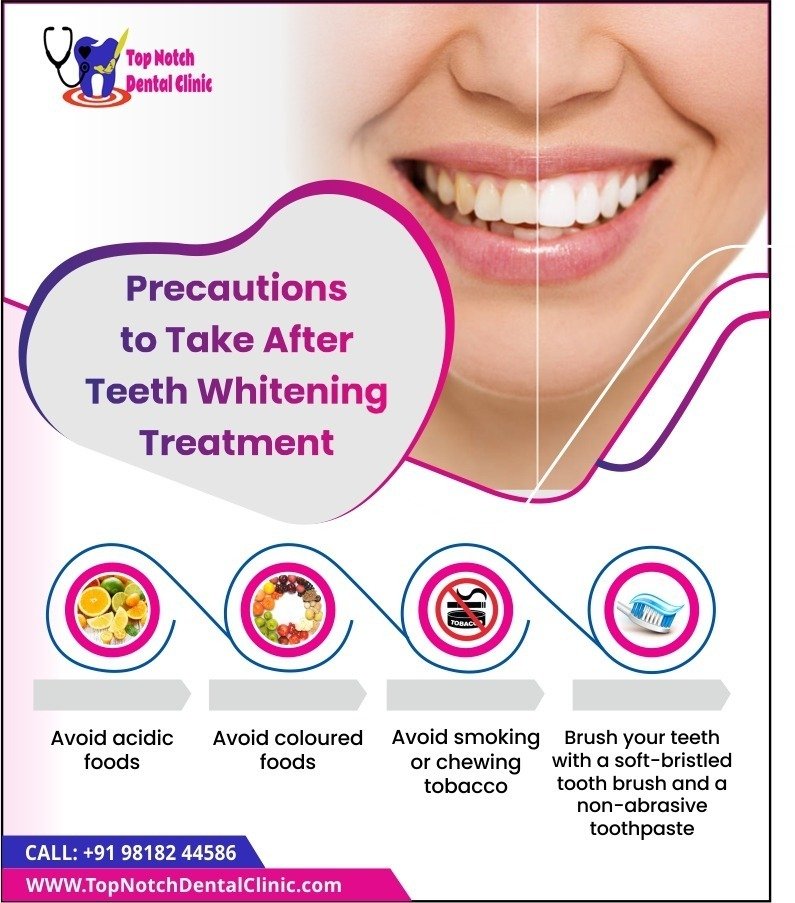
To minimize the potential risks associated with teeth whitening, it is important to take certain precautions before and during the whitening process. By following these precautions, you can achieve a whiter smile while maintaining the health of your teeth and gums.
2.1 Consultation with a Dentist
Before starting any teeth whitening treatment, it is advisable to consult with a dentist. They will evaluate your oral health, identify any existing dental conditions, and determine if you are a suitable candidate for teeth whitening. Additionally, your dentist can recommend the most appropriate whitening method based on your individual needs and preferences.
2.2 Professional vs. Home Whitening Kits
There are two main options for teeth whitening: professional whitening treatments performed at the dentist’s office and at-home whitening kits available over the counter. Professional treatments are typically more effective and offer faster results, but they can also be more expensive. Home whitening kits, on the other hand, may produce gradual results and are more budget-friendly. It is important to weigh the pros and cons of each option and choose the method that best suits your needs and circumstances.
2.3 Follow Instructions Carefully
Whether you opt for a professional treatment or a home whitening kit, it is crucial to carefully follow the instructions provided. Whitening products should be used as directed to avoid any potential risks or complications. Overusing the products or leaving them on for longer than recommended can lead to tooth sensitivity, gum irritation, or enamel damage. Adhering to the instructions will help ensure a safe and effective teeth whitening experience.
2.4 Protecting Gum Tissues
To minimize the risk of gum irritation, it is important to protect the gum tissues during the teeth whitening process. Custom-fit whitening trays can help ensure a proper fit and prevent the whitening gel from coming into direct contact with the gums. Dental dams or barriers are additional protective measures that can be used to isolate the teeth and gums during the whitening procedure.
2.5 Avoid Overuse of Whitening Products
While it may be tempting to continuously whiten your teeth to maintain a bright smile, it is important to avoid overuse of whitening products. Excessive use of these products can lead to enamel damage, tooth sensitivity, and other oral health issues. It is recommended to follow the recommended whitening frequency and duration of whitening sessions provided by the manufacturer or dentist.
In conclusion, understanding the risk factors associated with teeth whitening and taking the necessary precautions can help ensure a safe and successful outcome. Consultation with a dentist, choosing the appropriate whitening method, following instructions carefully, protecting gum tissues, and avoiding overuse of whitening products are all crucial steps in maintaining a healthy and beautiful smile. By being informed and cautious, you can achieve the whiter smile you desire while prioritizing your oral health.