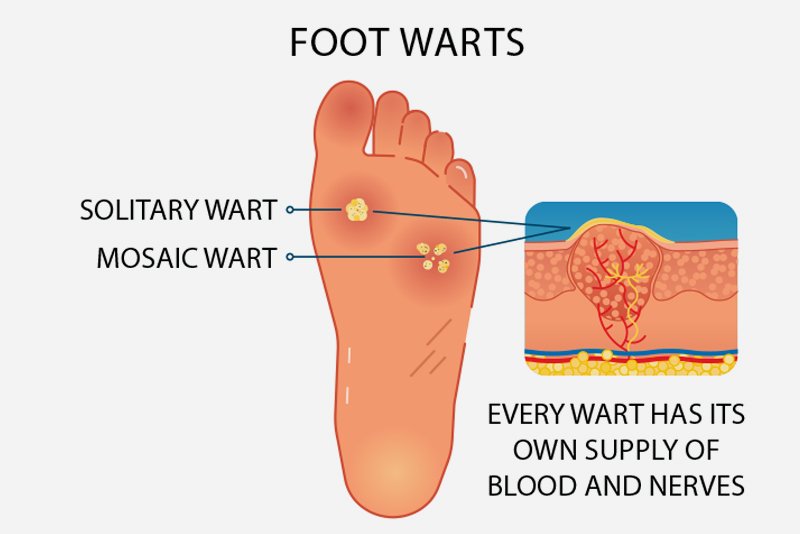
Plantar warts can be a nuisance, causing discomfort and pain as you go about your daily activities. However, understanding the risk factors and taking necessary precautions can greatly minimize your chances of developing these pesky warts. From walking barefoot in public areas such as pools or locker rooms to having a weakened immune system, there are several factors that can increase your susceptibility. By taking simple steps like wearing protective footwear and practicing good hygiene, you can protect yourself and keep those plantar warts at bay.
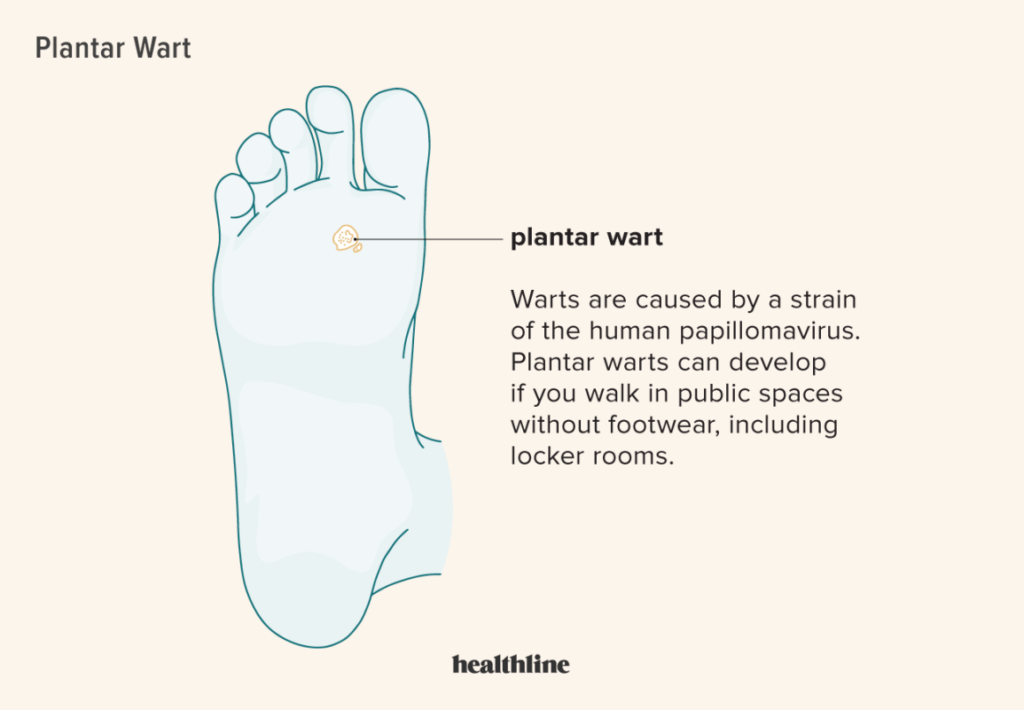
Risk Factors for Plantar Warts
Weakened Immune System
Having a weakened immune system can increase your risk of developing plantar warts. Your immune system is responsible for fighting off infections and viruses, including the human papillomavirus (HPV), which is the main cause of plantar warts. If your immune system is weakened due to certain medical conditions, such as HIV/AIDS, or if you are taking immunosuppressant medications, you are more susceptible to developing these warts.
Direct Contact with HPV
Direct contact with someone infected with HPV is one of the primary ways to contract plantar warts. HPV is highly contagious and can spread through skin-to-skin contact. This can occur when you shake hands or touch an object that an infected person has touched, such as a doorknob or towel. It is important to be cautious when coming into contact with individuals who have visible warts or have a history of warts.
Walking Barefoot in Public Areas
Walking barefoot in public areas, particularly in warm and moist environments such as public swimming pools, locker rooms, and communal showers, can increase your risk of contracting plantar warts. The HPV virus thrives in warm and humid places and can easily be picked up from contaminated surfaces. To reduce your risk, it is advisable to always wear sandals or water shoes in public areas to create a barrier between your feet and the potential virus.
Sharing Personal Items
Sharing personal items, such as towels, socks, shoes, or nail clippers, can also increase your chances of getting plantar warts. The HPV virus can survive on these objects, and if you share them with an infected person, you may unknowingly expose yourself to the virus. It is essential to avoid sharing personal items to minimize the risk of transmission.
Skin-to-Skin Contact with an Infected Person
Engaging in skin-to-skin contact with someone who has an active plantar wart increases your likelihood of getting infected. This can occur through activities like holding hands, hugging, or participating in contact sports. It is important to be cautious and practice good hygiene to minimize the risk of transmission.
Age
Age can be a contributing factor in the development of plantar warts. Children and young adults are more susceptible to getting warts compared to older individuals. This could be due to a weaker immune system or a higher likelihood of engaging in activities that increase exposure to the HPV virus, such as frequent visits to public swimming pools or locker rooms. However, anyone can develop plantar warts regardless of age.
Sexual Activity
Engaging in sexual activity, especially unprotected sex, can increase the risk of developing plantar warts. The HPV virus can be transmitted through intimate skin-to-skin contact, and certain strains of the virus are known to cause warts in the genital area. Practicing safe sex, including using barrier methods like condoms, can help reduce the risk of transmission.
Presence of Other Skin Conditions
If you have other skin conditions, such as cuts, scrapes, or existing warts, you may be more susceptible to developing plantar warts. The virus can easily enter your skin through these openings, leading to the formation of new warts. It is essential to take proper care of your skin and promptly treat any existing skin conditions to prevent the spread of the virus.
Occupation or Activities that Involve Humid or Wet Environments
Certain occupations or activities that involve prolonged exposure to humid or wet environments can increase the risk of plantar warts. Jobs that require working in environments like swimming pools, locker rooms, or communal showers put individuals at a higher risk of contracting the virus. It is important to take precautions, such as wearing protective footwear, to minimize the risk of exposure.
Living in Close Quarters or Crowded Conditions
Living in close quarters or crowded conditions, such as student dormitories or military barracks, can contribute to the spread of plantar warts. The virus can easily be transmitted in these environments due to the close proximity and frequent contact among individuals. Practicing good hygiene, such as regularly washing and drying your feet, can help reduce the risk of infection.
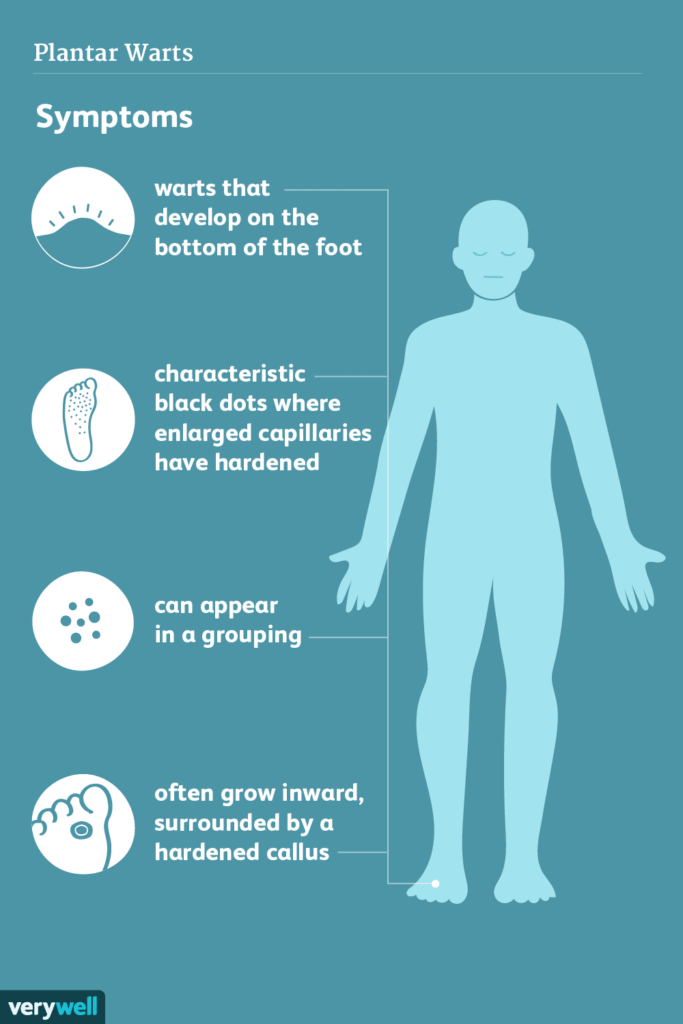
Precautions to Prevent Plantar Warts
Maintain Proper Foot Hygiene
Maintaining proper foot hygiene is essential in preventing plantar warts. Wash your feet daily with warm water and mild soap, ensuring that you thoroughly clean the areas between your toes. After washing, dry your feet thoroughly, especially the spaces between your toes. Keeping your feet clean and dry can help reduce the chances of HPV infection.
Wear Protective Footwear
When venturing into public areas with potential HPV exposure, it is crucial to wear protective footwear. Sandals or water shoes provide a barrier between your skin and contaminated surfaces, reducing the risk of coming into direct contact with the virus. Additionally, wearing socks made of moisture-wicking materials can help keep your feet dry and minimize the conditions favorable for wart development.
Avoid Sharing Personal Items
To prevent the transmission of the HPV virus, avoid sharing personal items with others. Items such as towels, socks, shoes, and nail clippers can carry the virus and potentially infect others. It is vital to use your own personal belongings and regularly clean them to ensure they are free from any contagious viruses.
Cover Warts with Waterproof Bandages
If you already have a plantar wart, covering it with a waterproof bandage can help prevent the spread of the virus. These bandages act as a barrier, preventing the wart from coming into direct contact with other surfaces or individuals. Make sure to apply the bandage correctly to ensure it stays in place and doesn’t allow moisture or water to seep through.
Keep Feet Dry
Keeping your feet dry is crucial in reducing the risk of plantar warts. Moist environments provide an ideal breeding ground for the virus, so it is important to thoroughly dry your feet after bathing or swimming. Pay extra attention to the areas between your toes, as moisture can get trapped in these spaces. Allow your feet to breathe and try to wear moisture-wicking socks to keep your feet dry throughout the day.
Avoid Walking Barefoot in Public Areas
To minimize the chances of contracting plantar warts, it is advisable to avoid walking barefoot in public areas. Wear footwear, such as sandals or water shoes, to create a protective barrier between your feet and contaminated surfaces. This precaution is especially important in places like swimming pools, locker rooms, and communal showers where the virus is commonly found.
Practice Safe Sexual Activity
Practicing safe sexual activity is not only important for preventing sexually transmitted infections but also for reducing the risk of plantar warts. Use barrier methods, such as condoms, during sexual intercourse to minimize the chances of coming into contact with the HPV virus. If you or your partner has visible warts or a history of warts, it is advisable to abstain from sexual activity until the warts are treated and cleared.
Avoid Close Skin-to-Skin Contact with an Infected Person
To reduce the risk of plantar warts, it is essential to avoid close skin-to-skin contact with individuals who have visible warts or a known infection. This includes activities like holding hands, hugging, or participating in contact sports. Practicing proper hygiene, such as washing your hands regularly and using hand sanitizer, can also help prevent the spread of the virus.
Regularly Examine Feet for Any Signs of Warts
Regularly examining your feet for any signs of warts is an important precautionary step. Check the soles of your feet, between your toes, and around your nails for any unusual growths or changes in the skin. Early detection can lead to prompt treatment and prevent the spread of warts to other areas of the feet or to other people.
Seek Prompt Treatment for Skin Conditions or Injuries
If you have any skin conditions or injuries, it is crucial to seek prompt treatment to prevent the development or spread of plantar warts. Keeping your skin healthy and intact reduces the chances of the virus entering through cuts, scratches, or abrasions. If you notice any changes in your skin or experience any injuries, consult a healthcare professional for appropriate treatment options.