
Mumps, a highly contagious viral infection, can spread easily from person to person through respiratory droplets. In this article, we will explore the risk factors associated with mumps and discuss the necessary precautions one should take to prevent its transmission. By understanding the potential sources of exposure and implementing effective preventive measures, you can significantly reduce the likelihood of contracting mumps and protect yourself and those around you.

Risk Factors for Mumps
Mumps is a highly contagious viral infection that primarily affects the salivary glands. The virus is transmitted through respiratory droplets, and certain factors can increase your risk of contracting the infection. By understanding these risk factors, you can take necessary precautions to protect yourself and others.
Age
Age plays a crucial role in the risk of mumps infection. Children between the ages of 5 and 9 are most commonly affected. However, mumps can also affect teenagers and adults who have not received the necessary vaccination. It is important to note that even infants can contract the virus if they are exposed to an infected individual.
Crowded Environments
Crowded environments can facilitate the spread of mumps due to close contact with infected individuals. Places like schools, colleges, and military barracks where people live or study in close quarters increase the risk of transmission. The virus can spread easily through coughing, sneezing, or even talking, making crowded places a breeding ground for mumps outbreaks.
Lack of Vaccination
One of the most significant risk factors for mumps is the lack of vaccination. The MMR (measles, mumps, and rubella) vaccine is highly effective in preventing mumps infection. Individuals who have not received the recommended doses of the vaccine are at a higher risk of contracting the virus. Additionally, incomplete vaccination can also leave you susceptible to mumps infection.
Travel to Outbreak Areas
If you are planning to travel, it is essential to be aware of the mumps incidence in the destination you are visiting. Some countries may have a higher prevalence of mumps, which increases your risk of exposure. Furthermore, outbreaks can occur in specific regions, even in countries with generally lower mumps incidence. Staying informed about such outbreaks can help you take necessary precautions before traveling.
Complications of Mumps
While mumps is generally a self-limited viral infection, it can lead to various complications, especially if not managed properly. Understanding these potential complications can help you recognize the signs and seek appropriate medical attention.
Meningitis
Mumps can cause inflammation of the meninges, which are the membranes surrounding the brain and spinal cord. Meningitis is a serious complication that can present with symptoms such as severe headache, fever, stiff neck, and sensitivity to light. If left untreated, meningitis can lead to long-term neurological problems or even be life-threatening. Prompt medical intervention is crucial in managing this complication.
Orchitis
Orchitis refers to inflammation of the testicles, a common complication of mumps occurring primarily in post-pubertal males. This condition can cause severe pain, swelling, and tenderness in the testicles. In some cases, orchitis can lead to infertility or testicular atrophy. It is important to seek medical attention if you experience these symptoms after a mumps infection.
Oophoritis
In females, mumps can cause inflammation of the ovaries, known as oophoritis. This complication can result in abdominal pain, fever, and menstrual irregularities. While permanent damage to the ovaries is rare, oophoritis can lead to temporary infertility or complications during pregnancy. Seeking medical care is vital in managing oophoritis and preventing long-term reproductive issues.
Pancreatitis
Mumps can also affect the pancreas, leading to pancreatitis, which is the inflammation of this organ. Symptoms may include severe abdominal pain, nausea, vomiting, and fever. Pancreatitis requires immediate medical attention as it can lead to serious complications such as organ failure. Early diagnosis and appropriate treatment are critical in preventing severe outcomes.
Precautions to Prevent Mumps
Taking preventive measures is essential in reducing the risk of mumps infection. By following these precautions, you can protect yourself, as well as those around you, from the potential consequences of the virus.
Vaccination
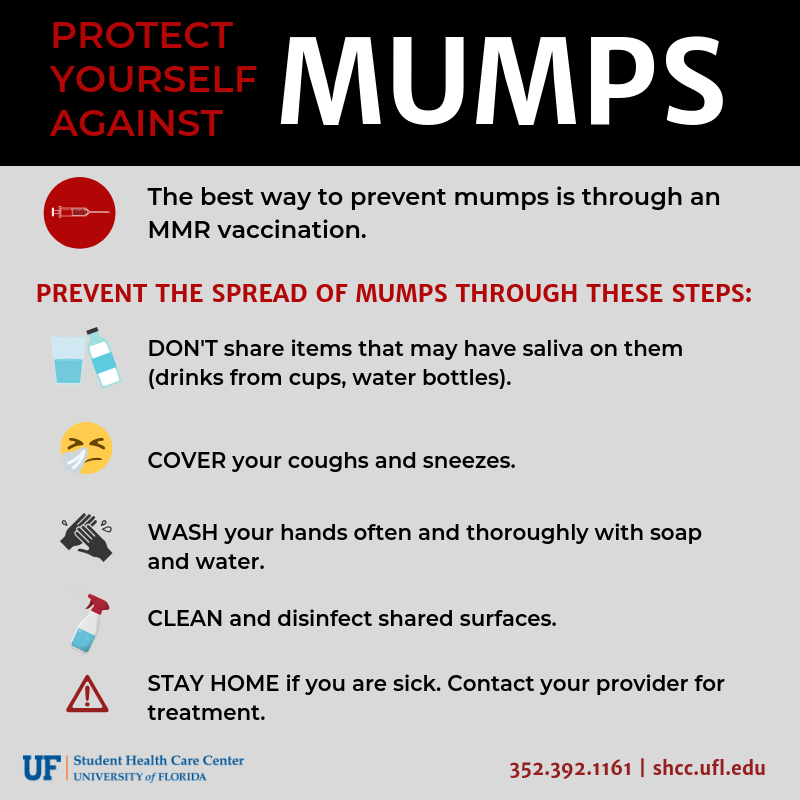
The most effective way to prevent mumps is through vaccination. The MMR vaccine is routinely administered to children and provides immunity against mumps, measles, and rubella. It is important to ensure that you and your family members are up to date with the recommended vaccination schedule. Vaccination not only protects you from mumps but also helps in achieving community immunity and preventing outbreaks.
Maintaining Good Hygiene
Practicing good hygiene habits is another crucial step in preventing mumps. Wash your hands frequently with soap and water, especially after being in public places or in close contact with others. Avoid touching your face, particularly your mouth and nose, as this can serve as an entry point for the virus. By practicing good hygiene, you can significantly reduce the risk of infection.
Avoiding Close Contact
Since mumps is highly contagious, it is important to avoid close contact with individuals who are infected or suspected to have mumps. Stay away from crowded places where transmission is more likely to occur. If someone in your household or close circle develops mumps, take appropriate precautions to minimize the spread of the virus, such as isolating the infected individual and disinfecting commonly touched surfaces.
Covering Mouth and Nose
When coughing or sneezing, it is crucial to cover your mouth and nose properly to prevent the spread of mumps. Use a tissue or, if one is not available, use your elbow to cover your mouth and nose. This helps in trapping respiratory droplets that may carry the virus. Remember to dispose of used tissues properly in a closed bin to avoid contamination.
Age
Mumps can affect individuals of all age groups, but certain age brackets may have different risk factors and vulnerabilities. It is important to understand how mumps can impact each age group to take appropriate precautions.
Children
Children between the ages of 5 and 9 are at a higher risk of mumps infection due to their increased likelihood of close contact with infected peers. Being aware of the symptoms and risk factors can help parents and caregivers promptly identify mumps in children and seek medical attention. Vaccination is crucial for protecting children from mumps and its complications.
Teenagers
Teenagers who have not been vaccinated or have incomplete vaccination are susceptible to mumps infection. Close interactions in school or social settings can increase the risk of transmission among teenagers. Educating teenagers about the importance of vaccination, practicing good hygiene, and avoiding close contact with infected individuals can help reduce the incidence of mumps in this age group.
Adults
Adults who have not received the necessary vaccination or have incomplete vaccination can also contract mumps. This is particularly true for individuals living in crowded environments or those who travel to outbreak areas. It is essential for adults to stay informed about mumps outbreaks, maintain good hygiene practices, and consider vaccination if not already immune. Protecting adults from mumps can prevent complications and ensure a healthier population.

Crowded Environments
Certain environments where people live or gather in close quarters can facilitate the spread of mumps. By being aware of these crowded environments, you can take additional precautions to minimize the risk of mumps transmission.
Schools
Schools, especially elementary and secondary schools, can serve as hotspots for mumps outbreaks. Close contact between students, sharing of personal items, and inadequate vaccination coverage can contribute to the spread of the virus within school premises. Educational institutions should promote vaccination awareness and implement measures to reduce contact and maintain good hygiene among students and staff.
Colleges
College campuses, with their shared housing, dining areas, and social activities, can pose a higher risk of mumps transmission. Mumps outbreaks in college settings have been reported, emphasizing the importance of vaccination campaigns and proper hygiene practices. Colleges should encourage students to get vaccinated and provide resources to promote preventive measures, such as hand hygiene and respiratory etiquette.
Military Barracks
Military barracks, where personnel live in close proximity, create an environment conducive to mumps transmission. The close quarters and frequent contact among individuals in military settings can lead to outbreaks if the virus enters the barracks. Strict vaccination protocols and regular health screenings for military personnel are crucial to prevent mumps outbreaks and maintain operational readiness.
Lack of Vaccination
The lack of vaccination greatly amplifies the risk of mumps infection. By understanding the consequences of not receiving the recommended vaccine doses, both individuals and communities can make informed decisions regarding vaccination.
Unvaccinated Individuals
Individuals who have not received the MMR vaccine are at a significantly higher risk of mumps infection. This includes young children, teenagers, and adults who have not been vaccinated in the past. Unvaccinated individuals who come into contact with an infected person are more likely to contract and spread the virus. Vaccination is the most effective way to protect yourself and others from mumps.
Incomplete Vaccination
Incomplete vaccination, where an individual has not received all the recommended doses of the MMR vaccine, still leaves them susceptible to mumps infection. Having only partial immunity can increase the severity of the disease if exposed to the virus. It is essential to ensure complete vaccination, following the recommended schedule, to achieve optimal protection against mumps.
Travel to Outbreak Areas
If you are planning a trip, it is crucial to consider the mumps incidence in the destination you are visiting. Some countries have a higher prevalence of mumps, increasing the risk of exposure. Additionally, outbreaks can occur in specific regions, even in countries with overall lower mumps incidence. By staying informed about mumps outbreaks and taking appropriate precautions, you can minimize the chances of contracting the virus during your travel.
Countries with High Mumps Incidence
Certain countries have a higher incidence of mumps compared to others. Factors such as lower vaccination rates, inadequate healthcare infrastructure, or limited access to vaccination contribute to the increased prevalence of mumps in these regions. If your travel plans include countries with high mumps incidence, it is crucial to consider vaccination and follow preventive measures to reduce your risk.
Outbreaks in Specific Regions
Even in countries with generally lower mumps incidence, outbreaks can occur in specific regions. These outbreaks can be localized and affect certain communities or areas. Before traveling, it is advisable to check for any ongoing mumps outbreaks in your destination. This information can help you assess the risk and take necessary precautions, such as vaccination and practicing good hygiene, to protect yourself.
Meningitis
Meningitis is a severe complication associated with mumps infection. By understanding the causes, symptoms, and complications of meningitis, you can recognize the signs and seek prompt medical attention.
Inflammation of the Meninges
Meningitis refers to the inflammation of the meninges, which are the protective membranes surrounding the brain and spinal cord. Mumps is one of the viral causes of meningitis. The virus can reach the meninges after the initial infection and trigger an inflammatory response, leading to meningitis.
Symptoms and Complications
Meningitis can manifest with various symptoms, including severe headache, high fever, stiff neck, sensitivity to light, and a rash. Other symptoms may include nausea, vomiting, confusion, and drowsiness. If left untreated, meningitis can result in permanent neurological damage or even be fatal. Early diagnosis and timely treatment with antiviral medications, supportive care, and hospitalization are essential in managing meningitis and preventing complications.
Orchitis
Orchitis is a common complication of mumps, particularly in post-pubertal males. Recognizing the symptoms and complications of orchitis can help individuals seek appropriate medical care and prevent potential long-term consequences.
Inflammation of the Testicles
Orchitis refers to the inflammation of one or both testicles. In mumps-associated orchitis, the virus spreads from the saliva to the reproductive glands, causing swelling, pain, and tenderness. Orchitis typically occurs several days after the onset of mumps symptoms.
Symptoms and Complications
Orchitis can present with symptoms such as testicular pain, swelling, tenderness, and redness of the scrotum. In some cases, the affected testicle may become significantly enlarged. While most cases of mumps-associated orchitis resolve on their own within a couple of weeks, complications can arise. These complications can include testicular atrophy, infertility, or reduced sperm quality. Seeking medical attention can help manage symptoms, relieve discomfort, and potentially prevent long-term complications.
Covering Mouth and Nose
Properly covering your mouth and nose when coughing or sneezing is essential in preventing the spread of mumps. Implementing these practices can significantly reduce the risk of transmitting the virus to others.
Using Tissues or Elbow to Cover Coughs and Sneezes
When you cough or sneeze, it is important to cover your mouth and nose to prevent respiratory droplets from spreading in the air. The most effective way is to use a tissue or handkerchief to cover your mouth and nose while coughing or sneezing. Dispose of the used tissue properly in a closed bin to minimize the risk of contamination. If a tissue is not available, use your elbow to cover your mouth and nose instead of your hands.
Proper Disposal of Used Tissues
After using a tissue, it is crucial to dispose of it properly to avoid spreading the virus to others. Place the used tissue in a closed bin or trash bag, preferably with a lid. Avoid leaving used tissues in open spaces or on surfaces where they can come into contact with others. Regularly empty and clean the bins to maintain good hygiene and reduce the risk of mumps transmission.
By following these precautions and understanding the risk factors and complications associated with mumps, you can protect yourself and others from this contagious viral infection. Vaccination, good hygiene practices, and being mindful of your surroundings can go a long way in preventing mumps and its potential complications. Stay informed, take the necessary precautions, and prioritize your health and the well-being of those around you.