
Pneumonia is a respiratory infection that can range from mild to severe and can affect people of all ages. In this article, we will explore the various risk factors associated with pneumonia and the precautions you can take to prevent its occurrence. From understanding who is most vulnerable to the infection to implementing simple, everyday habits that can safeguard your respiratory health, this comprehensive guide aims to equip you with the knowledge you need to stay ahead of pneumonia. So, let’s dive in and explore the risk factors and precautions for pneumonia together.

Risk Factors for Pneumonia
Pneumonia can affect anyone, but certain factors can increase your risk of developing this respiratory infection. Being aware of these risk factors can help you take necessary precautions to protect yourself and reduce the likelihood of contracting pneumonia. Let’s explore the various risk factors associated with pneumonia and understand how they can impact your overall health.
Age
Age plays a significant role in determining the vulnerability to pneumonia. Two age groups in particular – the elderly and infants – are at a higher risk of developing this infection.
Elderly
As we age, our immune system gradually weakens, making elderly individuals more susceptible to infections of all kinds, including pneumonia. Aging not only affects the immune system but also impacts the body’s ability to effectively clear respiratory secretions, which can lead to the accumulation of bacteria in the lungs.
Infants
Just like the elderly, infants have underdeveloped immune systems, which makes them more prone to respiratory infections, including pneumonia. Their smaller airways and limited ability to clear secretions contribute to an increased risk as well.

Weakened Immune System
Individuals with weakened immune systems are particularly vulnerable to pneumonia. A weakened immune system can result from various factors, such as:
HIV/AIDS
HIV/AIDS weakens the immune system, diminishing the body’s ability to fight off infections. People who are HIV-positive have a higher risk of developing pneumonia, and the infection can also be more severe in this population.
Organ Transplant
Transplant recipients need to take immunosuppressive medications to prevent organ rejection. While these medications help the body accept the transplanted organ, they also weaken the immune system, making transplant recipients more susceptible to infections, including pneumonia.
Chemotherapy
Chemotherapy is a treatment used to kill cancer cells, but it can also weaken the immune system in the process. Patients undergoing chemotherapy are more prone to infections, including pneumonia. It is essential for these individuals to take extra precautions to protect themselves from respiratory illnesses.
Long-term Steroid Use
Long-term use of steroids, such as corticosteroids, can suppress the immune system. Steroids are prescribed for various conditions, including autoimmune disorders and chronic inflammatory diseases. While they can help manage these conditions, they also increase the risk of infections, including pneumonia.
Respiratory Conditions
Having pre-existing respiratory conditions can also increase your susceptibility to pneumonia. Here are some examples:
Chronic Obstructive Pulmonary Disease (COPD)
COPD is a group of progressive lung diseases that include emphysema and chronic bronchitis. These conditions cause damage to the airways, making them more susceptible to infections, including pneumonia. Individuals with COPD should take extra precautions to monitor and manage their respiratory health.
Asthma
Asthma is a chronic respiratory condition characterized by inflammation and narrowing of the airways. People with asthma may experience frequent flare-ups, which can increase the risk of developing pneumonia. Proper management of asthma and adherence to prescribed medications can help reduce the risk.
Bronchiectasis
Bronchiectasis is a condition where the airways in the lungs are damaged and widened. This damage makes it easier for bacteria to accumulate and cause infections, including pneumonia. People with bronchiectasis should work closely with their healthcare providers to prevent and manage respiratory infections effectively.
Smoking
Smoking is a significant risk factor for pneumonia. Both active smokers and individuals exposed to secondhand smoke are at an increased risk of developing respiratory infections, including pneumonia.
Active Smokers
Smoking weakens the lungs and impairs the respiratory system’s ability to defend against infections. The harmful chemicals in cigarettes can damage the airways, making them more susceptible to bacteria and viruses that cause pneumonia. Quitting smoking can significantly reduce the risk of pneumonia and improve overall lung health.
Secondhand Smoke
Being exposed to secondhand smoke, either at home or in public places, can also increase your risk of developing pneumonia. Children who are exposed to secondhand smoke may be especially vulnerable to respiratory infections. It is crucial to create smoke-free environments to protect yourself and those around you from the risks associated with secondhand smoke.
Chronic Diseases
Certain chronic diseases can weaken the immune system or directly impact the respiratory system, elevating the risk of pneumonia. Here are a few examples:
Heart Disease
Heart disease, including conditions like congestive heart failure and coronary artery disease, can increase the risk of pneumonia. The heart’s diminished pumping ability can lead to fluid accumulation in the lungs, providing an environment conducive to the growth of bacteria.
Diabetes
Diabetes weakens the immune system, increasing the susceptibility to infections, including pneumonia. High blood sugar levels can also impair the healing process and affect lung function, making individuals with diabetes more prone to respiratory infections.
Liver Disease
People with liver disease, such as cirrhosis, have weakened immune systems, making them susceptible to various infections, including pneumonia. Additionally, liver disease may cause fluid retention in the lungs, creating an environment where bacteria can thrive.
Kidney Disease
Chronic kidney disease can compromise the immune system’s function, increasing the risk of developing pneumonia. Fluid imbalances and electrolyte disturbances associated with kidney disease can also negatively impact lung health.

Hospitalization
Hospitalization itself can be a risk factor for developing pneumonia. Certain factors commonly associated with hospital stays increase the likelihood of acquiring a hospital-acquired infection, including pneumonia.
Lengthy Hospital Stays
Prolonged hospital stays often involve exposure to various pathogens, and the immune system may be weakened due to the underlying cause of hospitalization. This combination can increase the risk of acquiring pneumonia during the hospital stay.
ICU Admission
Patients admitted to the intensive care unit (ICU) are at an increased risk of developing pneumonia. The critically ill nature of patients in the ICU, along with the use of invasive devices like ventilators, can facilitate the entry of bacteria into the lungs, leading to pneumonia.
Living Conditions
Living conditions can also play a role in the risk of developing pneumonia. Some factors associated with living conditions that can increase the vulnerability to pneumonia include:
Crowded Spaces
Living or spending time in crowded spaces, such as dormitories, military barracks, or prisons, can increase the risk of respiratory infections, including pneumonia. Close contact with infected individuals facilitates the spread of bacteria or viruses responsible for pneumonia.
Homelessness
Homeless individuals often face numerous challenges, including limited access to healthcare and exposure to harsh environmental conditions. These factors increase their susceptibility to respiratory infections, including pneumonia.
Residential Care Facilities
Living in a residential care facility, such as a nursing home or assisted living facility, can increase the risk of acquiring pneumonia. Close proximity to other residents and potentially compromised immune systems can make these environments conducive to the spread of respiratory infections.

Malnutrition
Malnutrition refers to a state of inadequate nutrition, either due to insufficient intake or poor absorption of essential nutrients. Malnourished individuals may have weakened immune systems, making them more susceptible to infections, including pneumonia.
Poor Diet
A poor diet lacking essential nutrients weakens the immune system, impairing the body’s ability to fight off infections. Adequate intake of vitamins, minerals, and macronutrients is crucial for maintaining a healthy immune system and reducing the risk of pneumonia.
Vitamin Deficiencies
Specific vitamin deficiencies, such as vitamin C and vitamin D, have been linked to increased susceptibility to respiratory infections, including pneumonia. Consuming a balanced diet or taking appropriate supplements can help address these deficiencies and strengthen the immune system.
Aspiration
Aspiration occurs when foreign substances, such as food, drink, or saliva, enter the lungs. Aspiration pneumonia can develop when these substances contain bacteria or irritants. Taking precautions to prevent aspiration is important to reduce the risk of pneumonia.
Sit Upright While Eating
Sitting in an upright position while eating can help prevent the accidental inhalation or regurgitation of food and drink. This reduces the chances of aspirating foreign substances that may lead to pneumonia.
Chew Food Properly
Chewing food thoroughly and taking smaller bites can minimize the risk of food going down the wrong pipe, reducing the chances of aspiration. This precaution is particularly important for individuals who have difficulty swallowing or are at a higher risk due to certain medical conditions.
Avoid Alcohol or Sedatives
Alcohol and sedatives can impair muscle coordination and reflexes, increasing the chances of aspiration. Limiting the intake of alcohol and discussing the appropriate use of sedatives with your healthcare provider can help reduce this risk.
Treat Underlying Conditions
Managing underlying conditions that can increase the risk of aspiration, such as gastroesophageal reflux disease (GERD) or neurological disorders, is crucial. Proper treatment and adherence to prescribed medications can help reduce the likelihood of aspiration and subsequent pneumonia.
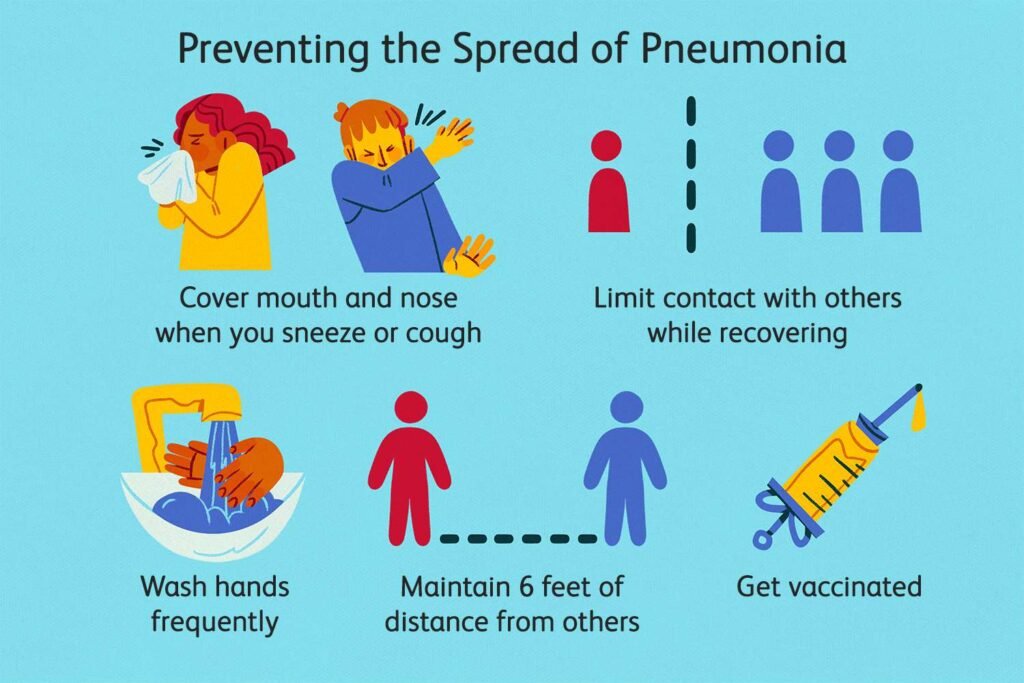
By understanding the risk factors associated with pneumonia, you can take informed steps to protect yourself and reduce the chances of contracting this respiratory infection. It is essential to maintain a healthy lifestyle, follow proper hygiene practices, and seek medical advice whenever necessary to safeguard your respiratory health. Remember, prevention is always better than cure. Stay healthy and take care!