Skin cancer is a serious concern for everyone, and one specific type that is often overlooked is skin cancer-wrinkles. In this article, we will explore the risk factors associated with this condition and the precautions you can take to protect yourself. It’s crucial to be informed and proactive when it comes to your skin health, so let’s dig into the important details and learn how to safeguard against skin cancer-wrinkles.

Risk Factors for Skin Cancer-Wrinkles
Excessive sun exposure
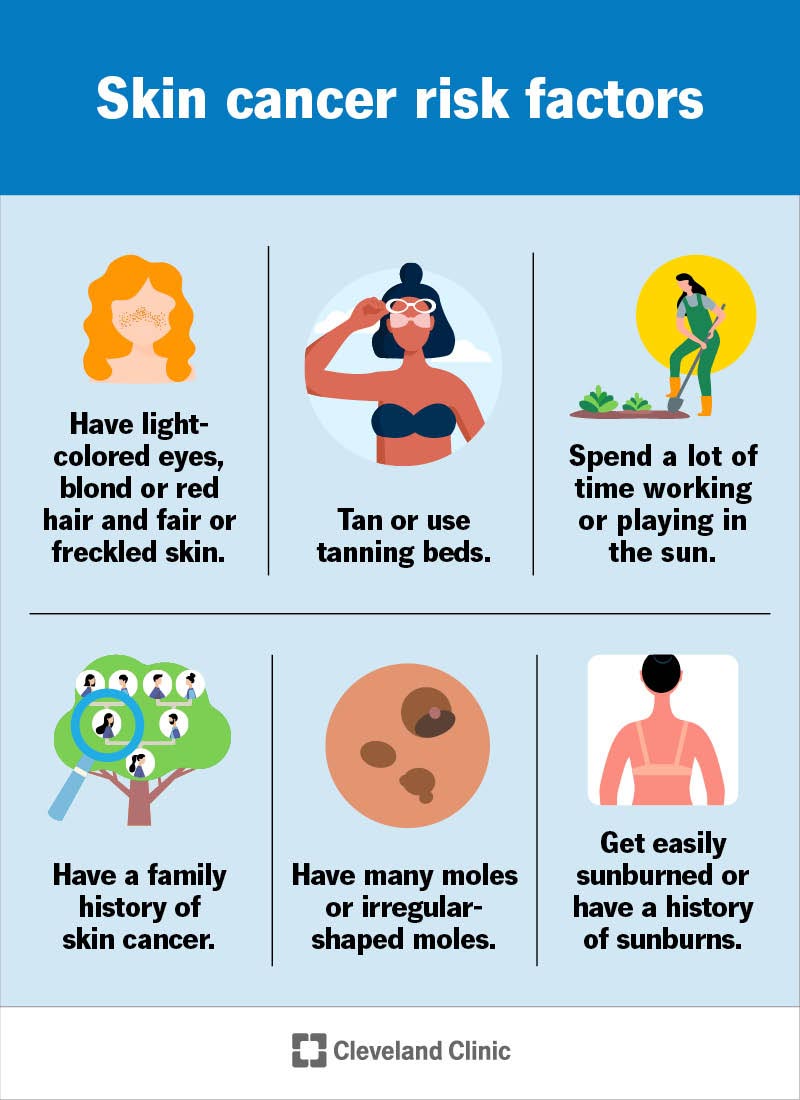
Excessive sun exposure is one of the main risk factors for developing skin cancer and wrinkles. Spending long periods of time in the sun without protection can lead to harmful ultraviolet (UV) radiation damaging the DNA in your skin cells, causing them to mutate and potentially develop into cancer cells. Additionally, the sun’s rays can break down the collagen and elastin fibers in your skin, leading to the formation of wrinkles. It is important to limit your sun exposure and take appropriate precautions when you are outdoors.
Fair skin
People with fair skin are more prone to developing skin cancer and wrinkles than those with darker skin tones. Fair-skinned individuals have less melanin, which is responsible for protecting the skin from the harmful effects of UV radiation. This makes them more susceptible to sun damage and its consequences. If you have fair skin, it is crucial to be extra cautious and diligent about protecting your skin from the sun.
Family history of skin cancer
If you have a family history of skin cancer, especially in first-degree relatives such as parents or siblings, your risk of developing both skin cancer and wrinkles increases. Genetic factors can influence the vulnerability of your skin to sun damage and the likelihood of developing cancerous cells. It is important to be aware of your family history and take necessary precautions to mitigate the risks.
Age
As you age, your skin becomes more susceptible to damage from the sun, and the risk of developing skin cancer and wrinkles increases. The cumulative exposure to UV radiation over the years can take a toll on your skin’s health, resulting in the formation of wrinkles and an increased risk of cancer. It is crucial to start practicing sun protection early on and continue these habits as you age to minimize the risks associated with skin cancer and wrinkles.
Certain medical conditions or medications
Certain medical conditions and medications can make your skin more susceptible to sun damage and increase the risk of developing skin cancer and wrinkles. For example, some antibiotics, anti-inflammatory drugs, and chemotherapy medications can make your skin more sensitive to the sun’s harmful rays. It is important to consult with your healthcare provider about the potential effects of your medical conditions or medications on your skin and take appropriate precautions.
Weakened immune system
Having a weakened immune system, whether due to a medical condition or medication, can increase your risk of developing skin cancer and wrinkles. The immune system plays an essential role in recognizing and eliminating abnormal cells, including cancer cells. When the immune system is compromised, it may not be as effective in detecting and fighting these abnormal cells, increasing the likelihood of their growth. If you have a weakened immune system, it is crucial to be extra vigilant about protecting your skin and regularly monitoring it for any changes.
Previous history of skin cancer
If you have a previous history of skin cancer, you are at a higher risk of developing both recurrent skin cancer and wrinkles. Having had skin cancer once indicates that your skin is more vulnerable to the harmful effects of UV radiation, and there is a possibility of developing new cancerous cells. Additionally, the treatment for skin cancer, such as surgery or radiation therapy, can contribute to the formation of wrinkles. Regular surveillance and preventive measures are essential for individuals with a previous history of skin cancer.
Use of tanning beds
The use of tanning beds significantly increases the risk of developing skin cancer and wrinkles. Tanning beds emit ultraviolet radiation, similar to the sun’s rays, and prolonged exposure can damage the DNA in your skin cells and lead to the development of cancer. Moreover, the intense UV exposure from tanning beds can accelerate the aging process, resulting in the formation of wrinkles. It is important to avoid using tanning beds altogether and opt for safer alternatives to achieve a tan, such as self-tanning lotions or spray tans.
Smoking
Smoking is not only detrimental to your overall health but also increases the risk of developing skin cancer and wrinkles. Cigarette smoke contains various harmful chemicals that can damage the DNA in your skin cells and disrupt the skin’s natural healing processes. Smoking also constricts blood vessels, reducing the oxygen and nutrient supply to the skin, which can contribute to the formation of wrinkles. Quitting smoking is not only essential for your general well-being but also for maintaining healthy skin.
Gender
Gender can also play a role in the risk of developing skin cancer and wrinkles. Men are more likely to develop skin cancer compared to women, especially in regions where they tend to have more sun exposure and less frequent use of sun protection measures. On the other hand, women tend to have a higher prevalence of wrinkles due to various factors such as hormonal changes, menopause, and skin thickness. However, regardless of gender, it is important for everyone to be aware of the risks and take appropriate precautions to protect their skin.

Precautions for Skin Cancer-Wrinkles
Sun protection
One of the most crucial precautions to prevent skin cancer and wrinkles is sun protection. This includes seeking shade when the sun is at its strongest, wearing protective clothing such as wide-brimmed hats and long-sleeved shirts, and using sunscreen with a high sun protection factor (SPF) on exposed skin. Applying sunscreen generously and reapplying it every two hours, or more frequently if swimming or sweating, is essential for adequate protection.
Avoid tanning beds
To minimize the risk of skin cancer and wrinkles, it is important to avoid tanning beds completely. The artificial UV radiation emitted by tanning beds can be even more intense than the sun’s rays, increasing the likelihood of DNA damage and skin cell mutations. Instead of exposing your skin to harmful UV radiation, consider embracing your natural skin tone or using safer alternatives such as self-tanning lotions or spray tans.
Regular self-examinations
Regular self-examinations of your skin can help identify any changes or abnormalities that may indicate the presence of skin cancer or contribute to the formation of wrinkles. Familiarize yourself with the appearance of your moles, freckles, and other skin marks, and regularly check for any changes in their size, shape, color, or texture. If you notice any concerning changes, promptly consult a dermatologist for further evaluation.
Annual skin check-ups
In addition to self-examinations, it is important to schedule annual skin check-ups with a dermatologist. A dermatologist can thoroughly examine your skin, identify any suspicious lesions, and provide guidance on preventive measures. Regular skin check-ups are particularly important if you have a family history of skin cancer, a previous history of skin cancer, or other risk factors. Early detection of skin cancer can significantly improve the prognosis and prevent its progression.
Protection for sensitive areas
Certain areas of the body, such as the face, neck, ears, and scalp, are more prone to sun damage and the formation of wrinkles due to their exposure. It is important to pay extra attention to protecting these sensitive areas by wearing wide-brimmed hats, using sunscreen specifically designed for the face, and seeking shade whenever possible. Remember that prevention is key in maintaining healthy skin.
Wear protective clothing
Along with sunscreen and shade, wearing protective clothing can provide an additional layer of defense against the harmful effects of UV radiation. Opt for lightweight, loose-fitting clothing that covers a significant portion of your body, such as long-sleeved shirts, long pants, and UV-blocking sunglasses. Don’t forget to protect your lips with a lip balm containing SPF as well.
Use sunscreen correctly
Using sunscreen correctly is essential for its effectiveness. Choose a broad-spectrum sunscreen that protects against both UVA and UVB radiation and has a sun protection factor (SPF) of 30 or higher. Apply a generous amount of sunscreen to all exposed areas of the skin, including commonly overlooked areas like the back of the neck and ears. Remember to reapply sunscreen every two hours, or more frequently if swimming or sweating.
Avoid peak sun hours
The sun’s UV radiation is strongest between 10 a.m. and 4 p.m., making it important to avoid prolonged sun exposure during these peak hours. If possible, schedule outdoor activities for earlier or later in the day when the sun’s rays are not as intense. By minimizing your sun exposure during peak hours, you can reduce the risk of skin cancer and wrinkles.
Protecting children
Children are particularly susceptible to the harmful effects of the sun, as their delicate skin is more vulnerable and has a longer lifetime exposure to sun damage. Take extra precautions to protect children from excessive sun exposure by ensuring they wear protective clothing, generously apply sunscreen, and seek shade when needed. It is important to instill sun safety habits in children from an early age to promote a lifetime of healthy skin.
Avoid smoking
In addition to its numerous other health risks, smoking can also negatively impact the health and appearance of your skin. Smoking can accelerate the aging process, resulting in the formation of wrinkles and fine lines. By quitting smoking, you not only reduce the risk of various types of cancer but also improve the overall health and vitality of your skin.
Taking these precautions can significantly reduce the risk of developing skin cancer and wrinkles. Remember to prioritize the health of your skin by practicing sun protection, avoiding harmful practices like using tanning beds and smoking, and regularly monitoring your skin for any changes. By adopting these measures, you can enjoy the sun responsibly and maintain healthy and youthful-looking skin for years to come.