
If you love spending time outdoors, it’s important to be aware of the risk factors and precautions associated with poison ivy. This plant, known for its notorious ability to cause a painful rash, can be found in various locations, from forests to backyards. Understanding the risk factors, such as allergic reactions and exposure frequency, along with simple yet effective precautions, can help you avoid the unpleasant consequences of coming into contact with poison ivy. So, before your next outdoor adventure, arm yourself with the knowledge needed to stay itch-free and enjoy nature to the fullest.
Factors that Increase the Risk of Poison Ivy Exposure
Geographic Location
Your risk of coming into contact with poison ivy increases if you live in regions where the plant is prevalent. Poison ivy is found throughout North America, especially in wooded areas, fields, and along the edges of trails.
Seasonal Variation
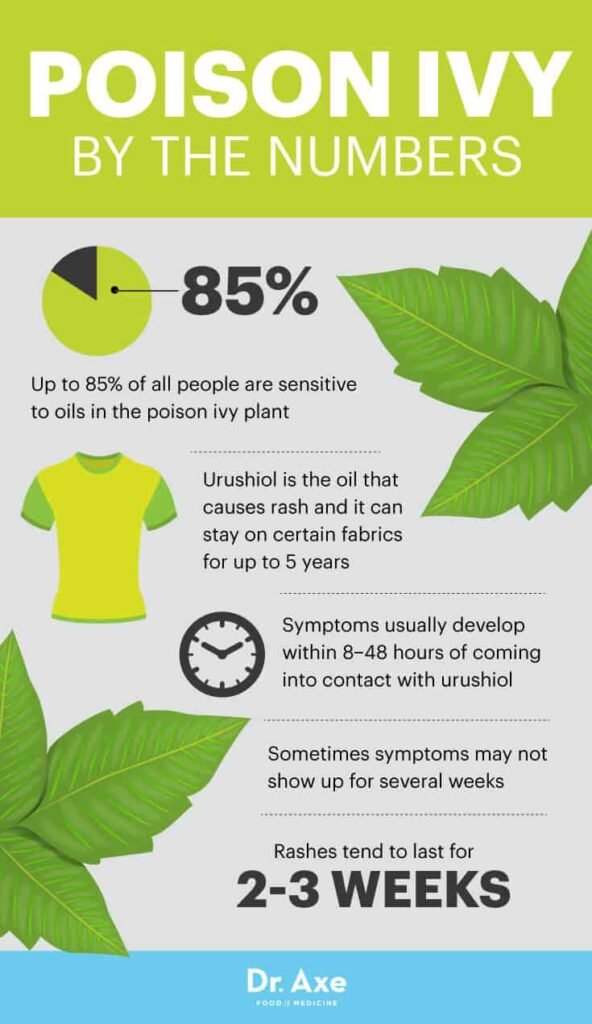
The risk of encountering poison ivy is highest during the spring and summer months when the plant is actively growing. The leaves of poison ivy contain a resin called urushiol, which causes the skin to react. During these seasons, the leaves are fully developed and most potent.
Outdoor Activities
Engaging in outdoor activities such as hiking, camping, gardening, or playing sports puts you at a higher risk of encountering poison ivy. When you spend time outdoors, especially in areas with dense vegetation, there is a greater chance of accidental contact with the plant.
Sensitive Skin
Individuals with sensitive skin are more prone to develop a reaction when exposed to poison ivy. Certain genetic characteristics can make your skin more susceptible to the irritating effects of urushiol. If you have a history of allergies or easily irritated skin, taking extra precautions is essential.
Previous Exposure
Having previously been exposed to poison ivy can increase your risk of developing a reaction in the future. Even if you didn’t have a severe reaction before, repeated exposure can sensitize your immune system, making it more likely to react strongly if exposed again.
Symptoms of Poison Ivy Exposure
Itchy Rash
One of the most common symptoms of poison ivy exposure is an itchy rash. Within hours or days of coming into contact with the plant’s leaves, your skin may develop red, raised, and itchy patches. Scratching the affected area can worsen the itch and potentially lead to open sores.
Blisters
In some cases, poison ivy exposure can cause the formation of blisters on the skin. These blisters may be filled with clear fluid, and they can be intensely itchy. It’s important to resist the urge to pop the blisters, as this can lead to infection and prolong the healing process.
Swelling
Exposure to poison ivy can also cause swelling in the affected area. This swelling is a result of the body’s immune response to urushiol, which triggers inflammation. Common areas for swelling include the hands, face, and any other part of the body that came into contact with the plant.
Redness
When urushiol comes into contact with your skin, it triggers an immune response that results in redness. The affected area may appear flushed and inflamed. The intensity and extent of redness can vary depending on the individual’s sensitivity to urushiol.
Inflammation
The immune system response to poison ivy exposure causes inflammation in the affected area. Inflammation is a normal defense mechanism, but it can lead to discomfort and pain, especially if the rash covers a large area of the body.
Precautions to Avoid Poison Ivy Exposure
Identifying Poison Ivy
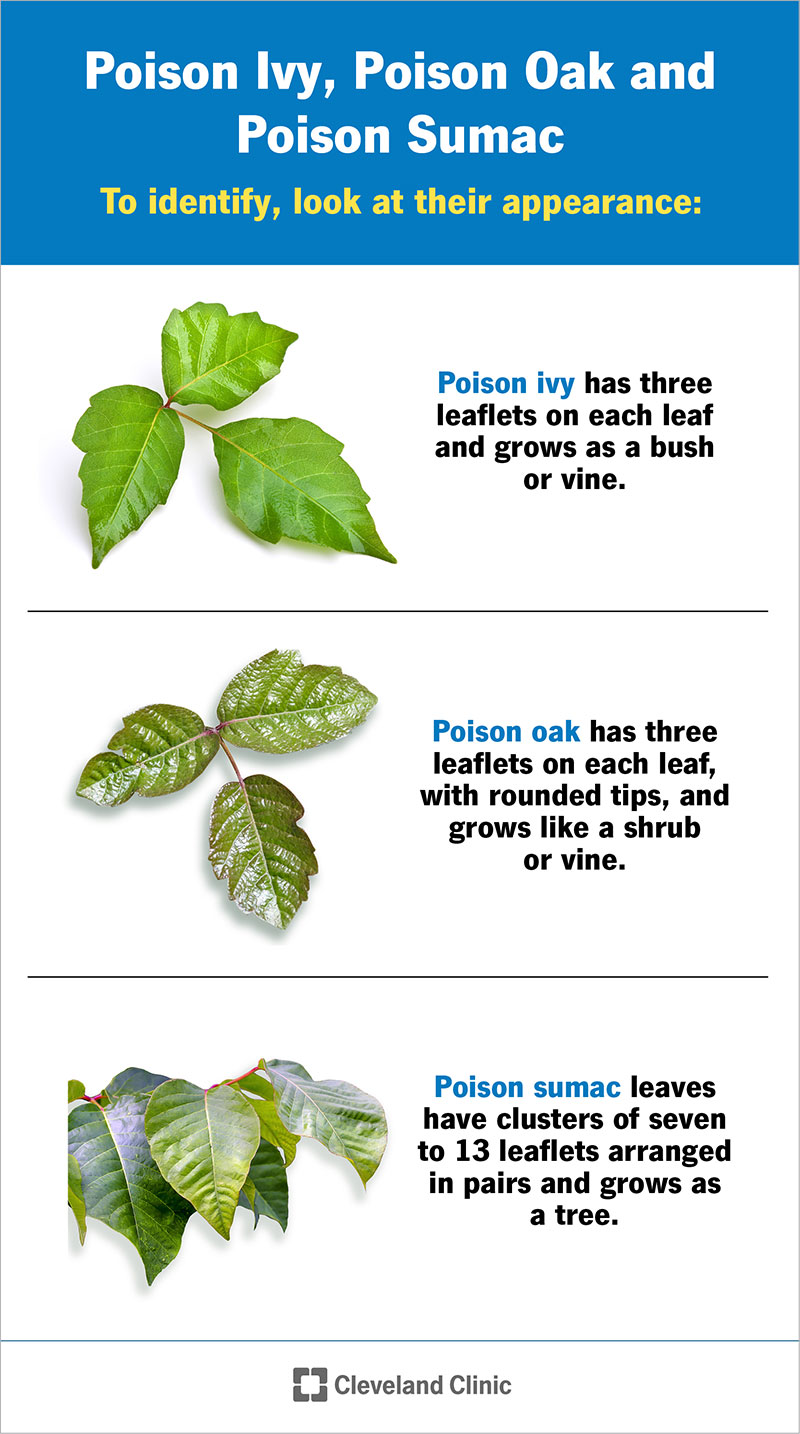
Learning how to identify poison ivy is the first step in avoiding exposure. Remember the phrase “Leaves of three, let it be.” Poison ivy typically has three leaflets, and the middle leaflet is usually larger than the other two. The leaves can vary in shape and may have serrated or smooth edges.
Avoiding Direct Contact
The best way to prevent poison ivy exposure is to avoid direct contact with the plant. Be cautious when walking in wooded areas or when participating in outdoor activities. Take care to avoid brushing against the plant or touching any surfaces that may have come into contact with it, such as clothing or gardening tools.
Protective Clothing
Wearing protective clothing can act as a barrier between your skin and poison ivy. When venturing into areas where poison ivy is likely to be present, wear long pants, long sleeves, closed-toe shoes, and gloves. These garments will minimize the risk of skin contact and reduce exposure.
Washing Clothes and Equipment
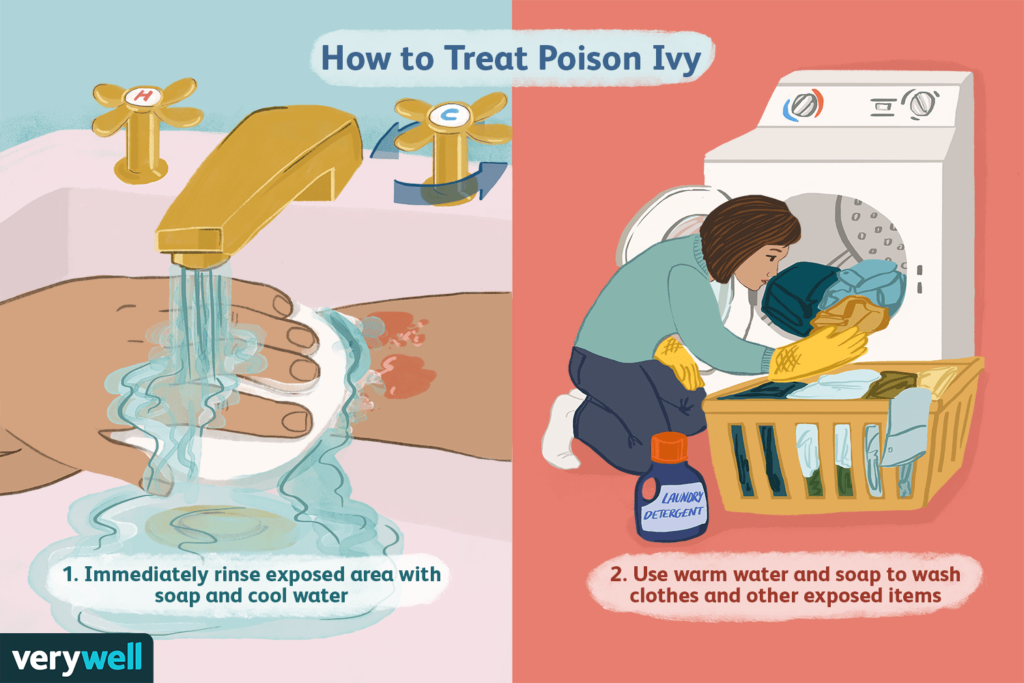
If you suspect that your clothes or equipment may have come into contact with poison ivy, it is crucial to thoroughly wash them to remove any traces of urushiol. Use hot water and laundry detergent, and consider using a separate load for contaminated items. Be sure to clean gardening tools or any other objects that may have been exposed as well.
Creating Barriers in the Garden
If you have poison ivy growing in your garden, it’s important to take precautions to prevent accidental exposure. Consider creating physical barriers around the plants using rocks, mulch, or a weed-blocking fabric. This will help prevent you from coming into direct contact with the plant while working in the garden.
Treatment Options for Poison Ivy Exposure
Topical Treatments
Over-the-counter creams and lotions can provide relief from the itching and inflammation caused by poison ivy exposure. Products containing ingredients like calamine, hydrocortisone, or antihistamines can help soothe the skin and alleviate discomfort. Follow the instructions on the packaging for proper application.
Oral Medications
For more severe cases, your doctor may prescribe oral medications such as corticosteroids to reduce inflammation and alleviate symptoms. These medications may be necessary if the rash is widespread, affecting a large area of your body, or if it persists for an extended period.
Home Remedies
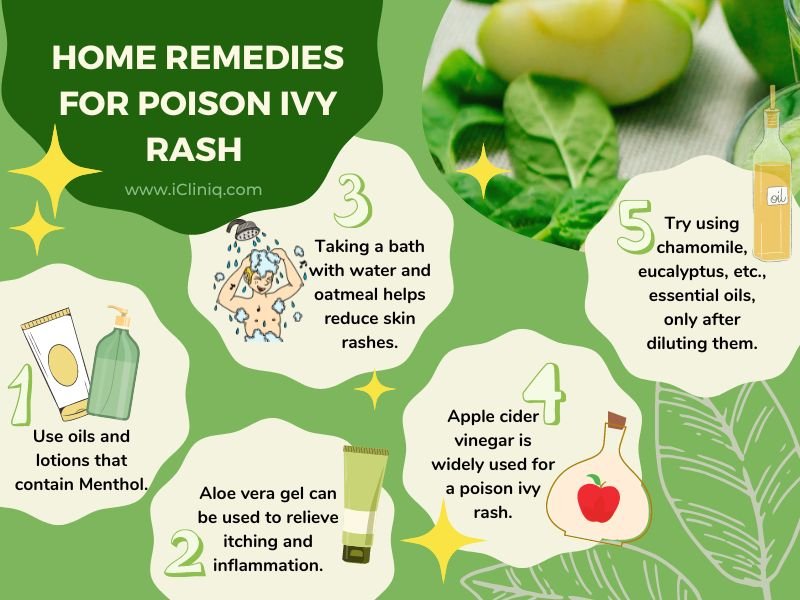
Some home remedies can help provide relief from poison ivy symptoms. Applying cool compresses or taking cool baths can help soothe inflamed skin. Natural remedies like aloe vera gel or oatmeal baths may also offer temporary relief. However, it is important to remember that home remedies may not be as effective as medical treatments.
When to Seek Medical Help
In most cases, poison ivy rashes can be managed with over-the-counter treatments and home remedies. However, seek medical attention if the rash is severe, covers a large area of your body, or is accompanied by symptoms such as fever or difficulty breathing. These could indicate a more serious allergic reaction that requires immediate medical attention.
Complications and Risk Factors for Complications
Secondary Infections
If you scratch the poison ivy rash and break the skin, it can become susceptible to secondary infections. Bacteria can enter the open sores and cause infection. Signs of a secondary infection include increased pain, swelling, redness, and pus in the affected area. Seeking medical attention is important if you suspect an infection.
Allergic Reactions
While most cases of poison ivy exposure result in a localized skin reaction, some individuals may experience severe allergic reactions. These reactions can manifest as difficulty breathing, swelling of the face or throat, and dizziness. If you or someone you know exhibits these symptoms, seek immediate medical assistance.
Sensitivity to Future Exposure
Repeated exposure to poison ivy can increase your sensitivity to urushiol, making you more susceptible to developing a rash in the future. This can lead to more severe and prolonged symptoms with subsequent exposures. Taking precautions, such as avoiding direct contact and wearing protective clothing, can minimize the risk of future reactions.
Long-lasting Symptoms
In some cases, the symptoms of poison ivy exposure may persist for several weeks or longer. Prolonged itching, inflammation, and blistering can significantly affect your quality of life. If your symptoms do not improve or worsen over time, consult with a healthcare professional for further evaluation and treatment options.
Preventing Poison Ivy Exposure in Pets
Avoiding Infected Areas
Keep your pets away from areas where poison ivy is known to grow. This includes wooded areas, overgrown fields, and areas along hiking trails. Restricting access to these areas can significantly reduce the risk of exposure for your furry friends.
Regularly Inspecting Pets
When your pets come indoors after spending time outside, carefully inspect their fur and paws for any plant material or signs of a rash. Promptly remove any plant material and wash your pet’s paws to minimize the chance of spreading urushiol throughout your home.
Cleaning Pet Accessories
If your pet’s belongings, such as leashes, collars, or bedding, come into contact with poison ivy, it is important to thoroughly clean them to remove any traces of urushiol. Use warm water and pet-safe detergent to wash these items, ensuring that they are free from any potential allergens.
Consulting a Veterinarian
If you suspect your pet has come into contact with poison ivy and is exhibiting symptoms such as itching, redness, or swelling, consult with your veterinarian. They can provide guidance on appropriate treatments and recommend interventions to alleviate your pet’s discomfort.
First Aid Tips for Poison Ivy Exposure
Quickly Remove Contaminated Clothes
If you suspect that your clothing has come into contact with poison ivy, remove it as soon as possible. Avoid touching the contaminated areas and carefully dispose of the clothing or place it in a sealed plastic bag until it can be properly washed.
Rinse Skin with Water
After removing contaminated clothing, rinse your skin with cool water to remove any remaining urushiol. Do not use hot water, as it can open up your pores and potentially spread the resin. Use a gentle stream of water to wash the affected area thoroughly.
Use Mild Soap for Cleaning
Washing the affected area with mild soap can help remove any remaining traces of urushiol from the skin. Use a gentle, fragrance-free soap and avoid scrubbing or rubbing the area too vigorously, as this can further irritate the skin.
Apply Cold Compresses
To alleviate itching and reduce inflammation, apply cold compresses to the affected area. You can use a clean cloth soaked in cold water or wrap ice cubes in a towel. Apply the compress for 10 to 15 minutes at a time, several times a day.
Avoid Scratching
Although it may be difficult, try to resist the urge to scratch the poison ivy rash. Scratching can break the skin, increasing the risk of infection and prolonging the healing process. Instead, opt for over-the-counter creams or lotions to soothe the itching.
Identifying Poison Ivy
Physical Characteristics
Poison ivy plants come in different forms, including vines, shrubs, or ground covers. The plant has trifoliate leaves, with three leaflets attached to a central stem. The leaves can vary in size, shape, and color, depending on the specific species and the plant’s maturity.
Leaves of Three
A key characteristic of poison ivy is its “leaves of three” arrangement. Each leaf on the plant consists of three leaflets, hence the saying, “Leaves of three, let it be.” This can be a helpful rule of thumb to remember when trying to identify poison ivy.
Color and Shape Variation
Poison ivy leaves can have different shades of green, ranging from light to dark. The color can change throughout the year, with leaves turning red or yellow in the fall. The leaflets may have smooth or serrated edges, and their shape can range from oval to jagged.
Berries and Flowers
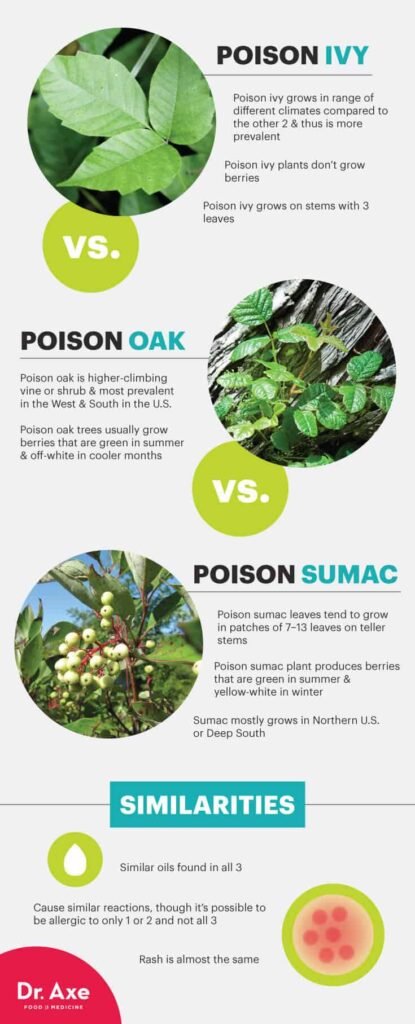
In late summer or early fall, poison ivy may produce small clusters of white or greenish-yellow berries. These berries can be a useful identifying feature, but it’s important to note that not all poison ivy plants produce berries every year. Additionally, poison ivy flowers are typically inconspicuous and relatively small.
Look-Alike Plants
Several plants resemble poison ivy and can be easily mistaken for it. Examples include Virginia creeper, boxelder, and fragrant sumac. It’s important to carefully examine the leaves, arrangement, and other physical features of a plant before assuming it is poison ivy.
Tips for Gardening and Landscaping
Removing Poison Ivy from Yard
If you discover poison ivy growing in your yard, it’s important to remove it promptly to avoid future exposure. Wear protective clothing, including long sleeves, long pants, and gloves, when handling the plant. Digging out the entire plant, including the roots, can help ensure complete removal. Dispose of the plant in sealed plastic bags or containers to prevent regrowth.
Weeding and Mulching Techniques
Regularly weeding your garden and landscape beds can help prevent the growth of poison ivy. Take care when pulling weeds to avoid direct contact with the plant. Applying a thick layer of mulch can also suppress weed growth and discourage the establishment of poison ivy.
Using Herbicides with Caution
Herbicides can be effective in controlling poison ivy, but they should be used with caution. Follow the instructions provided by the manufacturer and consider consulting a professional if you are unsure about the appropriate application method. Targeted application directly to the plant can help minimize the impact on other nearby vegetation.
Disposing of Removed Plants
Properly disposing of removed poison ivy plants is crucial to prevent accidental exposure. Place the plants in sealed plastic bags, double-bagging if necessary, and dispose of them in the regular trash. Do not burn poison ivy plants, as the smoke can contain urushiol, which can cause a severe allergic reaction if inhaled.
Professional Landscaping Services
If you are unsure about how to effectively remove poison ivy from your yard or if you have a large infestation, consider hiring a professional landscaping service. These professionals have expertise in identifying and safely removing poison ivy, minimizing the risk of exposure to yourself and your family.
Educating Children about Poison Ivy Awareness
Teaching them to Identify Poison Ivy
Children should be taught how to identify poison ivy and the importance of avoiding contact with the plant. Show them pictures of poison ivy, emphasizing the “leaves of three” rule. Encourage them to inform an adult if they suspect the presence of poison ivy in their surroundings.
Educating on the Dangers
Explain the potential consequences of coming into contact with poison ivy to children in a non-alarming manner. Teach them about the itchy rash, blisters, and other symptoms that can occur. Emphasize the importance of precautionary measures to prevent exposure, such as wearing protective clothing and avoiding touching unknown plants.
Avoiding Outdoor Play in Affected Areas
In areas where poison ivy is known to grow, encourage children to avoid outdoor play in dense vegetation where the plant may be present. Teach them to stick to designated paths and open spaces to minimize the risk of accidental contact.
Encouraging Proper Hand Hygiene
Emphasize the importance of proper hand hygiene to children. Instruct them to wash their hands thoroughly with soap and water after outdoor activities, especially if they have been exploring wooded areas or engaging in activities where contact with plants is likely.
Consulting Schools and Camps
Communicate with your child’s school or summer camp about poison ivy awareness and prevention strategies. Make sure they are educated on how to identify and avoid poison ivy, and inquire about the steps they take to minimize the risk of exposure during outdoor activities.
In conclusion, being aware of the risk factors and taking necessary precautions can help reduce the chances of poison ivy exposure. By identifying the plant, wearing protective clothing, practicing proper hygiene, and promptly treating any symptoms, you can minimize the discomfort and potential complications associated with poison ivy. Remember, prevention is key when it comes to this common outdoor hazard. Stay vigilant and enjoy the great outdoors with peace of mind!