Have you ever experienced the discomfort and limited mobility that comes with a stiff neck? Whether it’s from sleeping in an awkward position or straining your neck muscles during physical activity, a stiff neck can be a real pain. In this article, we will explore the risk factors that can contribute to a stiff neck, such as poor posture and stress, and discuss some simple precautions you can take to prevent and relieve this common ailment. So, grab a cozy seat and let’s dive into the world of stiff necks together!
Risk Factors for Stiff Neck
A stiff neck can cause discomfort and limit your range of motion. Understanding the risk factors that contribute to a stiff neck can help you take precautions to prevent it. Here are some common risk factors for developing a stiff neck:
Poor posture
One of the primary risk factors for a stiff neck is poor posture. Slouching or sitting with forward head posture can put excessive strain on the muscles and ligaments in your neck, leading to stiffness and pain. It’s important to maintain proper posture throughout the day, whether you’re sitting at a desk or standing.
Injury or trauma
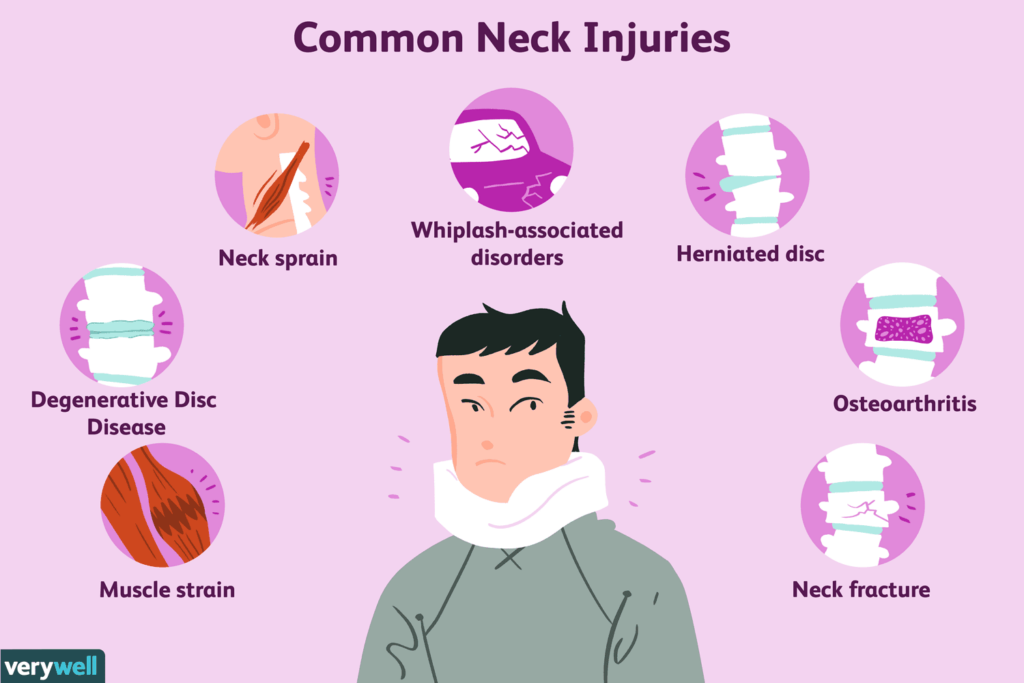
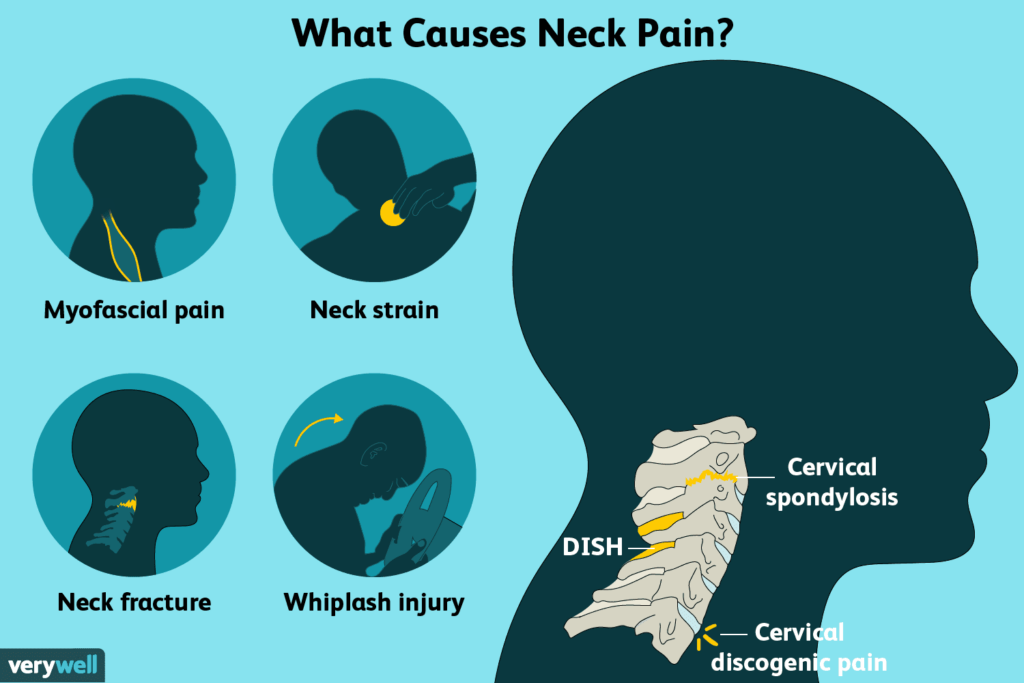
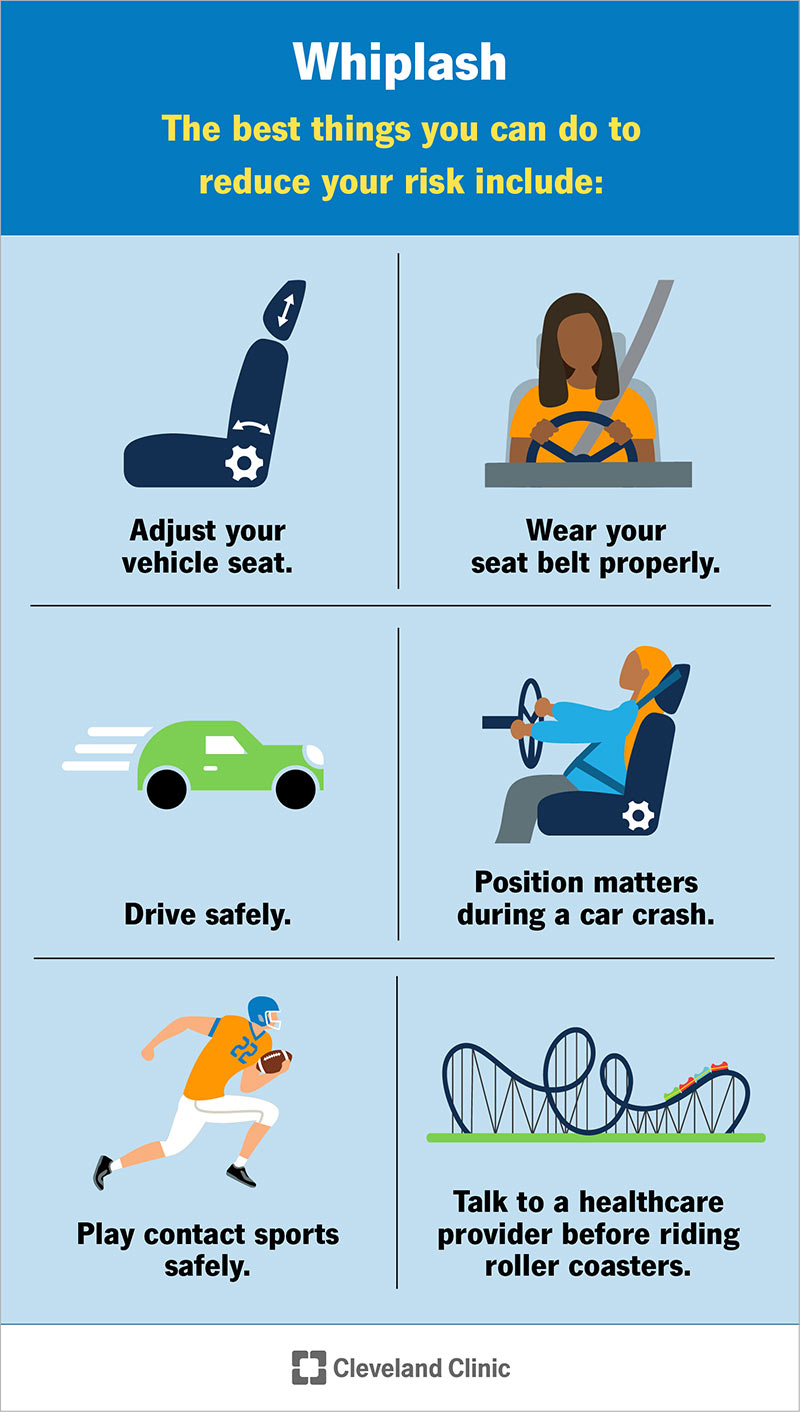
Injuries or trauma to the neck area can also contribute to a stiff neck. Whiplash, falls, sports injuries, and motor vehicle accidents can all cause damage to the muscles, ligaments, and joints in your neck. It’s crucial to take precautions and practice safety measures to avoid any accidents or injuries that could result in a stiff neck.
Muscle strain
Overuse or strain of the neck muscles is another risk factor for developing a stiff neck. This can occur due to activities that involve repetitive neck movements or sudden and forceful movements. It’s important to be mindful of your neck posture and avoid excessive strain on the muscles to prevent stiffness.
Arthritis
Arthritis is a condition that can affect any joint in the body, including the neck. Osteoarthritis, rheumatoid arthritis, and ankylosing spondylitis are all types of arthritis that can contribute to neck stiffness. If you have arthritis, it’s important to manage your symptoms and take necessary precautions to prevent further stiffness in your neck.
Cervical disc herniation
Cervical disc herniation occurs when one of the discs in the neck ruptures or bulges, putting pressure on the nearby nerves. This can cause stiffness and pain in the neck, as well as radiating pain down the arm. Understanding the risk factors and taking precautions to protect your neck can help prevent cervical disc herniation.
Infection
Certain infections, such as meningitis or cervical lymphadenitis, can cause neck stiffness as a symptom. It’s important to seek medical attention if you suspect you have an infection, as prompt treatment can help prevent complications and further stiffness in the neck.
Tumors
While rare, tumors can also be a risk factor for developing a stiff neck. Tumors in the spine or metastatic cancer that spreads to the neck can put pressure on the nerves and lead to stiffness and pain. If you experience persistent neck stiffness, it’s important to consult a medical professional to rule out any underlying medical conditions.
Repetitive movements
Repetitive movements that strain the neck, such as spending long hours hunched over a computer or constantly looking down at your smartphone, can contribute to neck stiffness. Taking breaks, practicing proper ergonomics, and maintaining good posture can help reduce the risk of developing a stiff neck due to repetitive movements.
Obesity
Carrying excess weight puts additional strain on the muscles and joints, including those in the neck. Obesity can contribute to poor posture and increased pressure on the neck, increasing the risk of stiffness. Maintaining a healthy weight through diet and exercise can help prevent this risk factor.
Stress
Stress can manifest physically in the body, including causing muscle tension and increasing the likelihood of poor posture. When stressed, individuals often hold tension in their shoulders and neck, leading to stiffness. Managing stress levels through relaxation techniques, exercise, and therapy can help reduce the risk of a stiff neck.
Precautions to Prevent Stiff Neck
While certain risk factors may make an individual more susceptible to a stiff neck, there are several precautions that can be taken to prevent it. By incorporating these precautions into your daily routine, you can reduce the likelihood of developing a stiff neck. Here are some precautions to consider:
Maintain proper posture
One of the most important precautions to take is maintaining proper posture throughout the day. Whether sitting at a desk, standing, or walking, it’s essential to keep your spine aligned and your head in a neutral position. Avoid slouching or rounding your shoulders, as this can strain the muscles in your neck and contribute to stiffness.
Use ergonomically designed furniture
Investing in ergonomic furniture, such as an adjustable chair and a desk with proper height and support, can make a significant difference in preventing a stiff neck. These types of furniture are designed to promote good posture and provide support for your neck and back, reducing the risk of developing stiffness.
Avoid sudden and jerky movements
When performing physical activities, it’s important to avoid sudden and jerky movements that can strain the muscles in your neck. Take the time to warm up properly before exercising or engaging in any activities that require quick movements to reduce the risk of injury and subsequent stiffness.
Regularly exercise and stretch neck muscles
Regular exercise and stretching can help keep the muscles in your neck strong and flexible, reducing the likelihood of stiffness. Incorporate neck exercises and stretches into your daily routine to improve blood circulation and maintain the mobility of your neck.
Take breaks from repetitive activities
If your daily activities involve repetitive movements, such as typing on a computer or using a smartphone, make sure to take regular breaks. Taking breaks allows your neck muscles to rest and recover, reducing the risk of strain and stiffness.
Manage stress levels
Stress can contribute to muscle tension and poor posture, increasing the probability of a stiff neck. To prevent this, it’s important to manage your stress levels through relaxation techniques such as meditation, deep breathing exercises, or engaging in hobbies that help you unwind.
Maintain a healthy weight
Obesity adds extra strain on your neck and can lead to poor posture. Maintaining a healthy weight through proper nutrition and regular exercise can help alleviate this strain and reduce the risk of developing stiffness in the neck.
Use proper lifting techniques
When lifting heavy objects, it’s important to use proper lifting techniques to avoid straining your neck muscles. Bend your knees and use the strength of your legs to lift, while keeping the object close to your body. This reduces the strain on your neck and reduces the risk of a stiff neck.
Avoid excessive use of smartphones and computers
Spending excessive time looking down at your smartphone or hunching over a computer can contribute to a stiff neck. Take regular breaks, adjust your posture, and practice stretching exercises to minimize the strain on your neck.
Seek medical advice for any persistent neck pain
If you experience persistent neck pain or stiffness despite taking precautions, it’s important to seek medical advice. A healthcare professional can assess your condition, provide a proper diagnosis, and recommend appropriate treatment options to relieve your symptoms and prevent further complications.