
Pressure ulcers, also known as bedsores, are a common and preventable condition that can cause serious complications if left untreated. In this article, we will explore the various risk factors that can increase your chances of developing pressure ulcers, as well as the precautions you can take to minimize your risk. By understanding the causes and making informed choices, you can protect yourself and your loved ones from this painful and potentially dangerous condition.
Risk Factors for Pressure Ulcers
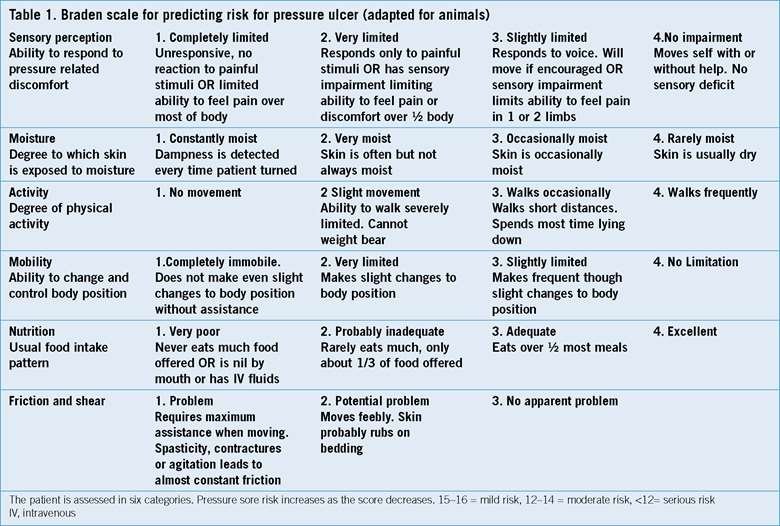
Pressure ulcers, also known as bedsores or pressure sores, are a common health issue, particularly in individuals who are immobile or have limited mobility. These painful and potentially dangerous skin lesions can develop when the skin and underlying tissues are subjected to prolonged pressure, resulting in reduced blood flow and tissue damage. While pressure ulcers can affect anyone, there are certain risk factors that increase the likelihood of their occurrence.

Immobility
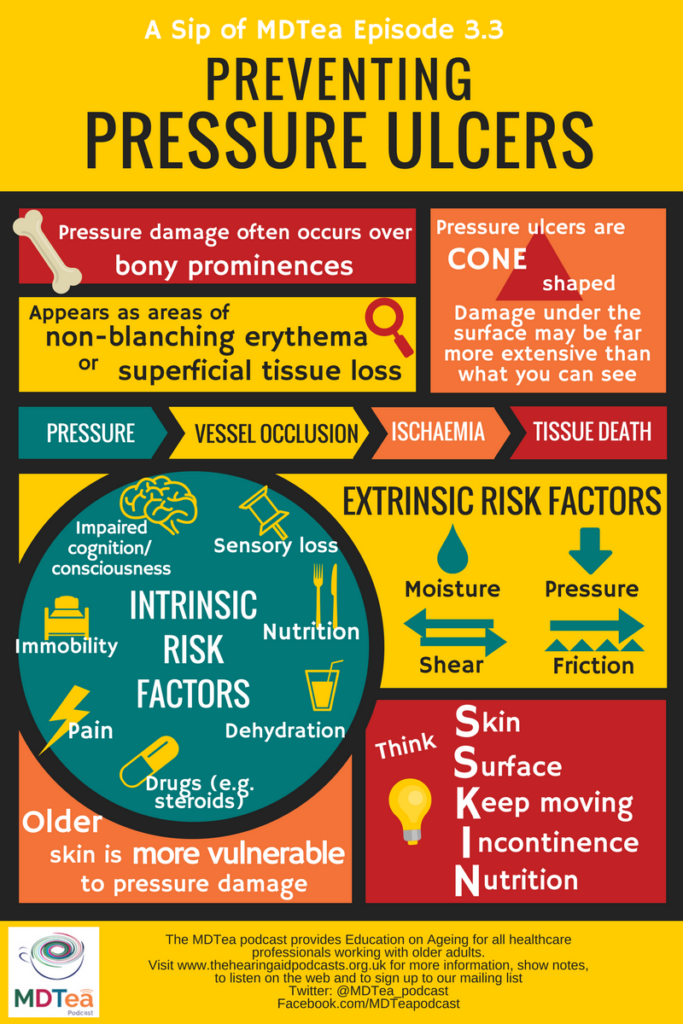
Immobilization is one of the leading risk factors for pressure ulcers. Individuals who are confined to bed or a wheelchair for extended periods may experience constant pressure on certain parts of their bodies, such as the bony areas like the hips, heels, shoulders, and the back of the head. This pressure reduces blood flow to these areas, making them more susceptible to skin breakdown.
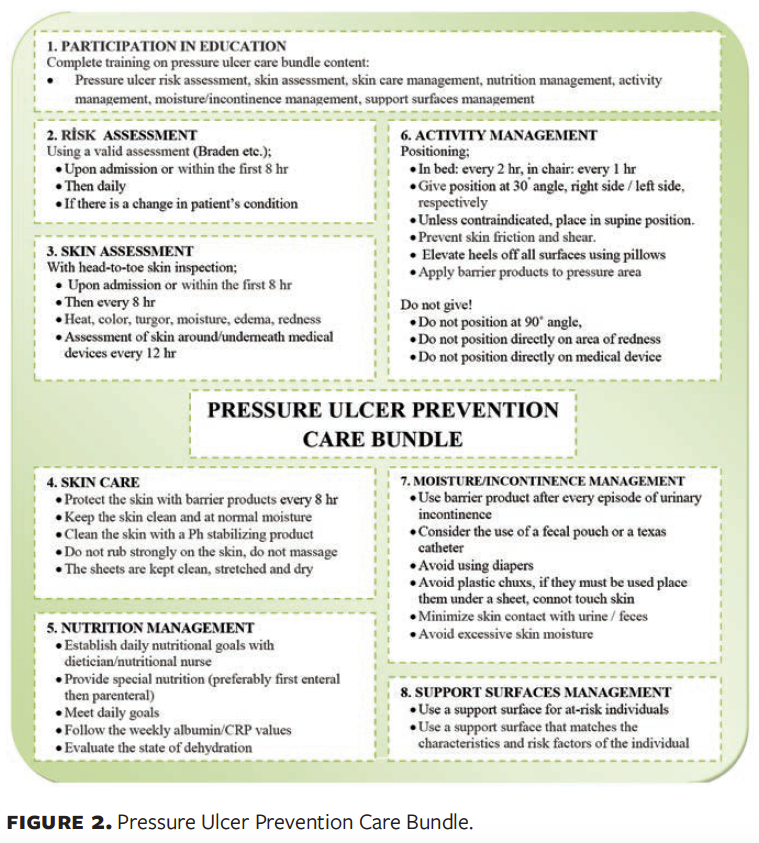
To prevent pressure ulcers in immobile individuals, it is crucial to incorporate strategies that promote movement and repositioning. Regular repositioning, ideally every two hours, helps to relieve pressure on specific areas and distribute it evenly across the body. Using assistive devices such as cushions, pillows, or specialized mattresses can also provide support and relieve pressure points.
Incontinence
Incontinence, or the inability to control bladder or bowel movements, poses a significant risk factor for developing pressure ulcers. When the skin comes in contact with urine or feces for extended periods, it becomes vulnerable to breakdown and infection. Additionally, the moisture from incontinence can compromise the skin’s integrity and exacerbate the development of pressure ulcers.
Managing incontinence effectively is crucial in preventing pressure ulcers in individuals who experience this condition. This includes timely and proper cleaning of the affected areas, using gentle cleansers and moisturizers to maintain the skin’s moisture balance, and using absorbent products such as adult diapers or pads to keep the skin dry.
Malnutrition
Malnutrition, characterized by a lack of essential nutrients and inadequate caloric intake, can contribute to the development of pressure ulcers. When the body does not receive proper nutrition, the skin’s ability to repair and regenerate is compromised, making it more susceptible to damage and breakdown. Malnourished individuals may also have weakened immune systems, further increasing the risk of infection in pressure ulcer wounds.
Improving nutrition is crucial in preventing pressure ulcers. This involves ensuring an adequate intake of proteins, vitamins, and minerals necessary for skin health and wound healing. A balanced diet with foods rich in lean proteins, fruits, vegetables, and whole grains should be encouraged. It is also important to address any underlying medical conditions that may contribute to malnutrition, such as gastrointestinal disorders or poor appetite.
Poor Circulation
People with compromised circulation are at a higher risk of developing pressure ulcers. Conditions such as peripheral vascular disease, diabetes, or atherosclerosis can impair blood flow to specific areas of the body, leading to inadequate oxygen and nutrient supply to the skin and tissues. Without sufficient blood flow, the skin becomes more susceptible to damage and delayed healing.
Maintaining optimal circulation is essential in preventing pressure ulcers. Encouraging regular physical activity, as tolerated, can help improve blood flow to the skin and reduce the risk of ulcers. Avoiding prolonged pressure on areas with compromised circulation, such as the lower extremities in individuals with diabetes, is also crucial. Using support surfaces, such as pressure-reducing mattresses or cushions, can help dissipate pressure and improve blood flow to at-risk areas.

Friction and Shear
Friction and shear forces can contribute to the development of pressure ulcers, especially in individuals with limited mobility. Friction occurs when the skin rubs against another surface, while shear occurs when two surfaces move in opposite directions. Both of these forces can cause damage to the skin’s outer layer and its underlying tissues, increasing the risk of pressure ulcers.
To reduce friction and shear forces, it is important to use proper lifting and transferring techniques. This involves avoiding dragging or pulling the body across surfaces but instead using gentle, smooth movements. The use of transfer aids, such as sliding sheets or transfer boards, can help reduce friction and shear during moving and repositioning.
Advanced Age
As individuals age, their skin becomes thinner, more fragile, and less elastic, making them more susceptible to pressure ulcers. The risk of pressure ulcer development increases significantly with advanced age, particularly in elderly individuals who may have multiple comorbidities or decreased mobility. Additionally, sensory changes and cognitive impairments can make it difficult for older adults to recognize or communicate discomfort or pressure-related pain.
Special considerations need to be taken into account when caring for elderly individuals to prevent pressure ulcers. Regular skin assessments should be conducted to identify any signs of skin breakdown or pressure-related injuries promptly. Caregivers should ensure that the older adult maintains good personal hygiene, including regular bathing and moisturizing to keep the skin clean and hydrated. Adequate support surfaces that redistribute pressure and promote blood flow should be used to minimize the risk of pressure ulcers in the elderly.
Obesity
Obesity is a significant risk factor for pressure ulcer development. The excess weight puts increased pressure and strain on the skin and underlying tissues, particularly in bony areas such as the hips, buttocks, and sacrum. The increased pressure, coupled with reduced blood flow due to compressed blood vessels, can lead to tissue damage and pressure ulcer formation.
Preventing pressure ulcers in obese individuals involves strategies that address the unique challenges they face. Regular repositioning of the body, using support surfaces with appropriate weight limits, and promoting good hygiene practices are critical in preventing pressure ulcers. Maintaining good skin health through moisturizing and keeping the skin clean and dry is essential in preventing skin breakdown.
Diabetes
People with diabetes are at an increased risk of developing pressure ulcers due to the effects of the disease on circulation and wound healing. Diabetes can cause peripheral neuropathy, a condition that reduces sensation in the feet and hands, making it difficult to detect pressure-related injuries. Additionally, diabetes can impair blood flow and delay wound healing, increasing the risk of complications from pressure ulcers.
For individuals with diabetes, it is crucial to monitor their skin regularly for signs of pressure ulcers, particularly in the lower extremities. Maintaining good blood glucose control through diet, medication, and regular exercise can help improve circulation and wound healing. It is also important to address any foot deformities or conditions that may increase the risk of pressure ulcers, such as corns, calluses, or foot ulcers.
Smoking
Smoking has a detrimental effect on the body’s ability to deliver oxygen and nutrients to the skin, making smokers more susceptible to pressure ulcers. Nicotine and other chemicals in cigarettes constrict blood vessels, reducing blood flow to the skin and impairing its ability to heal. Smoking also weakens the immune system, making it more difficult for the body to fight off infection in pressure ulcer wounds.
Quitting smoking is crucial in preventing pressure ulcers and promoting overall skin health. Smokers should be encouraged to seek support and resources to quit smoking, such as nicotine replacement therapy or counseling services. By quitting smoking, individuals can improve their circulation and enhance their body’s ability to heal and prevent pressure ulcers.
Mental Status Changes
Individuals with altered mental status, such as those with dementia or delirium, are at an increased risk of developing pressure ulcers. Changes in mental status can affect an individual’s ability to understand and communicate their discomfort or pressure-related pain. They may be unaware of the need to reposition themselves, leading to prolonged pressure on certain areas.
Preventing pressure ulcers in individuals with cognitive impairment requires regular monitoring and supervision. Caregivers should have a thorough understanding of the individual’s medical history and assess their risk of developing pressure ulcers. Regular repositioning and the use of support surfaces should be implemented to relieve pressure and minimize the risk of ulcers. Additionally, maintaining a clean and dry environment, addressing incontinence issues promptly, and ensuring proper nutrition and hydration are crucial in preventing pressure ulcers in this population.
In conclusion, pressure ulcers can be a serious and painful condition, but by understanding the various risk factors and implementing appropriate precautions, their occurrence can be minimized. Immobility, incontinence, malnutrition, poor circulation, friction and shear, advanced age, obesity, diabetes, smoking, and mental status changes all contribute to the risk of developing pressure ulcers. However, through regular repositioning, proper use of support surfaces, skin inspection and care, managing incontinence, improving nutrition, promoting movement and activity, maintaining optimal circulation, monitoring friction and shear, avoiding excessive pressure, and addressing risk factors, pressure ulcers can be prevented. By implementing these precautions and promoting awareness, we can ensure better skin health and improve the quality of life for individuals at risk of pressure ulcers.