
Quadriplegia, a condition that results in paralysis of all four limbs, can be life-altering for those affected. In this article, we will explore the risk factors that contribute to quadriplegia and the precautions that can be taken to minimize the chances of suffering from this debilitating condition. By understanding these factors and implementing preventive measures, you can safeguard yourself and your loved ones from the potential dangers associated with quadriplegia.
What is Quadriplegia?
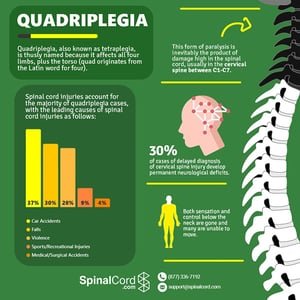
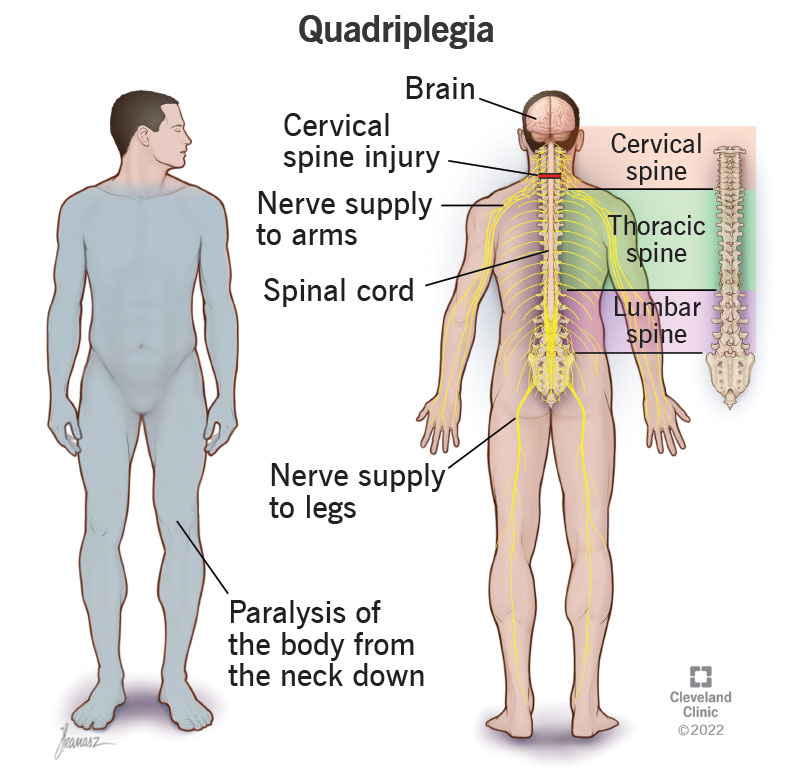
Quadriplegia, also known as tetraplegia, is a condition that affects voluntary movement and sensation in all four limbs, as well as the torso. It occurs when there is damage to the spinal cord in the cervical region, which is the uppermost part of the spine. People with quadriplegia often experience paralysis and loss of sensation below the level of their injury. This condition can have a significant impact on a person’s daily life and independence.
Causes
There are various causes of quadriplegia, the most common being a spinal cord injury. Such injuries can result from accidents, such as falls, motor vehicle collisions, or sports-related incidents. Other causes of quadriplegia include certain health conditions such as multiple sclerosis, ALS (amyotrophic lateral sclerosis), or spinal cord tumors. Additionally, birth injuries, such as trauma during childbirth, can also lead to quadriplegia in some cases.

Symptoms
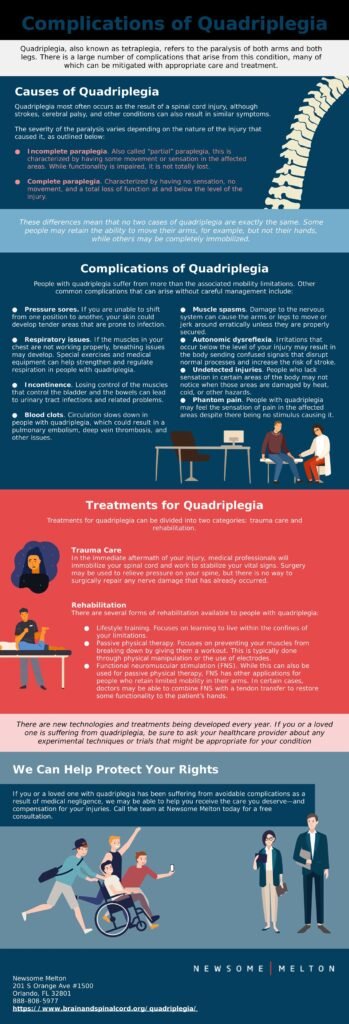
The symptoms of quadriplegia can vary depending on the severity and location of the spinal cord injury. Common symptoms include muscle weakness or paralysis in all four limbs, loss of sensation, difficulty breathing, impaired bladder and bowel control, and decreased sexual function. Quadriplegia can also lead to complications such as muscle spasticity, chronic pain, and pressure ulcers.
Risk Factors for Quadriplegia
Several risk factors can increase the likelihood of developing quadriplegia. By identifying and understanding these risk factors, you can take the necessary precautions to reduce your chances of experiencing this life-altering condition.
Spinal Cord Injury
One of the primary risk factors for quadriplegia is a spinal cord injury. Any activities or accidents that involve trauma to the neck or upper back can potentially cause a spinal cord injury and result in quadriplegia. It is crucial to be mindful of your surroundings and take safety precautions when engaging in activities that could pose a risk.
Age
Age can also be a contributing factor to the development of quadriplegia. Older individuals may be more susceptible to falls and other accidents that can lead to spinal cord injuries. Additionally, aging can increase the risk of certain health conditions that may cause quadriplegia, such as degenerative disc disease or spinal stenosis.
Gender
Gender can play a role in the risk of quadriplegia as well. Men are more likely than women to engage in high-risk activities that can lead to spinal cord injuries. This includes activities like extreme sports, reckless driving, and physical altercations. Therefore, it is crucial for both men and women to be aware of the potential risks associated with certain activities and take appropriate precautions.
Genetic Factors
In some cases, there may be genetic factors that contribute to the development of quadriplegia. Certain genetic disorders or conditions can increase the likelihood of sustaining a spinal cord injury or developing other health conditions that may lead to quadriplegia. If you have a family history of such conditions, it is important to consult with a healthcare professional and consider genetic counseling.
Health Conditions
Certain pre-existing health conditions can increase the risk of developing quadriplegia. Conditions such as osteoporosis, which weakens the bones, or disorders affecting connective tissues can make the spine more vulnerable to injury. It is important to manage any underlying health conditions and take necessary precautions to prevent spinal cord injuries.
Precautions to Prevent Quadriplegia
While it may not always be possible to prevent quadriplegia, there are several precautions individuals can take to reduce the risk of sustaining a spinal cord injury or managing existing health conditions that could lead to quadriplegia.
Take Safety Measures
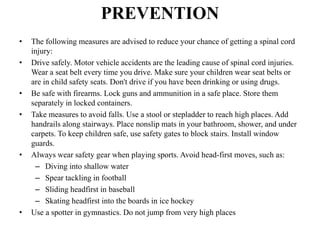
Adopting safety measures in your daily life can significantly reduce the risk of sustaining spinal cord injuries. This includes wearing seatbelts while driving or riding in a vehicle, using child safety seats to protect infants and young children, and following safety guidelines in sports and recreational activities. It is crucial to understand the risks associated with specific activities and take appropriate safety precautions.
Avoid High-risk Activities
Participating in high-risk activities can increase the chances of sustaining a spinal cord injury. Activities such as extreme sports, reckless driving, and physical altercations should be avoided or approached with caution. It is important to assess the potential risks involved and make informed decisions to protect yourself from potential harm.
Maintain Good Posture
Maintaining good posture is essential for spinal health. Poor posture can place unnecessary stress on the spine and increase the risk of spinal cord injuries. Be mindful of your posture while sitting, standing, and lifting heavy objects. Practice proper ergonomics in your daily activities and seek guidance from healthcare professionals or physical therapists if needed.
Exercise Regularly
Regular exercise is not only beneficial for overall health but can also contribute to preventing quadriplegia. Strengthening the muscles and maintaining flexibility can improve balance and stability, reducing the risk of falls and related injuries. Engage in exercises that focus on core strength and balance, such as yoga or pilates, under the guidance of a qualified instructor.
Avoid Smoking and Alcohol
Smoking and excessive alcohol consumption can have detrimental effects on overall health, including increasing the risk of quadriplegia. These habits can impair coordination, balance, and judgment, making individuals more prone to accidents and injuries. Quitting smoking and moderating alcohol consumption can significantly lower the risk of spinal cord injuries and other health conditions.
Preventing Spinal Cord Injury
Taking preventative measures to avoid spinal cord injuries is crucial in preventing quadriplegia. By following safety guidelines and adopting healthy habits, you can reduce the likelihood of sustaining a spinal cord injury.
Wearing Seatbelts
Wearing seatbelts in vehicles is one of the most effective ways to prevent spinal cord injuries in accidents. Ensure that seatbelts are properly fastened, and that all passengers in the vehicle are using them, including children who should be secured in appropriate child safety seats.
Using Child Safety Seats
When traveling with young children, it is imperative to use appropriate child safety seats. Ensure that the seat is securely installed and that the child is properly restrained according to their age and size. This will significantly reduce the risk of spinal cord injury in the event of a collision.
Practicing Safe Sports
Participating in sports and recreational activities can be enjoyable, but it is essential to follow safety guidelines to prevent spinal cord injuries. Use appropriate protective gear, such as helmets and padding, for activities like cycling, skateboarding, or contact sports. Avoid risky maneuvers or excessive physical contact that may increase the risk of injury.
Preventing Falls
Falls can be a common cause of spinal cord injuries, particularly among older adults. Take precautions to reduce the risk of falls by ensuring a well-lit and clutter-free living environment, using handrails on stairs, and installing grab bars in bathrooms. Regular exercise and maintaining good balance and strength can also help prevent falls.
Preventing Age-related Quadriplegia
As age can be a risk factor for quadriplegia, it is important to take steps to minimize the likelihood of developing this condition as you grow older.
Maintaining Bone Health
Maintaining bone health is crucial in preventing age-related quadriplegia. Adequate intake of calcium and vitamin D, along with weight-bearing exercises, can help maintain bone density and reduce the risk of fractures. Speak with a healthcare professional about appropriate supplementation and exercises to support your bone health.
Preventing Falls
Falls become more prevalent as individuals age, and they can often result in spinal cord injuries. To prevent falls, ensure that your living environment is free from hazards, use assistive devices if necessary, and consider conducting home safety assessments to identify potential risks. Regular exercise and balance training can also improve stability and reduce the risk of falling.
Regular Exercise and Physical Therapy
Engaging in regular exercise and physical therapy can have numerous benefits, including reducing the risk of quadriplegia as you age. These activities can help maintain muscle strength, flexibility, and overall mobility, improving balance and reducing the risk of falls or accidents.
Avoiding Accidents
Being cautious and aware of your surroundings is crucial in preventing age-related quadriplegia caused by accidents. Take extra care to ensure a safe living environment, especially if you have significant mobility limitations or pre-existing health conditions. Adhere to safety guidelines, use assistive devices if necessary, and make any necessary adaptations to your living space to minimize the risk of accidents.
Preventing Gender-related Quadriplegia
While anyone can develop quadriplegia, certain activities and risks may vary between genders. Taking preventive measures and raising awareness about potential risks can help minimize gender-related quadriplegia.
Promoting Gender Equality
Promoting gender equality and challenging societal norms that assign specific roles or expectations to different genders can contribute to preventing gender-related quadriplegia. By providing equal access to education, resources, and opportunities to all genders, we can empower individuals to make informed decisions and reduce their exposure to dangerous situations.
Avoiding Unsafe Environments
Both men and women should be mindful of their surroundings and avoid unsafe environments that may increase the risk of accidents or assaults. This includes areas with a high crime rate, poorly lit streets, or events where safety precautions are not adequately enforced. Trust your instincts and take appropriate measures to protect yourself.
Safe Driving Practices
Follow safe driving practices to reduce the risk of gender-related quadriplegia caused by motor vehicle accidents. Avoid reckless driving, excessive speeding, or driving under the influence of drugs or alcohol. Take defensive driving courses to improve your skills and remain vigilant on the road.
Preventing Genetic Factors-related Quadriplegia
While quadriplegia resulting from genetic factors may not always be preventable, there are steps individuals can take to minimize the associated risks.
Genetic Counseling
If you have a family history of genetic disorders or conditions that may increase the risk of quadriplegia, genetic counseling can provide valuable information and guidance. A genetic counselor can assess your risk factors, explain the likelihood of passing on certain conditions to your children, and provide options for testing or preventive measures.
Prenatal Testing and Screening
If you are considering starting a family and have concerns about genetic factors related to quadriplegia, prenatal testing and screening can provide valuable information. These tests can detect certain genetic disorders or conditions early in pregnancy, allowing you to make informed decisions about your future and potential interventions if necessary.
Avoiding Known Risk Factors
While it may not be feasible to avoid all known risk factors associated with genetic-related quadriplegia, taking precautions to minimize exposure to environmental factors that can exacerbate these conditions is essential. This can include avoiding exposure to toxic substances, reducing stress levels, and maintaining a healthy lifestyle to support overall well-being.
Preventing Quadriplegia in Individuals with Health Conditions
Individuals with pre-existing health conditions may be at higher risk of developing quadriplegia. Managing these conditions and taking necessary precautions can help minimize the likelihood of spinal cord injuries.
Managing Chronic Diseases
If you have a chronic disease or condition that may increase the risk of quadriplegia, it is essential to manage it effectively. Follow the recommended treatment regimens, seek regular medical check-ups, and stay informed about any potential risks or complications associated with your condition. Adhering to prescribed medications and lifestyle modifications can help prevent complications that may lead to quadriplegia.
Following Medical Advice
If you have a health condition that puts you at risk for quadriplegia, it is crucial to follow your healthcare professional’s advice and recommendations. This may include adhering to specific precautions, treatment plans, or lifestyle modifications to reduce the risk of spinal cord injuries. Regular communication with your healthcare team can help prevent or manage potential complications effectively.
Taking Necessary Precautions
Individuals with health conditions should take necessary precautions to minimize the risk of spinal cord injuries. This may involve modifying the environment to remove potential hazards, using assistive devices or mobility aids as needed, and seeking assistance when engaging in physically demanding activities. It is important to determine the appropriate precautions based on your specific health condition and consult with healthcare professionals when needed.
Preventing Secondary Complications of Quadriplegia
In addition to preventing quadriplegia itself, it is crucial to be aware of and take precautions to prevent secondary complications that may arise as a result of quadriplegia.
Preventing Pressure Ulcers
Individuals with quadriplegia may be prone to developing pressure ulcers, also known as bedsores. To prevent the formation of pressure ulcers, it is important to regularly shift positions, use pressure-relief cushions, and maintain good skin hygiene. Pay attention to areas of the body that are susceptible to pressure ulcers, such as the back, buttocks, and heels.
Ensuring Proper Nutrition
Proper nutrition plays a vital role in maintaining overall health and preventing complications in individuals with quadriplegia. A balanced diet that is rich in nutrients can help support immune function, promote healing, and prevent muscle wasting. It is important to consult with a registered dietitian to create a personalized meal plan that meets your specific nutritional needs.
Maintaining Good Hygiene
Maintaining good hygiene is essential for individuals with quadriplegia to prevent infections and other complications. Regular bathing or showering, meticulous mouth care, and keeping the skin clean and dry can help reduce the risk of infections. In addition, maintaining a clean living environment and regularly washing clothing and bedding can further minimize the risk of complications.
Managing Bowel and Bladder Function
Quadriplegia can affect bowel and bladder function, making it necessary to establish a regular routine for managing these bodily functions. This may involve techniques such as intermittent catheterization, bowel management programs, or the use of assistive devices. Consulting with healthcare professionals, such as urologists or gastroenterologists, can help develop an appropriate plan tailored to individual needs.
Managing Respiratory Issues
Some individuals with quadriplegia may experience respiratory issues, such as difficulty breathing or an increased risk of respiratory infections. Practicing good respiratory hygiene, maintaining a clean and dust-free living environment, and seeking medical attention promptly at the first signs of respiratory distress can help prevent complications and ensure timely intervention.
Conclusion
Quadriplegia is a life-altering condition that can have a significant impact on an individual’s physical, emotional, and social well-being. While not all cases of quadriplegia can be prevented, understanding the risk factors and taking appropriate precautions can help reduce the likelihood of sustaining a spinal cord injury or managing underlying health conditions associated with quadriplegia. By practicing safety measures, maintaining overall health, and being informed about potential risks, individuals can take steps towards preventing quadriplegia and promoting a healthier and more fulfilled life.