Tuberculosis is a highly contagious bacterial infection that has been a concern for centuries. In order to protect yourself and others, it is important to be aware of the risk factors and take necessary precautions. This article will explore the various factors that increase the likelihood of contracting tuberculosis as well as the precautions you can take to reduce your risk. By understanding these risk factors and implementing preventive measures, you can play an active role in keeping yourself and those around you safe from this infectious disease.

Risk Factors for Tuberculosis
Close Contact with an Infected Individual
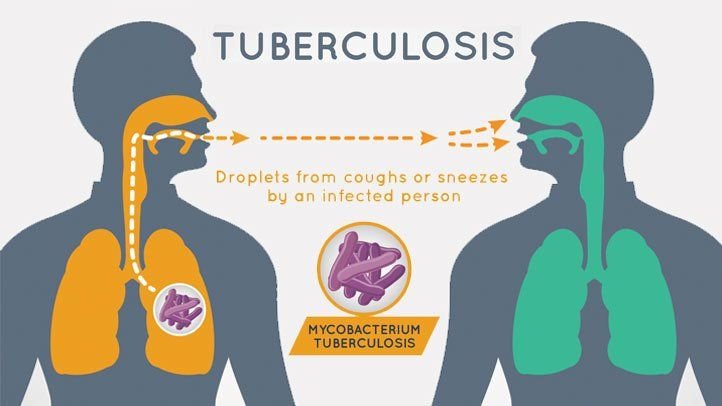
One of the primary risk factors for tuberculosis (TB) is close contact with an infected individual. TB is primarily spread through the air when someone with an active infection coughs, sneezes, or speaks. When you are in close proximity to an infected person, you inhale the bacteria, increasing your risk of contracting the disease. It is important to take precautions when interacting with someone diagnosed with TB, such as using masks and ensuring proper ventilation in shared spaces.
Weakened Immune System
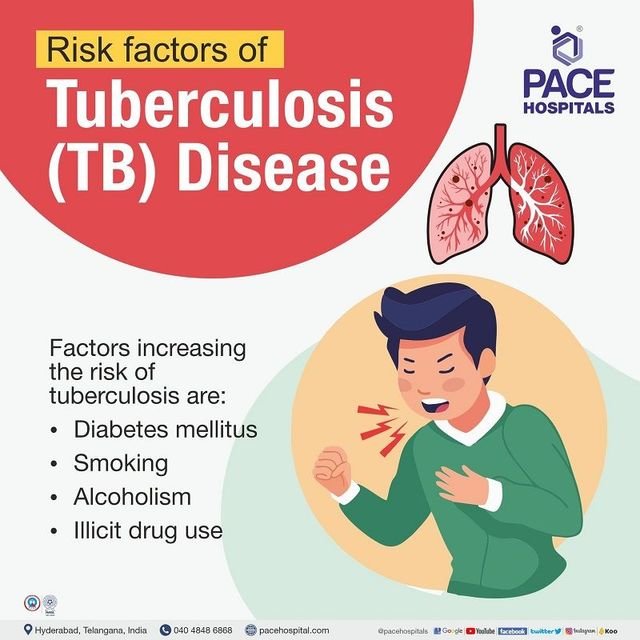
People with weakened immune systems are at a higher risk of developing tuberculosis. Conditions that can weaken the immune system include HIV/AIDS, certain cancers, diabetes, and certain medications, such as corticosteroids, that suppress the immune system. When the immune system is compromised, the body’s ability to fight off the bacteria that cause TB is reduced. It is crucial for individuals with weakened immune systems to take extra precautions to prevent TB, such as getting vaccinated and practicing good hygiene.
Living or Traveling in High-Risk Areas
Living or traveling in high-risk areas where TB is prevalent can significantly increase your chances of contracting the disease. In these areas, the likelihood of being exposed to TB bacteria is higher due to the presence of infected individuals and limited access to healthcare resources. High-risk areas include densely populated cities, overcrowded prisons or refugee camps, and regions with a high prevalence of HIV/AIDS. If you reside in or plan to visit such areas, it is important to be aware of the risks and take preventive measures.
Age
Age is also a contributing factor to the risk of tuberculosis. Infants and young children, as well as individuals over the age of 65, are more susceptible to severe forms of TB and complications. This is due to their developing or weakened immune systems, respectively. It is crucial to ensure that individuals within these age groups, especially those living in high-risk areas, are vaccinated, screened, and receive prompt medical attention if they show any symptoms or have been exposed to TB.
Healthcare Workers
Healthcare workers, including doctors, nurses, and laboratory staff, are at an increased risk of contracting tuberculosis due to their frequent exposure to patients with the disease. Direct contact with respiratory secretions, improper use of personal protective equipment, and inadequate infection control measures can all contribute to the transmission of TB in healthcare settings. It is essential for healthcare workers to follow strict infection control protocols, undergo regular screenings, and prioritize their own health to minimize the risk of acquiring TB.
Malnutrition
Malnutrition weakens the immune system, making individuals more susceptible to tuberculosis. A lack of proper nutrition hinders the body’s ability to fight off infections, including tuberculosis. Adequate intake of essential nutrients, vitamins, and minerals is crucial in maintaining a strong immune system. Ensuring a balanced diet with a focus on nutrient-rich foods is essential for preventing TB and other infections.
Substance Abuse
Substance abuse, particularly the misuse of drugs or alcohol, can significantly increase the risk of tuberculosis. Substance abuse weakens the immune system and impairs judgement, leading to risky behaviors such as sharing needles or engaging in unsafe sexual practices. These behaviors can facilitate the spread of TB. Seeking treatment for substance abuse, adopting healthier lifestyle choices, and practicing safe behaviors can help reduce the risk of contracting tuberculosis.
Smoking
Smoking tobacco significantly increases the risk of developing tuberculosis and worsens the prognosis for those who do contract the disease. Smoking damages the lungs and impairs the respiratory system’s ability to clear bacteria and other harmful substances, making it easier for TB bacteria to establish an infection. Quitting smoking is not only crucial for preventing TB but also for improving overall lung health.
Medical Conditions
Certain medical conditions can increase the risk of developing tuberculosis. Conditions such as diabetes, chronic kidney disease, and some cancers can weaken the immune system or alter lung function, making individuals more susceptible to TB. Managing these medical conditions effectively, seeking proper treatment, and maintaining regular medical check-ups are essential in reducing the risk of tuberculosis.
Crowded Living Conditions
Living in crowded and poorly ventilated environments can promote the spread of tuberculosis. Close and prolonged contact with infected individuals in cramped spaces increases the risk of bacteria transmission. Factors such as inadequate ventilation, lack of personal space, and suboptimal sanitation contribute to the spread of TB in overcrowded living conditions. Taking measures to improve ventilation, maintaining good personal hygiene, and seeking medical help at the earliest signs of infection are essential for preventing the spread of tuberculosis in crowded living environments.
Precautions to Prevent Tuberculosis
BCG Vaccination
The Bacillus Calmette-Guérin (BCG) vaccine is a widely used vaccine for tuberculosis prevention, especially in countries with a high prevalence of the disease. The BCG vaccine provides partial protection against severe forms of TB in children and can reduce the spread of TB in communities. It is important to consult with healthcare professionals to determine if the BCG vaccine is recommended for you or your child, as its effectiveness varies depending on factors such as age, location, and immune status.
Screening and Early Diagnosis
Regular screenings and early diagnosis play a crucial role in preventing the spread of tuberculosis. Individuals who are at a higher risk of contracting TB, such as those with weakened immune systems or living in high-risk areas, should undergo regular screenings to detect the infection at an early stage. Early diagnosis allows for prompt initiation of treatment, reducing the chances of transmission and preventing the development of severe forms of the disease.
Proper Ventilation
Proper ventilation is essential in preventing the spread of tuberculosis in various settings, including households, healthcare facilities, and public places. Good ventilation helps to dilute and remove infected air, reducing the concentration of bacteria and minimizing the risk of transmission. Ensuring adequate airflow, using exhaust fans, and opening windows can all contribute to improving ventilation and reducing the chances of TB transmission.
Isolation and Quarantine
Isolation and quarantine measures are crucial for containing the spread of tuberculosis, especially in healthcare settings and communities. Isolating infected individuals in well-ventilated rooms with negative pressure and ensuring proper infection control measures can significantly reduce the risk of transmission. Quarantining individuals who have been exposed to TB but have not yet developed the disease helps to prevent further spread while monitoring for any signs of infection.
Good Hygiene Practices
Practicing good hygiene is vital in preventing the transmission of tuberculosis. Proper handwashing with soap and water, covering the mouth and nose when coughing or sneezing, and using tissues or elbows to cover the mouth can all help reduce the spread of TB bacteria. Encouraging and educating individuals on the importance of these hygiene practices can contribute to preventing not only TB but also various other respiratory infections.
Infection Control Measures
Implementing effective infection control measures is necessary in healthcare facilities, workplaces, and other communal environments to prevent the spread of tuberculosis. Measures such as proper use of personal protective equipment, regular disinfection of surfaces, and stringent adherence to infection control protocols can significantly reduce the risk of transmission. Training healthcare workers and raising awareness among individuals in these settings is essential in ensuring effective infection control.
Nutritional Support
Proper nutrition plays a crucial role in preventing and treating tuberculosis. A well-balanced diet rich in essential nutrients, vitamins, and minerals strengthens the immune system, making the body more resistant to TB infection. Individuals diagnosed with TB should receive nutritional support, including a diet tailored to their needs, to promote optimal recovery and reduce the risk of complications.
Drug Therapy
Drug therapy is the primary treatment for tuberculosis and should be initiated promptly upon diagnosis. Various medications are available to effectively treat TB, with treatment typically consisting of a combination of antibiotics taken for several months. Adhering to the prescribed drug regimen for the full duration is crucial to prevent treatment failure and the development of drug-resistant strains of the bacteria. It is essential to closely follow the advice of healthcare professionals and complete the entire course of medication.
Smoking Cessation Programs
Smoking cessation programs play a significant role in preventing tuberculosis by reducing the risk associated with smoking. Quitting smoking improves lung health, reduces the risk of respiratory infections, and enhances the body’s immune response, making it more resilient against TB. Engaging in smoking cessation programs, seeking support from healthcare professionals, and adopting healthier habits can effectively reduce the risk of developing tuberculosis.
Reducing Stress
High levels of stress can weaken the immune system, making individuals more susceptible to infections, including tuberculosis. It is important to find healthy ways to manage stress, such as engaging in regular exercise, practicing relaxation techniques, and seeking support from loved ones or professionals. By reducing stress levels, individuals can strengthen their immune system and minimize the risk of developing tuberculosis.
In conclusion, understanding the risk factors associated with tuberculosis and adopting appropriate precautions are vital in preventing the spread of the disease. Close contact with infected individuals, weakened immune systems, and living or traveling in high-risk areas are all significant risk factors. BCG vaccination, regular screenings, proper ventilation, and good hygiene practices are among the key precautions that can be taken to minimize the risk of contracting tuberculosis. By prioritizing preventive measures and seeking prompt medical attention when necessary, individuals can protect themselves and their communities from the devastating effects of tuberculosis.