
Living with Rheumatoid Arthritis (RA) can be challenging, but understanding the risk factors and taking necessary precautions can make a significant difference in managing the condition. This article sheds light on the various risk factors associated with RA, such as genetic predisposition, smoking, and certain infections. Additionally, it explores the precautions one can take to reduce the likelihood of developing RA or to minimize its impact, including regular exercise, maintaining a healthy weight, and seeking prompt medical attention. By arming yourself with knowledge and taking proactive measures, you can empower yourself to live a fulfilling life despite the challenges posed by Rheumatoid Arthritis.

Risk Factors for Rheumatoid Arthritis
Rheumatoid arthritis (RA) is a chronic inflammatory disease that mainly affects the joints. It can cause pain, swelling, stiffness, and loss of function in the affected joints. While the exact cause of RA is still unknown, there are several risk factors that have been identified. Understanding these risk factors can help individuals take necessary precautions to prevent or manage RA.
Genetics
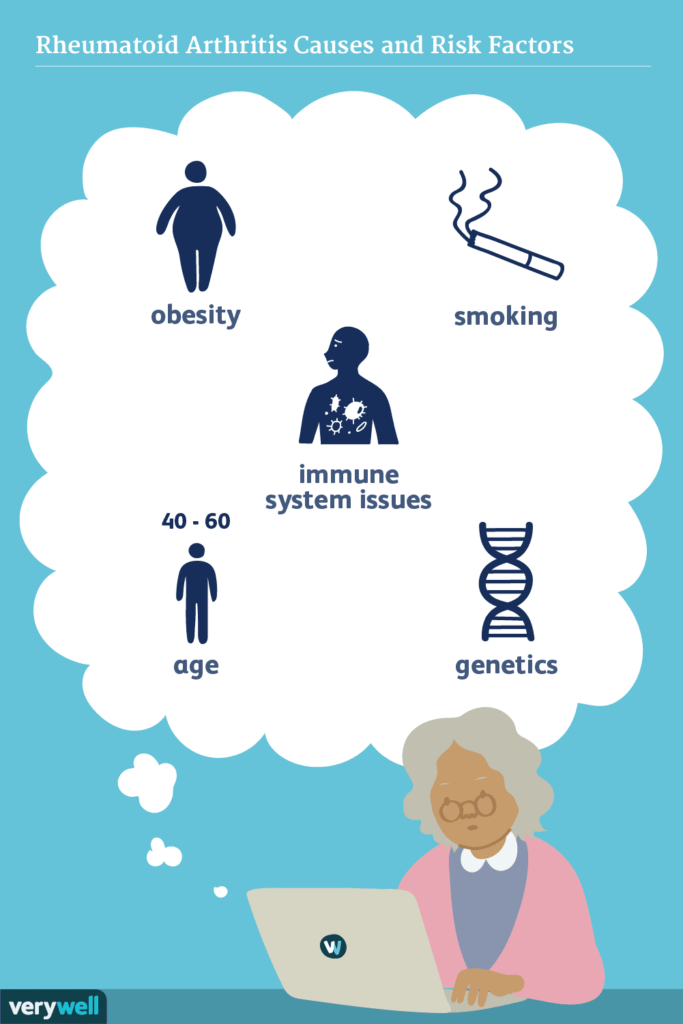
Genetics play a major role in the development of rheumatoid arthritis. If you have a family history of RA, your risk of developing the condition is significantly increased. Certain genes, such as the HLA-DRB1 gene, have been found to be associated with an increased risk of RA. However, it is important to note that having these genetic factors does not necessarily mean that you will develop the disease. It only increases your susceptibility to it.
Gender
RA affects women more frequently than men. In fact, women are three times more likely to develop RA compared to men. The reasons for this gender disparity are not fully understood, but hormonal factors and differences in immune response may play a role. Women often experience RA symptoms during their childbearing years, which further suggests a hormonal connection.
Age
Age is another important risk factor for the development of RA. While the disease can occur at any age, it most commonly affects individuals between the ages of 30 and 60. The risk of developing RA increases with age, with the highest incidence seen in individuals over the age of 60.
Smoking
Smoking is a well-established risk factor for the development of RA. It not only increases the risk of developing the disease but also worsens its severity. Active smoking, as well as exposure to secondhand smoke (passive smoking), have been associated with an increased risk of RA. The harmful substances in tobacco smoke can trigger an abnormal immune response and lead to inflammation, which is a characteristic feature of RA.
Environmental Factors
In addition to genetics and lifestyle factors, environmental factors may also play a significant role in the development of RA. Infections, particularly certain bacterial and viral infections, have been linked to an increased risk of developing the disease. Exposure to environmental toxins, such as silica dust, has also been associated with an increased risk of RA. Silica dust is commonly found in certain occupations, such as mining and construction, and prolonged exposure to it can contribute to the development of RA.
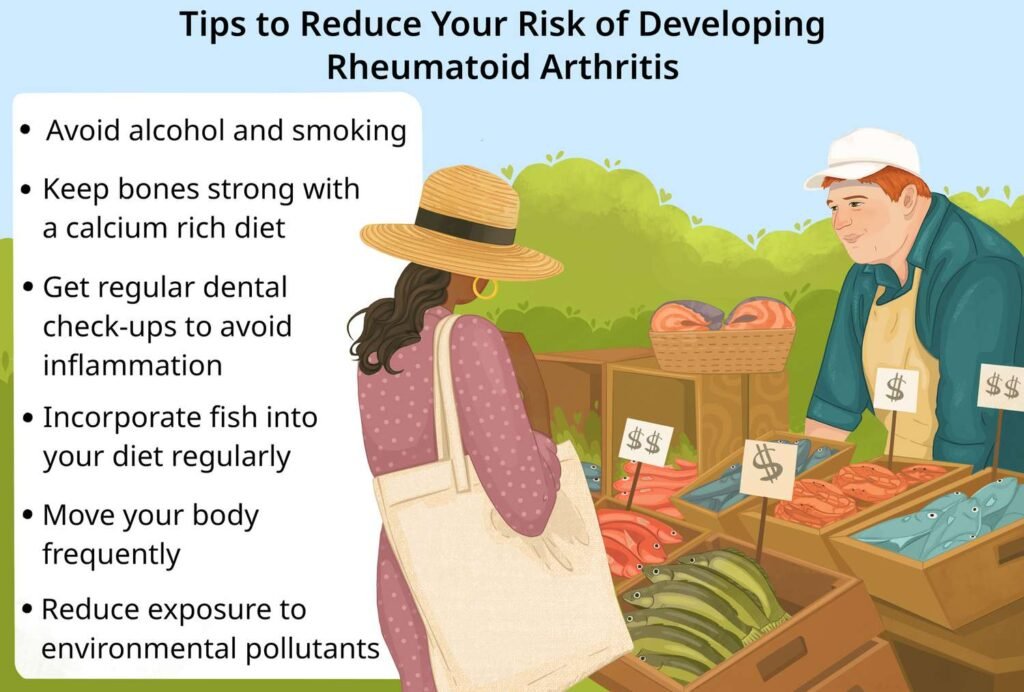
Precautions for Rheumatoid Arthritis
While it may not be possible to completely prevent the development of rheumatoid arthritis, there are several precautions that can be taken to reduce the risk or manage the symptoms effectively.
Regular Exercise
Regular exercise is essential for maintaining joint health and flexibility. It can also help reduce pain and stiffness associated with rheumatoid arthritis. Low-impact exercises, such as walking, swimming, and cycling, are generally recommended for individuals with RA. These exercises do not put excessive stress on the joints and can help improve muscle strength and endurance. It is important to consult with a healthcare professional or a physical therapist to develop an exercise plan that is safe and suitable for your specific needs.
Balanced Diet
A balanced diet is crucial for overall health and plays a significant role in managing rheumatoid arthritis. Including anti-inflammatory foods in your diet can help reduce inflammation and alleviate symptoms. Foods rich in omega-3 fatty acids, such as fatty fish (salmon, mackerel, and sardines), walnuts, and flaxseeds, have been shown to have anti-inflammatory properties. Additionally, incorporating foods high in vitamin D and calcium, such as dairy products, leafy green vegetables, and fortified cereals, can promote bone health. Maintaining a healthy weight is also important for individuals with RA, as excess weight can put additional strain on the joints.
Avoidance of Smoking
As previously mentioned, smoking is a significant risk factor for the development and progression of RA. Therefore, it is crucial to avoid smoking and minimize exposure to secondhand smoke. Quitting smoking can not only reduce the risk of developing RA but can also improve the effectiveness of treatment and overall prognosis for individuals already diagnosed with the disease. There are various resources available, such as counseling services and nicotine replacement therapies, to support individuals in their journey to quit smoking.
Proper Rest and Sleep
Resting and getting adequate sleep are essential for managing the symptoms of RA. Fatigue is a common symptom experienced by individuals with RA, and proper rest can help alleviate this symptom. It is important to listen to your body and take breaks when needed. Creating a relaxing sleep environment and following a regular sleep schedule can also contribute to better overall health and a reduction in RA symptoms.
Stress Management
Stress has been found to exacerbate the symptoms of rheumatoid arthritis. Therefore, finding effective ways to manage stress is crucial for individuals with RA. Engaging in relaxation techniques, such as deep breathing exercises, meditation, and yoga, can help reduce stress levels. Seeking counseling or therapy can provide valuable support and guidance in coping with the emotional impact of living with a chronic disease. Building and maintaining supportive relationships with friends, family, or support groups can also contribute to improved emotional well-being.

Regular Exercise
Regular exercise plays a vital role in managing rheumatoid arthritis and maintaining joint mobility. There are various types of exercises that can be beneficial for individuals with RA.
Types of Exercise
Low-impact exercises, such as walking, swimming, and cycling, are generally recommended for individuals with RA. These exercises are gentle on the joints and can help improve cardiovascular fitness, muscle strength, and flexibility. Strength training exercises, using light weights or resistance bands, can help build muscle strength and support joint stability. Flexibility exercises, such as stretching and yoga, can help improve joint range of motion and reduce stiffness.
Frequency and Duration
The frequency and duration of exercise will depend on the individual’s overall health, physical abilities, and preferences. It is advisable to start slowly and gradually increase the intensity and duration of the exercises. Aim for at least 150 minutes of moderate-intensity aerobic activity, such as brisk walking or swimming, per week. Additionally, incorporating strength training exercises two to three times a week can provide added benefits. Listening to your body and not overexerting yourself is crucial to prevent injury and manage RA symptoms effectively.
Joint Protection
When engaging in exercise, it is important to take measures to protect your joints. Use proper joint protection techniques, such as using braces or splints during activities that put stress on the joints. Avoid high-impact activities or exercises that may cause excessive strain or joint trauma. If you experience pain or discomfort during or after exercise, it is important to modify or discontinue the activity and consult with a healthcare professional.
Balanced Diet
A healthy and balanced diet is essential for overall well-being and can play a significant role in managing rheumatoid arthritis.
Anti-inflammatory Foods
Including anti-inflammatory foods in your diet can help reduce inflammation and alleviate RA symptoms. Foods rich in antioxidants, such as fruits and vegetables, can help protect against damage caused by inflammation. Whole grains, such as oats, brown rice, and quinoa, provide essential nutrients and fiber. Legumes, such as beans and lentils, are an excellent source of plant-based protein and can be beneficial for individuals with RA.
Omega-3 Fatty Acids
Omega-3 fatty acids have been found to have anti-inflammatory properties and may help reduce joint pain and stiffness in individuals with RA. Fatty fish, such as salmon, mackerel, and sardines, are excellent sources of omega-3 fatty acids. If you do not consume fish, you can consider adding walnuts, flaxseeds, and chia seeds to your diet as plant-based sources of omega-3 fatty acids.
Vitamin D and Calcium
Maintaining adequate levels of vitamin D and calcium is important for individuals with rheumatoid arthritis. Vitamin D helps the body absorb calcium and promotes bone health. Including foods rich in vitamin D, such as fatty fish, fortified dairy products, and egg yolks, can help meet your vitamin D requirements. Calcium-rich foods, such as low-fat dairy products, leafy green vegetables, and fortified cereals, can help support bone health and prevent osteoporosis, which is more common in individuals with RA.
Weight Management
Maintaining a healthy weight is crucial for individuals with rheumatoid arthritis. Excess weight puts additional stress on the joints, causing more discomfort and worsening the symptoms of RA. Including a variety of nutritious foods and practicing portion control can help in maintaining a healthy weight. If necessary, consulting with a registered dietitian can provide personalized guidance and support for weight management.

Stress Management
Effective stress management is essential for individuals with rheumatoid arthritis as stress has been shown to exacerbate symptoms and decrease overall well-being.
Relaxation Techniques
Engaging in relaxation techniques can help reduce stress and promote a sense of calm and relaxation. Deep breathing exercises, meditation, and progressive muscle relaxation are examples of relaxation techniques that can be practiced regularly. These techniques can help lower stress hormone levels, reduce muscle tension, and promote a state of relaxation.
Counseling or Therapy
Living with a chronic disease like rheumatoid arthritis can be emotionally challenging. Seeking counseling or therapy can provide valuable support and guidance in managing the emotional impact of living with RA. A mental health professional can help individuals develop effective coping strategies, address any emotional difficulties, and improve overall well-being.
Supportive Relationships
Building and maintaining supportive relationships with friends, family, or support groups can be invaluable for individuals with rheumatoid arthritis. Having a strong support network can provide emotional support, understanding, and encouragement. Support groups, whether in-person or online, can provide an opportunity to connect with others who are experiencing similar challenges and share experiences and coping strategies.
In conclusion, understanding the risk factors for rheumatoid arthritis can help individuals take necessary precautions to prevent or manage the disease effectively. Genetic factors, gender, age, smoking, and environmental factors all contribute to the risk of developing RA. Taking precautions such as regular exercise, maintaining a balanced diet, avoiding smoking, getting proper rest and sleep, and effectively managing stress can help individuals reduce the risk of RA or manage its symptoms. It is important to consult with healthcare professionals for personalized advice and guidance in implementing these precautions and managing rheumatoid arthritis effectively.