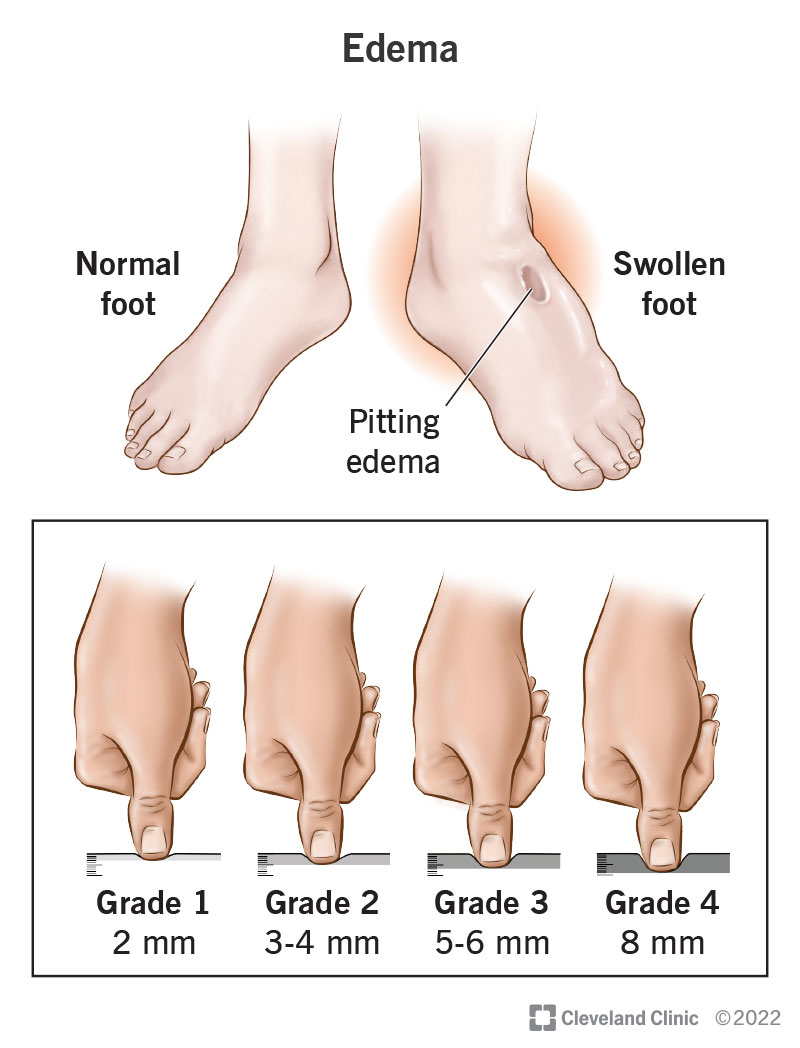
Have you ever experienced the discomfort of swollen feet or ankles? It can be a frustrating and bothersome condition that affects many individuals. In this article, we will explore the various risk factors that contribute to swollen feet or ankles and provide you with some essential precautions to prevent and manage this common issue. Whether it’s due to prolonged sitting, pregnancy, or an underlying medical condition, understanding the causes and taking preventative measures can help you keep your feet happy and healthy. So let’s dive in and discover how to keep swelling at bay!
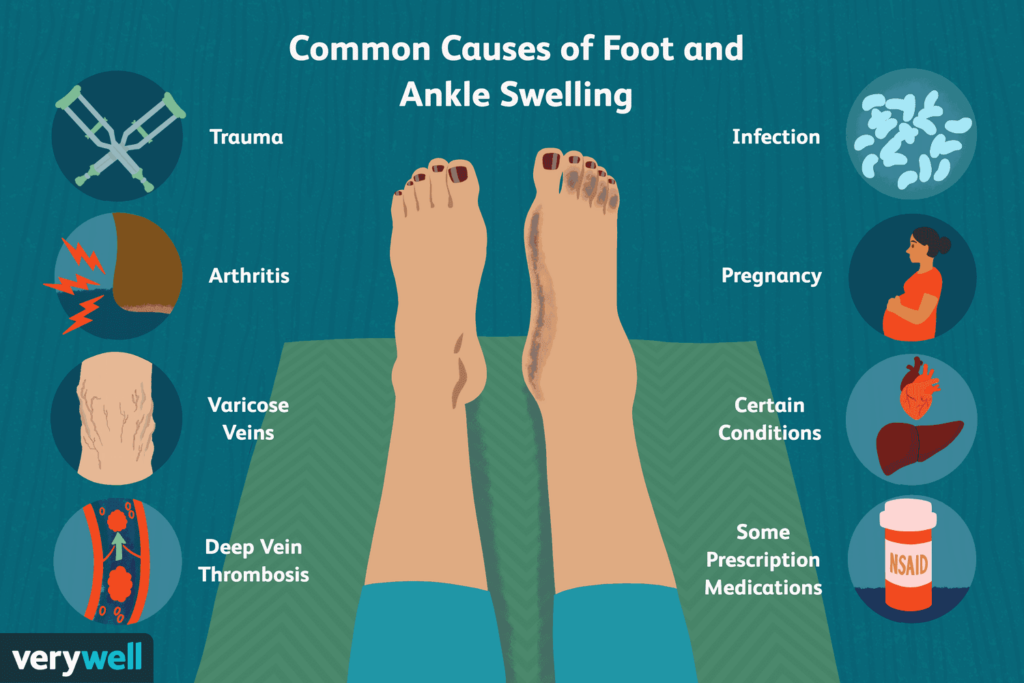
Risk Factors
Obesity
Obesity is a prominent risk factor for developing swollen feet or ankles. When you carry excess weight, it puts additional pressure on your legs and feet, making it harder for the blood to circulate properly. This can lead to fluid retention and swelling, known as edema. To minimize the risk, it is crucial to maintain a healthy weight through a balanced diet and regular exercise.
Pregnancy
During pregnancy, many women experience swelling in their feet and ankles, especially during the later stages. This is mainly due to the increased blood volume and pressure as well as hormonal changes. To alleviate discomfort and reduce swelling, it is advisable to rest with your legs elevated, wear comfortable footwear, and stay hydrated.
Sitting or standing for long periods
If your job or lifestyle requires you to sit or stand for extended periods, it can contribute to swollen feet or ankles. Sitting or standing for long durations can inhibit proper blood flow and lead to fluid accumulation in the lower extremities. Taking breaks to stretch your legs, doing simple exercises, and elevating your feet when possible can help alleviate swelling.
Age
As we age, the risk of developing swollen feet or ankles increases. Our blood vessels become less elastic, making it harder for blood to circulate efficiently. Additionally, older individuals may have underlying medical conditions or take medications that can contribute to fluid retention. Regular exercise, maintaining a healthy weight, and managing any existing medical conditions can help reduce the risk.
Injury or trauma
Any injury or trauma to your feet or ankles, such as sprains or fractures, can lead to swelling. Inflammatory responses occur as the body tries to heal and protect the injured area. Following proper treatment protocols, such as rest, ice, compression, and elevation (RICE), can help minimize swelling and promote healing.
Certain medications
Certain medications, such as nonsteroidal anti-inflammatory drugs (NSAIDs), calcium channel blockers, and hormone replacement therapy, can cause fluid retention and lead to swollen feet or ankles as a side effect. If you are taking any medications and notice swelling, consult with your healthcare provider for possible alternatives or adjustments.
Medical conditions
Various medical conditions can contribute to swollen feet or ankles. Conditions such as venous insufficiency, deep vein thrombosis (DVT), heart failure, kidney disease, and liver disease can cause fluid retention and hinder proper blood circulation. It is essential to work closely with your healthcare provider to manage these conditions effectively and minimize swelling.
Salt and sodium intake
A high intake of salt and sodium in your diet can lead to water retention in the body, including the feet or ankles. Excess salt can increase blood pressure and fluid accumulation. To reduce the risk of swelling, it is advisable to limit your salt intake and choose healthier alternatives to season your food, such as herbs and spices.
Hot weather or high temperatures
Hot weather and high temperatures can cause blood vessels to dilate, leading to fluid leakage and swelling. Additionally, excessive heat can cause dehydration, further exacerbating the risk of swollen feet or ankles. Staying hydrated, keeping cool, and avoiding prolonged exposure to heat can help prevent swelling.
Repetitive activities
Engaging in repetitive activities, such as prolonged standing, walking, or running, can put strain on your legs and feet, leading to swelling. To minimize the risk, it is essential to incorporate rest and stretching periods into your routine. Proper footwear with adequate arch support can also help alleviate stress on your feet.
Precautions
Elevating the legs
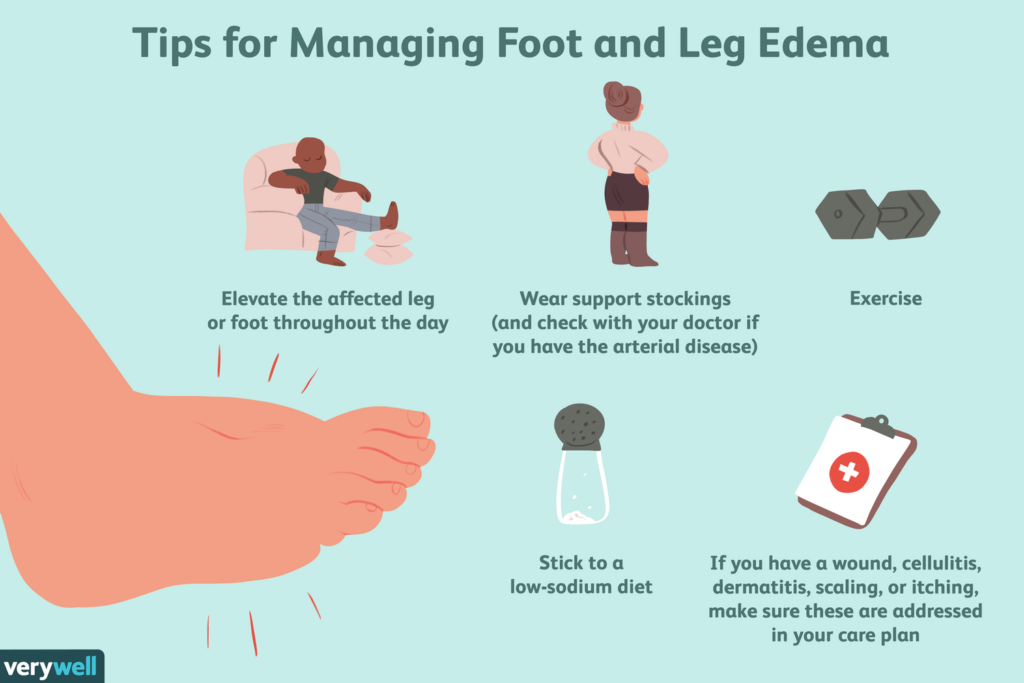
Elevating your legs is a simple yet effective way to alleviate swelling in the feet or ankles. By raising your legs above heart level, gravity helps drain excess fluid, reducing swelling. Whenever possible, take breaks and elevate your legs for a few minutes. Incorporating this habit into your daily routine can provide relief and prevent swelling.
Wearing compression stockings
Compression stockings are an excellent preventive measure for swollen feet or ankles. These elastic garments apply gentle pressure, helping to improve blood flow and prevent fluid retention. They can be particularly beneficial for individuals who have to sit or stand for long periods or during pregnancy. Consult with a healthcare professional to determine the appropriate compression level and fit for your needs.
Avoiding tight footwear
Wearing tight or ill-fitting footwear can restrict blood circulation, leading to swelling in the feet or ankles. Opt for comfortable shoes that provide adequate support and room for your feet to move freely. Avoid high heels and narrow toe boxes, as they can exacerbate foot swelling. Choosing breathable materials and adjustable closures can also help accommodate any swelling that may occur throughout the day.
Regular exercise
Engaging in regular exercise is crucial for maintaining overall health and reducing the risk of swollen feet or ankles. Physical activity promotes proper blood circulation, strengthens muscles, and helps manage weight. Low-impact exercises, such as walking, swimming, or cycling, are ideal choices to minimize stress on the feet and ankles.
Maintaining a healthy weight
Maintaining a healthy weight is paramount to reducing the risk of swollen feet or ankles. Excess weight can place additional strain on the lower extremities and hinder proper blood circulation. Adopting a balanced diet that includes plenty of fruits, vegetables, lean proteins, and whole grains, along with regular exercise, can help achieve and maintain a healthy weight.
Limiting salt intake
As mentioned earlier, excessive salt intake can lead to water retention and swelling in the feet or ankles. Be mindful of your salt consumption and aim to reduce your overall intake. Opt for low-sodium alternatives when possible and use other flavorful options, like herbs and spices, to enhance the taste of your meals.
Taking breaks and avoiding prolonged sitting or standing
If your lifestyle or work requires you to sit or stand for prolonged periods, taking regular breaks is vital. Movement helps stimulate blood flow and prevents fluid buildup. Whenever possible, stretch your legs, walk around, or perform simple exercises to keep your circulation active. Additionally, consider using a footrest or elevated platform to reduce pressure on your legs and encourage better blood flow.
Avoiding extreme heat and sun exposure
Exposure to extreme heat and excessive sun can contribute to swelling in the feet or ankles. Take precautions to stay cool and protect your skin from prolonged sun exposure. Seek shade, wear breathable clothing, and use sunscreen to prevent dehydration and minimize the risk of swelling.
Managing medical conditions
If you have any underlying medical conditions that contribute to swollen feet or ankles, it is crucial to work closely with your healthcare provider to manage them effectively. Follow any prescribed treatment plans, take medications as directed, and attend regular check-ups. Monitoring and controlling these conditions can significantly reduce the risk of swelling.
Avoiding repetitive activities
Engaging in repetitive activities, particularly those that place excessive strain on the feet and ankles, can lead to swelling. If you participate in activities that involve repetitive motions, such as running or jumping, be mindful of your limits and incorporate adequate rest and recovery periods. Listen to your body and give it time to heal and rejuvenate between sessions.
By being aware of these risk factors and taking necessary precautions, you can significantly reduce the likelihood of experiencing swollen feet or ankles. Remember to consult with a healthcare professional if you have persistent or worsening symptoms, as they can provide personalized advice and guidance based on your specific situation. Stay proactive in caring for your feet and ankles, ensuring optimal comfort and mobility.