If you’re looking to understand the risk factors and precautions for rhabdomyolysis, you’ve come to the right place. In this article, we’ll explore the important factors that contribute to this condition and discuss the measures you can take to prevent it. So, buckle up and get ready to learn about the risk factors associated with rhabdomyolysis and the precautions you can adopt to ensure your well-being.
Risk Factors for Rhabdomyolysis
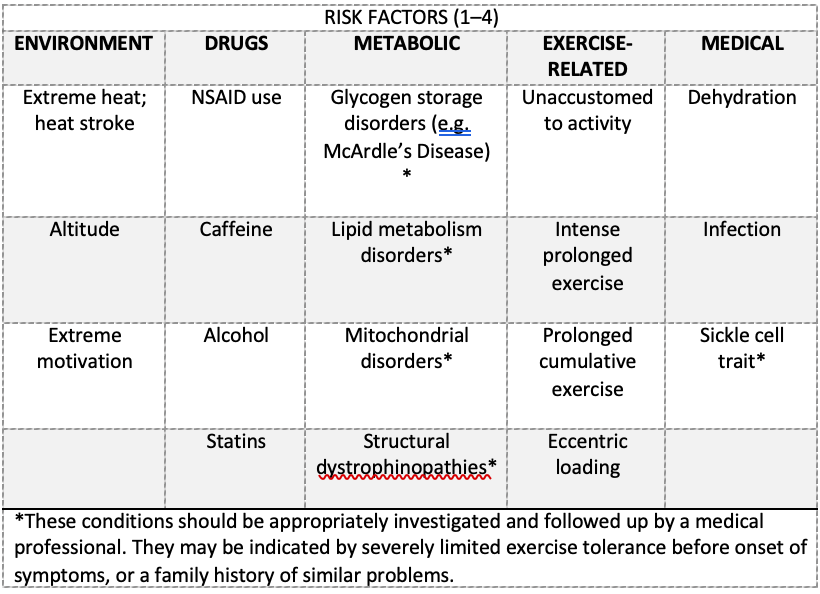
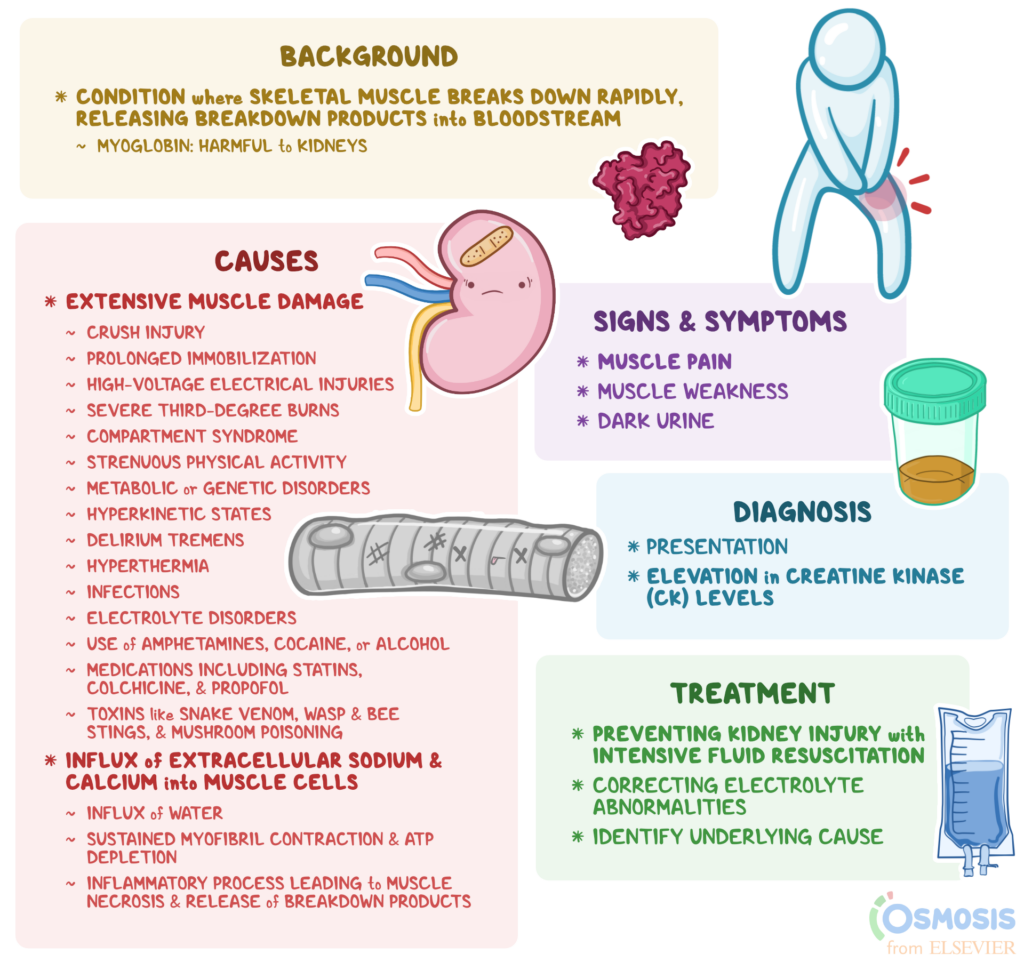
Rhabdomyolysis is a condition characterized by the breakdown of skeletal muscle tissue. It can result in the release of harmful substances into the bloodstream and potentially lead to kidney damage or failure. While rhabdomyolysis can affect anyone, there are several risk factors that can increase the likelihood of developing this condition. Understanding these risk factors is crucial in taking the necessary precautions to prevent rhabdomyolysis.
Muscle Injury
Muscle injury is one of the most common risk factors for rhabdomyolysis. It can occur due to various causes, such as direct trauma, crush injuries, electrical injuries, or severe muscle strain from overuse. Prolonged immobilization, such as being bedridden for an extended period, can also contribute to muscle injury. It is important to be cautious and avoid situations that may lead to muscle damage, as this can significantly increase the risk of developing rhabdomyolysis.
Genetic Factors
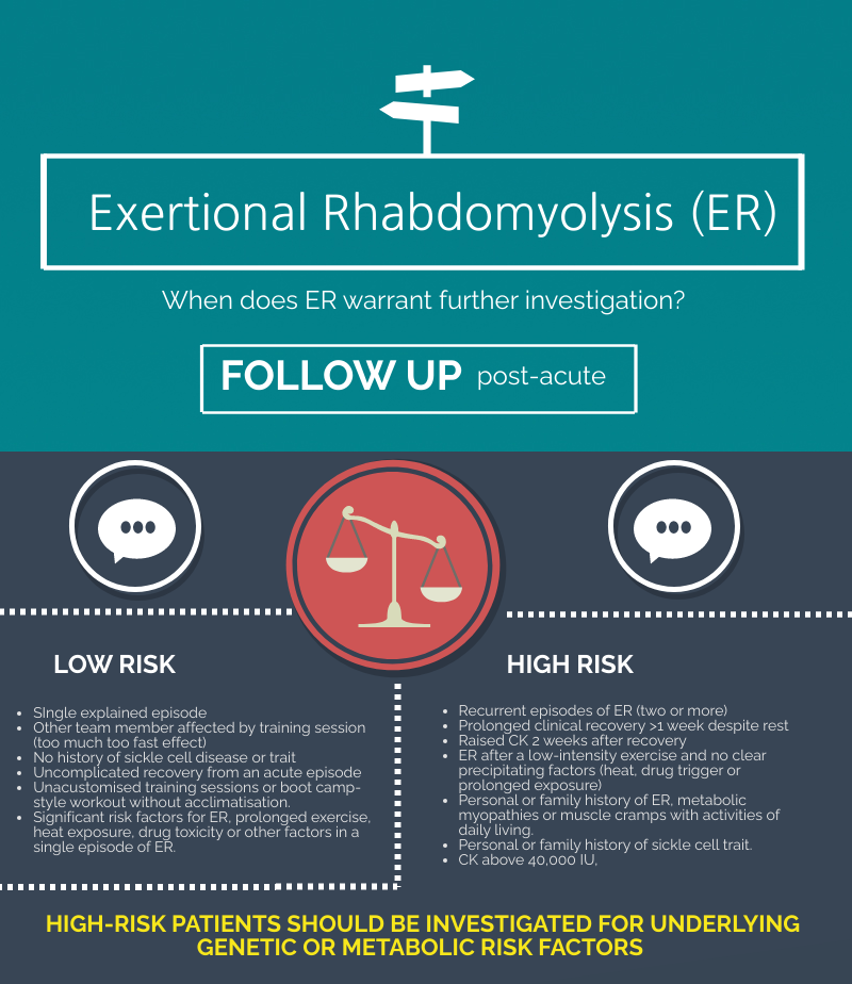
Genetic factors play a significant role in determining an individual’s susceptibility to rhabdomyolysis. Inherited muscle disorders, such as Duchenne muscular dystrophy or McArdle’s disease, can increase the likelihood of developing this condition. Additionally, certain inherited metabolic disorders and muscle enzyme deficiencies can also contribute to the risk of rhabdomyolysis. If you have a family history of these conditions, it is essential to be aware of the increased risk and take necessary precautions.
Extreme Physical Exertion
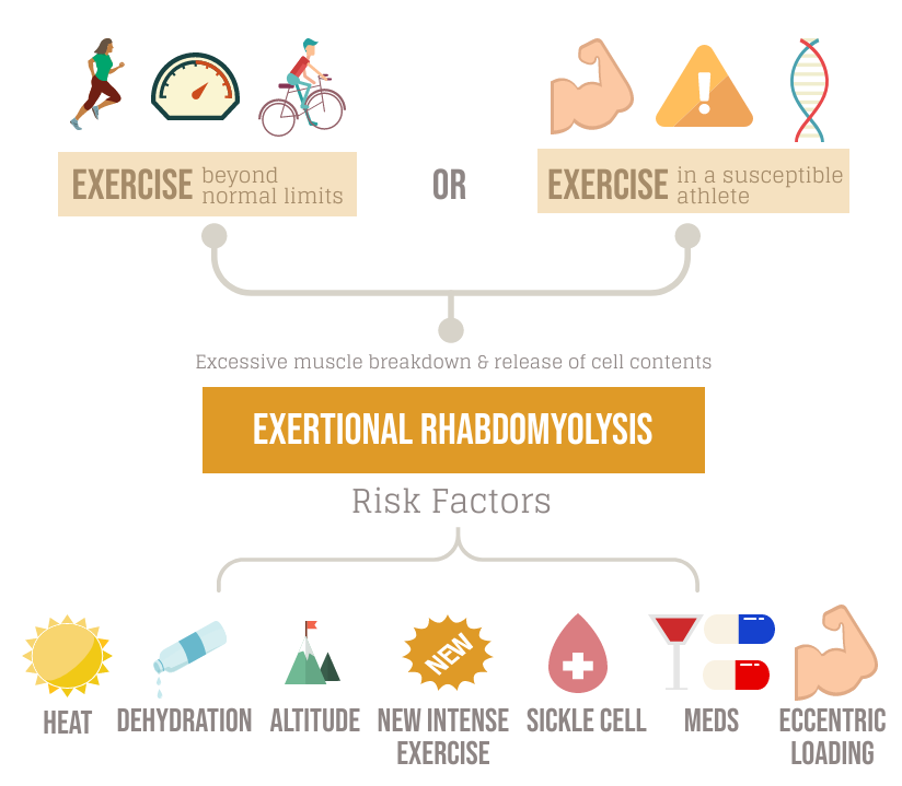
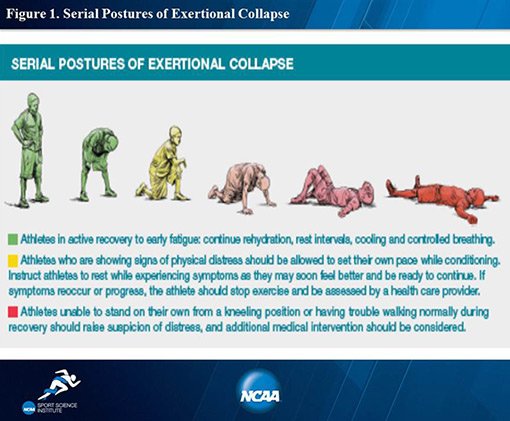
Engaging in intense physical activity, such as vigorous exercise, excessive weightlifting, marathon running, military training, or participating in intense sports activities, can increase the risk of rhabdomyolysis. These activities place significant strain on the muscles, leading to muscle breakdown and increasing the likelihood of developing this condition. It is crucial to gradually increase exercise intensity, properly warm up and cool down, and listen to your body’s signals to prevent overexertion-induced rhabdomyolysis.
Severe Dehydration
Severe dehydration can significantly increase the risk of rhabdomyolysis. Inadequate fluid intake, prolonged sweating, and water loss due to conditions like diarrhea or vomiting can lead to an imbalance in electrolytes and impair muscle function. Certain medical conditions, such as diabetes or kidney disease, can further exacerbate the risk of dehydration and contribute to the development of rhabdomyolysis. Staying properly hydrated and replenishing fluids during physical activities is crucial in preventing this condition.
Heatstroke and Overexposure to Heat
Heatstroke and overexposure to heat are risk factors for rhabdomyolysis. Exercising in high environmental temperatures or engaging in vigorous physical activity without proper precautions can lead to overheating and subsequent muscle breakdown. It is important to be aware of the weather conditions and take necessary measures to prevent heat-related illnesses, such as staying hydrated, wearing appropriate clothing, and taking breaks in shaded areas during hot weather.
Drug and Alcohol Abuse
Excessive alcohol consumption and drug abuse are significant risk factors for rhabdomyolysis. Alcohol and certain drugs, such as cocaine, amphetamines, and heroin, can impair muscle function and increase the likelihood of muscle breakdown. It is important to practice moderation when consuming alcohol and avoid illicit drug use to minimize the risk of developing rhabdomyolysis.
Viral Infections
Viral infections can increase the risk of rhabdomyolysis. Influenza, HIV, Epstein-Barr virus, and cytomegalovirus are examples of viral infections that can lead to muscle breakdown. It is crucial to take necessary precautions to prevent viral infections, such as practicing good hygiene, getting vaccinated when available, and avoiding close contact with infected individuals.
Certain Medications
Certain medications have been associated with an increased risk of rhabdomyolysis. Statins, which are commonly prescribed to lower cholesterol levels, have the potential to cause muscle damage in some individuals. Similarly, antipsychotics, antidepressants, antiepileptic drugs, and anesthetics have also been linked to rhabdomyolysis in rare cases. If you are taking any medications, it is important to be aware of their potential side effects and consult with your healthcare provider to minimize the risk of developing this condition.
Knowing the risk factors for rhabdomyolysis allows individuals to take the necessary precautions to prevent the development of this condition. It is important to prioritize proper hydration during physical activities, gradually increase exercise intensity to avoid overexertion, and avoid excessive alcohol consumption and drug abuse. Additionally, practicing proper warm-up and cool-down routines, monitoring medication side effects, and seeking medical attention for muscle injuries can also contribute to the prevention of rhabdomyolysis. For individuals with genetic risk factors, regular monitoring and management of underlying metabolic disorders, as well as maintaining balanced electrolyte levels, are of utmost importance. Lastly, it is crucial to avoid extreme heat and take breaks during hot weather to prevent heat-related muscle breakdown. By understanding and implementing these precautions, individuals can significantly reduce their risk of developing rhabdomyolysis.