
Skin rash is a common and often uncomfortable condition that affects people of all ages. In this informative article, you will discover the key risk factors that contribute to the development of skin rashes, as well as essential precautions to effectively manage and prevent them. Whether you have experienced a rash before or want to be prepared, this article provides valuable insights on how to keep your skin healthy and rash-free.

Risk Factors for Skin Rash
Skin rash is a common condition that can occur for various reasons. Understanding the risk factors and taking necessary precautions can help prevent and manage skin rashes effectively. Here, we will discuss different risk factors for skin rash and offer precautions to keep your skin healthy and rash-free.
Personal Factors
Several personal factors can influence the likelihood of developing a skin rash. These factors include age, gender, ethnicity, and genetic predisposition.
Age plays a significant role in skin health, as the skin becomes more sensitive and prone to rashes as we age. Infants and elderly individuals are particularly susceptible to skin rashes due to their delicate and thin skin.
Gender differences can also impact the risk of skin rash. Hormonal changes during puberty, pregnancy, and menopause can make women more prone to skin problems, including rashes.
Ethnicity can also influence skin sensitivity. For instance, individuals with fair skin are more susceptible to sunburns and allergic reactions, whereas people with darker skin tones are prone to certain types of rashes, such as post-inflammatory hyperpigmentation.
Finally, genetic predisposition can increase the risk of developing specific skin conditions that manifest as rashes. These can include conditions like eczema, psoriasis, and atopic dermatitis.

Environmental Factors
Environmental factors can greatly impact the health of our skin and increase the likelihood of developing a rash. Factors such as exposure to irritants, excessive heat or cold, dry climate, and humidity can all contribute to skin problems.
Exposure to irritants, such as harsh chemicals, can irritate the skin and trigger rashes. Examples of common irritants include certain cleaning products, detergents, and industrial chemicals. Minimizing direct contact with these irritants can help prevent rashes.
Extreme temperatures, including excessive heat or cold, can also provoke skin reactions. Prolonged exposure to high temperatures can lead to heat rash, while cold temperatures can cause dry, itchy skin. Protecting the skin from extreme temperatures is essential to prevent rashes.
Dry climates can deprive the skin of moisture, leading to dryness and itching. In contrast, high humidity can create a breeding ground for fungal infections and exacerbate existing skin conditions. It is important to maintain a healthy balance of moisture in the environment to protect your skin.
Medical Conditions
Certain underlying medical conditions can increase the risk of developing skin rashes. These conditions include atopic dermatitis, psoriasis, seborrheic dermatitis, rosacea, and eczema.
Atopic dermatitis, also known as eczema, is a chronic inflammatory skin condition characterized by dry, itchy patches. It often begins in infancy and can persist into adulthood. People with atopic dermatitis are prone to developing rashes due to the compromised skin barrier.
Psoriasis is an autoimmune disease that causes the rapid buildup of skin cells, resulting in thick, red patches covered with silvery scales. These patches can be itchy and painful, increasing the risk of developing rashes.
Seborrheic dermatitis commonly affects areas with an abundance of oil glands, such as the scalp, face, and chest. It presents as red, scaly patches that may be itchy or sensitive. Rashes can occur as a result of seborrheic dermatitis flare-ups.
Rosacea is a chronic inflammatory skin condition that primarily affects the face. It causes redness, visible blood vessels, and sometimes pimples or bumps. In severe cases, rosacea can lead to the development of rashes on the affected areas.
Eczema, or atopic dermatitis, is a common skin condition characterized by dry, itchy, and inflamed patches of skin. These patches can become easily irritated and lead to the development of rashes.
Medication and Treatment
Certain medications and medical treatments can trigger or worsen skin rashes. Understanding the potential side effects of these interventions can help prevent skin problems.
Antibiotics, although necessary in many cases, can disrupt the natural balance of bacteria on the skin and increase the risk of developing rashes. It is important to use antibiotics only as prescribed and finish the entire course to minimize this risk.
Antifungal medications, commonly used to treat fungal infections, can cause skin irritation and rashes as a side effect. If you experience any skin reactions while using these medications, speak with your healthcare provider.
Anti-inflammatory drugs, such as nonsteroidal anti-inflammatory drugs (NSAIDs), can occasionally lead to skin rashes as a hypersensitivity reaction. If you notice any skin changes while taking these medications, consult your doctor.
Chemotherapy and radiation therapy, two common cancer treatments, can cause a range of skin reactions. Rashes, redness, itching, and dryness are common side effects that can occur during cancer treatment. Proper skincare and communication with your healthcare team are crucial during this time.
Allergies
Allergic reactions can manifest as skin rashes in some individuals. Various types of allergies, including food allergies, contact allergies, insect bite allergies, medication allergies, and latex allergies, can trigger skin reactions.
Food allergies can cause hives, itching, and rashes when specific foods are ingested. Common allergens include nuts, shellfish, eggs, and dairy products. Identifying and avoiding trigger foods is important to prevent skin rashes.
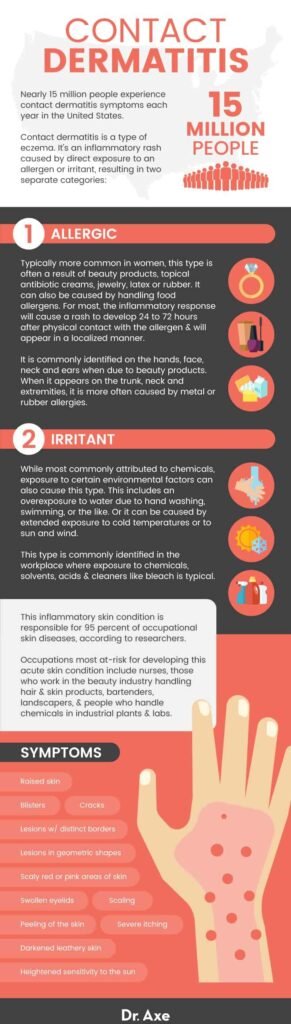
Contact allergies occur when the skin comes into contact with a particular allergen, such as certain metals, fragrances, or latex. These allergens can cause an itchy, red rash known as contact dermatitis. Identifying the culprit and avoiding future contact is crucial in managing this type of allergy.
Insect bite allergies can result in localized or widespread skin rashes. Mosquito bites, bee stings, and other insect bites can trigger an allergic reaction in some individuals, leading to the development of rashes. Taking appropriate measures to prevent insect bites is essential in preventing these types of rashes.
Medications, including antibiotics, pain relievers, and even skin creams, can lead to allergic reactions in some people. These reactions can manifest as skin rashes, hives, or even more severe symptoms. Informing your healthcare provider about any medication allergies you may have can prevent adverse reactions.
Latex allergies can cause skin rashes when individuals come into direct contact with latex-containing products, such as gloves or certain types of clothing. Using latex-free alternatives and informing healthcare professionals about your allergy is important to prevent rashes.

Occupation-Related Factors
Certain occupations may expose individuals to factors that increase the risk of developing skin rashes. This can include chemical exposure, physical irritants, biological agents, frequent handwashing, and repetitive motion.
Chemical exposure in workplaces where individuals come into contact with harsh chemicals can irritate the skin and lead to rashes. Protective measures, such as wearing gloves or using appropriate barriers, are essential in preventing occupational skin rashes.
Jobs that involve frequent physical irritants, such as friction or pressure on the skin, can cause rashes and skin problems. Examples include individuals who frequently wear tight-fitting clothing or those involved in repetitive tasks. Taking breaks and using protective equipment can help alleviate this risk.
Biological agents, such as certain bacteria, viruses, or fungi, can cause occupational skin rashes. Healthcare workers, for example, are often exposed to these agents and should follow strict hygiene protocols to minimize the risk of skin problems.
Frequent handwashing, although an essential practice for infection control, can lead to dryness and rashes in some individuals. Proper hand hygiene protocols, including using mild soaps and moisturizing regularly, can help prevent these problems.
Repetitive motion in certain occupations, such as assembly line work or typing, can result in friction and irritation on the skin. This repetitive motion can lead to the development of rashes. Taking breaks and practicing gentle stretching exercises can alleviate this risk.
Precautions for Skin Rash
While some risk factors for skin rash may be unavoidable, taking proper precautions can help prevent or manage the condition. Here are some important steps you can take to maintain healthy skin and reduce the risk of developing a rash.
Maintain Proper Hygiene
Keeping your skin clean and maintaining proper hygiene is essential to prevent skin rashes. Regularly washing your body with a mild, fragrance-free soap can help remove irritants and keep your skin healthy.
Taking regular showers, especially after sweating or exposure to irritants, helps maintain skin cleanliness. Ensure that you thoroughly dry your skin afterward to prevent excess moisture, which can contribute to fungal infections.
Avoid sharing personal items, such as towels, razors, or clothing, to minimize the risk of transferring bacteria, fungi, or other irritants to your skin.
Washing clothes and bedding regularly helps eliminate allergens, irritants, and microorganisms that can accumulate on fabric surfaces and trigger skin rashes.
Avoid Direct Contact with Irritants
Minimizing direct contact with irritants can greatly reduce the risk of developing skin rashes. When working with harsh chemicals or cleaning agents, always wear gloves and other appropriate protective gear to shield your skin.
If you have known sensitivities or allergies to certain substances, avoid using products that contain those allergens. Read ingredient labels carefully and opt for hypoallergenic alternatives whenever possible.
Moisturize Regularly
Moisturizing regularly is key to maintaining healthy skin and preventing dryness, which can lead to itching and rashes. Choose a moisturizer that suits your skin type and apply it after showering or washing your face.
For individuals with dry or sensitive skin, it is important to choose moisturizers that are fragrance-free and contain gentle ingredients. Consult with a dermatologist to find the most suitable moisturizer for your specific skin type and condition.
Use Mild Soaps and Detergents
Using mild soaps and detergents on your body and clothing can help prevent skin irritation and rashes. Opt for products that are free from fragrances, dyes, and other potential irritants.
When laundering your clothes, choose detergents that are specifically formulated for sensitive skin. Rinse your clothes thoroughly to remove any residual detergent that may cause skin irritation.
Protect Your Skin from Extreme Temperatures
Protecting your skin from extreme temperatures is crucial in preventing skin rashes. When exposed to excessive heat or cold, your skin can become dry, itchy, and prone to rashes. Here are some precautions to consider:
-
Wear appropriate clothing that provides protection against both heat and cold. In hot weather, choose loose-fitting, breathable fabrics that allow sweat to evaporate. In cold weather, layer your clothing to retain body heat without causing excessive sweating.
-
Use sunscreen with at least SPF 30 to protect your skin from harmful UV rays. Apply sunscreen generously and reapply every two hours or after swimming or sweating.
-
Stay hydrated by drinking plenty of water throughout the day. Hydration helps maintain the elasticity and moisture content of your skin, reducing the risk of rashes.
-
Avoid prolonged exposure to the sun or cold. Seek shade or use protective clothing, such as wide-brimmed hats or jackets, to shield yourself from direct sun or cold exposure.
By following these precautions, you can significantly reduce the risk of developing skin rashes and maintain healthy, radiant skin.
In conclusion, it is essential to be aware of the risk factors for skin rash and take proper precautions to protect your skin. Pay attention to personal factors, environmental factors, underlying medical conditions, medications, allergies, and occupation-related factors that can contribute to skin rashes. By maintaining proper hygiene, avoiding irritants, moisturizing regularly, using mild soaps and detergents, and protecting your skin from extreme temperatures, you can reduce the likelihood of developing a skin rash. Always consult with a healthcare professional if you experience persistent or severe skin rashes for proper diagnosis and treatment.
