
Viral gastroenteritis, commonly known as the stomach flu, is a highly contagious illness that affects millions of people worldwide. In this article, we will explore the various risk factors associated with viral gastroenteritis and the necessary precautions to prevent its spread. From the common modes of transmission to the symptoms and complications, we will dive into all the essential information you need to know to protect yourself and your loved ones from this unpleasant infection. So, let’s get started and arm ourselves with knowledge to keep the stomach flu at bay.
Risk Factors for Viral Gastroenteritis
Viral gastroenteritis, also known as the stomach flu, is a common illness that affects millions of people worldwide. It is caused by several different types of viruses, each with its own unique characteristics. Understanding the risk factors associated with viral gastroenteritis can help individuals take necessary precautions to prevent the spread of the disease and protect their health. In this article, we will explore the various risk factors for viral gastroenteritis and discuss ways to minimize the chances of infection.
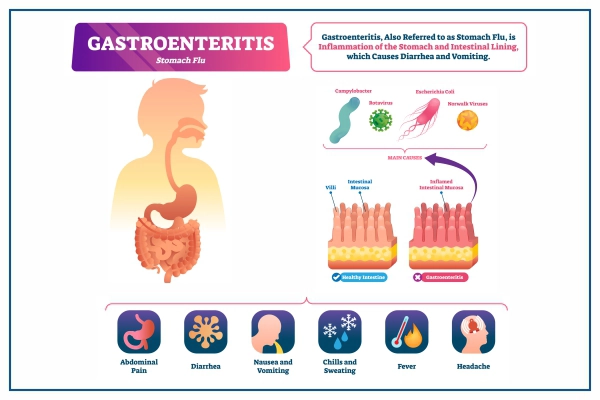
Viral Strains
There are several different strains of viruses that can cause gastroenteritis. The most common ones include Norovirus, Rotavirus, Adenovirus, and Astrovirus. Norovirus is the most prevalent cause of viral gastroenteritis and is highly contagious. Rotavirus primarily affects infants and young children, while Adenovirus and Astrovirus can affect individuals of all ages.
Age
Age is an important risk factor for viral gastroenteritis. Infants and young children are more susceptible to infection due to their immature immune systems and the frequent contact they have with contaminated surfaces. On the other end of the spectrum, the elderly are at a higher risk due to age-related changes in their immune response. It is essential to take extra precautions when caring for young children and older adults to prevent the spread of the virus.
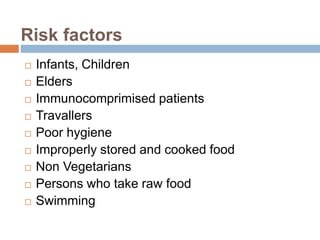
Weak Immune System
Individuals with a weakened immune system are more vulnerable to viral gastroenteritis. Various factors can compromise the immune system, including underlying medical conditions and certain medications. People with conditions such as HIV/AIDS, cancer, and organ transplant recipients are particularly at risk. Maintaining a healthy immune system through nutritious diet, regular exercise, and avoiding exposure to infectious pathogens becomes crucial in minimizing the risk of viral gastroenteritis.
Crowded Spaces
Being in crowded spaces increases the chances of viral gastroenteritis transmission. Settings such as daycare centers, schools, nursing homes, cruise ships, and hospitals provide ample opportunities for the virus to spread. Close proximity to infected individuals in such environments can make it easier for the virus to pass from person to person. Therefore, it is essential to maintain good hygiene practices and follow proper sanitation protocols in crowded places.
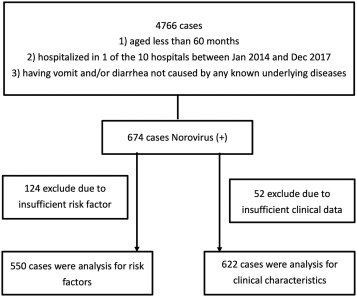
Close Contact with Infected Individuals
Close contact with infected individuals is a significant risk factor for contracting viral gastroenteritis. Family members and caregivers who are in direct contact with infected individuals are at a higher risk of acquiring the virus. Healthcare workers who come into contact with patients suffering from gastroenteritis are also more susceptible. Implementing preventive measures such as wearing protective gear, practicing hand hygiene, and avoiding close contact can significantly reduce the risk of infection.
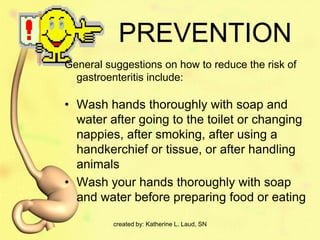
Personal Hygiene
Maintaining proper personal hygiene is crucial in preventing the spread of viral gastroenteritis. Handwashing is a simple and effective way to reduce the transmission of viruses. It is important to wash your hands with soap and water for at least 20 seconds, especially after using the restroom, before preparing or consuming food, and after coming into contact with potentially contaminated surfaces. Inadequate handwashing, not washing hands frequently enough, or not washing hands thoroughly can increase the risk of infection. Additionally, sharing personal items such as utensils, toothbrushes, and towels should be avoided to prevent cross-contamination.
Underlying Health Conditions
Individuals with certain underlying health conditions are at a higher risk of developing severe complications from viral gastroenteritis. Conditions such as diabetes, liver disease, kidney disease, and inflammatory bowel disease weaken the body’s ability to fight off infections. People with these conditions should take extra precautions to minimize their exposure to the virus and follow their healthcare provider’s recommendations for preventing infections.
Traveling to High-Risk Areas
Traveling to high-risk areas, particularly developing countries with poor sanitation practices, increases the likelihood of contracting viral gastroenteritis. These areas often lack proper infrastructure for clean water supply and adequate sanitation facilities, leading to increased contamination of food and water sources. Travelers should take precautions such as consuming only safe and properly cooked food, drinking bottled or boiled water, and practicing good hygiene to prevent infection.
Poor Sanitation
Poor sanitation practices contribute significantly to the spread of viral gastroenteritis. Inadequate sewage disposal, contaminated water sources, and improper food handling can all lead to the transmission of the virus. It is crucial to promote and maintain good sanitation practices in households, communities, and public places to minimize the risk of infection.
Contaminated Food and Water
Consumption of contaminated food and water is a common way to contract viral gastroenteritis. The virus can contaminate food and water sources during preparation, processing, or storage. To reduce the risk, it is essential to handle and prepare food safely, ensuring proper cooking temperatures and avoiding cross-contamination. Drinking clean and safe water from trusted sources or boiling water before consumption can also help prevent infection.
In conclusion, viral gastroenteritis poses a significant health risk, but understanding the various risk factors can help individuals take necessary precautions to prevent its spread. By practicing good personal hygiene, maintaining a healthy immune system, and implementing preventive measures in crowded spaces, close contact situations, and high-risk areas, the chances of contracting viral gastroenteritis can be minimized. It is crucial to prioritize cleanliness, sanitation, and safe food and water practices to protect yourself and others from this common and highly contagious illness.